 English
 Portuguese
 Bahasa
Melayu
Bahasa
Melayu ไทย
ไทย 中文
中文 Tiếng Việt
 Español
 हिन्दी
 日本語
日本語 العربية
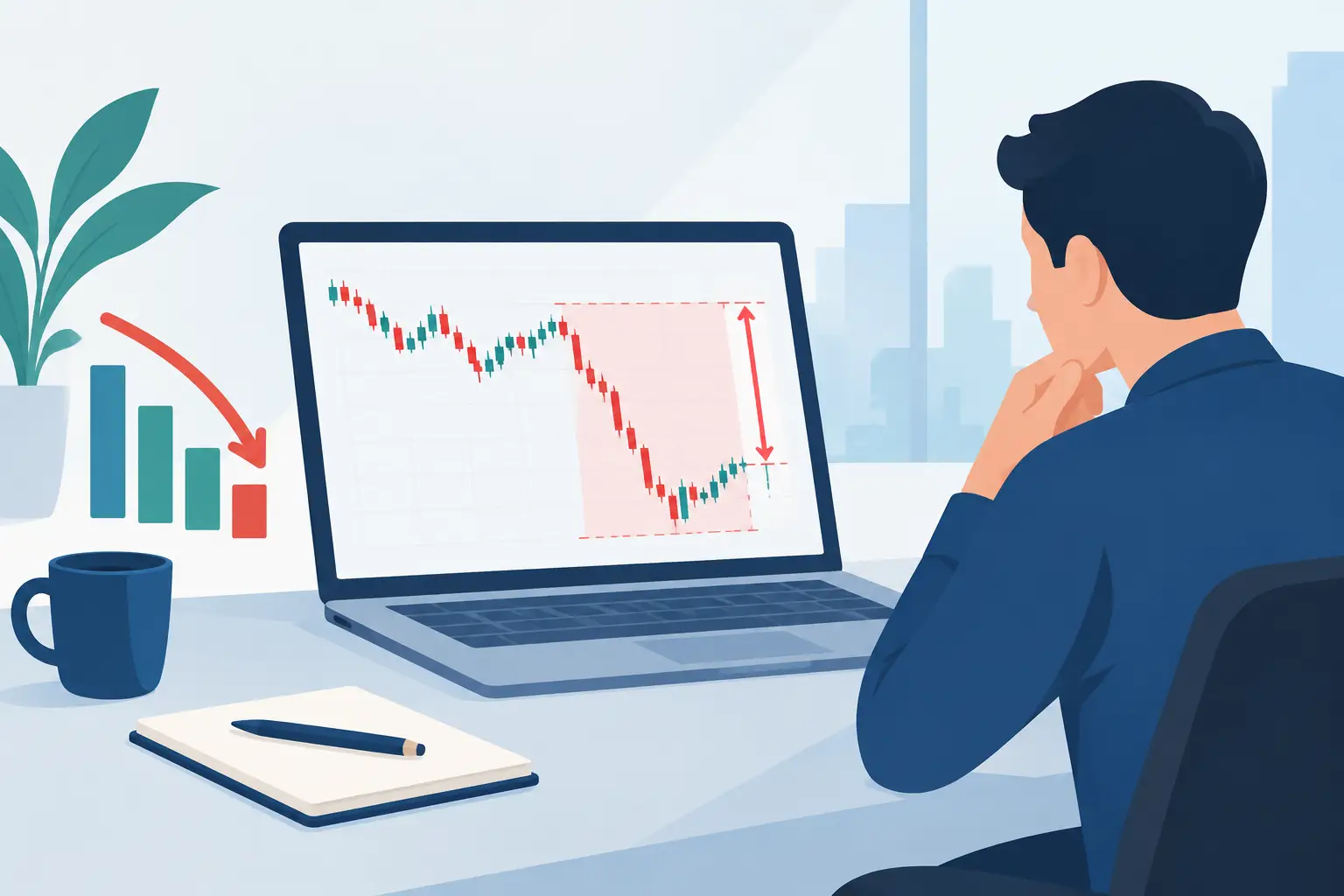
A 0.1-pip quote can look compelling on a trading screen. But when commissions, overnight financing, execution quality, and account currency enter the picture, that headline spread may tell only part of the story. Traders comparing regulated forex brokers in Europe with low spreads need to assess the complete trading environment, not just the tightest number displayed beside EUR/USD.
For active traders, spread efficiency matters. It affects the distance a position must move before it becomes profitable and can have a meaningful impact on frequent intraday strategies. Regulation matters just as much because it shapes how client money, leverage, disclosures, complaints, and broker conduct are handled. The right choice is a broker that delivers competitive pricing with conditions that make sense for how you actually trade.
What “regulated” means in the European forex market
Europe is not one single regulatory framework. A broker may be authorized in one jurisdiction and serve clients in other European Economic Area countries under applicable passporting arrangements. The exact entity that opens your account matters, as do the rules attached to that entity.
Well-known European supervisory authorities include the Financial Conduct Authority in the United Kingdom, the Cyprus Securities and Exchange Commission in Cyprus, Germany’s BaFin, France’s AMF, and Spain’s CNMV. Their approaches vary, but regulated firms are generally expected to meet requirements around capital, client disclosures, operational controls, and the handling of retail clients.
For retail forex and CFD traders, regulation can also influence maximum leverage, margin close-out procedures, negative balance protection, and restrictions on incentives. These protections can reduce certain risks, but they do not remove market risk. Leveraged trading can move quickly, particularly around major data releases, central-bank decisions, and unexpected geopolitical events.
Do not rely solely on a logo in a website footer. Confirm the broker’s legal entity, registration number, regulator, and the specific jurisdiction that will govern your account. A global brand can operate several entities, and trading conditions may differ between them.
Low spreads are only one part of your trading cost
A spread is the difference between the bid and ask price. When you buy, you typically enter at the ask; when you sell, you typically enter at the bid. That gap is an immediate cost of opening the trade.
A low-spread account may use variable pricing and quote spreads from a very small starting point during liquid market hours. However, “from” pricing is not a promise that the spread will remain at that level throughout the day. Spreads can widen when liquidity is thinner, including around market opens, rollovers, holidays, and major news.
The total cost of a forex trade can include the spread, a commission per lot or per side, swaps or financing charges for positions held overnight, and possible currency conversion costs. A raw-spread account with a transparent commission may be a better fit for a high-volume trader than a commission-free account with wider average spreads. For a trader placing fewer positions and holding them longer, the difference may be less decisive than overnight financing and execution reliability.
Think in terms of all-in cost. If one account offers a 0.2-pip spread plus commission and another offers a 1.0-pip spread with no commission, compare the dollar cost for your normal position size. Then compare that cost during the hours you genuinely trade, not only during the most liquid overlap between London and New York.
Why average spreads matter more than minimum spreads
Minimum spreads are marketing reference points. Average spreads provide a more useful picture of day-to-day conditions, especially for popular pairs such as EUR/USD, GBP/USD, and USD/JPY.
Ask whether the broker publishes typical or average spreads, whether those figures are time-weighted, and whether commissions are excluded. A quote that looks exceptionally tight but widens materially at the times you trade can be more expensive than a slightly wider quote that remains stable.
Execution also belongs in the calculation. Fast order processing, clear fill policies, and transparent handling of market volatility matter because a narrow displayed spread offers limited value if fills repeatedly occur far from the price you expected. No broker can guarantee fills at a specific price in a fast-moving market, but transparent execution practices help you evaluate the conditions realistically.
How to compare regulated forex brokers in Europe with low spreads
Start with your strategy rather than the broker’s promotion. Scalpers and active day traders often prioritize tight average spreads, commission structure, execution speed, and platform stability. Swing traders may place more weight on swaps, available instruments, and the cost of maintaining a position over several days. Traders who want broader market exposure may also consider indices, commodities, stock CFDs, ETFs, or crypto CFDs alongside currency pairs.
Then review the account structure. Brokers commonly offer standard accounts with spread-only pricing and professional-style or raw-spread accounts with separate commissions. Neither model is automatically superior. The useful question is which one produces the lower all-in cost for your typical trade frequency, lot size, and holding period.
Before funding an account, examine these practical areas:
- The legal entity, regulator, and client protections tied to your account
- Typical spreads for the pairs you trade most often, not just the advertised minimum
- Commission charges, swap rates, and any deposit, withdrawal, or conversion fees
- Available platforms, order types, charting tools, and mobile trading access
- Funding methods, withdrawal processing expectations, and account base currencies
- Risk controls, including margin alerts, stop-loss functionality, and negative balance protection where applicable
A demo account can help you become familiar with a platform such as MT4 or MT5, test order placement, and review how pricing behaves during your usual trading hours. It cannot perfectly replicate live execution, but it is a practical first step before committing capital.
Match the account to your trading style
For a short-term EUR/USD trader, a small difference in all-in cost can add up across dozens of trades each week. That trader should focus on liquid-session pricing, commissions, execution quality, and the practical limits on trade size or order frequency.
For someone holding GBP/JPY or AUD/NZD positions for several days, overnight financing may outweigh a fraction of a pip at entry. Exotic pairs can also carry wider spreads and greater volatility, so a low-spread claim on major pairs should not be assumed to apply across every instrument.
Copy trading and managed-account participants have another layer to consider. The spread and commission model still affect results, but so do strategy turnover, risk settings, drawdown behavior, and whether the copied strategy tends to hold positions through rollover. Review the strategy’s trading pattern before judging costs from a single headline figure.
Common mistakes when chasing the tightest quote
The first mistake is treating regulation as a marketing label rather than an account-level fact. Verify who holds your funds and which rules apply to you. The second is comparing only EUR/USD. If your plan centers on gold, indices, or minor currency pairs, those are the instruments that deserve close attention.
Another mistake is overlooking the difference between spread-only and commission-based pricing. A commission is not necessarily a disadvantage. It can make costs clearer and can be competitive when paired with tight market pricing. What matters is the total amount paid to enter, maintain, and exit the position.
Finally, avoid selecting a broker based on leverage alone. Higher leverage can reduce the margin required to open a trade, but it also increases the speed at which losses can consume available equity. Set position sizes based on your risk tolerance and stop-loss distance, not simply on the largest leverage ratio available.
A practical due-diligence process
Create a short list of brokers whose European entity and regulatory status you can verify. Compare their account types using the same assumptions: your preferred pair, trade size, trading session, and expected holding period. Calculate the approximate all-in cost for several realistic trades rather than one idealized example.
Next, test the trading platform and review operational details before making a larger deposit. Check whether the instruments you want are available, how margin requirements are displayed, what happens during volatile conditions, and how withdrawals are processed. Read the terms for swaps, commissions, inactivity charges, and any promotional conditions.
Low spreads can create a stronger starting point for active trading, but disciplined execution and risk management decide whether that cost advantage becomes useful. Choose a regulated environment you can verify, a pricing model you can calculate, and a platform that lets you act decisively when your trading plan calls for it.