 English
 Portuguese
 Bahasa
Melayu
Bahasa
Melayu ไทย
ไทย 中文
中文 Tiếng Việt
 Español
 हिन्दी
 日本語
日本語 العربية
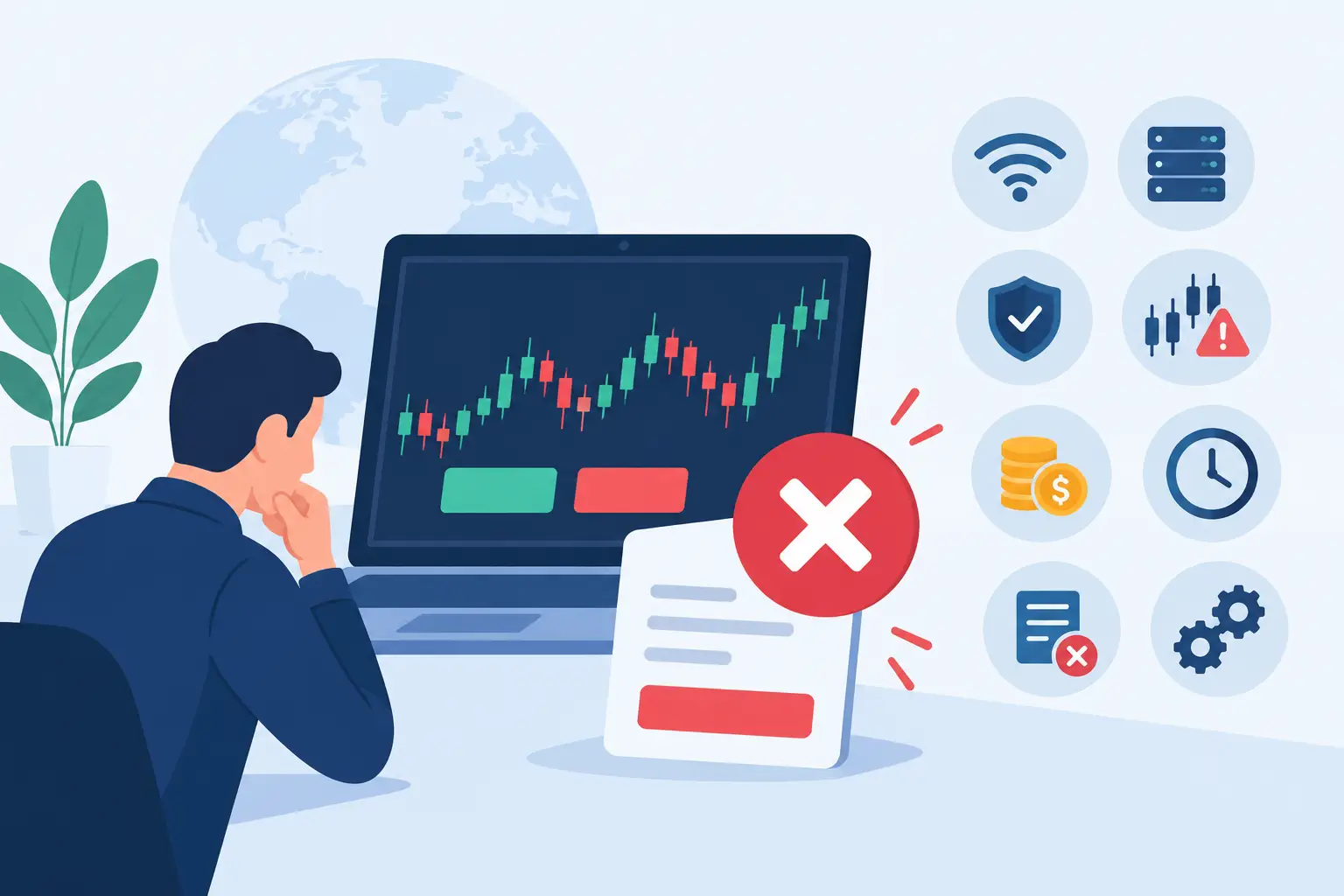
A $500 deposit can control a much larger CFD position, but that does not make the market move more slowly or your trade more forgiving. CFD leverage increases exposure while reducing the margin required to open a position. It can help active traders access opportunities across forex, indices, commodities, crypto, and shares, yet it also magnifies the financial effect of every price movement.
The practical question is not simply, “What is the highest leverage available?” It is, “How much exposure can this trade carry while keeping risk within my plan?” The difference matters. Leverage is a trading tool. Position sizing, stop placement, and available margin determine whether that tool supports disciplined execution or puts the account under unnecessary pressure.
How CFD Leverage Works
A contract for difference lets you speculate on an instrument’s price movement without owning the underlying asset. If you expect a market to rise, you may open a buy position. If you expect it to fall, you may open a sell position. Your profit or loss is based on the difference between the opening and closing price, adjusted for applicable trading costs.
Leverage expresses the relationship between the position’s notional value and the margin needed to open it. At 1:20 leverage, for example, $1 of margin can control $20 of market exposure. A $2,000 position would require approximately $100 in initial margin, before considering the broker’s specific margin rules and the instrument being traded.
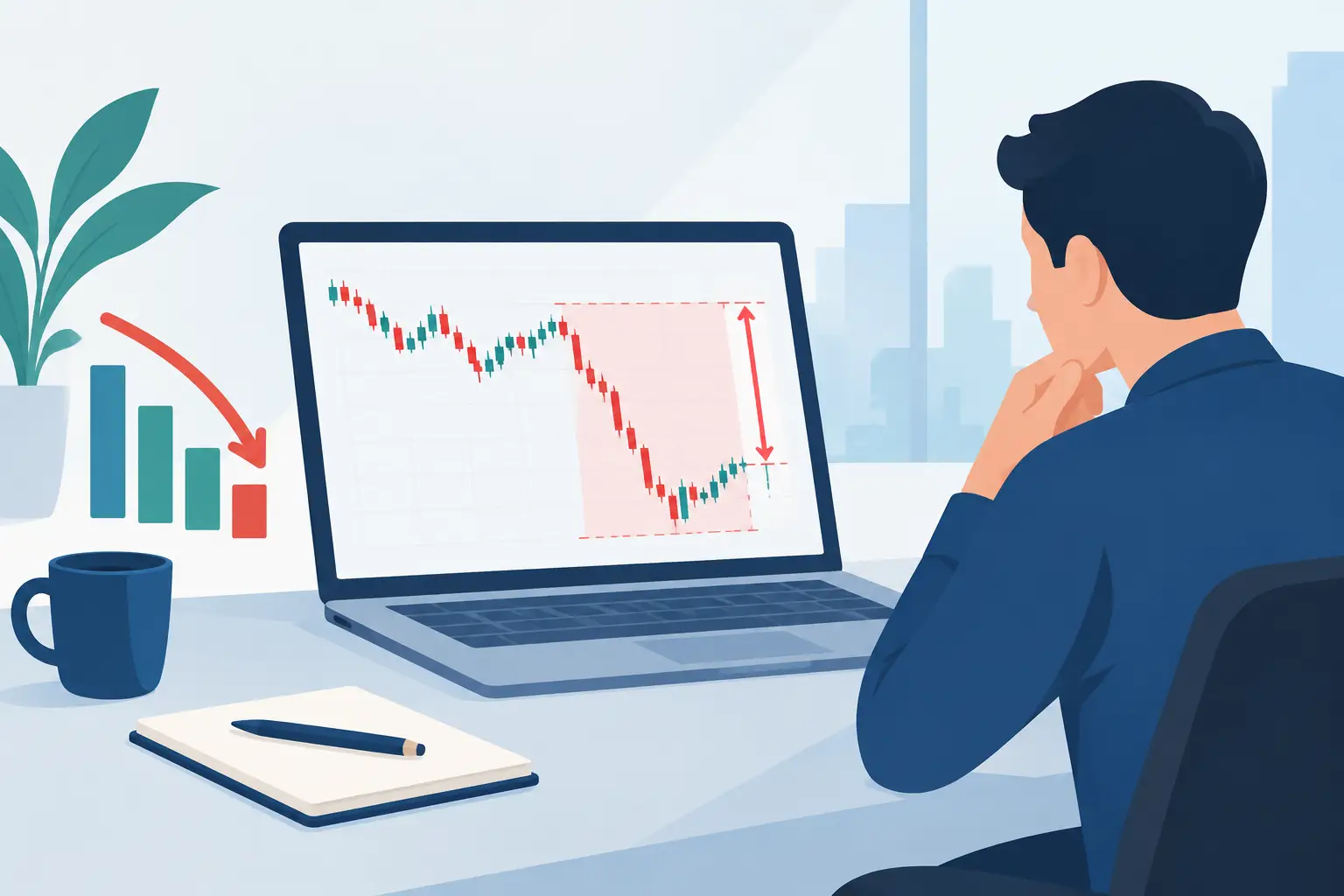
That smaller margin requirement should never be confused with the total amount at risk. If the $2,000 position moves 1% against you, the loss is about $20 before spread, commissions, swaps, or other applicable charges. Against a $100 margin commitment, that is a 20% change. The same 1% move in your favor produces a similar gain, which is why leverage can be appealing and why it requires control.
Margin Is Not a Loss Limit
Margin is the collateral set aside to support an open trade. It is not a protective boundary that caps losses at the amount initially required. Your account equity changes as unrealized profit and loss changes, and open positions continue to use margin while they remain active.
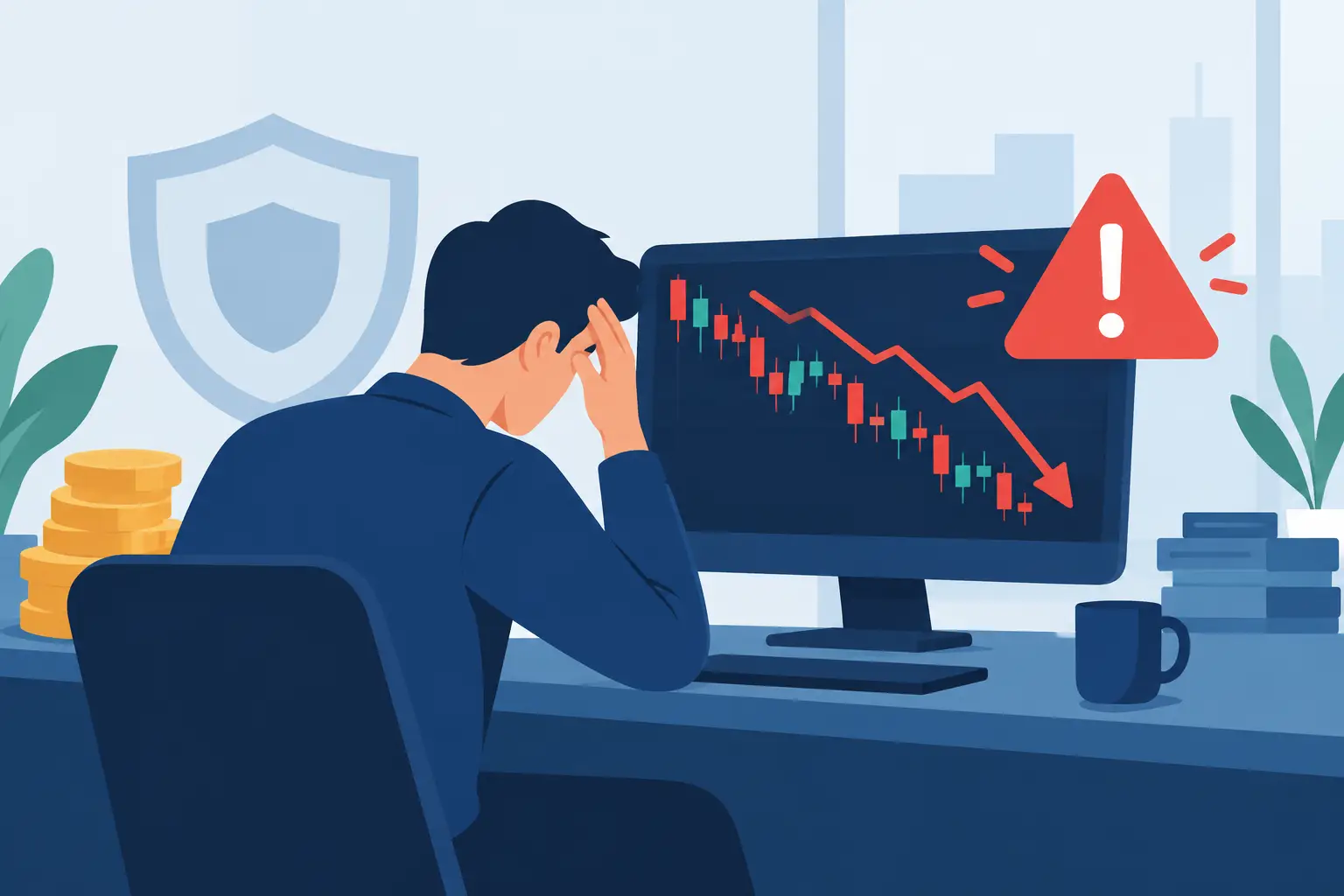
As equity falls, free margin can shrink quickly. If account equity approaches the required maintenance level, the platform may restrict new positions or begin closing open positions according to its margin policy. This can happen before a trade reaches the price level you had hoped to wait for. Exact margin requirements, margin-call procedures, and stop-out levels vary by account, instrument, and trading conditions, so traders should review the terms that apply before entering the market.
CFD Leverage Should Follow the Trade Plan
Experienced traders generally start with the trade idea, not the leverage setting. They identify where the setup is invalidated, decide the maximum dollar amount they are prepared to lose, then calculate position size. Only after that do they confirm that enough margin is available to place the trade comfortably.
A simple framework is:
Dollar risk = account equity × risk percentage
Position size = dollar risk ÷ loss at the stop level
For example, a trader with $10,000 in equity might limit risk on one trade to 0.5%, or $50. If the planned stop is 100 points away, the position should be sized so that a 100-point move equals roughly $50. That means the trade carries a value of about $0.50 per point. The leverage available may determine whether the required margin is manageable, but it should not be used to increase the loss amount beyond the original $50 risk limit.
This approach separates two ideas that are often blended together: exposure and risk. A trader can use leverage to access a position efficiently while still keeping the actual cash risk modest. Conversely, a trader can have access to high leverage and take excessive risk by opening a position that is too large for the stop distance and account balance.
Match Exposure to the Instrument
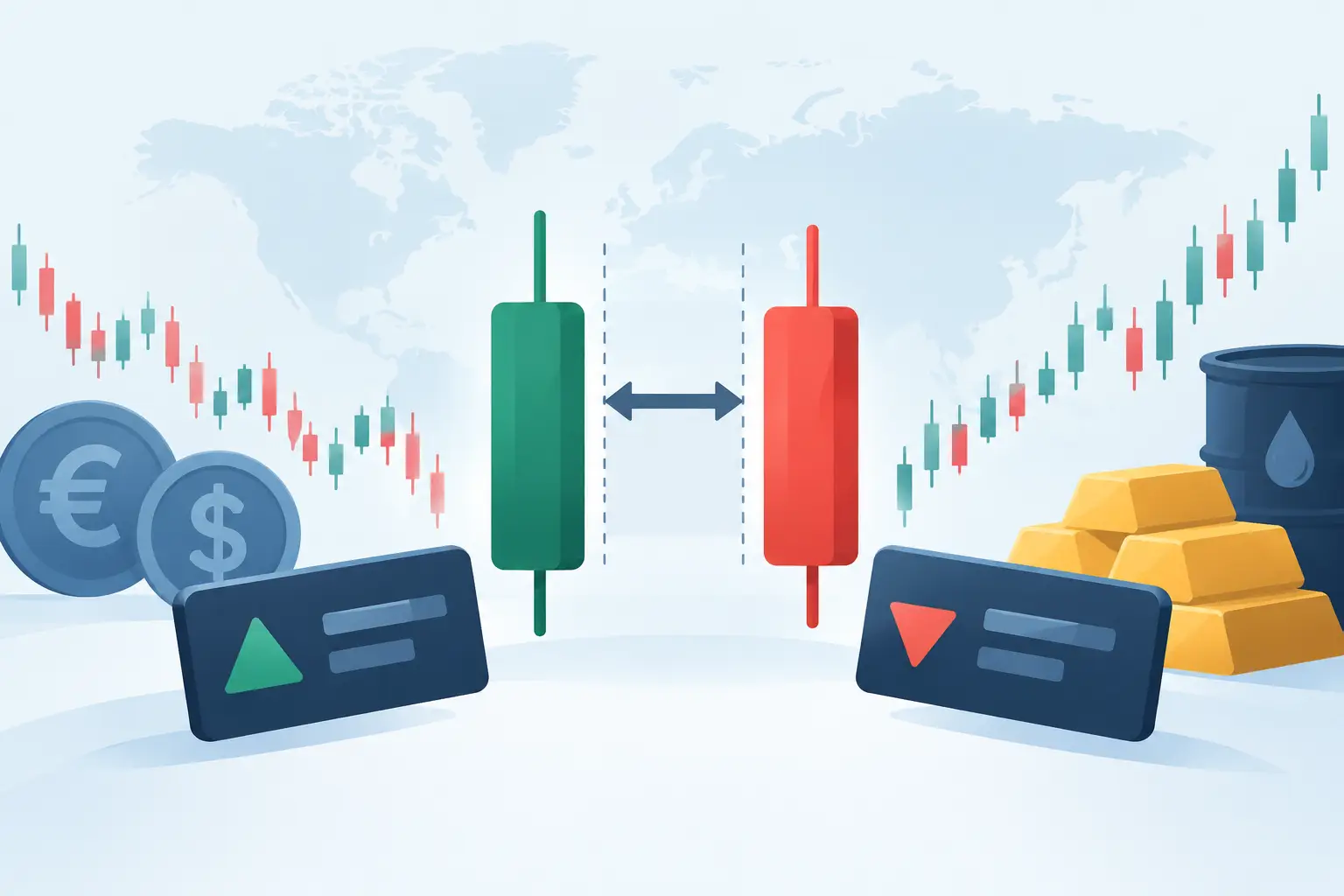
Different markets can require different levels of caution. Major forex pairs may often move in smaller increments than crypto CFDs, while indices can react sharply to economic releases, corporate earnings, or changes in risk sentiment. Commodities can gap on supply headlines, weather developments, and geopolitical events. Stock and ETF CFDs may respond to company-specific news outside regular market hours.
For that reason, the same leverage and position size should not be applied automatically across every product. A tight stop on a volatile instrument may be hit by normal price fluctuation. A wider stop can make more technical sense, but it also means position size usually needs to be reduced to preserve the same dollar risk.
Trading conditions can also change. Spreads may widen around major news events, market liquidity can decline at certain times, and overnight financing may affect positions held beyond the trading day. Leverage limits and margin requirements may vary by asset class and can be adjusted under market conditions. Treat each instrument as its own risk decision.
Four Mistakes That Make Leverage Harder to Manage
The first mistake is treating free margin as spending power. Free margin shows what may be available to support additional positions, not what must be used. Leaving a margin buffer gives the account more room to absorb normal price movement and reduces the chance of a forced decision during volatility.
The second is setting a position size first and adding a stop later. This often leads to stops that are either too close to the market or too far away for the account. Start with the technical invalidation level, then reduce size until the possible loss fits your plan.
The third is averaging down without a predefined limit. Adding to a losing position increases exposure at the moment the original idea is under pressure. There are strategies that scale into positions systematically, but they require planned entry levels, total-risk limits, and enough available margin to withstand expected volatility.
The fourth is overlooking costs. Spread, commissions where applicable, overnight financing, and slippage can all affect the final result. These costs may have a larger impact on short-term strategies, frequently traded markets, and positions held for several sessions. Your risk calculation should allow room for them rather than assuming entry and exit will happen at ideal prices.
A Practical CFD Leverage Routine Before You Trade
Before placing an order on MT4 or MT5, take a short pause and verify the numbers. A consistent routine can prevent a fast-moving chart from turning into an oversized position.
- Define the entry, stop level, and target before opening the trade.
- Set a maximum dollar loss based on account equity, not on a hoped-for return.
- Calculate the position size from the stop distance and the instrument’s point or pip value.
- Check required margin, free margin, spread, scheduled news, and any overnight holding cost.
If the calculated trade uses too much margin or feels difficult to hold through routine volatility, reduce the size. Passing on a trade is also a valid risk decision. Market access creates opportunity, but it does not require constant exposure.
Leverage During Fast Markets
Leverage becomes most demanding when markets move quickly. An economic release, central bank decision, weekend event, or unexpected headline can cause price gaps and rapid changes in liquidity. In these conditions, a stop-loss order is still a key risk-management tool, but execution can occur at the next available price rather than the exact level requested.
That possibility is one reason to avoid committing most of your available margin to one view. A smaller position may seem less exciting, but it can give you more flexibility to follow a plan rather than react emotionally to a temporary spike. Traders who keep enough capital in reserve are usually better positioned to manage uncertainty.
CFD leverage can make global markets more accessible, whether you are trading independently or following a structured strategy. Use it to improve capital efficiency, not to force larger trades. The strongest next step is simple: calculate your risk before you calculate your potential profit, then let the position size earn its place in your trading plan.