 English
 Portuguese
 Bahasa
Melayu
Bahasa
Melayu ไทย
ไทย 中文
中文 Tiếng Việt
 Español
 हिन्दी
 日本語
日本語 العربية
A trader can show a strong return over the past month and still be a poor fit for your account. That is the central reality behind the question, is copy trading profitable? It can be, but profitability is not created by pressing Copy. It depends on the strategy you select, the risks behind its performance, your allocation settings, trading costs, and the market conditions that follow.
Copy trading gives you a direct way to participate in the decisions of another trader without building every trade idea from scratch. For newer market participants, that can make forex, indices, commodities, crypto CFDs, and other fast-moving instruments feel more accessible. For experienced traders, it can also be a way to diversify strategies or monitor how different approaches perform across markets. Neither use case removes risk.
Is Copy Trading Profitable in Real Market Conditions?
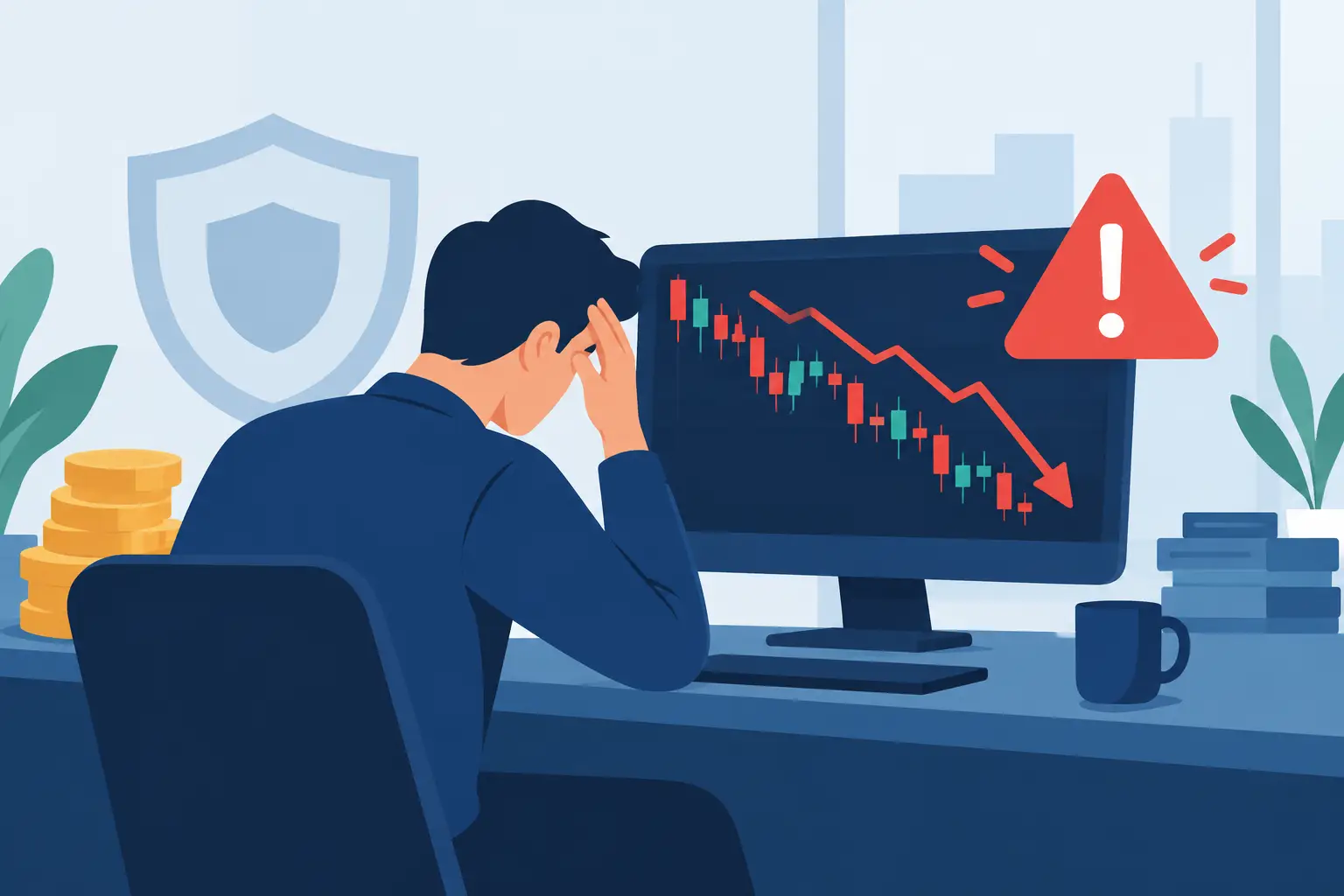
Copy trading is profitable when the copied strategy produces returns that exceed its losses, costs, and the risk you are willing to take. That sounds obvious, but performance screens can make the answer look simpler than it is. A positive percentage return tells you what happened over a period. It does not automatically explain how much drawdown occurred, how much leverage was used, or whether that result can be repeated.
A trader who earns 20% with controlled exposure and a manageable drawdown may offer a very different risk profile from one who earns the same 20% after holding heavily leveraged losing positions for days. Both may appear profitable in a short performance window. Only one may match the way you want to manage capital.
Markets also change. A trend-following strategy may perform well during sustained moves in major currency pairs but struggle when prices become range-bound. A short-term strategy may benefit from active volatility, then lose its edge when spreads, liquidity, or price behavior shift. Copying a trader means accepting that past results are evidence to assess, not a promise of future returns.
The practical answer is that copy trading can create profit opportunities, but it is not passive income in the risk-free sense. Your role changes from placing every trade to selecting, sizing, reviewing, and controlling the strategy you follow.
What Actually Determines Your Return
Your results may differ from the trader you copy, even when your account follows the same strategy. Allocation size is the first reason. Copying a small amount with conservative settings can limit both gains and losses. Copying a large share of your balance or increasing risk settings can amplify them.
Execution matters as well. Markets move quickly, especially around major economic releases and periods of low liquidity. The price at which a provider enters or exits may not always be identical to the price available in your account. Spreads, commissions, overnight financing, and any applicable performance fees can also affect the net result you see.
Leverage deserves particular attention. Leveraged products can increase market exposure with a smaller initial margin requirement, which can make gains move faster. The same mechanism can magnify losses. A strategy that looks steady may still carry significant exposure if it uses large position sizes, averages into losing trades, or keeps positions open through high-impact news.
Your timing is another variable. Joining after an exceptional winning streak can lead to disappointment if the strategy enters a normal drawdown soon after. This does not necessarily mean the provider has failed. Drawdowns are part of trading. The question is whether the drawdown is within the strategy’s historical behavior and within your own financial comfort zone.
Look Beyond the Headline Return
A smart selection process starts with performance, then goes deeper. Rather than choosing the highest return on the screen, look for a record that gives context. How long has the strategy been active? A few profitable days do not carry the same weight as a record observed through different market conditions.
Pay attention to maximum drawdown. This shows the largest decline from a peak in the account’s value during the measured period. A high return paired with a severe drawdown may signal that the strategy takes more risk than you expect. There is no universal acceptable number, but you should decide in advance what level of decline would cause you to stop copying.
Review trade behavior, too. Consider the typical holding period, the instruments traded, the number of open positions, and whether losses tend to be closed promptly or carried forward. A provider trading major forex pairs intraday has a different risk pattern from one holding crypto CFD positions overnight or trading several correlated indices at once.
It also helps to distinguish between a strategy with a defined loss limit and one that relies on recovery. Some traders use stop-loss orders consistently. Others may add to losing positions in the expectation that price will reverse. Recovery-based approaches can produce smooth-looking results for a time, but their risk can rise sharply when a market continues moving in one direction.
Set Up Copy Trading With Risk Controls
Copy trading works best when it sits inside a clear trading plan. Start with an amount you can afford to put at risk, rather than allocating capital based on a provider’s recent returns. You do not need to commit your full balance to one strategy to participate.
Before activating a copied strategy, establish four operating rules:
- Set a maximum allocation for each provider rather than concentrating all capital in one account.
- Define a loss level or drawdown point at which you will pause or stop copying.
- Avoid increasing your allocation simply because a strategy has had a short run of gains.
- Review open exposure, especially if several copied traders are active in the same instruments or markets.
These controls do not guarantee a profit, but they can prevent one strategy from determining the outcome of your entire account. Diversification can help, provided the strategies are genuinely different. Following three providers who all trade the same currency pair in the same direction is not meaningful diversification.
Use the available platform information to monitor performance after you begin. Check whether the strategy is operating as expected, whether drawdown is developing within normal ranges, and whether changing market conditions have altered its behavior. Active monitoring is particularly relevant around central bank announcements, inflation data, employment reports, and major geopolitical events.
Common Mistakes That Reduce Copy Trading Profitability
The most expensive mistake is treating rankings as a guarantee. High returns can attract attention, but they may reflect a short sample period, aggressive leverage, or unusually favorable conditions. Copying based on one headline number can expose you to risks you have not evaluated.
Another mistake is panic-stopping after a small loss, then switching repeatedly to whichever provider has recently performed best. This creates a cycle of entering late and exiting during normal drawdowns. A better approach is to choose a strategy based on criteria you understand, then review it against those criteria rather than reacting to every trade.
Ignoring fees and account mechanics can also erode results. Make sure you understand spreads, commissions, financing charges for positions held overnight, and any fees associated with a copy arrangement. Net profitability is what remains after all trading-related costs, not the gross performance displayed before them.
Finally, do not confuse access with certainty. Platforms such as MT4 and MT5 can make it straightforward to connect with market opportunities and follow strategies, but no platform can remove the uncertainty built into leveraged trading. Monaxa gives traders access to copy trading alongside a broader range of market participation tools, while the decision to manage risk remains personal.
A Better Way to Judge Whether Copying Fits You
Copy trading may suit you if you want exposure to market strategies but have limited time to analyze every chart or place every order yourself. It may also be useful if you are studying how experienced traders manage entries, exits, and market selection. It is less suitable if you expect guaranteed returns, cannot tolerate drawdowns, or are unwilling to monitor your account.
Consider starting with a measured allocation and a clear review period. Track not only profit and loss, but also the maximum drawdown you experienced, the costs paid, and whether the strategy behaved in a way you understood. That record will tell you more about fit than a provider’s headline return alone.
The strongest copy trading decision is rarely the one that chases the biggest recent gain. It is the one that gives you market access while keeping your capital, expectations, and risk limits firmly under your control.