 English
 Portuguese
 Bahasa
Melayu
Bahasa
Melayu ไทย
ไทย 中文
中文 Tiếng Việt
 Español
 हिन्दी
 日本語
日本語 العربية
Most new traders do not get stuck on charts first. They get stuck on access. That is why a clear forex trading requirements FAQ matters – because before you place a trade, you need to know what brokers typically ask for, what you need to prepare, and what can slow down account approval.
If you want to trade forex or CFDs, the requirements are usually straightforward, but they are not identical everywhere. Your country of residence, the broker’s onboarding rules, the payment methods you use, and the product type you want to trade can all affect what is needed. The fastest path is understanding the basics before you register.
What are the basic forex trading requirements?
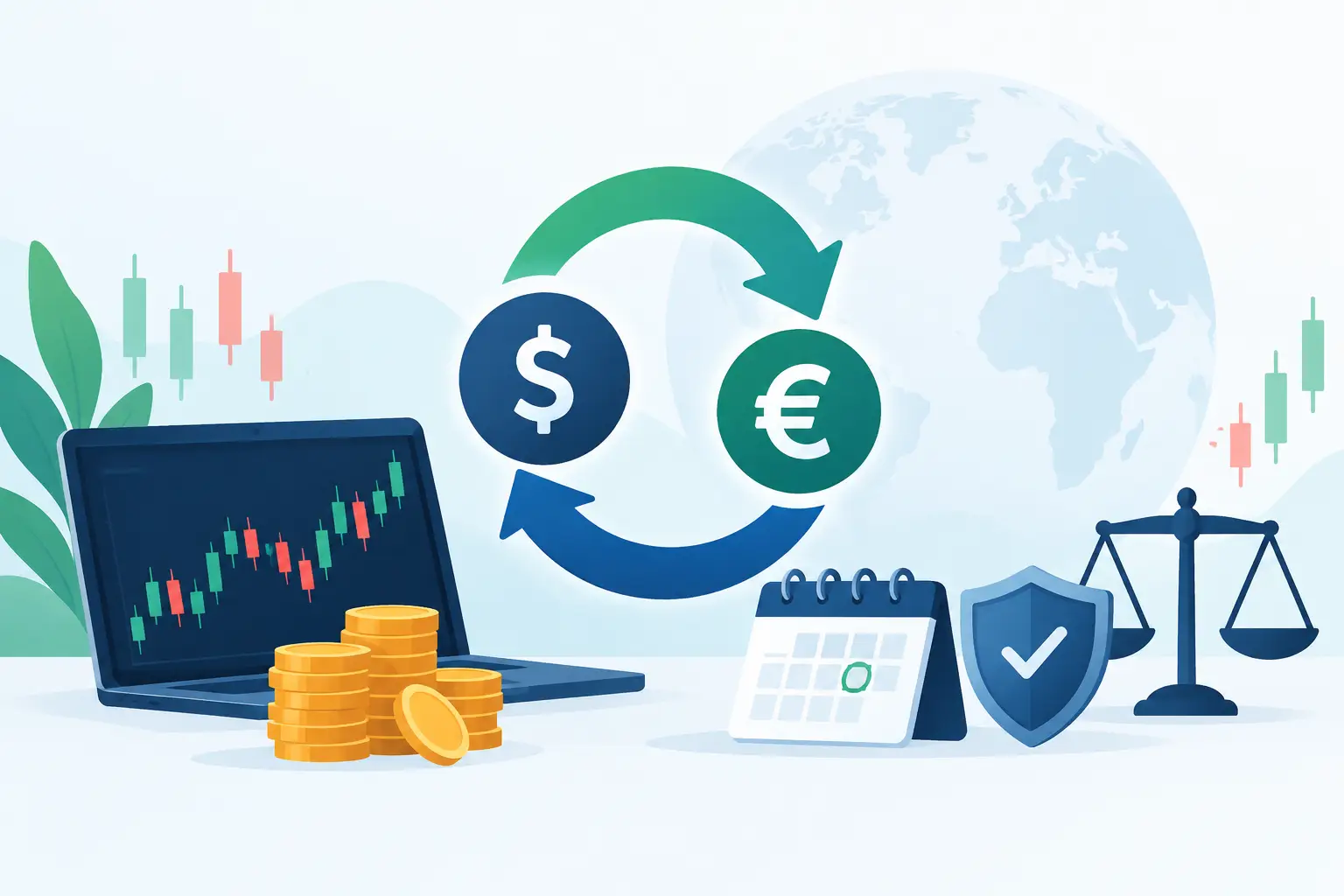
At a practical level, most traders need four things: eligibility, identity verification, account funding, and a trading platform. That sounds simple because it usually is. The friction comes from missing documents, unsupported jurisdictions, or unrealistic expectations about leverage and starting capital.
Eligibility starts with age and location. In most cases, you must be at least 18 years old to open a live trading account. Brokers also review your country of residence because regulation, internal policy, and product availability differ by region. Some traders can access a full range of forex pairs and CFDs, while others may face restrictions.
Identity verification is the next step. A broker will generally ask for proof of identity, such as a passport, driver’s license, or national ID card, plus proof of address like a utility bill or bank statement. These checks are standard and are there to support account security and compliance.
Funding comes after verification, or sometimes during onboarding depending on the broker’s process. You normally need a supported payment method and enough capital to meet the minimum deposit for your chosen account type. That amount can vary widely. Some brokers keep entry low for beginners, while others set higher thresholds for specific features or account conditions.
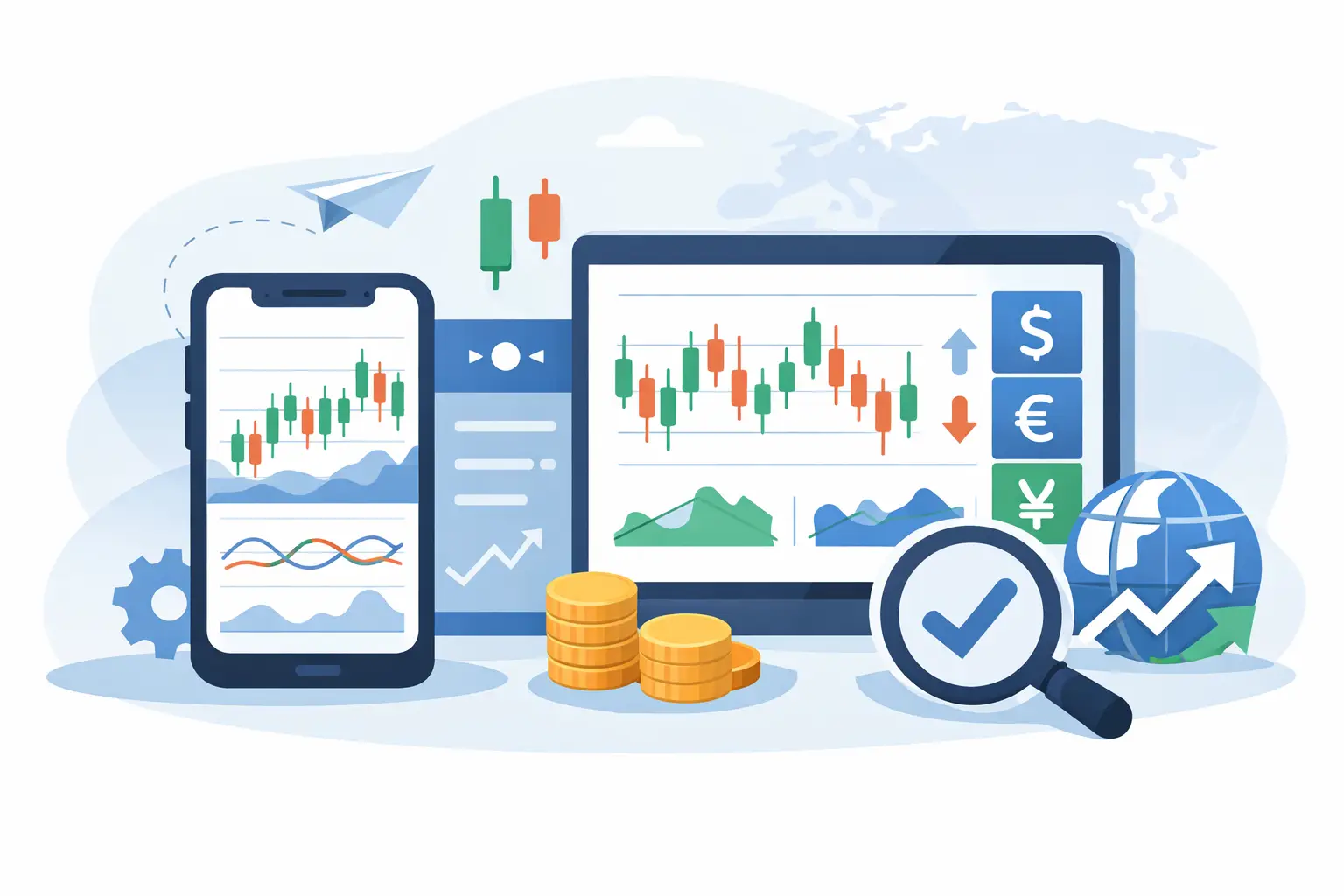
Finally, you need access to a platform. That may be MT4, MT5, cTrader, a web terminal, or mobile app. Platform access is often immediate after registration, but live trading only becomes available once your account is approved and funded.
Forex trading requirements FAQ: the questions traders ask first
The first question is usually about money. How much do you need to start? The honest answer is that it depends on your broker, strategy, and risk tolerance. Technically, you may be able to open an account with a relatively small deposit. Practically, a very low balance can limit position sizing, risk management, and your ability to absorb normal market movement.
Another common question is whether trading experience is required. Usually, no formal experience is needed to open an account. Many brokers welcome beginners. Still, product knowledge matters. Leveraged trading can amplify gains and losses, so a beginner-friendly onboarding process helps, but it does not remove risk.
Traders also ask whether a bank account is mandatory. In many cases, you need a payment method in your own name for deposits and withdrawals. That could be a bank account, card, or approved digital method, depending on what the broker supports in your region. Name matching matters because it helps reduce fraud and keeps withdrawals compliant.
A frequent point of confusion is whether you need special software. Not necessarily. Most modern brokers offer desktop, web, and mobile access. If you are trading actively, platform choice matters more. MT4 and MT5 remain familiar for many retail traders, while cTrader appeals to users who want a different interface and execution environment.
Documents and verification requirements
Verification is where many traders lose time, mostly because they upload the wrong file type or submit documents with incomplete details. A valid ID should be current, clear, and fully visible. Cropped corners, blurry text, or expired documents often trigger delays.
Proof of address usually needs to show your full name, residential address, and recent issue date. Digital statements may be accepted in some cases, but not all formats qualify. If the address on your profile does not match the address on your document, expect extra review.
Some brokers may request additional information if your account activity, funding source, or region calls for it. That does not always mean there is a problem. It often means the broker is completing standard due diligence before enabling full account functionality.
Do you need a large deposit to trade forex?
No, but there is a difference between being able to open an account and being able to trade effectively. A smaller deposit lowers the barrier to entry, which is useful for beginners testing the live environment. At the same time, undercapitalization can push traders toward oversized risk.
For example, a trader with a very small balance may feel pressure to use higher leverage or larger positions in pursuit of faster returns. That can turn routine price movement into a margin issue. Starting with an amount that fits your strategy and risk plan is usually more important than chasing the lowest possible minimum.
This is where account type matters. Some brokers offer multiple account structures designed for different needs, from entry-level traders to those who want tighter conditions, platform flexibility, or social trading features. If you also want access to copy trading, PAMM-style participation, or specialized programs, the funding and onboarding requirements may differ.
Leverage, margin, and product access
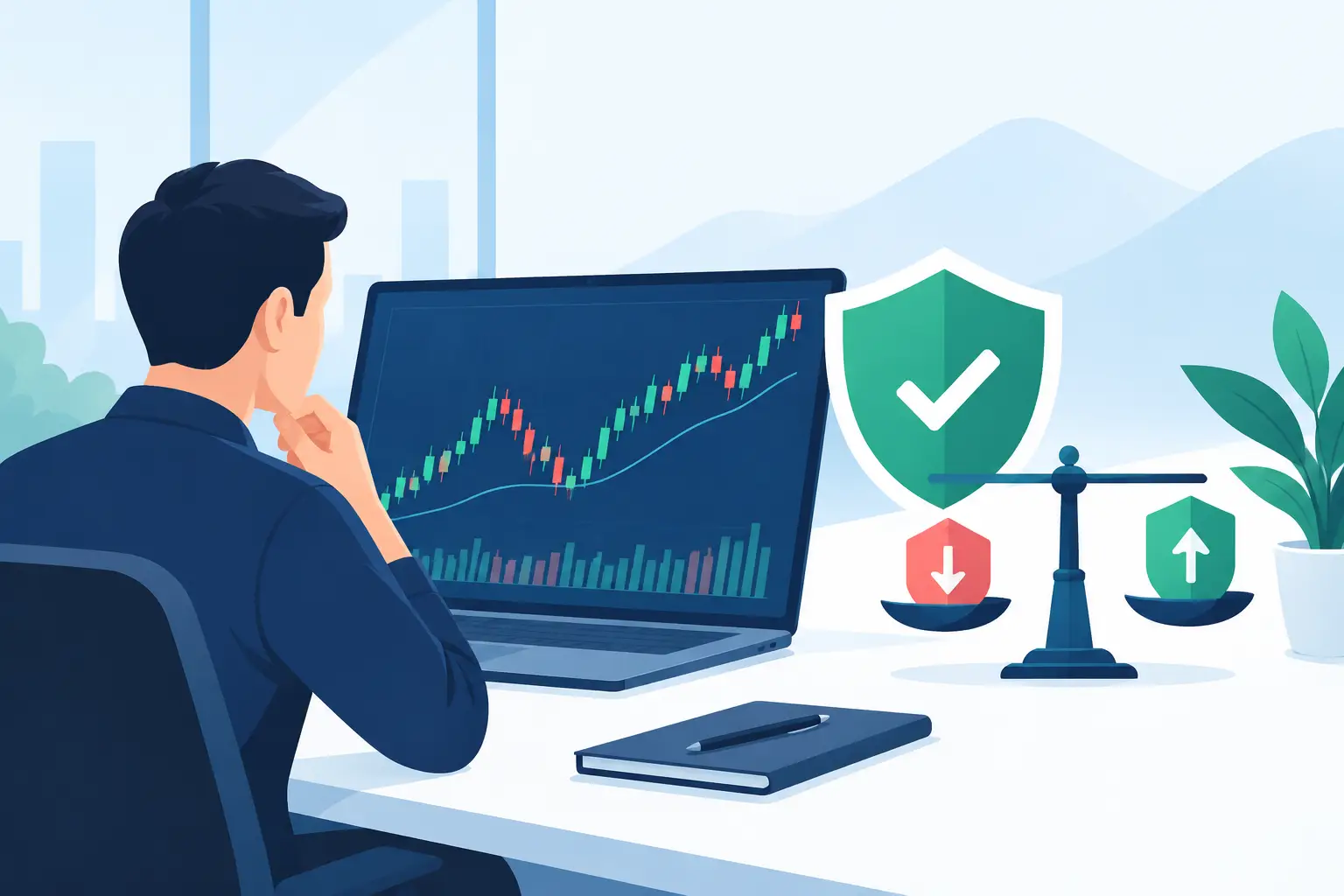
Leverage is often treated like a requirement, but it is better understood as an account feature. You do not need to use maximum leverage just because it is available. Higher leverage reduces the margin required to open a position, but it also increases exposure to price swings.
This is one of the biggest trade-offs in forex and CFD trading. More leverage can improve capital efficiency, especially for experienced traders managing risk carefully. It can also magnify losses quickly if your position size is too large for your account.
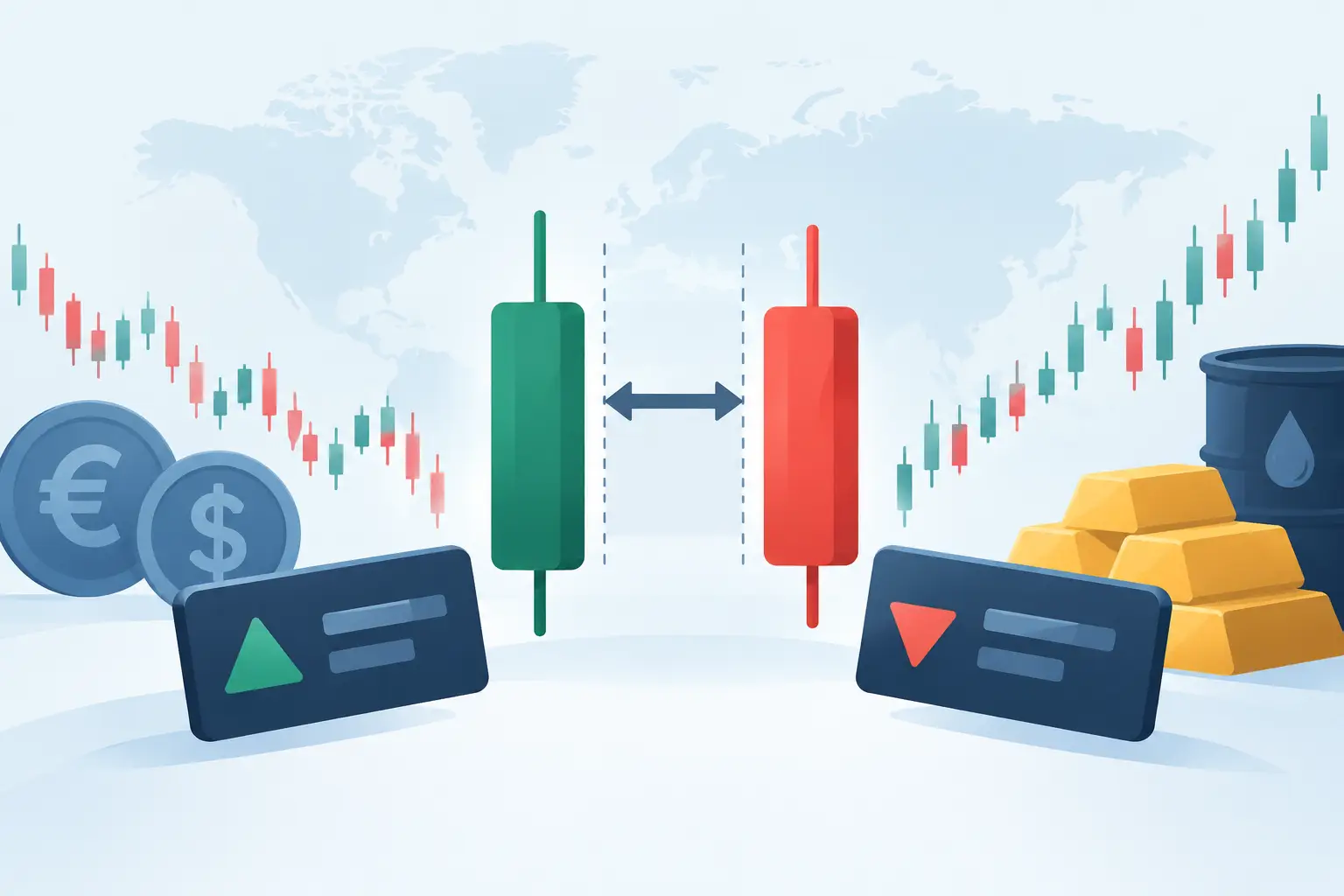
Product access may also vary by account and region. Some traders focus only on major forex pairs. Others want indices, commodities, crypto CFDs, or stock CFDs in the same environment. A broker with broader market access can make that easier, but available instruments still depend on jurisdiction and account setup.
Technology and platform requirements
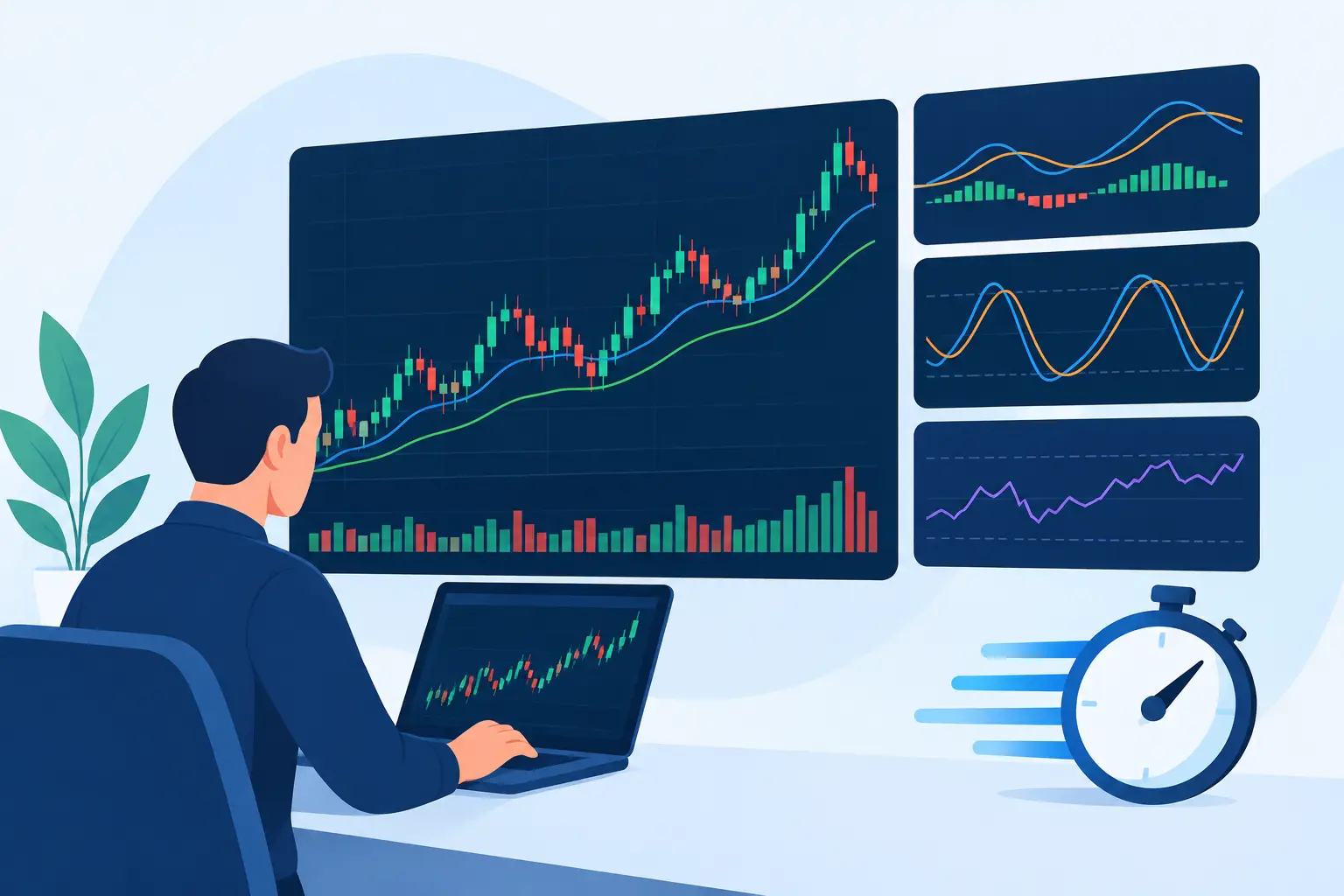
You do not need a powerful trading desk to get started, but you do need reliability. A stable internet connection, a secure device, and access to your preferred platform are the real minimums. Mobile trading is convenient, though many traders still prefer desktop or web-based platforms for charting and order management.
If speed and flexibility matter to you, look at the platform ecosystem before registering. Some traders want Expert Advisors on MT4 or MT5. Others want copy functionality, cleaner chart layouts, or specific order controls. The platform is not just a screen – it affects how efficiently you execute your strategy.
At Monaxa, this kind of flexibility is part of the appeal for traders who want access through familiar platforms without adding unnecessary complexity to the onboarding process.
Common reasons applications get delayed
Most delays are avoidable. The biggest issues are incomplete verification, mismatched personal details, unsupported payment methods, and submitting documents that do not meet the broker’s requirements. Even small discrepancies, like a shortened name on one document and a full legal name on another, can slow approval.
Jurisdiction is another factor. Some traders complete registration only to discover that certain products, promotions, or account options are not available in their location. Checking availability early saves time.
There is also the issue of expectation mismatch. Some beginners expect instant live access with no review. In reality, a broker still needs to verify identity, assess eligibility, and confirm that account funding meets policy requirements. Fast onboarding is realistic. No-check onboarding is not.
How to prepare before opening an account
The smartest approach is simple. Decide what you want to trade, confirm your country is supported, prepare your ID and proof of address, choose a payment method in your own name, and review the minimum deposit for the account type that fits your goals.
If you are new, think beyond the minimum. Consider whether you want room for risk management, whether you need platform features like MT5 or cTrader, and whether you plan to trade yourself or follow another model such as copy trading. The right setup is not always the cheapest one. It is the one that gives you clean access to the markets you want, under conditions you can actually manage.
A forex account is easy to open when your documents are ready and your expectations are realistic. The better question is not just whether you qualify, but whether your account setup matches the way you plan to trade. Start there, and the registration process tends to move a lot faster.