 English
 Portuguese
 Bahasa
Melayu
Bahasa
Melayu ไทย
ไทย 中文
中文 Tiếng Việt
 Español
 हिन्दी
 日本語
日本語 العربية
A trader can place dozens of well-planned positions in a month and still feel the effect of spreads, commissions, swaps, and other trading-related costs. Loyalty rewards for traders are designed to recognize that ongoing activity by adding practical value back into the trading experience. They are not a shortcut to profitable trades, and they do not remove market risk. Used with clear rules and realistic expectations, they can make an active trading setup more efficient.
For traders who already have a process, the question is not whether a reward program looks attractive on a banner. The real question is whether its benefits fit the way they trade, fund an account, and manage risk across forex, indices, commodities, crypto CFDs, or stock CFDs.
What Loyalty Rewards for Traders Are Designed to Do
A broker loyalty program generally rewards eligible account activity with points, credits, rebates, status benefits, or access to selected services. The structure varies by provider. Some programs calculate rewards from trading volume, while others may consider deposits, account tenure, campaigns, or participation in specific products.
The purpose is straightforward: active clients receive added value for continuing to use the brokerage ecosystem. Depending on the program terms, earned rewards may be exchanged for trading-related benefits, account credits, platform features, promotional offers, or other available rewards.
This matters because not every trader values the same thing. A frequent intraday trader may focus on cost-related benefits. A trader building experience on a demo-to-live journey may place more value on practical tools or account incentives. Someone using copy trading or PAMM solutions may care more about whether rewards fit their broader participation model than about a single trade-level rebate.
The strongest programs give traders clear visibility. You should be able to see how rewards are earned, when they become available, whether they expire, and what conditions apply when redeeming them. A reward that is difficult to calculate or use has less practical value than one with transparent terms.
Rewards Can Improve Efficiency, Not Trade Quality
The key distinction is simple: loyalty benefits may improve the economics around trading, but they cannot improve the quality of a trading decision.
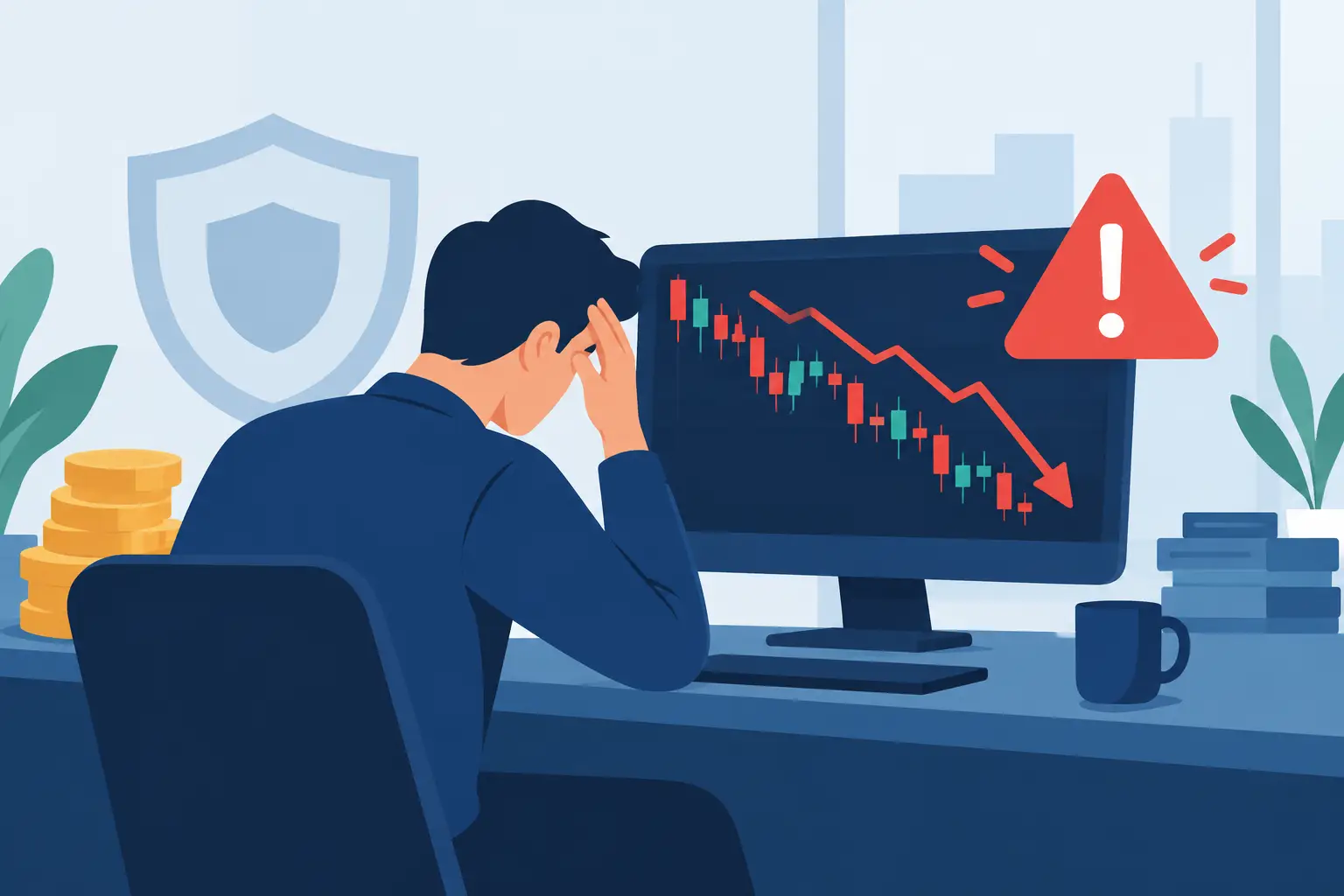
A trader who enters without a stop-loss, overuses leverage, or trades during volatile news releases without a plan still carries the same market exposure. A loyalty balance does not turn an unfavorable setup into a favorable one. It should never become a reason to increase position size, trade more frequently, or hold a losing position longer than the strategy allows.
Instead, think of rewards as a secondary efficiency layer. If you were already planning to trade a particular market with a defined strategy and risk limit, eligible activity may generate value that supports your overall account experience. This is different from trading solely to reach a points threshold.
That difference is especially important with leveraged products. Leverage can magnify both gains and losses, and CFDs are complex instruments that can move quickly. No promotion, reward, or bonus should override position sizing, margin awareness, and a disciplined exit plan.
The cost conversation deserves context
Trading costs are not limited to one number. Depending on the account type and instrument, traders may encounter spreads, commissions, overnight financing, currency conversion charges, or fees linked to payment methods. A loyalty program may help offset some eligible costs or provide a benefit with its own value, but it does not automatically make every strategy cost-effective.
For example, a high-frequency approach can generate significant volume, but it can also create more exposure to spread and commission costs. A long-term CFD position may trade less often yet accumulate overnight financing. The right approach is to assess your complete trading conditions first, then treat rewards as an additional consideration.
How to Evaluate a Trading Loyalty Program
Before making rewards part of your decision process, read the terms with the same care you would apply to an account specification. A few details determine whether a program is genuinely useful for your style.
First, look at eligibility. Some instruments, account types, regions, promotional periods, or trading activities may not qualify. If you primarily trade a market excluded from the program, the advertised reward rate will not reflect your actual experience.
Next, understand the earning formula. Volume-based systems may use lots, notional volume, or another calculation. The difference matters. A trader who takes several small positions may earn differently from one who takes fewer positions with larger nominal exposure, even if both risk a similar percentage of capital.
Then check redemption conditions. Can points be exchanged immediately? Is there a minimum balance? Are rewards credited as cash, trading credit, fee-related benefits, or access to specific products? If a reward is issued as trading credit, review withdrawal conditions and any limits on how the credit can be used.
Finally, consider timing. Some programs credit points in real time, while others update after a trading day, week, or campaign period. Expiration dates can also change the calculation. A benefit is most useful when it fits your funding cycle and the frequency of your trading activity.
Use Rewards Without Letting Them Drive Your Strategy
A disciplined approach begins before you place a trade. Define the market, entry condition, risk per position, maximum daily loss, and exit criteria. Once that structure is in place, loyalty activity becomes a byproduct of execution rather than the objective.
It can help to review rewards on a fixed schedule, such as once per month, rather than watching point totals while trading. This reduces the temptation to add unnecessary positions near the end of a campaign or to chase a higher reward tier. The same principle applies to deposit-related offers: fund an account based on your trading plan and financial circumstances, not simply because an incentive is available.
Traders who use more than one platform should also consider where activity is recorded. A brokerage ecosystem may offer MT4, MT5, cTrader, or copy-based solutions, but the loyalty rules may differ by platform, account, or service. Confirm this before splitting activity across accounts.
At Monaxa, platform choice and broad market access can support different approaches, from self-directed trading to social and managed participation. The practical step is to select the account and platform that fit your execution needs first, then review which available loyalty benefits apply to that setup.
When Rewards Matter Most
Loyalty benefits tend to carry the most relevance for traders who are already active, consistent, and cost-aware. A trader with a repeatable strategy can evaluate rewards against actual volume and account behavior over time. The value is easier to measure because the underlying activity is already intentional.
For newer traders, rewards can still be useful, but education and risk control should take priority. Learning platform functions, understanding margin, testing a strategy, and keeping trade sizes appropriate will do more for long-term decision-making than chasing a promotion. A small reward attached to poorly managed risk is not an advantage.
The same applies to copy trading and PAMM participation. Review the strategy provider, performance history, drawdown profile, fee structure, and allocation terms independently. Loyalty rewards may be a welcome extra, but they should not be the deciding factor in allocating capital to another trader or money manager.
A Better Way to Measure the Value
Rather than judging a program by a headline offer, measure its value after a defined period. Compare the rewards earned with your eligible activity, total trading-related costs, and whether your behavior stayed aligned with your plan. If earning a benefit caused you to overtrade or deviate from your risk rules, the program did not add real value.
The most useful loyalty rewards support the trading activity you would have conducted anyway. Keep your strategy in control, read the conditions carefully, and let any earned benefit remain exactly what it should be: an added advantage around a disciplined market participation plan.