 English
 Portuguese
 Bahasa
Melayu
 ไทย
 中文
 Tiếng Việt
 Español
 हिन्दी
 日本語
 العربية

A trade can look perfect on the chart and still open or close at a less favorable price than expected. That gap is slippage, and slippage reduction is a practical priority for traders who want tighter control over entries, exits, and risk in fast-moving forex and CFD markets.
Slippage is not automatically a sign that something has gone wrong. Markets move continuously, prices can change between the moment an order is sent and the moment it is filled, and liquidity can thin without much warning. The goal is not to expect every order to fill at one exact price. It is to understand the conditions that create slippage and make better decisions around them.
What Slippage Means in Real Trading
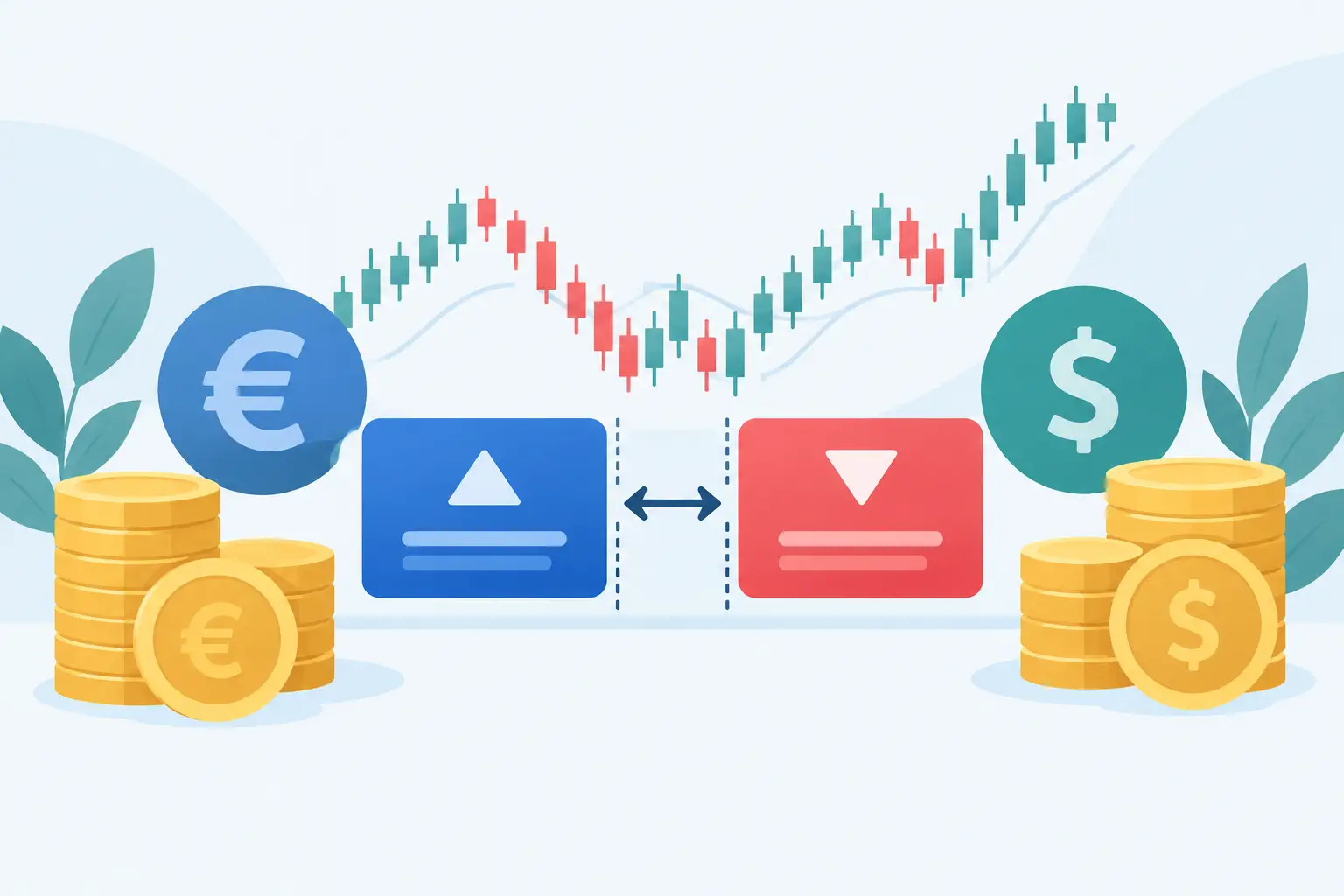
Slippage is the difference between the price you expect and the price at which your order is executed. If you place a market buy order for EUR/USD at 1.08500 and it fills at 1.08508, you experienced eight points of negative slippage. If the order fills at 1.08496, that is positive slippage.
The distinction matters. Slippage can work in either direction, although traders tend to focus on unfavorable fills because those directly affect cost, stop-loss outcomes, and short-term strategy performance. During calm, liquid trading conditions, the difference may be small. During a major news release or sudden market repricing, it can be materially larger.
Slippage is also different from the spread. The spread is the quoted difference between bid and ask prices before execution. Slippage occurs when the available execution price changes while your order is being processed. Both affect trading costs, but they come from different market mechanics.
Why Slippage Happens
Price movement is the central cause. A market order asks to be filled at the best available price, not necessarily the price visible when you clicked Buy or Sell. If prices move quickly, the next available price may be different.
Liquidity is another major factor. Highly traded instruments often have more buyers and sellers available near the current market price. Less liquid pairs, individual stock CFDs, niche ETFs, and certain crypto CFD markets may see larger price gaps, especially outside their most active trading hours.
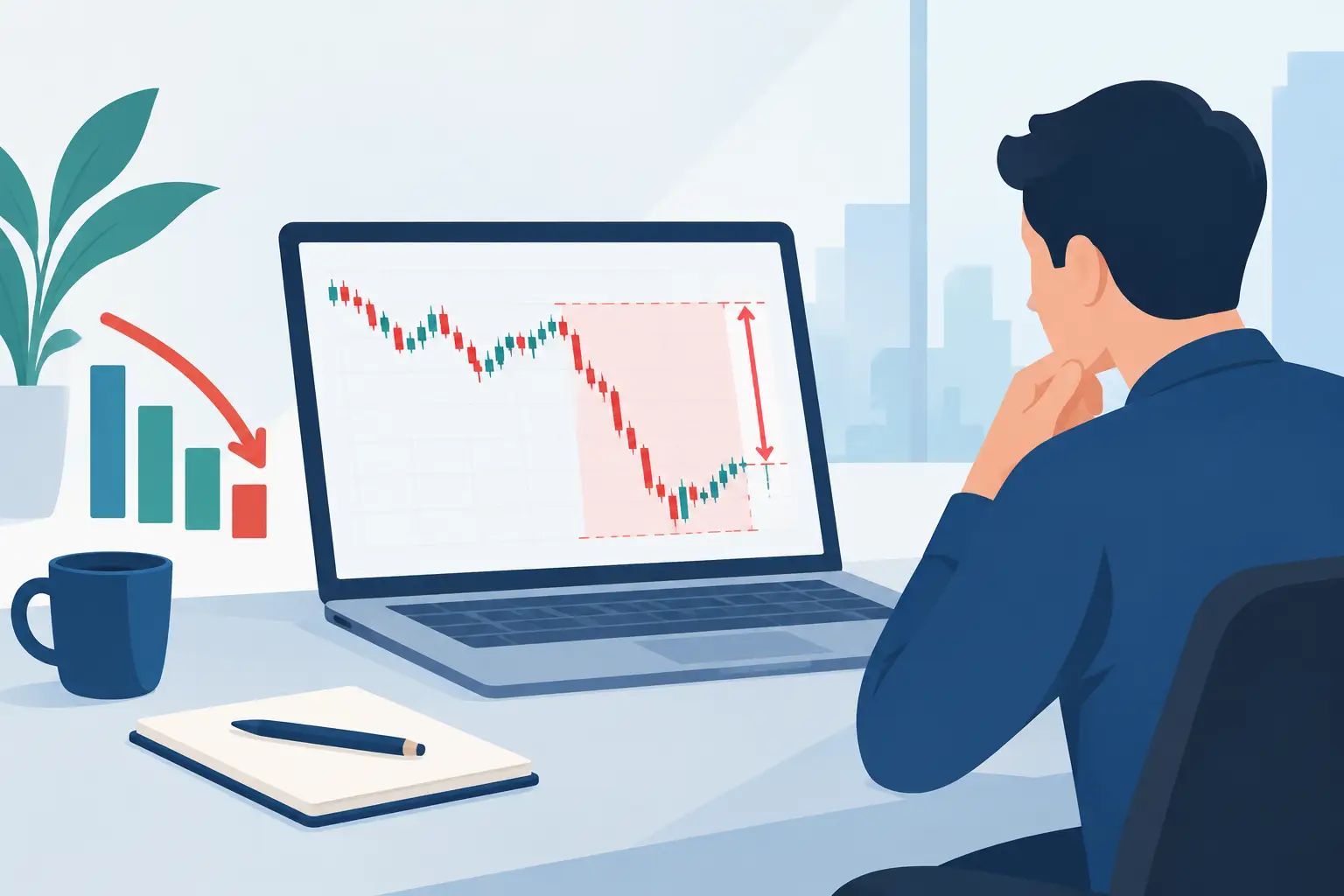
Volatility can magnify the effect. Economic data, central bank decisions, earnings reports, geopolitical headlines, and unexpected risk events can cause prices to jump through multiple levels in moments. A stop-loss order may then be filled at the next available market price rather than precisely at the stop level.
Order size matters as well. A larger order may not be fully matched at one price if there is limited volume available at that level. The market can fill portions of the order at progressively less favorable prices. For active traders, this is why execution quality should be reviewed alongside strategy results, not treated as a minor operational detail.
Slippage Reduction Starts Before You Place an Order
The strongest slippage reduction habits happen before execution. First, know when your instrument is usually most liquid. Major forex pairs often see deeper activity when key global trading sessions overlap. Equity-index and stock CFD activity can be strongest around the underlying market’s core hours. Trading when participation is higher does not remove risk, but it can improve the odds of orderly pricing.
Second, treat scheduled news as a separate market environment. Trading a breakout five minutes before a major inflation release is not the same as trading that setup during a quiet session. Wider price swings may be exactly what a high-risk strategy seeks, but traders should accept that fills and stop-loss results can be less predictable during those periods.
Third, size positions for the conditions, not only for the chart pattern. A position that is manageable in normal conditions may carry more execution risk during volatility. Reducing size can give a trade more room to absorb a wider-than-expected fill without disrupting the overall risk plan.
Check the Full Trading Cost
A narrow spread alone does not tell the full story. Consider the spread, possible slippage, commissions where applicable, overnight financing, and the likely holding period. A short-term trader may be especially sensitive to small execution differences because the intended profit target can be close to the entry price.
For swing traders, a few points of slippage may have less impact relative to a larger target, but gaps around weekend risk or major events can still change the outcome. The right approach depends on the instrument, time frame, and trading plan.
Choose Order Types That Match Your Intent
Market orders prioritize participation. They are useful when entering or exiting promptly matters more than securing a specific price. The trade-off is that the final fill can differ from the visible quote, particularly in fast conditions.
Limit orders prioritize price. A buy limit instructs the market to buy only at the limit price or better, while a sell limit instructs it to sell only at the limit price or better. This can help control entry cost, but there is no guarantee the order will be filled. Price may touch the level briefly, available liquidity may be limited, or the market may reverse before your order executes.
Stop orders require particular care. A stop-loss is an essential risk-management tool, but it is commonly triggered into a market order once its trigger level is reached. In a sharp move, execution can occur beyond the stop price. That is why stop placement should reflect realistic market volatility rather than an arbitrary number of points.
For traders using MT4 or MT5, the order ticket is more than a confirmation screen. Review volume, order type, stop-loss and take-profit levels, and the instrument selected before sending the order. A few extra seconds of verification can prevent an avoidable mistake in a market where prices are changing quickly.
Build a More Disciplined Execution Routine
A repeatable routine helps separate normal market slippage from issues created by rushed decisions. Before entering, confirm the current spread, check whether high-impact events are imminent, and decide whether a market or limit order better suits the setup.
After the trade, compare the requested price with the fill price. Do this across different sessions, instruments, and news conditions. A single fill says very little. A record of 30 or 50 trades can reveal patterns: perhaps a strategy performs best during liquid hours, or perhaps its entries are too dependent on trading sudden price spikes.
Keep the review practical. Track the instrument, time of day, expected entry, actual entry, expected exit, actual exit, and whether scheduled news was involved. This information can show whether changes in timing, order selection, or position size could improve consistency.
Avoid Chasing a Moving Price
One common execution mistake is repeatedly canceling and re-entering orders as price moves. The trader sees a breakout, hesitates, then enters after several rapid candles have already printed. The resulting fill may be worse, the stop may need to be wider, and the original reward-to-risk calculation may no longer apply.
A better approach is to define the acceptable entry zone before the market reaches it. If price runs beyond that zone, let the trade go. Missed trades are part of disciplined trading. Chasing is often a response to emotion, not a valid execution plan.
Platform and Market Access Matter
Execution begins with trader decisions, but the trading environment also matters. A platform should give you clear pricing, dependable order controls, and access to the instruments you intend to trade. Monaxa provides access to global markets through familiar MT4 and MT5 platforms, allowing traders to manage forex and CFD positions from one trading environment.
That access does not eliminate market risk. No platform can hold a rapidly moving market at a static price when liquidity changes. What matters is having the tools to place the right order, monitor open risk, and adjust your approach as market conditions shift.
Use Realistic Expectations Around Volatility
Some strategies are built around volatility. News traders, momentum traders, and breakout traders may intentionally operate when slippage risk is elevated because they are pursuing larger price movement. There is nothing inherently wrong with that choice, provided the strategy has been tested under those conditions and position sizing reflects the risk.
Other strategies depend on precise entries and tight stops. For these approaches, avoiding thin liquidity and major scheduled announcements can be more valuable than finding another trade. Selectivity is often an execution advantage.
Slippage reduction is ultimately about preparation, not perfection. Trade when liquidity supports your strategy, use order types deliberately, size for volatility, and review actual fills over time. Better execution habits will not control the market, but they can help you control the decisions that are yours to make.