 English
 Portuguese
 Bahasa
Melayu
 ไทย
 中文
 Tiếng Việt
 Español
 हिन्दी
 日本語
 العربية

An intraday trade can become an overnight position faster than expected. If price has not reached your target by the market rollover time, the cost of holding it may change. Knowing when swap charges apply helps you assess the real cost of a trade before you decide to keep it open.
Swap is part of the trading conditions for many forex and CFD instruments. It is not an entry commission, and it is not determined by whether a trade is winning or losing. It is an overnight financing adjustment that can be charged or, in some cases, credited to your account when a position remains open past the broker’s daily rollover.
When do swap charges apply to open positions?
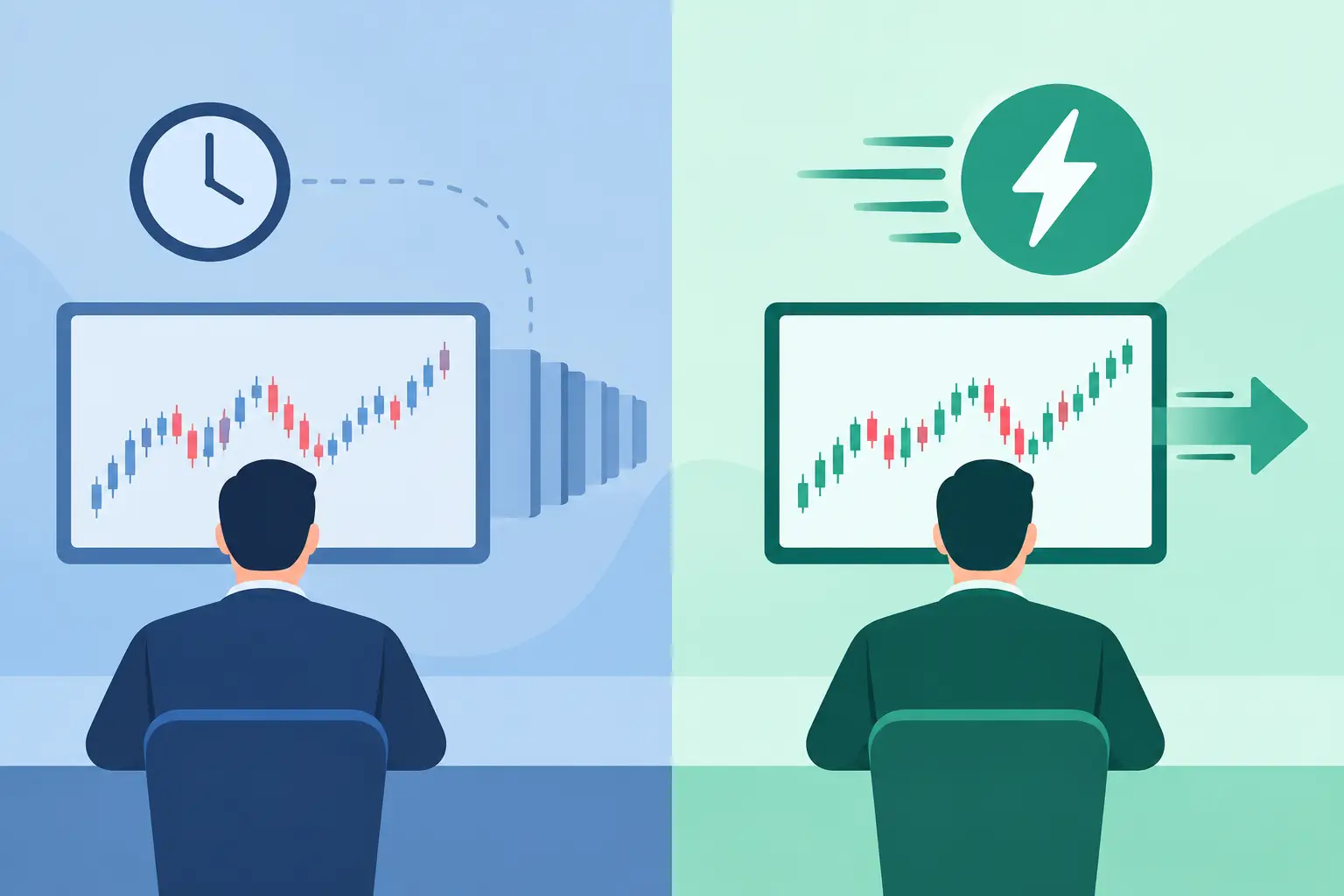
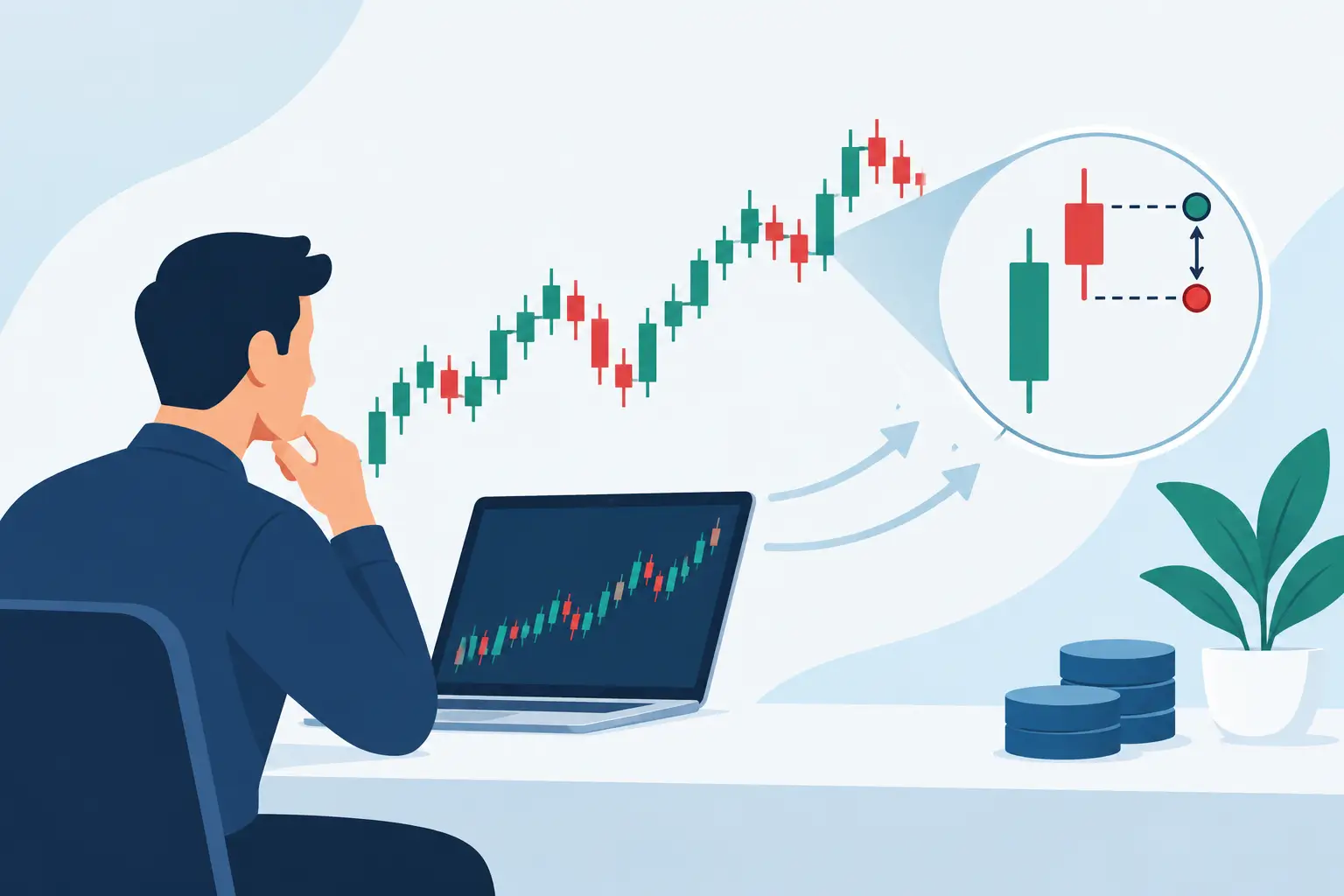
Swap charges generally apply when you hold a position open at the daily rollover time specified by your broker’s trading server. This is commonly near the end of the New York trading day, but the exact server time and schedule should always be checked in your platform’s instrument specifications.
The key factor is not how long the trade has been open in total. A position opened minutes before rollover can receive a swap adjustment, while a position held for most of the day and closed before rollover typically will not. For example, if you buy EUR/USD in the morning and close it before the daily cutoff, no overnight swap is normally applied. If you hold that same position through the cutoff, the applicable swap is posted to your account.
This applies to both long and short positions, although the rate may differ significantly by direction. A buy trade can have a negative swap while a sell trade has a smaller charge or a positive adjustment, and the reverse can also be true. Rates reflect the financing conditions of the specific instrument, not a simple rule that one side always pays.
Why brokers apply overnight swaps
Forex trading is built around currency pairs with different interest-rate environments. Holding a leveraged position beyond the trading day creates a financing exposure. Swap is the mechanism used to reflect that cost or credit.
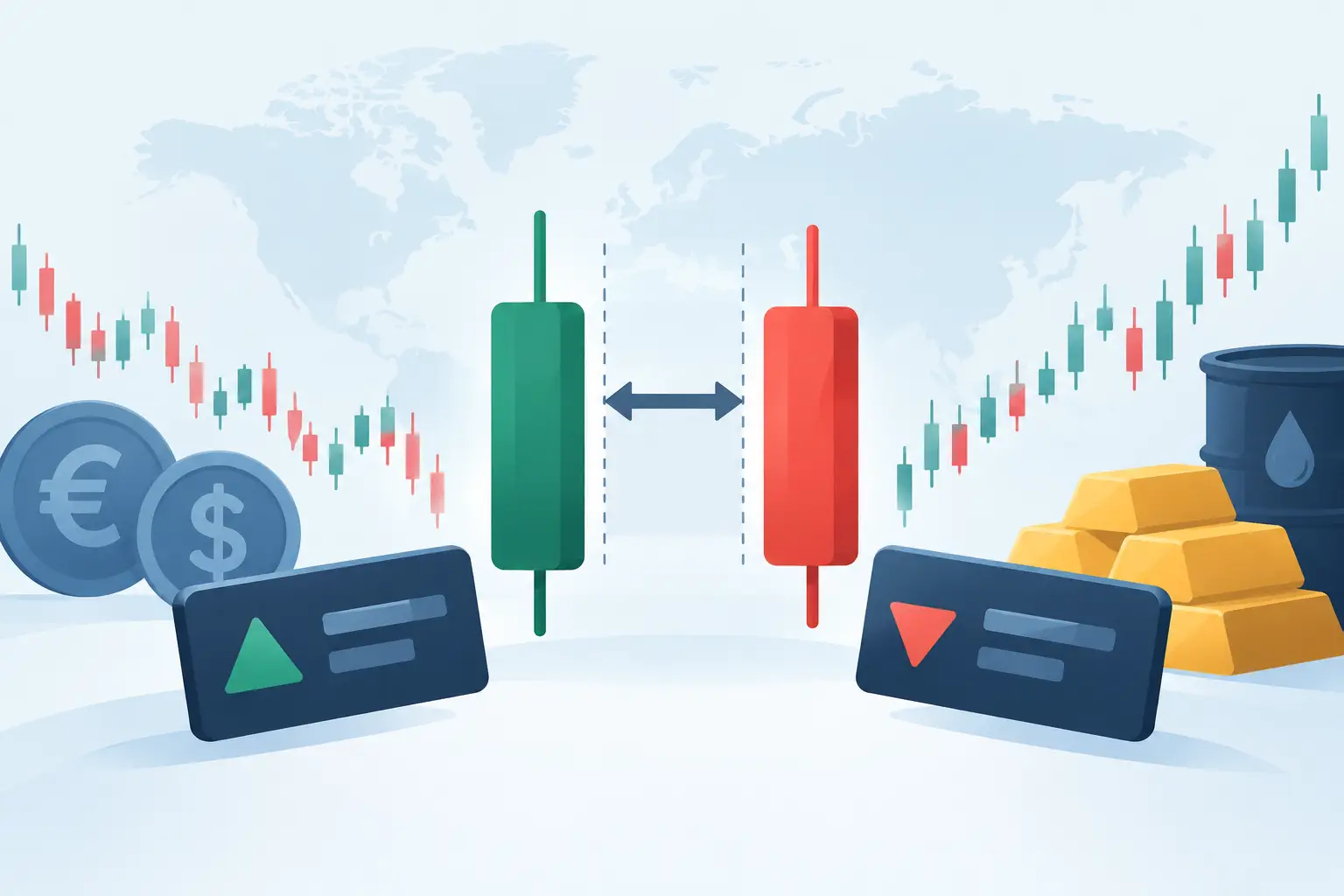
For CFDs on indices, commodities, stocks, ETFs, and crypto, overnight adjustments are also tied to the cost of maintaining leveraged market exposure. The underlying calculation varies by asset class and broker. That is why a trader should not assume that the swap logic or rate for gold will match the rate for a major currency pair.
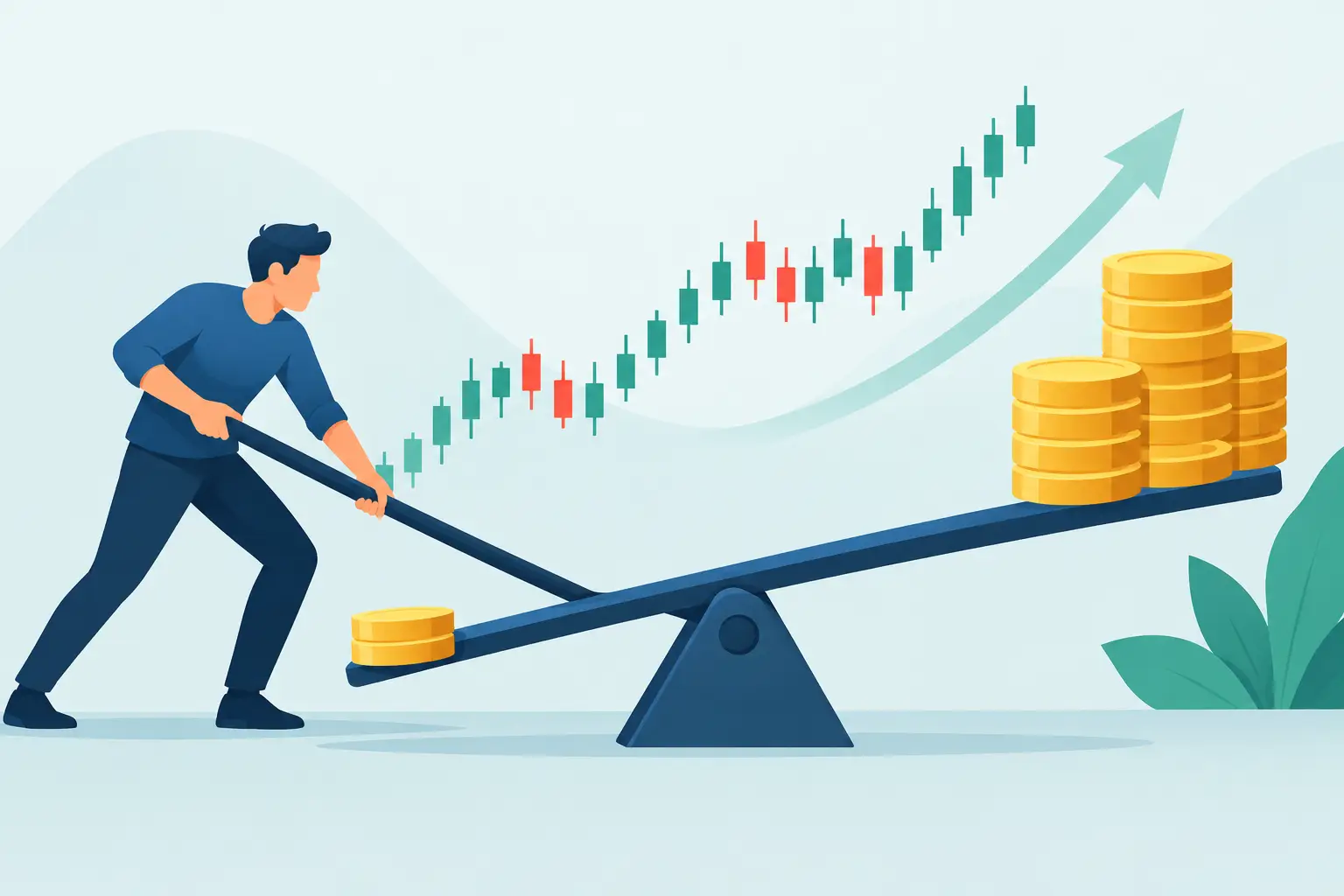
In practical terms, leverage makes this more relevant. You may only commit a portion of the position’s notional value as margin, but overnight financing is related to the exposure you are controlling. A position that appears inexpensive to open can become more costly to hold over several sessions.
The rollover time matters more than the calendar day
A common mistake is to think swap is charged at midnight in your local time zone. Trading platforms use broker server time, which can differ from your local clock. Daylight saving changes can also affect how rollover appears in your time zone.
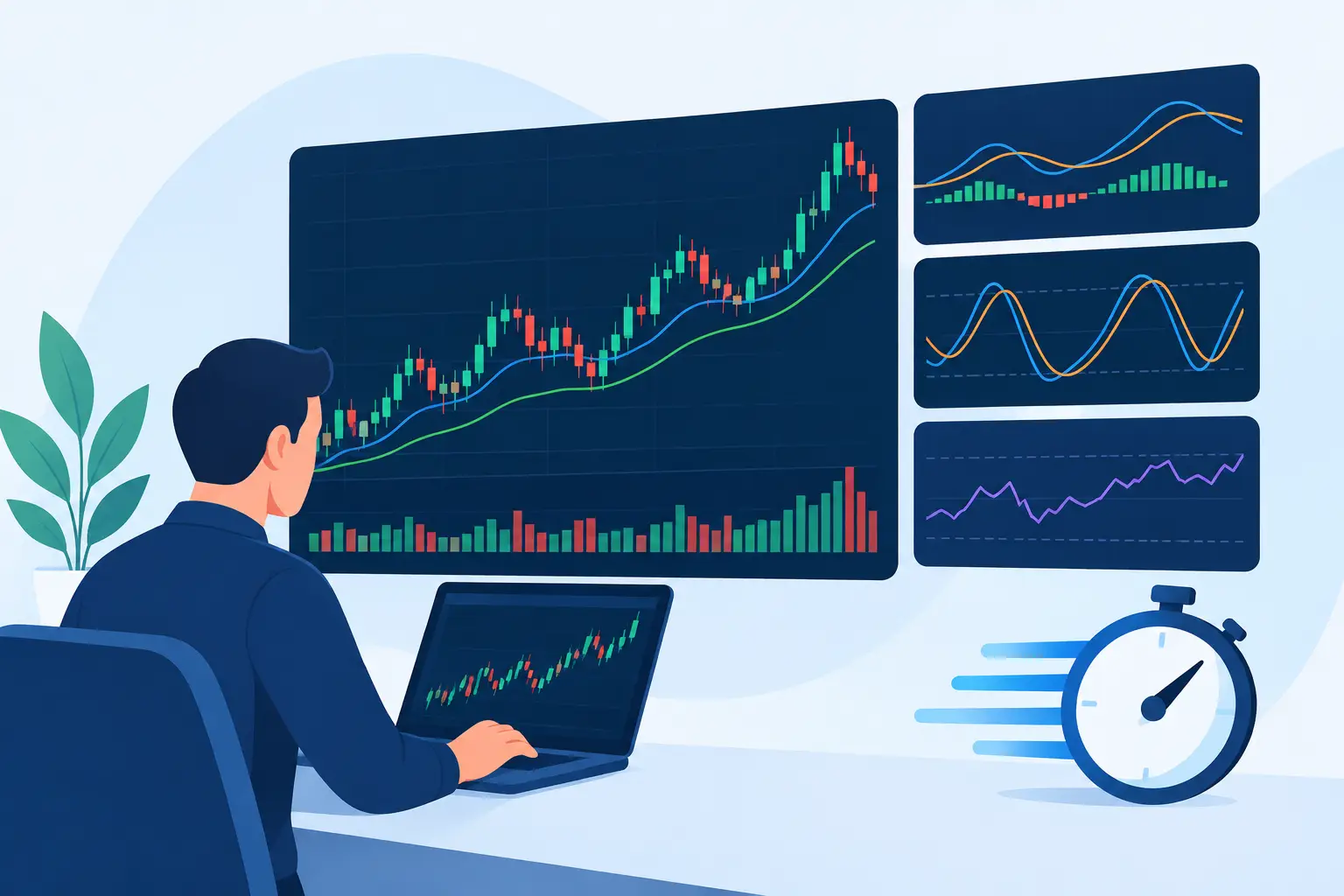
Check the contract specifications in MT4 or MT5 for each instrument you trade. These specifications typically show the long swap, short swap, contract size, and trading schedule. Your platform’s account history will show any swap that has already been booked.
If you trade around the rollover period, spreads may widen and market conditions may become less liquid. This does not mean every instrument will react the same way, but it is a reason to manage orders carefully. A tight stop loss can be more vulnerable during periods of changing liquidity and pricing.
What happens over the weekend?
Markets may be closed on Saturday and Sunday, but financing for the weekend still has to be reflected. Rather than post swap charges while markets are closed, brokers commonly apply a triple-swap adjustment on one designated weekday. For many forex instruments, this is often Wednesday rollover, covering Wednesday, Saturday, and Sunday value dates.
The schedule is not universal. Different instruments can have different triple-swap days, particularly shares, indices, commodities, and crypto CFDs. Holidays can also change the calculation or the day on which the adjustment is applied. Treat the instrument specification as the final reference before holding a position through multiple sessions.
How swap charges are calculated
The exact calculation is broker- and instrument-specific. It may use swap points, an annualized financing rate, the current price, contract size, and the volume of your trade. The result is converted into your account currency where applicable.
A simplified way to think about it is this: larger position size plus more rollover events usually means a larger total swap impact. The direction of the position and the instrument’s listed long or short swap rate determine whether the adjustment is a debit or credit.
Do not rely on a rough internet formula when planning a trade. The live rates displayed in your platform are more useful because swap values can change with market conditions, interest-rate decisions, liquidity, and the broker’s pricing structure. Before entering a swing trade, review the current long and short swap values for that exact symbol.
Which traders need to watch swaps most closely?
Swap has little impact on a strategy that consistently closes positions before the daily rollover. For swing traders, position traders, and traders using copy or managed strategies, it can be a meaningful part of net performance.
It deserves particular attention in four situations:
- You plan to hold leveraged forex or CFD positions for several days or weeks.
- You trade high-volume positions where a small daily rate can add up quickly.
- You carry positions through the triple-swap day or a market holiday.
- You compare strategies based only on price movement without including financing costs.
A trade can be directionally correct and still deliver a weaker result than expected if recurring swap debits are high. Conversely, a positive swap should not be the sole reason to open a trade. Market movement, spreads, volatility, margin requirements, and event risk remain central to the decision.
Can you avoid swap charges?
The most direct approach is to close the position before the daily rollover. That may suit short-term traders, but it is not always the right decision. Closing only to avoid one financing adjustment could force you out of a valid setup or create extra spread and execution costs when you re-enter.
Some brokers also offer swap-free account options for eligible clients under specific terms. These accounts may have restrictions on eligible instruments, holding periods, or other administrative charges. Swap-free does not automatically mean cost-free, so read the account conditions carefully before building a strategy around it.
The better approach is to make the holding cost part of the trade plan. Estimate how many rollover events your position may face, check whether a triple charge is approaching, and compare that expected cost with your target and risk limit. On Monaxa trading platforms, instrument specifications can help you review these conditions before committing to an overnight position.
A practical pre-rollover check
Before you hold a trade overnight, take a minute to review the symbol’s long and short swap rates, the platform server time, and the next rollover schedule. Then check your available margin. A financing debit can reduce free margin, which matters if your account is already supporting several leveraged positions.
Also consider whether a major event is due while the market is closed or before the next active session. Central-bank decisions, inflation data, earnings releases, and geopolitical headlines can create gaps and sharp repricing. Avoiding swap may not justify carrying unmanaged event risk, and accepting swap may be sensible if the position size and risk plan support it.
Swap is simply one of the conditions attached to holding leveraged market exposure past rollover. Once you know the timing, rate, and special-day schedule for the instrument in front of you, you can decide whether keeping the trade open supports your strategy rather than letting an overnight charge become a surprise.