 English
 Portuguese
 Bahasa
Melayu
Bahasa
Melayu ไทย
ไทย 中文
中文 Tiếng Việt
 Español
 हिन्दी
 日本語
日本語 العربية
一部のトレーダーはトレードをしたいと考えています。他の人たちはトレーディング需要を中心にビジネスを構築したいと考えています。インターナショナル・ブローカー(IB)になりたい場合、あなたは第二のカテゴリーに踏み込んでいます。ネットワークの強さ、顧客の信頼、そして適切なトレーダーを適切なブローカー環境に結びつける能力が報われるカテゴリーです。
インターナショナル・ブローカー(IB)は通常、取引を執行したり顧客の資金を保有したりしません。核心的な役割はよりシンプルでビジネス的です。適格な顧客をブローカーに紹介し、関係をサポートし、合意したパートナー構造に基づいて報酬を受け取ることです。適切な人にとって、それはオーディエンス、コミュニティ、トレーディングネットワーク、または地元の市場プレゼンスを継続的な収益チャネルに変えることができます。
インターナショナル・ブローカーになるとはどういう意味か
インターナショナル・ブローカーになることは、単なる市場参加者からトレーディングエコシステムのビジネスパートナーへと移行することを意味します。自分のポジションのみに集中するのではなく、顧客獲得、維持、そして長期的な価値に焦点を当てます。
インターナショナル・ブローカーになることは、単なる市場参加者からトレーディングエコシステムのビジネスパートナーへと移行することを意味します。自分のポジションのみに集中するのではなく、顧客獲得、維持、そして長期的な価値に焦点を当てます。
しかし、トレードオフがあります。モデルは外側からはシンプルに見えますが、すべてのIBビジネスが同じようにスケールするわけではありません。一部のパートナーは少数の高価値顧客に依存しています。他のパートナーは、コンテンツ、広告、イベント、またはコミュニティを通じて広範な小売パイプラインを構築します。成長経路は、誰を知っているか、どのようなオーディエンスにリーチできるか、そしてブローカーパートナーがコンバージョンとリテンションをどれだけうまくサポートするかによって異なります。
インターナショナル・ブローカーになることを検討すべき人
このパスは、すでに潜在的なトレーダーや投資家へのアクセスがある場合に最も意味があります。それはトレーディング教育オーディエンス、プライベートコミュニティ、地域ネットワーク、金融マーケティング業務、または市場分析を中心に構築された個人ブランドである可能性があります。
自分でトレードをすることにあまり興味がなく、配布に興味があるアントレプレナーにも機能します。リードジェネレーション、オンボーディング、関係管理が得意であれば、IBモデルは完全なブローカレッジや規制された資産マネージャーになろうとするよりも適しているかもしれません。
とはいえ、信頼性は重要です。オーディエンスがあなたを信頼していなければ、ブローカーに紹介してもうまく変換されません。また、レバレッジ商品への実質的な関心が低い人々でオーディエンスが構成されている場合、ファンネルの上部では量が良く見えても、アカウントと資金調達段階では弱くなる可能性があります。
実際にインターナショナル・ブローカーになる方法
最初のステップはモデルを選択することです。すべてのIBが同じように成長するわけではなく、これは多くの人が間違いを犯す場所です。実際にどのように顧客を獲得するかを決める前にパートナーとして登録してしまいます。
コンテンツオーディエンスがある場合、モデルは教育、プラットフォームのウォークスルー、市場コメンタリー、または製品比較を中心に展開するかもしれません。トレーダーへの直接アクセスがある場合、モデルはよりリレーションシップ主導になり、個人サポートとアカウントガイダンスを提供するかもしれません。コミュニティを運営している場合、優位性はトラフィック量よりも信頼とエンゲージメントから来るかもしれません。
第二のステップはブローカーパートナーを選択することです。この決断は、紹介した人がアカウントを開設し、資金を入金し、トレードを開始し、アクティブであり続けることがいかに簡単かを含む、その後のほぼすべてに影響します。パートナープログラムは魅力的なコミッションを提供するかもしれませんが、オンボーディングプロセスが遅かったりプラットフォームの範囲が限られていたりすると、コンバージョンが低下する可能性があります。
プラットフォームへのアクセス、製品の幅、支払い方法、アカウントタイプ、サポートの質、レポートの透明性を注意深く確認してください。顧客は柔軟性を提供するブローカーと留まる可能性が高くなります。MT4、MT5、cTrader、コピートレード、PAMMスタイルのソリューション、または一つのアカウント環境から複数の市場へのアクセスなどです。多くのIBにとって、リテンションは主要なコミッション条件よりも重要です。
The third step is understanding the commercial structure. Some programs pay on spread or trading volume. Others include CPA-style payouts, hybrid models, or sub-IB opportunities. None is automatically better. A CPA model may suit high-volume acquisition campaigns, while recurring revenue may suit partners focused on long-term client value. The right structure depends on your traffic quality and how active your referrals are likely to be.
Build your offer before you chase volume
A common mistake is treating the IB business like a pure referral link game. That usually leads to weak conversion and low client loyalty. Traders have many choices, and most will not register just because a link exists.
You need a reason for someone to choose you as the introducer. That could be market education, account onboarding help, localized support, platform guidance, strategy content, or community access. Your value does not have to be complicated, but it has to be clear.
This is especially true if you are targeting beginners. They are often less interested in commission structures and more interested in practical questions: Which platform should I use? What can I trade? How do deposits work? What account type makes sense? If you can reduce uncertainty, you become more than a referrer. You become the person who made market access feel manageable.
Marketing matters, but trust converts
The fastest-growing IBs usually understand both traffic and trust. Traffic creates opportunity. Trust turns attention into funded accounts.
Paid media can work if your economics are disciplined and your compliance process is tight. Organic channels can work if your content is specific and consistent. Community-led growth can work if members genuinely engage rather than just watch from the sidelines. There is no single best channel. What matters is fit.
If your audience is active on social platforms, short-form content and regular commentary may drive inquiries. If your audience is more relationship-based, webinars, direct conversations, or local networking may outperform public content. If you operate internationally, multilingual communication can become a major edge.
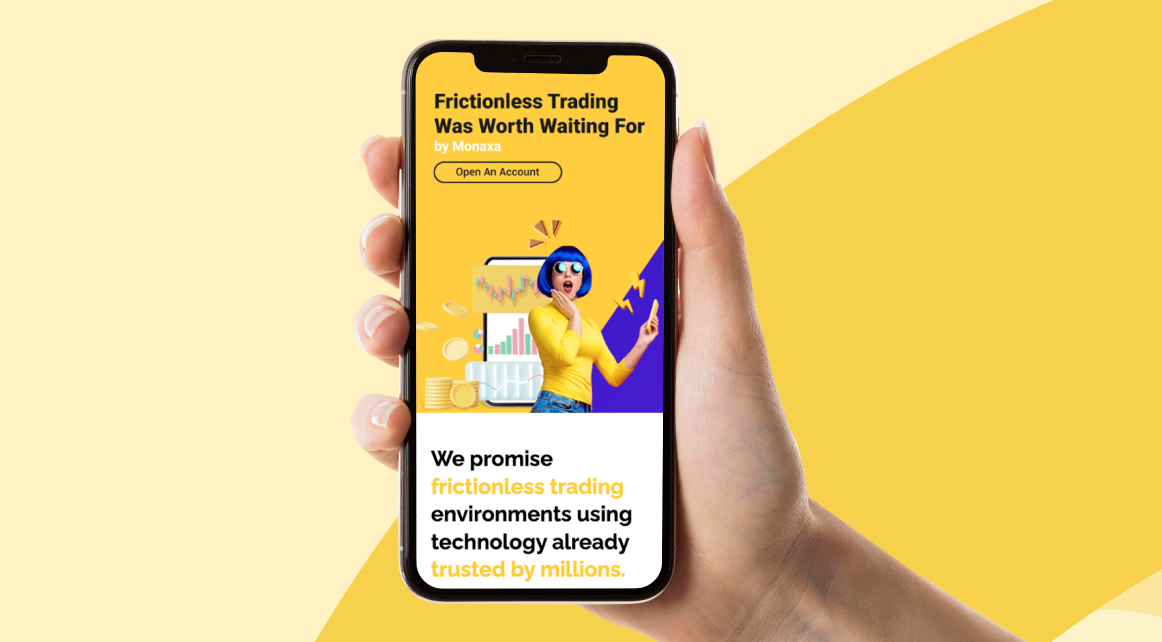
This is where a broker with a broad ecosystem can help. A partner is easier to promote when it gives clients more than one way to participate in the markets – self-directed trading, copy trading, managed solutions, and multiple platform options all expand your addressable audience. Monaxa, for example, is positioned around that wider access model, which can make the conversation easier when your referrals have different experience levels and trading preferences.
Compliance is not optional
Anyone looking to become an introducing broker should take compliance seriously from day one. The exact requirements depend on jurisdiction, your target market, and the structure of the partnership, but the larger point is simple: promotional activity in financial services comes with rules.
That affects how you market performance, how you describe products, what promises you make, and whether you provide education or advice. If you blur those lines, you create risk for yourself and for your broker relationship.
A practical mindset helps here. Be accurate, be clear about risk, and avoid making trading sound easy or guaranteed. Strong commercial messaging is fine. Unsupported claims are not. The more your business grows, the more important clean operating standards become.
What separates a part-time IB from a scalable one
The difference is usually not ambition. It is process.
A part-time IB often relies on informal referrals and inconsistent follow-up. A scalable IB tracks lead sources, measures registration rates, understands funding friction, and knows which client segments stay active longest. That turns growth from guesswork into a repeatable system.
Scalable partners also think beyond acquisition. They pay attention to client experience after sign-up. Are new users getting stuck during verification? Are they choosing the wrong account type? Do they understand the platform? Small improvements here can lift retention significantly.
There is also a timing factor. Some referred clients open an account quickly. Others need weeks of education before they fund and trade. If you stop communicating too early, you lose clients that were simply moving slower.
Is becoming an introducing broker worth it?
It can be, especially if you already have audience access and a clear commercial angle. The appeal is straightforward: lower operational complexity than running a brokerage, recurring revenue potential, and the ability to build around distribution rather than execution.
Still, it is not passive by default. A successful IB business needs positioning, relationship management, operational discipline, and a brokerage partner that helps rather than complicates the client journey. If any one of those is weak, growth gets expensive.
The strongest approach is to start with a real advantage. Maybe that is a niche audience, a region you understand well, a strong educational voice, or a network of traders who trust your guidance. Build around that advantage, choose your broker carefully, and treat the role like a business, not a side link.
If you want to become an introducing broker, the opportunity is real – but the people who win are usually the ones who make market access easier, clearer, and more credible for the clients they bring in.