 English
 Portuguese
 Bahasa
Melayu
Bahasa
Melayu ไทย
ไทย 中文
中文 Tiếng Việt
 Español
 हिन्दी
 日本語
日本語 العربية
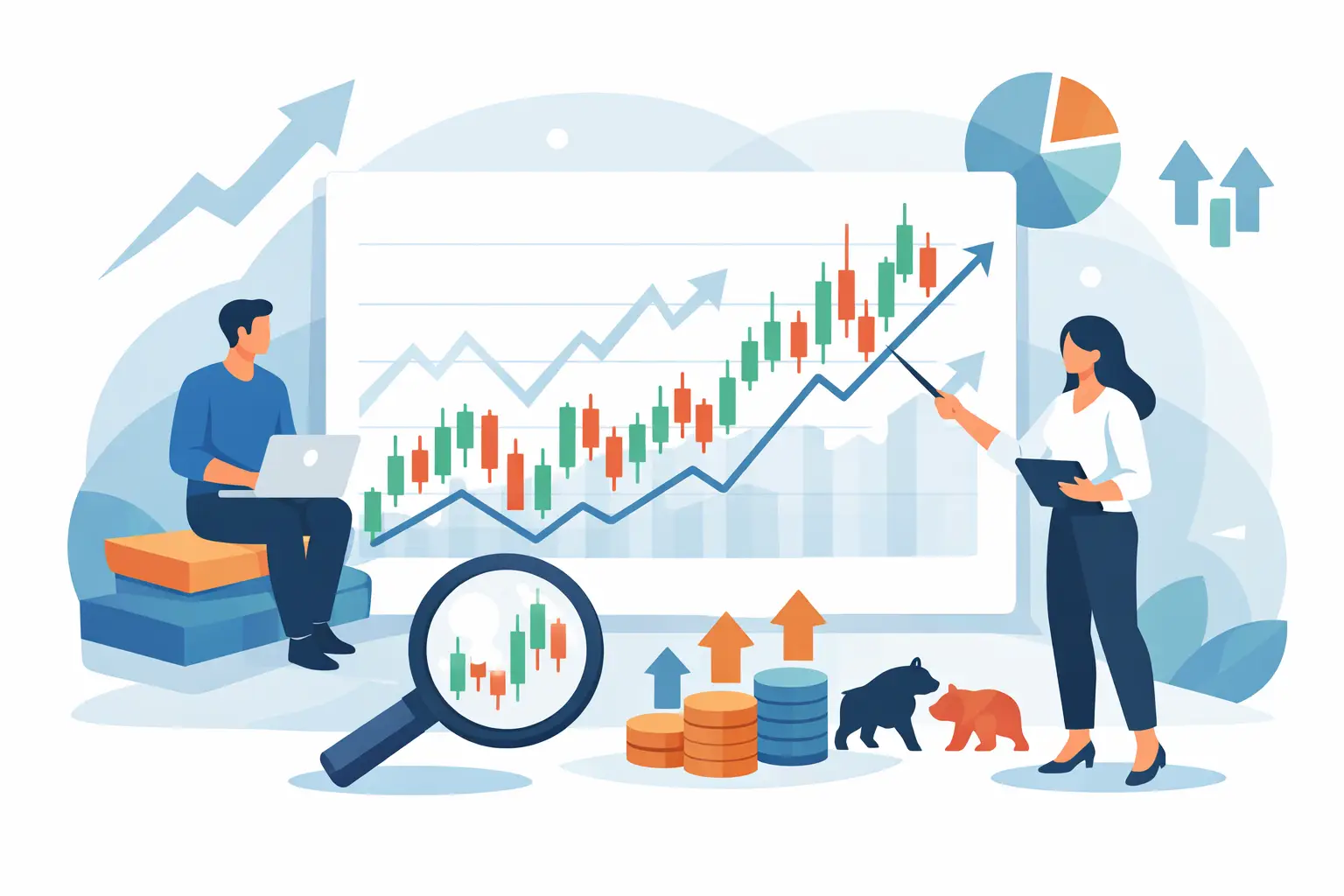
A lot of traders are drawn to fast-moving markets, then lose momentum the moment they open a platform and see dozens of symbols, order types, and leverage settings. That gap matters. If you want to trade CFDs effectively, the goal is not to be everywhere at once. It is to choose the right market, use the right position size, and stay in control when prices move quickly.
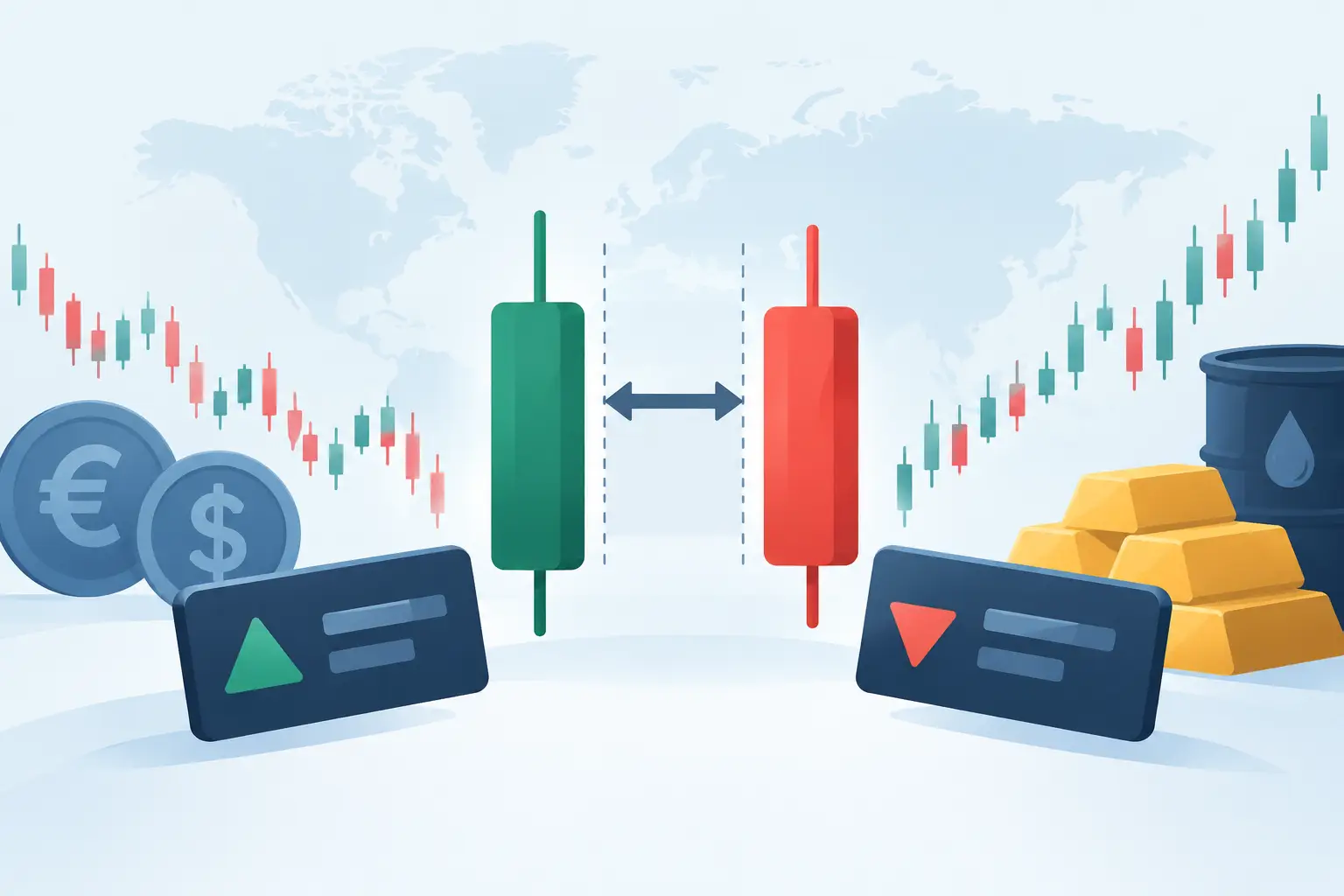
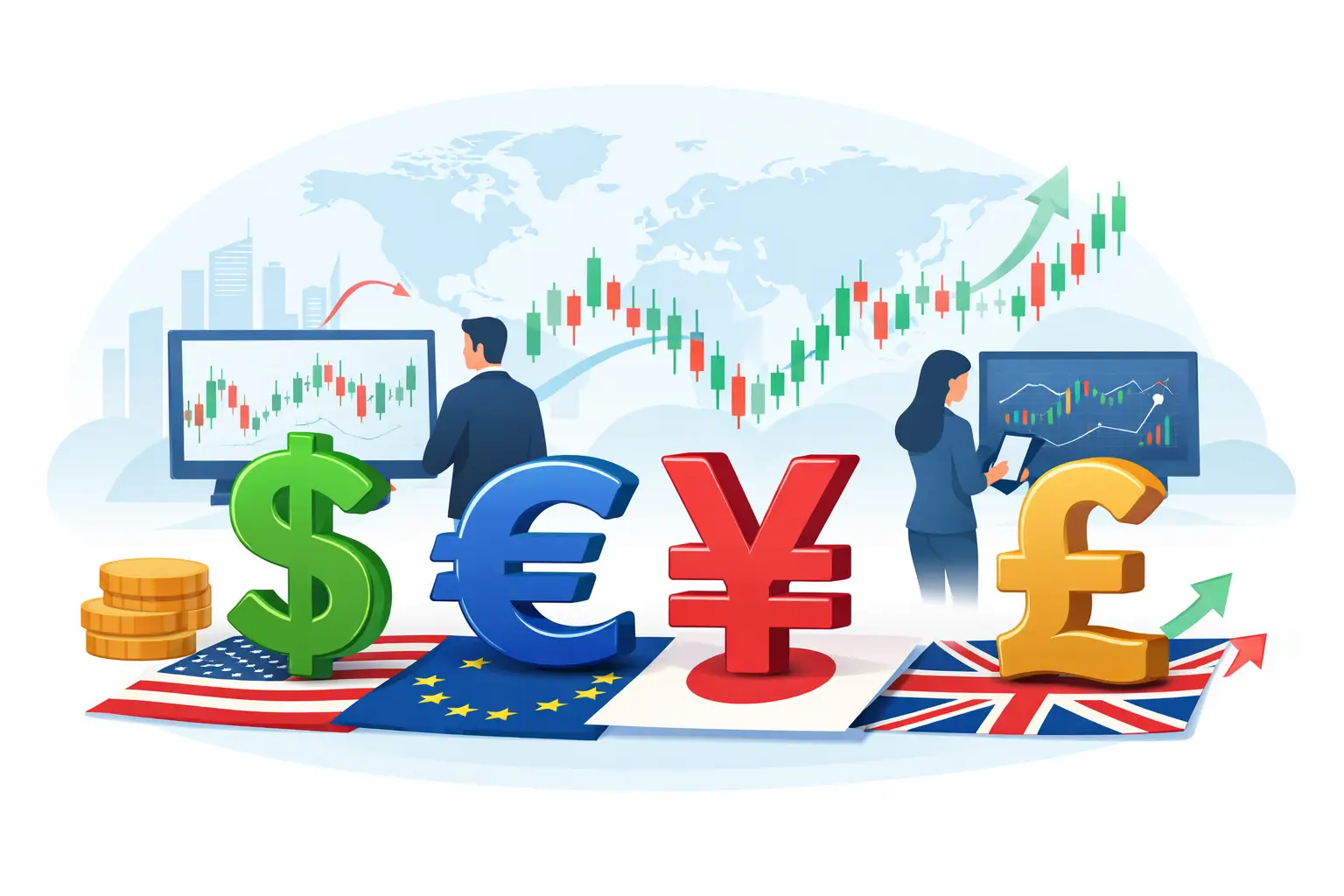
CFDs give retail traders access to price movements across forex, indices, commodities, stocks, and crypto without owning the underlying asset. That flexibility is a big reason they remain popular. It also means discipline matters from the first click, because leverage can amplify both opportunity and risk. Forex
What it means to trade CFDs
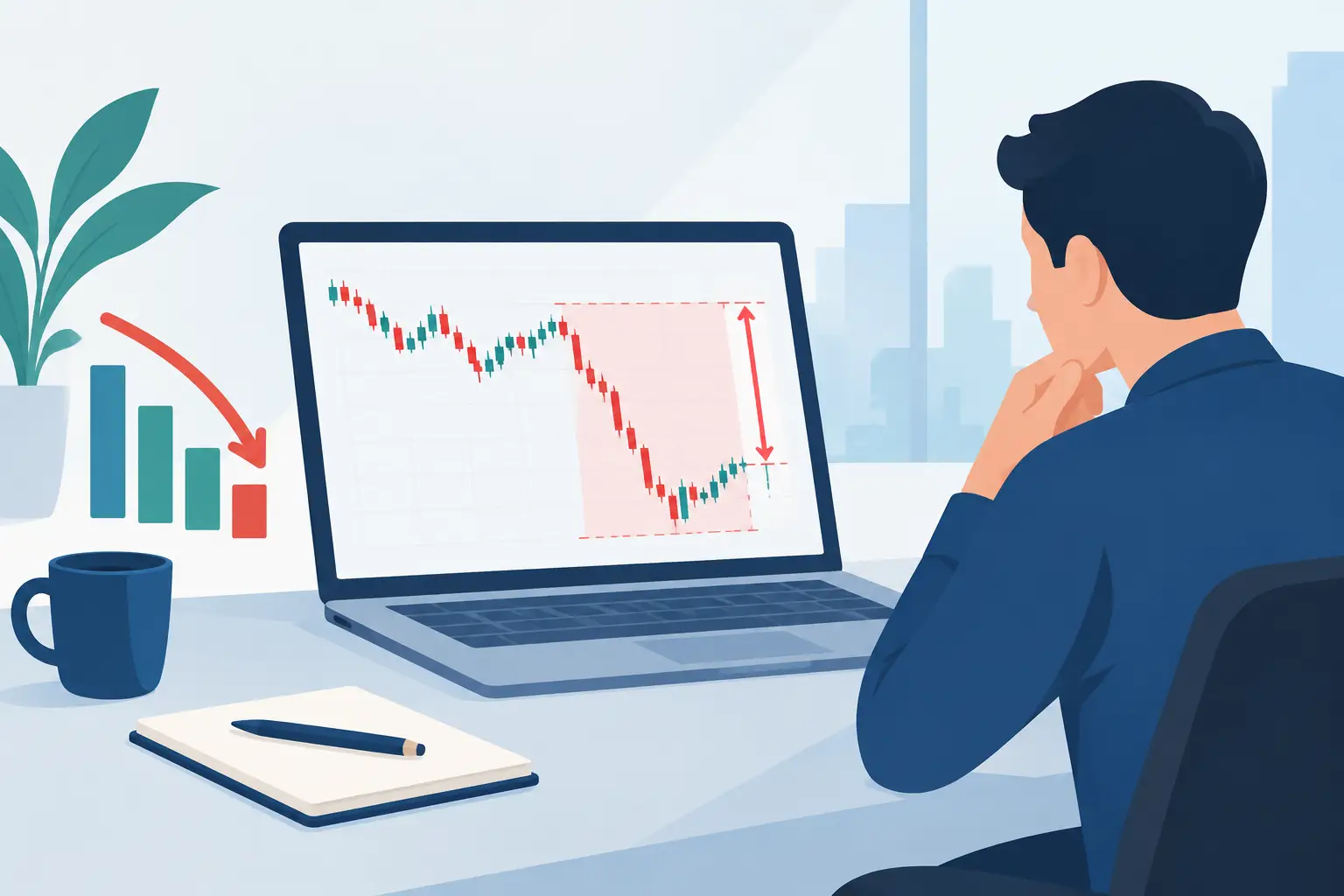
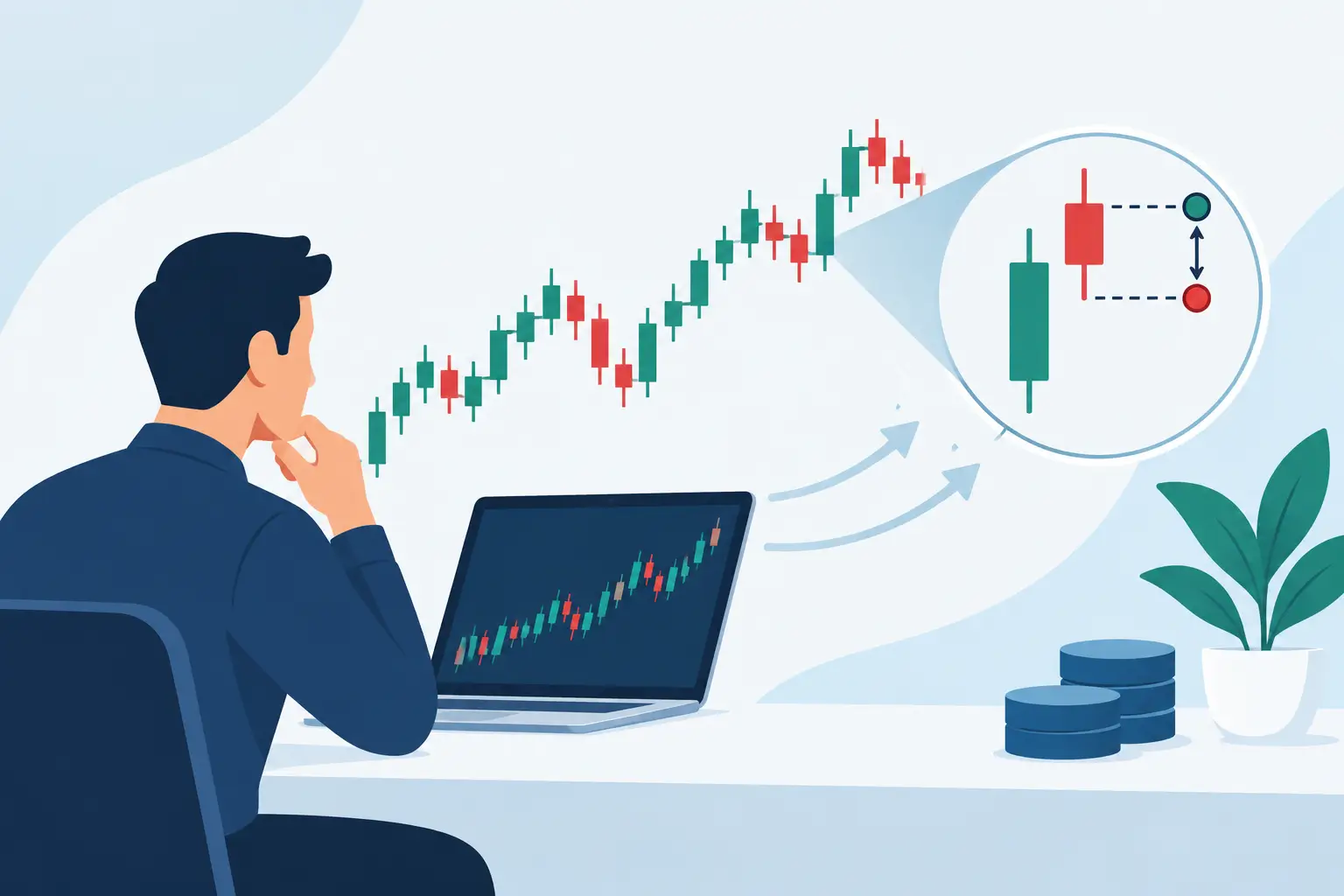
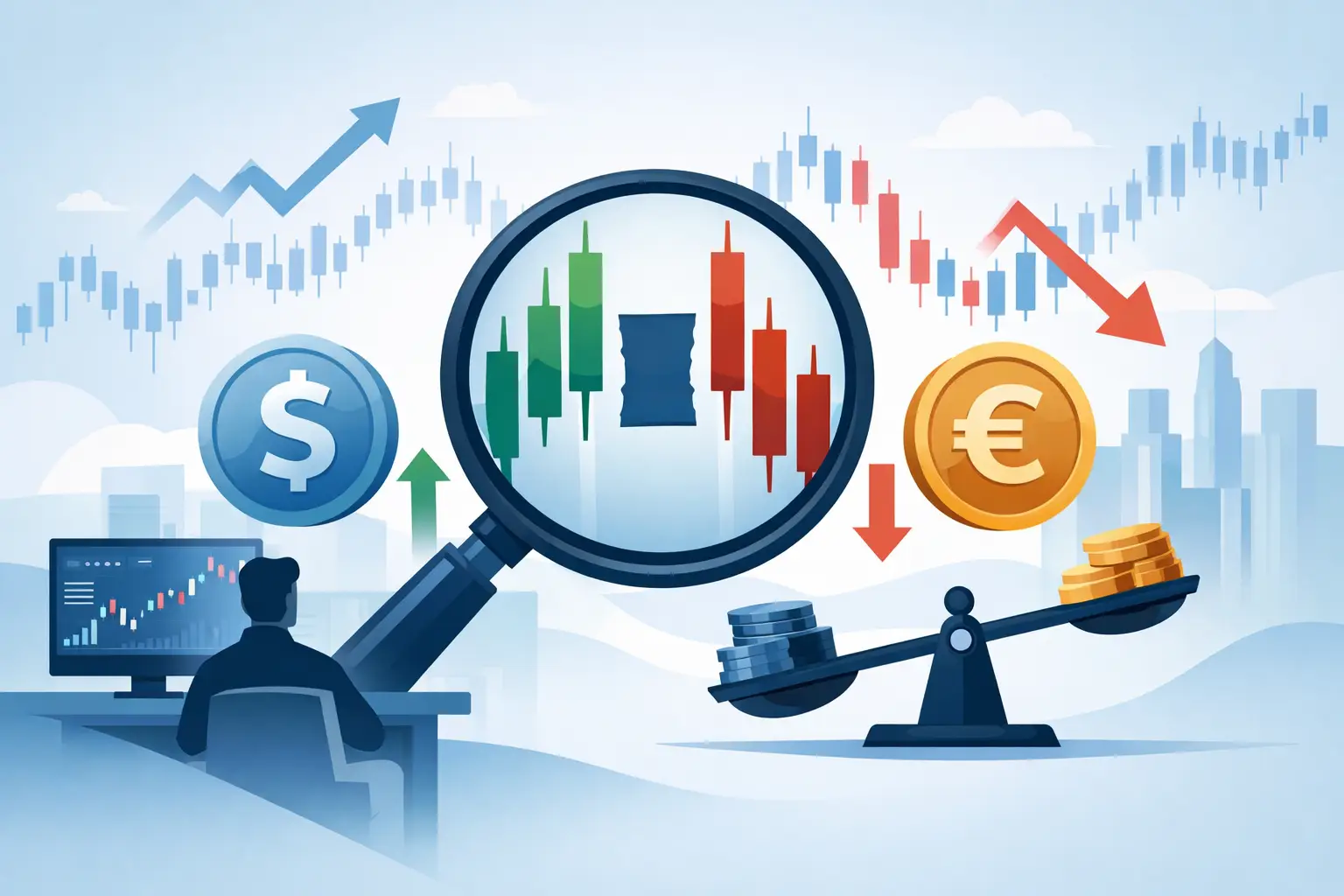
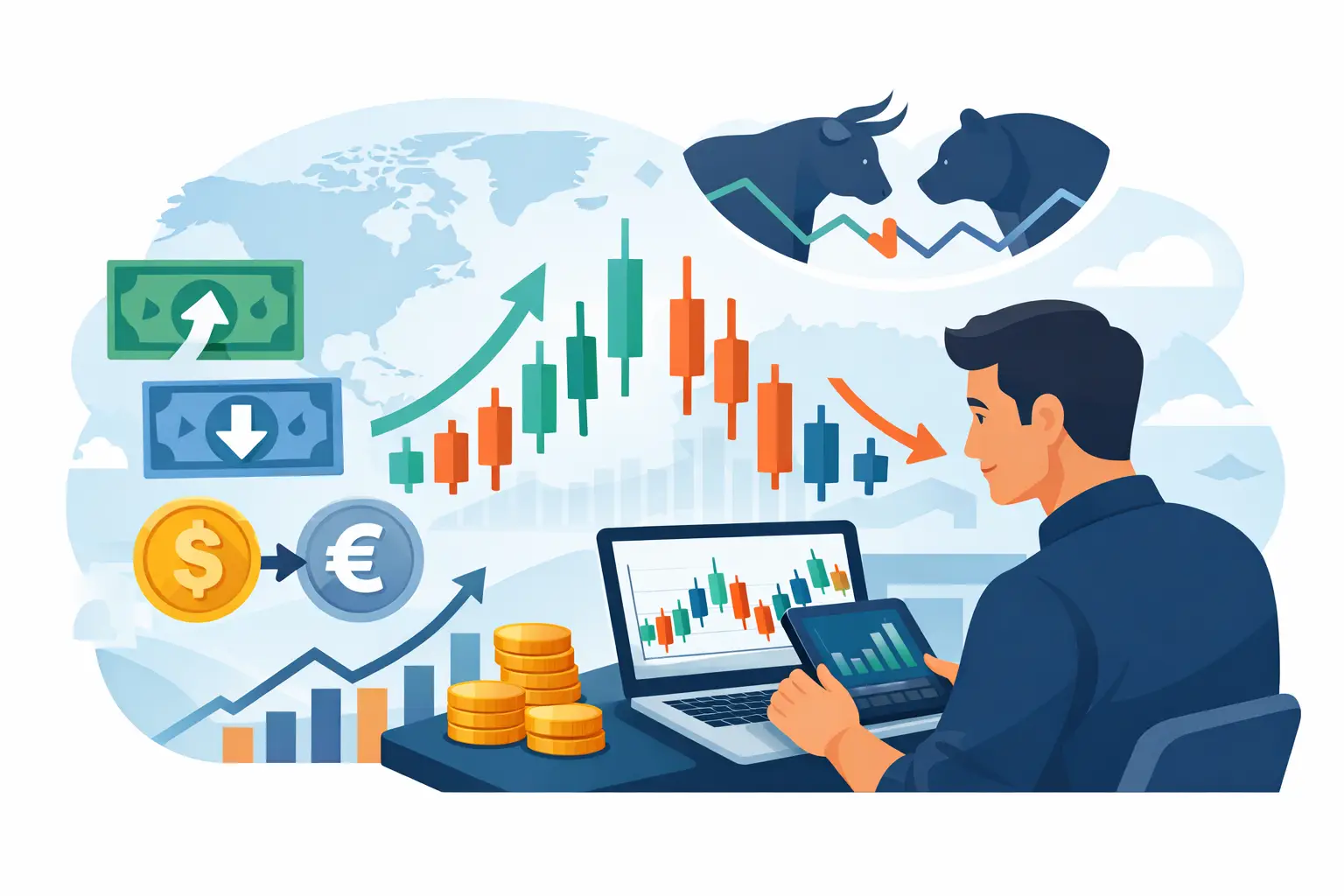
When you trade CFDs, you are speculating on whether an asset’s price will rise or fall. If you believe a market will move higher, you open a buy position. If you expect it to fall, you open a sell position. Your result is based on the price difference between your entry and exit, adjusted for position size and trading costs.
That structure gives traders access to a broad range of markets from one account. Instead of opening separate arrangements for currencies, commodities, and stock exposure, you can often access them from the same trading environment. For active traders, that convenience matters because it reduces friction and makes it easier to shift between opportunities.
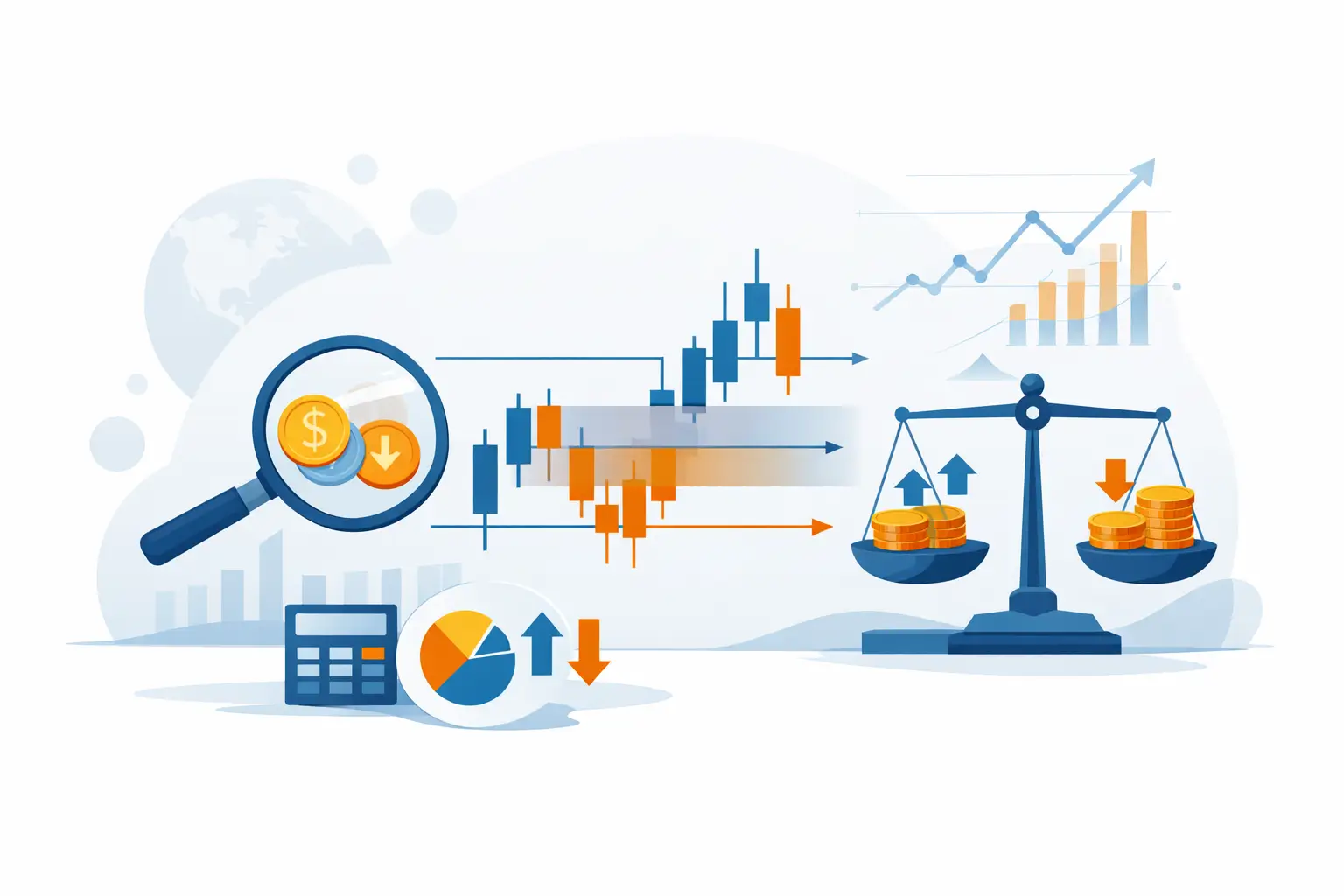
The other side of the equation is leverage. With leveraged products, you control a larger exposure with a smaller margin deposit. Used carefully, that can improve capital efficiency. Used carelessly, it can accelerate losses just as fast. That is why experienced traders think about exposure first and profit second. レバレッジ
Why traders choose CFDs
The appeal is straightforward. CFDs offer flexibility, speed, and market range. You can trade rising and falling prices, monitor multiple asset classes, and place trades through platforms built for short-term or medium-term market participation.
For newer traders, the biggest advantage is access. You can start with a focused watchlist instead of building a complex portfolio. For more experienced traders, the advantage is execution choice. You can react to macro news in indices, trade momentum in forex, look for breakouts in commodities, or track sentiment in crypto CFDs from one setup.
This is also why platform choice matters. A familiar platform with clear charting, practical order tools, and reliable execution can make decision-making faster. The market already moves quickly. Your setup should not slow you down.
How to trade CFDs without overcomplicating it
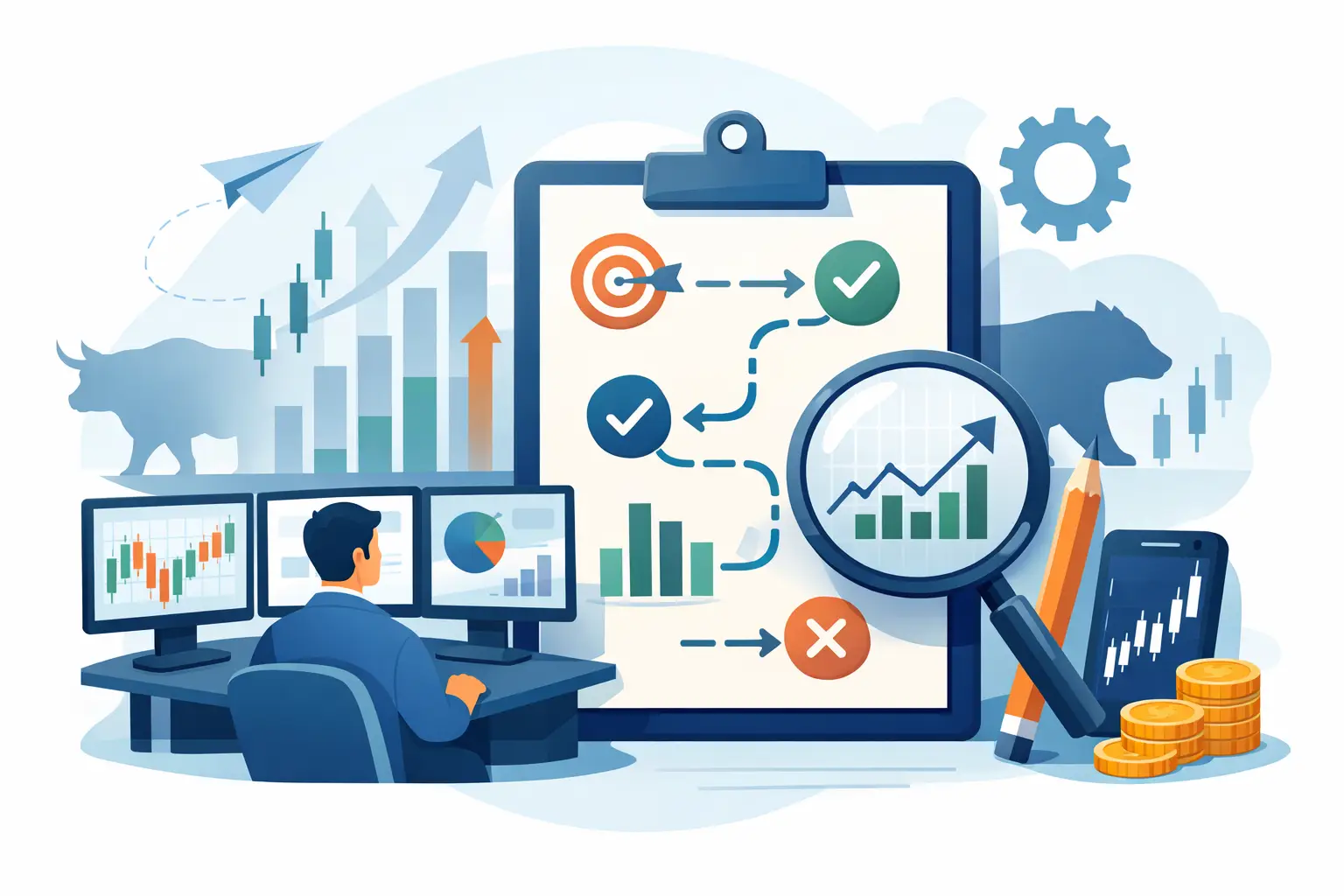
The cleanest approach is to build your process around four decisions: what to trade, why now, how much, and where you are wrong.
Choose one market type first
One of the most common mistakes beginners make is trying to trade everything. Forex, gold, US indices, crypto, and stock CFDs all move differently. They respond to different catalysts, trade at different speeds, and carry different volatility profiles.
If you are starting out, focus on one area first. Forex pairs can offer liquidity and regular movement. Indices can be useful if you prefer broader market themes over single-company exposure. Commodities like gold often attract traders looking for strong reaction to macro events. Crypto CFDs can offer larger swings, but that usually means wider risk too.
There is no universal best choice. It depends on your schedule, your tolerance for volatility, and how often you want to trade.
Build a reason for the trade
A trade needs more than a feeling. You need a clear setup. That setup might come from technical structure, a news event, a momentum breakout, or a pullback into support or resistance. The point is not to sound sophisticated. The point is to know why you are entering and what would invalidate the idea.
If you cannot explain the trade in one or two sentences, it is probably not ready. Simple is usually stronger.
Set size based on risk, not excitement
This is where many accounts get damaged. A trader sees a market moving and increases size because the setup looks obvious. Then normal volatility hits, and the position becomes hard to manage.
A better approach is to decide your risk amount before you enter. Then calculate position size based on the distance to your stop-loss. That keeps your exposure tied to a plan instead of emotion. Small, repeatable risk is what gives traders staying power.
Decide your exit before you enter
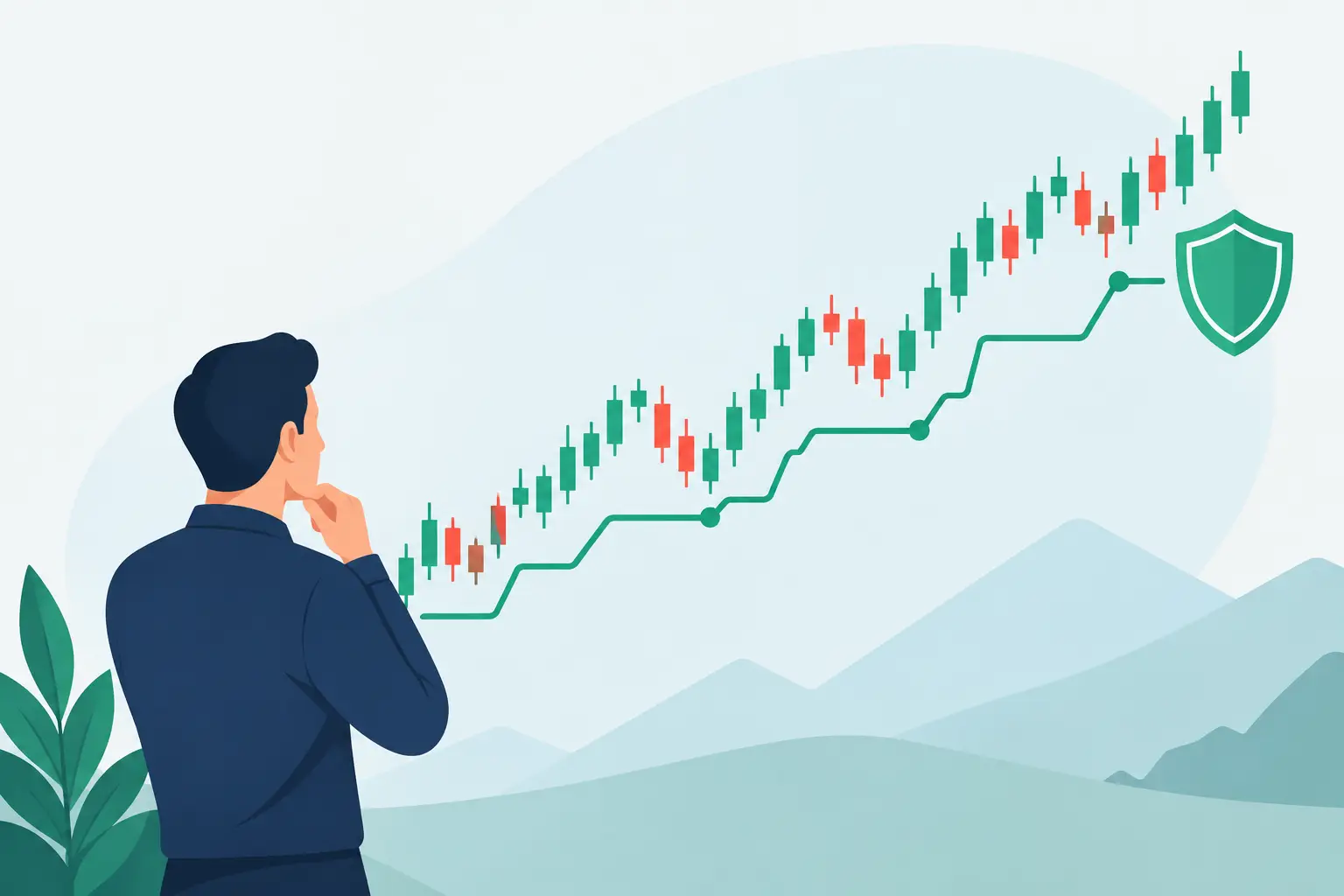
Every trade should have an invalidation point. That is your stop-loss. You should also have a reasonable target or at least a framework for taking profit. Without both, it is easy to hold losers too long and cut winners too early.
The market will not reward vague intentions. Precise planning matters more when leverage is involved.
Platforms and tools that support faster decisions
To trade CFDs well, you need more than market access. You need a platform that matches how you trade. Some traders want MT4 because it is familiar and efficient for forex and CFD execution. Others prefer MT5 for broader functionality, or cTrader for interface design and order management. The right choice comes down to workflow. MT4/MT5
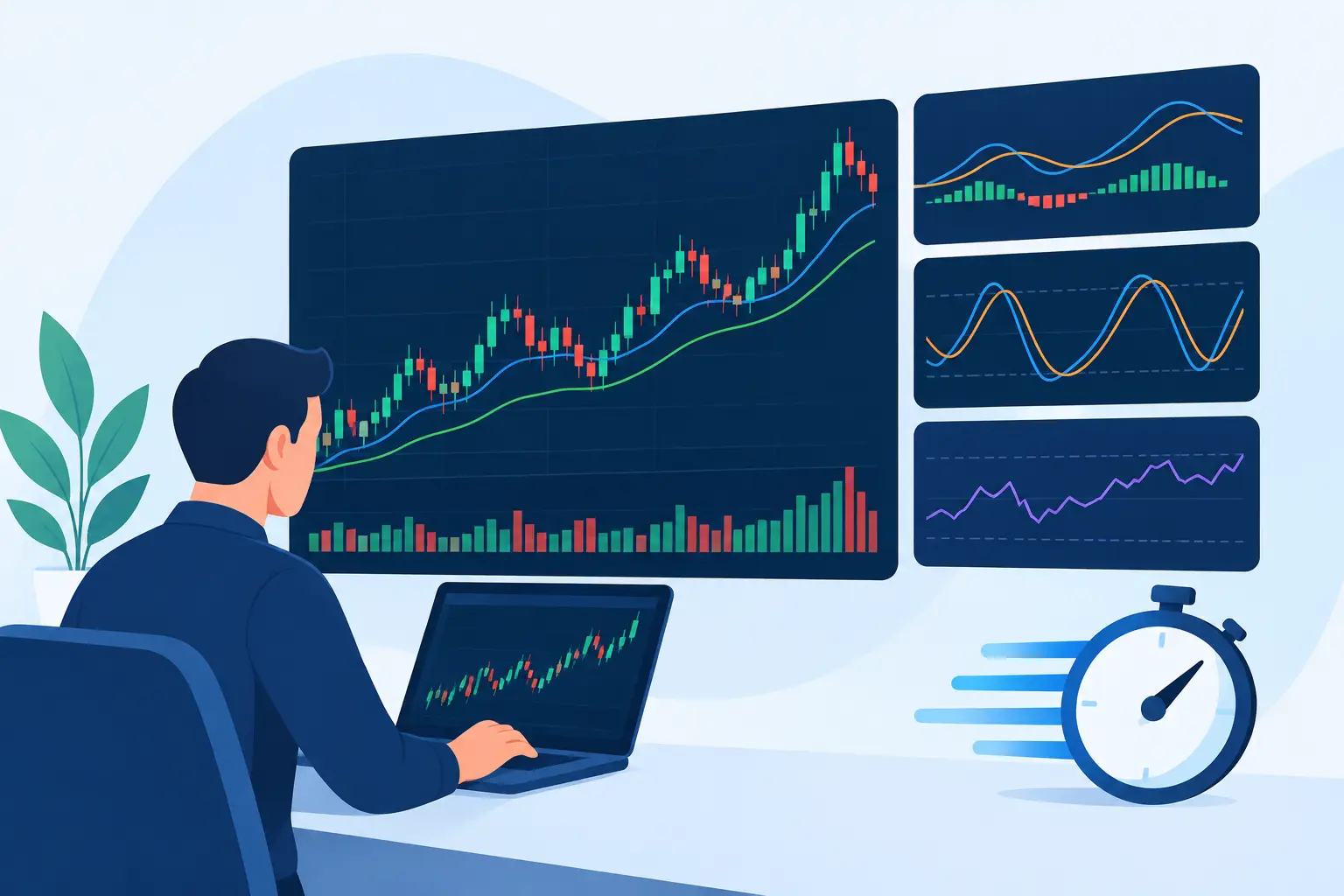
Execution speed, chart responsiveness, and clean order entry matter most when markets are moving. You should be able to switch between symbols, set stop-loss and take-profit levels quickly, and monitor margin in real time. A cluttered trading experience creates hesitation, and hesitation often becomes bad pricing.
For traders who do not want to make every decision manually, copy trading and managed allocation models can also be relevant. That does not remove risk, but it can change how market participation happens. Some traders want direct control. Others prefer strategy exposure through experienced signal providers or money managers. A flexible trading ecosystem makes room for both.
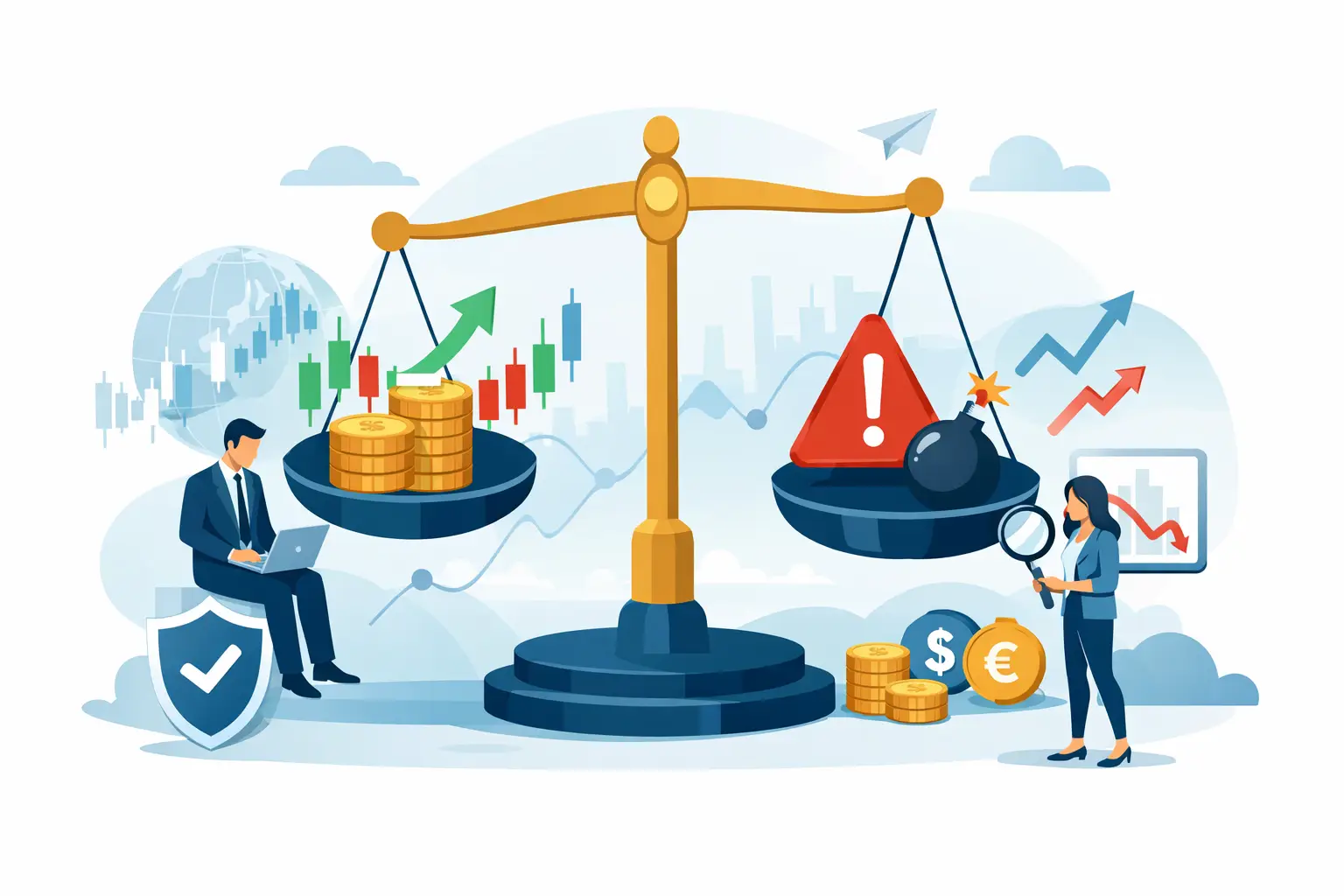
Risk is the real skill in CFD trading
A lot of marketing around leveraged products focuses on opportunity. Fair enough. Opportunity is why traders show up. But staying active in the market comes down to risk control.
The best traders do not avoid losses. They avoid uncontrolled losses. That difference is huge.
If you are trading CFDs, pay attention to three things at all times: your leverage, your margin level, and your total exposure across open positions. Those factors are connected. A trader who opens several positions in correlated markets may think they are diversified, when in reality they are stacking the same idea in multiple places.
For example, a long position in a stock index, a buy trade on a growth-heavy stock CFD, and a crypto long may all respond to the same shift in risk sentiment. If the market turns, all three can weaken together. Good risk management means understanding that connection before the move happens.
It also helps to know when not to trade. High-impact news events can create opportunity, but they can also increase spreads, volatility, and slippage. If you are not prepared for that environment, waiting is often the more professional decision.
Common mistakes when you trade CFDs
Most trading mistakes are not technical. They are behavioral.
Overtrading is one of the biggest. A trader starts with a good setup, then keeps clicking to recover losses or chase movement that has already happened. Another common issue is using too much leverage because the margin requirement looks small. Low required margin does not mean low risk.
There is also the problem of changing the plan mid-trade. Moving a stop farther away to avoid taking a loss may feel temporary, but it often turns a controlled trade into a much bigger problem. The market does not know your entry price. It only responds to supply, demand, and flow.
A more disciplined approach is to treat every trade as one event in a larger sequence. That mindset reduces emotional pressure. No single position needs to do everything.
A practical way to get started
If you are ready to trade CFDs, start with a narrow process. Pick one or two instruments. Learn how they move during your preferred trading hours. Test one setup repeatedly. Use smaller size than you think you need. Review results after a meaningful sample, not after one good day or one bad trade.
Once your process becomes more consistent, then expand. Add another market. Try a different session. Explore additional platform features. Growth in trading usually comes from refining what works, not from constantly changing direction.
This is where a broker experience can make a difference. Access to multiple CFD markets, professional-grade platforms, flexible account options, and straightforward funding can remove unnecessary barriers between analysis and execution. For traders who want both range and usability, that combination matters. Monaxa is built around that kind of access, giving traders more ways to participate without forcing a one-size-fits-all path.
The market will always offer another setup. What matters is being ready for it with a clear process, measured risk, and enough control to act without second-guessing every move.