 English
 Portuguese
 Bahasa
Melayu
Bahasa
Melayu ไทย
ไทย 中文
中文 Tiếng Việt
 Español
 हिन्दी
 日本語
日本語 العربية
A CFD trade can move from promising to pressured in minutes, particularly when leverage magnifies a small market change. Knowing how to manage CFD risk is therefore not about avoiding every losing trade. It is about defining what a loss can cost before you enter, protecting your available margin, and staying able to act when the next opportunity appears.
CFDs give traders flexible access to forex, indices, commodities, crypto, stocks, and ETFs without owning the underlying asset. That flexibility comes with a clear trade-off: leverage can amplify gains, but it can also amplify losses. A risk process should be part of every trade, whether you are trading independently on MT4 or MT5, following a strategy provider, or managing a diversified portfolio.
Start With the Risk Per Trade, Not the Trade Idea
The market can support a strong setup and still produce a loss. For that reason, start with the amount you are prepared to risk rather than the maximum position size your account allows.
Many active traders set a fixed percentage of account equity as their maximum risk on one trade. A risk limit of 1% means a $10,000 account would risk no more than $100 if the stop-loss order is reached. The appropriate percentage depends on your strategy, trading frequency, experience, and tolerance for drawdowns. A shorter-term trader may use tighter risk limits because several positions can be opened in one session. A trader holding positions through major news events may need a smaller allocation because price gaps and volatility can increase.
The key is consistency. If one losing position costs 1% and the next costs 8%, your results are being driven more by emotion than by a repeatable process.
Calculate position size from the stop-loss distance
Position size should follow your stop-loss level, not the other way around. First, identify where your trade idea is no longer valid. Then calculate how many units, lots, or contracts keep the potential loss within your preset risk amount.
For example, if your maximum loss is $100 and your planned stop represents a $2 loss per unit, your position size should be 50 units. If market structure requires a wider stop, reduce the size. Do not keep the same size and simply accept greater exposure.
This calculation must account for the instrument’s contract specifications, tick value, spread, financing charges where applicable, and currency conversion. The details vary between CFDs, so check them before placing the order. Platform tools and a trading calculator can help, but the trader remains responsible for understanding the total exposure.
Use Leverage as a Tool, Not a Target
Leverage is often confused with risk. They are connected, but they are not identical. Leverage gives you the ability to control a larger market position with a smaller margin deposit. Your actual risk is determined by position size, stop-loss distance, volatility, and how many correlated trades you hold at the same time.
High available leverage does not mean every trade should use it. In fact, leaving more free margin in your account can give a position room to withstand normal price movement without placing your account under unnecessary pressure. Using most of your available margin leaves little capacity for spread changes, volatility spikes, or drawdown.
Watch margin level throughout the trading day, especially if you trade several instruments. A forex position, a stock index CFD, and a commodity CFD may look diversified at first glance, yet all three can react to the same interest-rate decision, inflation release, or risk-off market move. Margin usage needs to reflect the combined picture, not each trade in isolation.
Set stop-loss orders with market structure in mind
A stop-loss order is one of the most direct ways to limit downside, but it needs to be placed logically. A stop set too close to entry may be triggered by ordinary market noise. A stop placed far away without reducing position size can make the potential loss too large.
Use relevant price levels such as a recent swing high or low, a breakout level, or the point where the premise behind the trade no longer holds. Then consider the instrument’s normal volatility. Crypto CFDs and major index CFDs can require more room than a quiet forex pair during a low-volatility session.
A stop-loss order is not always a guarantee of execution at the exact requested price. Fast markets, overnight gaps, and major economic events can result in slippage. This is another reason to keep exposure proportionate and avoid treating a stop as permission to oversize a position.
How to Manage CFD Risk Across Multiple Positions
The most overlooked risk is often correlation. Opening several trades that all depend on the U.S. dollar weakening is not true diversification, even if the trades are in different currency pairs or asset classes. The same applies to multiple long equity index positions, or a cluster of trades linked to rising oil prices.
Before entering a new position, ask whether it adds a new opportunity or simply increases an existing view. If it increases the same view, count the total potential loss across all related trades. A trader risking 1% on four closely correlated positions may effectively be risking 4% on one market outcome.
Set an overall exposure limit in addition to your per-trade limit. For example, you might decide that all open positions combined cannot expose more than 3% of account equity if every stop-loss is reached. This provides a clear boundary when several setups appear at once.
For copy trading or PAMM participation, risk management still applies. Review the strategy’s historical drawdown, instruments traded, typical holding period, use of leverage, and concentration risk. Past performance does not predict future results, and allocating capital to a strategy should fit your own loss limits rather than replace them.
Plan for Volatility Before It Arrives
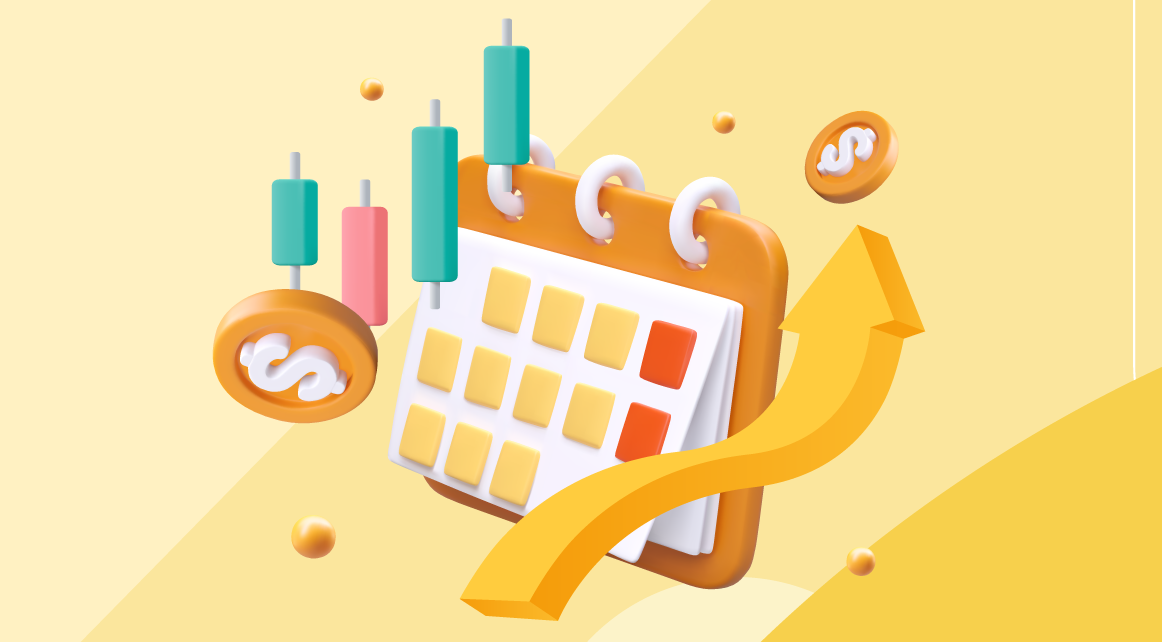
Economic calendars matter because major data releases can change pricing conditions quickly. Central bank decisions, employment reports, inflation data, earnings announcements, and geopolitical developments can all widen spreads and accelerate price movement.
You have choices around high-impact events. You may reduce size, tighten overall exposure, close a short-term trade before the release, or stay in the position if the event risk is specifically part of your strategy. There is no single correct answer. What matters is making the decision before volatility rises, not after a rapid move has already tested your account.
Overnight and weekend exposure deserves the same attention. Markets can open significantly above or below the previous close after unexpected news. If you keep a CFD position open, understand the potential impact of gaps and applicable overnight financing. A position that looks manageable during liquid market hours may carry a different risk profile outside them.
Build Rules That Protect You From Impulsive Decisions
A written trading plan turns risk management from an intention into an operating standard. It does not need to be complicated, but it should answer the questions you are most likely to avoid in a stressful moment: when to enter, where to exit, how much to risk, and when not to trade.
A practical pre-trade check can include these four controls:
- Confirm the entry, stop-loss, and target before submitting the order.
- Calculate the maximum loss in account currency and verify it fits your risk limit.
- Check current margin use and the exposure of correlated open positions.
- Review upcoming market events and decide whether the trade will remain open through them.
Add daily and weekly loss limits as well. A daily limit can prevent one difficult session from becoming a larger drawdown caused by revenge trading. A weekly review helps identify recurring problems, such as increasing size after losses, moving stops farther away, or taking trades outside your plan.
Keep a trading journal with screenshots, rationale, risk amount, and result. The purpose is not to judge every losing trade as a failure. A loss taken according to plan can be a well-managed trade. The more valuable question is whether you followed the process and whether that process has a measurable edge over a meaningful sample of trades.
Keep Risk Management Active After Entry
Risk control does not end when the order is placed. Markets change, and your management should follow predefined rules rather than hope. If price moves in your favor, consider whether moving the stop to breakeven, taking partial profit, or trailing the stop fits your strategy. Each method has a trade-off: tighter management may protect gains but can also close a position before a larger move develops.
Avoid widening a stop-loss simply because you do not want to realize a loss. Unless new information genuinely changes your market thesis and the revised risk still fits your plan, moving the stop farther away usually turns a controlled loss into an uncontrolled one.
Monaxa gives traders access to global CFD markets through familiar platforms, but access is only valuable when paired with discipline. Start small enough to think clearly, use the tools available to define risk, and let every position earn its place in your account. The goal is not to capture every move. It is to stay prepared for the moves that fit your plan.