 English
 Portuguese
 Bahasa
Melayu
Bahasa
Melayu ไทย
ไทย 中文
中文 Tiếng Việt
 Español
 हिन्दी
 日本語
日本語 العربية
A currency pair can move sharply long before a central bank changes rates. Markets trade expectations, positioning, and the gap between what is priced in and what actually happens. That is why reading forex market trends is less about predicting every candle and more about building a disciplined view of the forces moving each currency.
For active traders, the opportunity lies in connecting the bigger picture to a workable setup. A strong US dollar trend may influence EUR/USD, GBP/USD, AUD/USD, and gold differently. The chart matters, but so do interest-rate expectations, inflation data, growth signals, and the market’s appetite for risk.
Forex Market Trends Start With Relative Strength
Forex is a relative market. Buying EUR/USD is not simply a view on the euro. It is a view that the euro may strengthen against the US dollar, or that the dollar may weaken faster than the euro. Every trade has two sides, and both need a reason.
Start by asking a simple question: which currency has the strongest fundamental support right now, and which has the weakest? A currency can gain support when its economy is growing steadily, inflation remains persistent enough to keep rates elevated, or its central bank is expected to maintain a tighter policy stance. It can lose support when rate cuts become more likely, economic data deteriorates, or political uncertainty rises.
This relative approach prevents a common mistake: treating a positive headline as an automatic buy signal. Strong US employment data may support the dollar, but if the result was already expected or traders were positioned heavily long USD, the initial move can fade. Markets react to surprise, not just to good or bad news.
The Four Drivers Behind Major Currency Moves
Interest-rate expectations
Interest rates remain one of the clearest drivers of longer-lasting forex trends. Capital tends to favor currencies where returns are expected to be comparatively higher, especially when the central bank is signaling a restrictive stance. Traders closely watch the Federal Reserve, European Central Bank, Bank of England, Bank of Japan, Reserve Bank of Australia, and other major institutions for clues about the next policy move.
The key word is expectations. A rate decision that matches consensus may have limited impact. A change in the central bank’s language about inflation, growth, or future cuts can matter far more. If traders begin to expect fewer US rate cuts than previously priced, the dollar may strengthen even before the Fed takes action.
Inflation and employment data
Inflation numbers shape rate expectations. Higher-than-expected consumer prices can push a currency higher if traders believe the central bank will need to keep policy tighter. Softer inflation can have the opposite effect, particularly when it opens the door to earlier rate cuts.
Employment data adds another layer. In the United States, payrolls, unemployment, wage growth, and jobless claims often create significant volatility across major pairs. A resilient labor market may support the dollar by reducing pressure on the Fed to ease. But the full picture matters. Strong jobs alongside cooling wages may produce a more mixed market reaction.
Growth and trade conditions
Economic growth affects how markets value a currency over time. Manufacturing activity, retail sales, gross domestic product, and consumer confidence can all reveal whether an economy is accelerating or losing momentum.
Trade-sensitive currencies such as the Australian dollar, New Zealand dollar, and Canadian dollar can also respond to commodity prices and global demand. Rising oil prices may support CAD under certain conditions, while stronger industrial demand can influence AUD. These relationships are useful context, not fixed rules. Domestic data and central-bank expectations can quickly override them.
Risk sentiment and safe-haven demand
Risk sentiment can reshape the forex market in minutes. During periods of confidence, traders may favor higher-yielding or growth-sensitive currencies. When volatility spikes, capital can move toward traditional safe-haven assets and currencies.
The US dollar and Japanese yen are often watched during risk-off periods, though their behavior is not identical and can change with the interest-rate backdrop. The Swiss franc may also attract demand when geopolitical or financial stress rises. Rather than assuming one reaction, watch how equities, bond yields, commodities, and currency pairs respond together.
How to Read Forex Market Trends on the Chart
Fundamentals establish a possible direction. Technical analysis helps traders decide whether price action supports that view and where risk can be defined.
Begin with the higher time frames. A daily or four-hour chart can reveal whether a pair is making higher highs and higher lows, or lower highs and lower lows. This structure is often more useful than chasing a single indicator. If EUR/USD is holding above a prior breakout area while the broader trend remains upward, a pullback may offer a more controlled entry than buying after a rapid rally.
Moving averages can help identify direction and momentum, but they should not replace price structure. The same applies to RSI and MACD. These tools can highlight stretched conditions or changing momentum, yet an overbought market can remain overbought while a powerful trend continues.
Pay close attention to support and resistance zones, not just exact price lines. Forex prices often test an area, trigger stops, and then reverse. A confirmed break, a retest, or a rejection candle can provide more meaningful information than the first move through a level.
A Practical Framework for Trading the Trend
A repeatable process can reduce emotional decisions when markets move quickly. Before entering a position, establish the market context, identify the catalyst, and decide what price action would invalidate the idea.
First, check the economic calendar. High-impact events such as central-bank decisions, inflation releases, employment reports, and GDP data can change conditions quickly. If a major release is minutes away, spreads and volatility may widen. Waiting for the initial reaction can be the more measured choice, depending on your strategy.
Next, compare the two currencies in the pair. For example, a bearish GBP/USD view could be supported by stronger US rate expectations, weaker UK growth data, and a chart that has broken below key support. When fundamentals and technicals point in the same direction, the setup may have more clarity. When they conflict, position size and expectations may need to be more conservative.
Then define the trade before placing it. Know the entry area, stop-loss level, potential target, and amount of capital at risk. Leverage can increase market exposure with a smaller deposit, but it also magnifies losses. A stop-loss order does not guarantee execution at the exact requested price in every fast market, yet it remains an essential risk-management tool for many traders.
When the Trend Is Not Your Friend
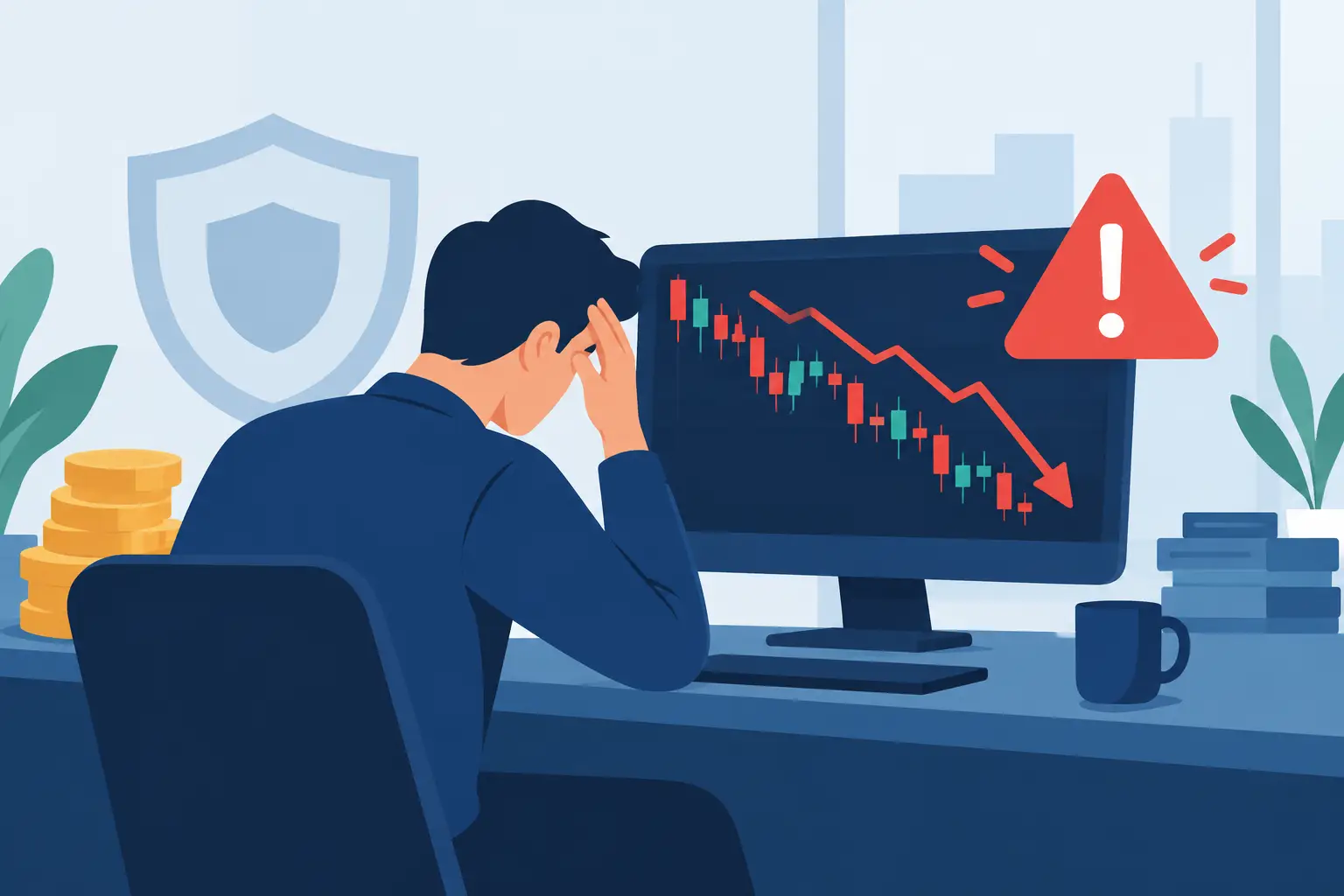
Trend-following is effective when a market is directional. It is less effective when a pair is ranging, reacting to conflicting data, or waiting for a major policy signal. A sequence of false breakouts can be a sign that price is consolidating rather than trending.
This is where flexibility matters. If price repeatedly fails at the same resistance and returns to support, range-based tactics may fit better than breakout entries. If an event-driven move reverses quickly and closes back inside its prior range, the market may be rejecting the original narrative.
Avoid forcing a trade because a familiar pair is moving. No setup is better than a poorly defined setup. The goal is not constant activity. It is participation when the market offers a clear relationship between potential reward and defined risk.
Build a Broader View Across Markets
Forex rarely moves in isolation. US Treasury yields can provide context for the dollar. Oil prices may affect CAD sentiment. Equity-market weakness can signal a shift toward caution, while gold can offer another perspective on real yields, inflation concerns, and risk demand.
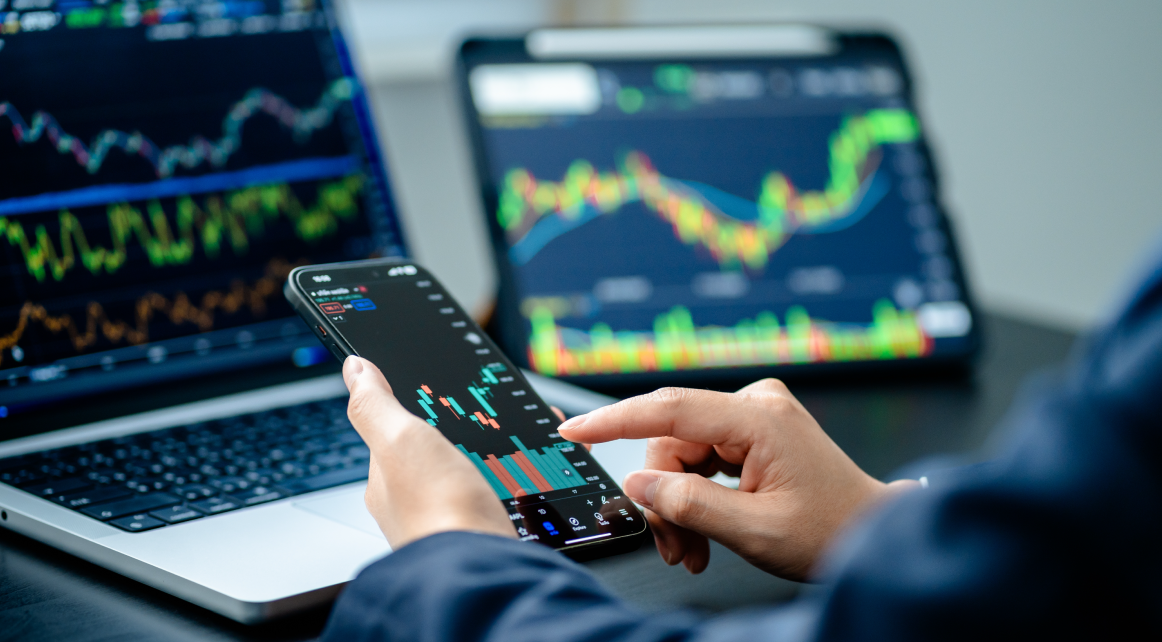
A multi-asset view helps traders avoid reading one chart without context. Platforms such as MT4 and MT5 make it easier to monitor major currency pairs alongside indices, commodities, and other CFD markets from one trading environment. Monaxa gives eligible traders access to this broader market landscape, but every instrument carries its own volatility profile and trading conditions.
The most useful forex habit is simple: form a view, wait for evidence, and manage the risk if the market proves you wrong. Trends create opportunity, but disciplined execution is what gives that opportunity a place in a sustainable trading process.