 English
 Portuguese
 Bahasa
Melayu
Bahasa
Melayu ไทย
ไทย 中文
中文 Tiếng Việt
 Español
 हिन्दी
 日本語
日本語 العربية
A stock can open 8% higher after an earnings surprise, then reverse before the first hour of trading ends. That is why learning how to trade stock CFDs is not simply about finding a company you expect to rise or fall. It is about turning a market view into a defined trade with controlled exposure, a realistic exit plan, and enough margin to withstand normal price movement.
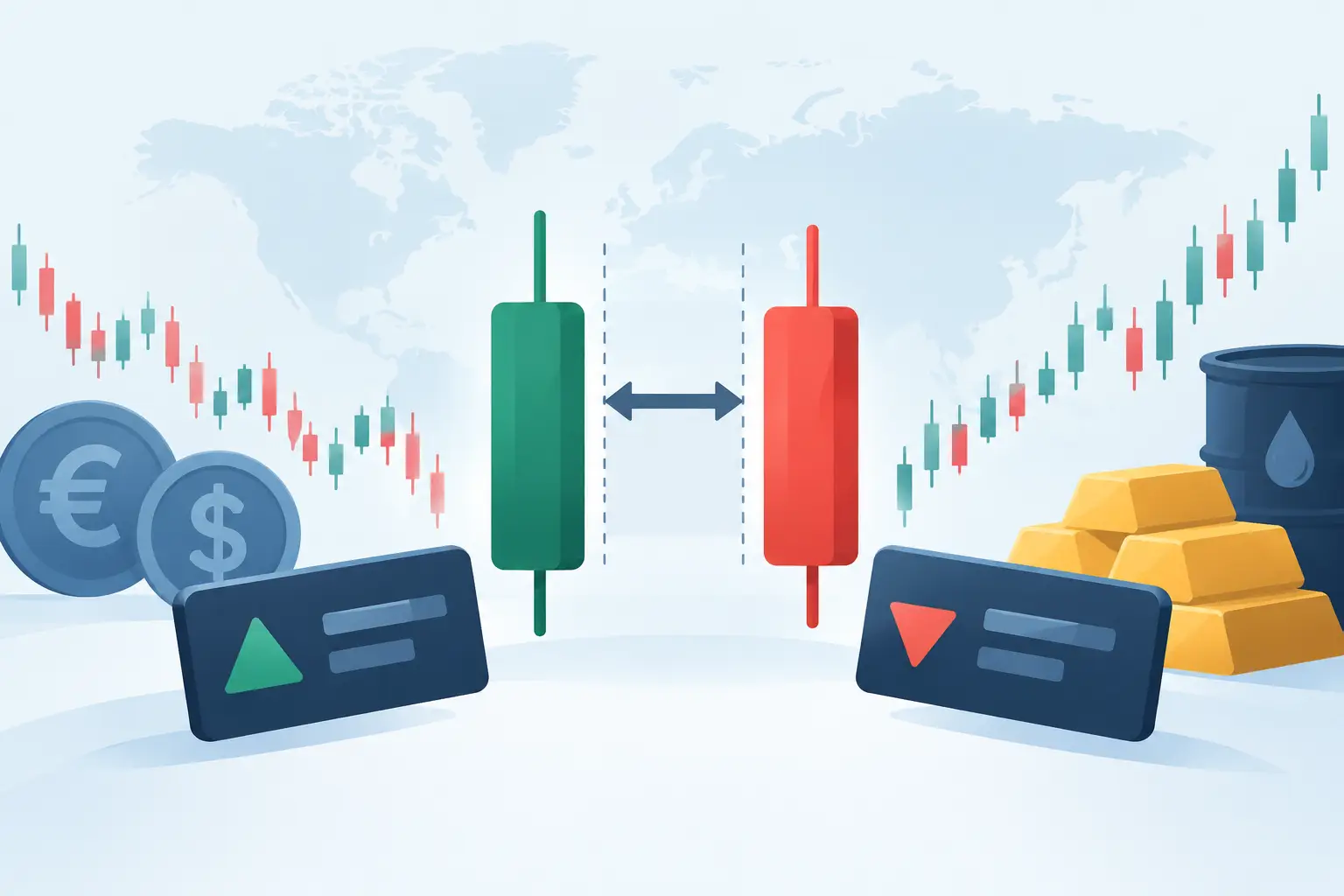
A stock CFD lets you speculate on the price movement of an underlying company without owning the shares themselves. You can take a long position if you expect the price to rise or a short position if you expect it to fall. Leverage can make this a capital-efficient way to access global equities, but it also magnifies losses. Trade only where stock CFDs are available and permitted in your jurisdiction. Retail CFDs are generally not available to US residents.
Understand What You Are Trading
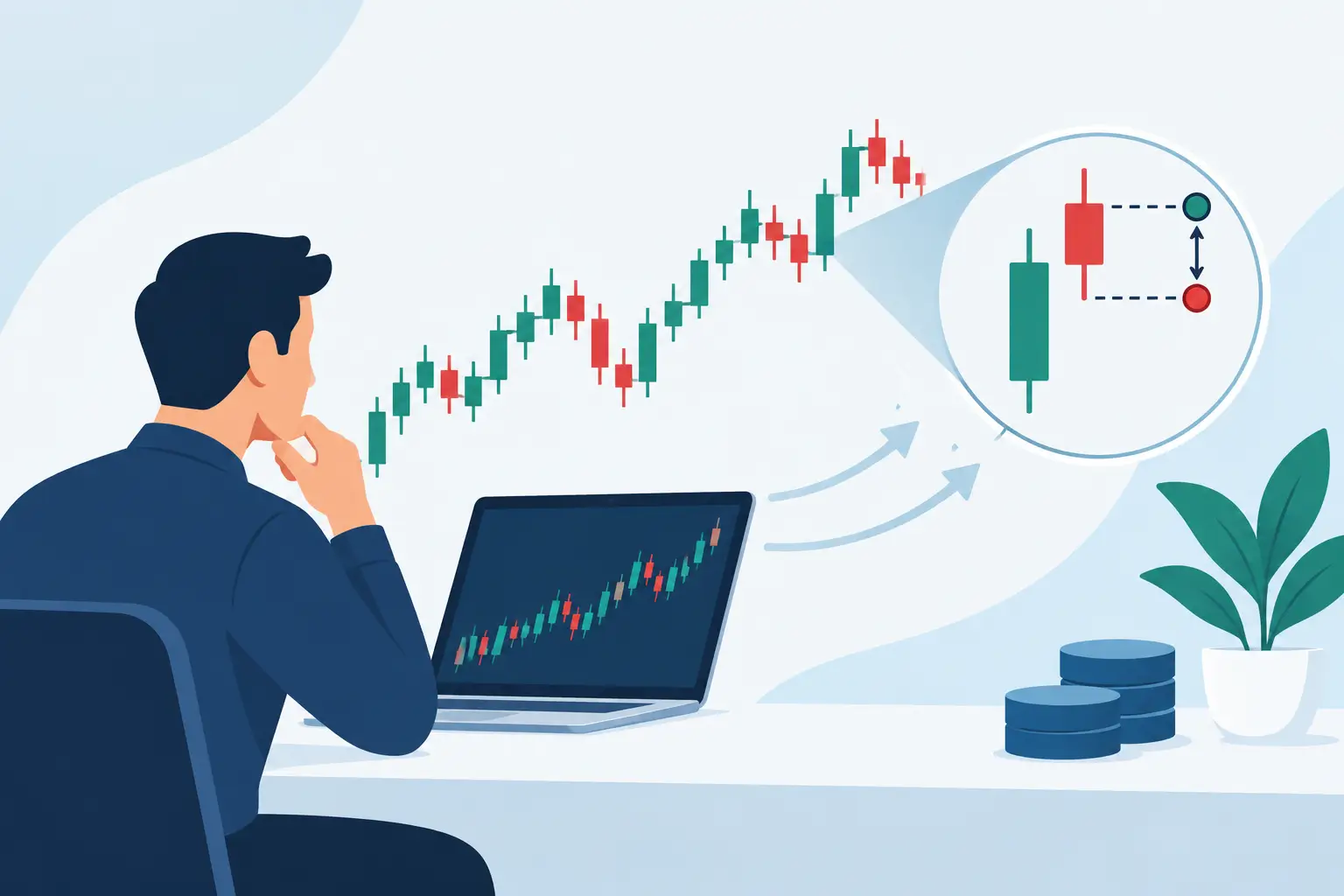
A contract for difference tracks the price of a listed share. If you buy a CFD on a company at $100 and close it at $105, your profit is based on the $5 move, multiplied by the number of CFD units you traded. If the price falls to $95 instead, the same position produces a loss.
Unlike buying shares through a traditional investment account, a CFD position does not normally give you shareholder voting rights or ownership. Your trading result comes from the difference between opening and closing prices, adjusted for applicable costs. These may include the spread, commission where charged, overnight financing on positions held beyond the trading day, and currency conversion when the share is priced in a different currency from your account.
Corporate events also matter. Dividends, stock splits, mergers, and rights issues can lead to account adjustments or changes to the instrument. A dividend adjustment may credit a long position or debit a short position, depending on the broker’s terms. Check the contract specifications before trading, especially when you plan to hold a position through an ex-dividend date or earnings release.
How to Trade Stock CFDs Step by Step
Start with a company you can explain in one sentence. You may be trading a quarterly earnings result, a product announcement, a sector trend, or a technical setup around a major price level. A clear reason does not guarantee a winning trade, but it prevents you from entering because a chart has moved quickly and you feel pressured to participate.
Next, decide on your direction. A long trade reflects a bullish view. A short trade reflects a bearish view. Then identify the price level that would prove your idea wrong. This is the foundation of risk control. If you cannot define where the setup fails, you cannot accurately calculate a position size.
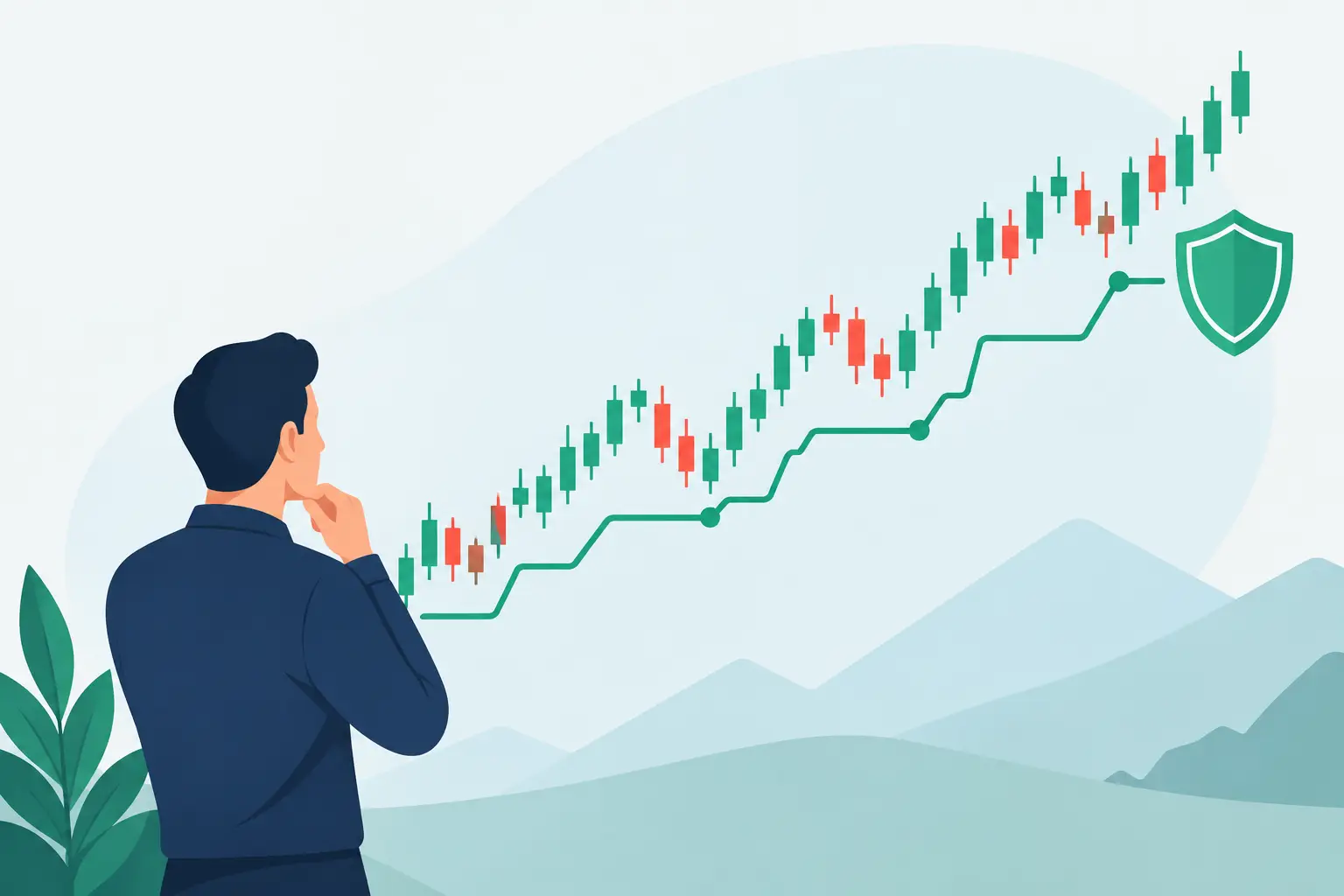
For example, suppose a share is trading at $80 after a pullback in a broader uptrend. You believe $78 is a meaningful support area and plan to buy only if the price holds above it. Your protective stop might sit below that level, at $77.50. The distance from entry to stop is $2.50 per unit. That distance, rather than the amount of margin displayed on the platform, should guide how many units you trade.
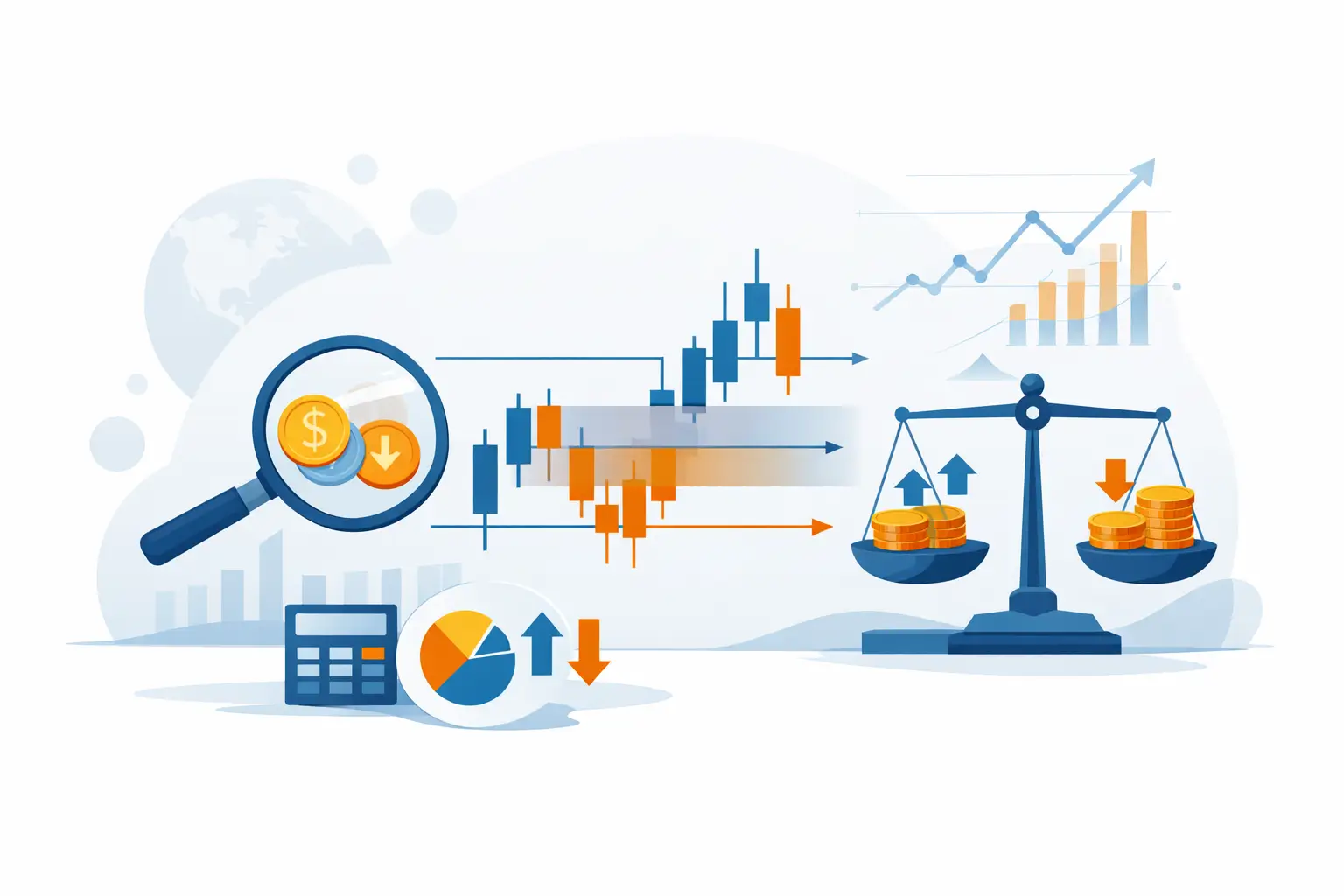
Set a target before opening the position as well. The target can be a prior high, a resistance level, or a price implied by your strategy. What matters is that the possible reward is meaningful relative to the amount you could lose. A trade risking $100 to potentially make $50 may still work for a specialized strategy, but it demands a very high win rate. For many traders, a favorable reward-to-risk relationship creates more room for normal losing trades.
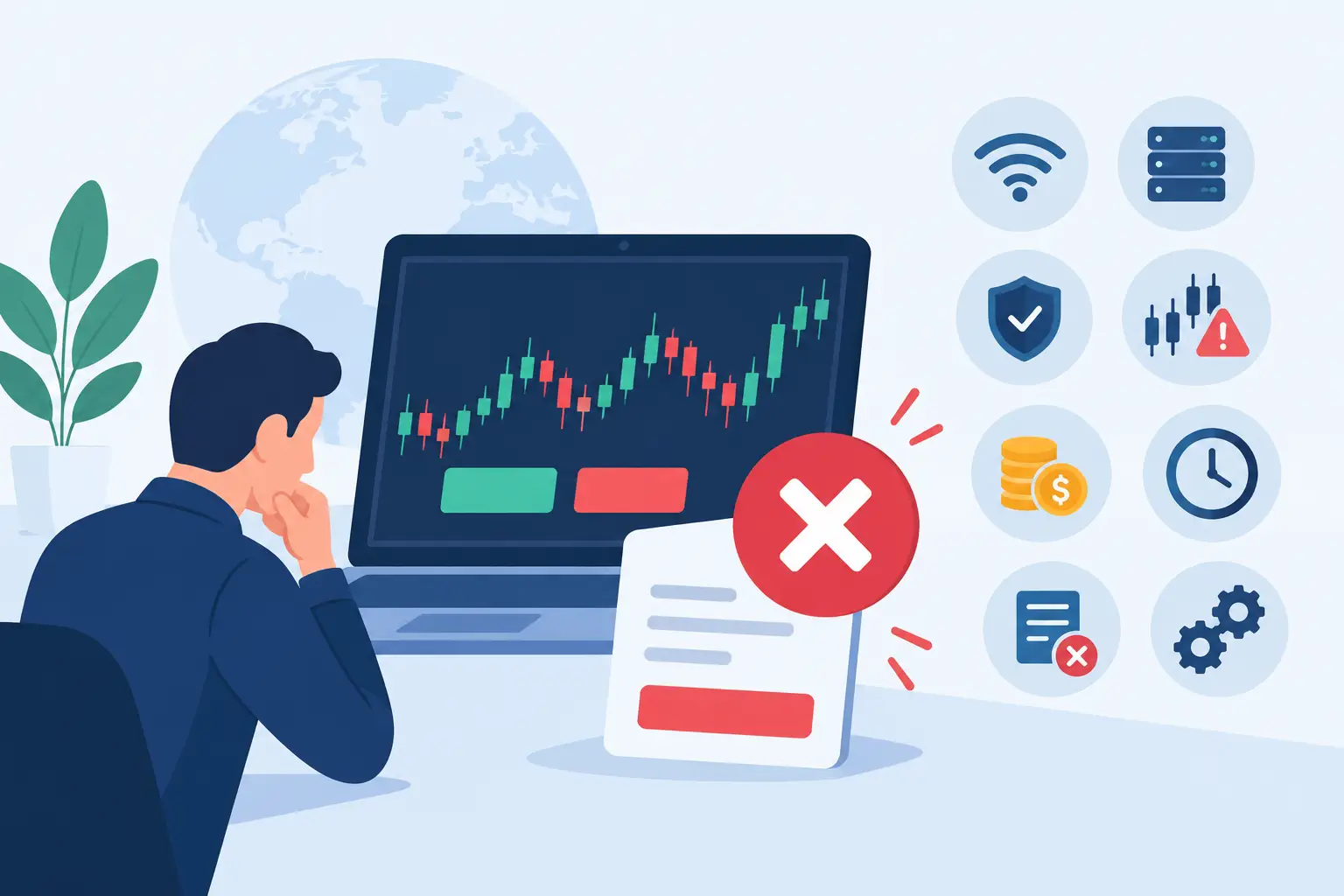
Once your entry, stop, target, and size are defined, place the order through your selected platform. Platforms such as MT4, MT5, and cTrader allow traders to monitor charts, place market or pending orders, and manage protective stops from one trading environment. Monaxa provides access to multiple platform options, allowing traders to choose an execution setup that fits their trading style.
Choose Shares That Match Your Strategy
Stock CFDs cover individual companies, but not every company is equally suitable for every approach. A day trader may prefer liquid, actively traded shares with tight pricing and scheduled catalysts. A swing trader may focus on companies in established trends, using daily or four-hour charts to avoid reacting to every intraday fluctuation.
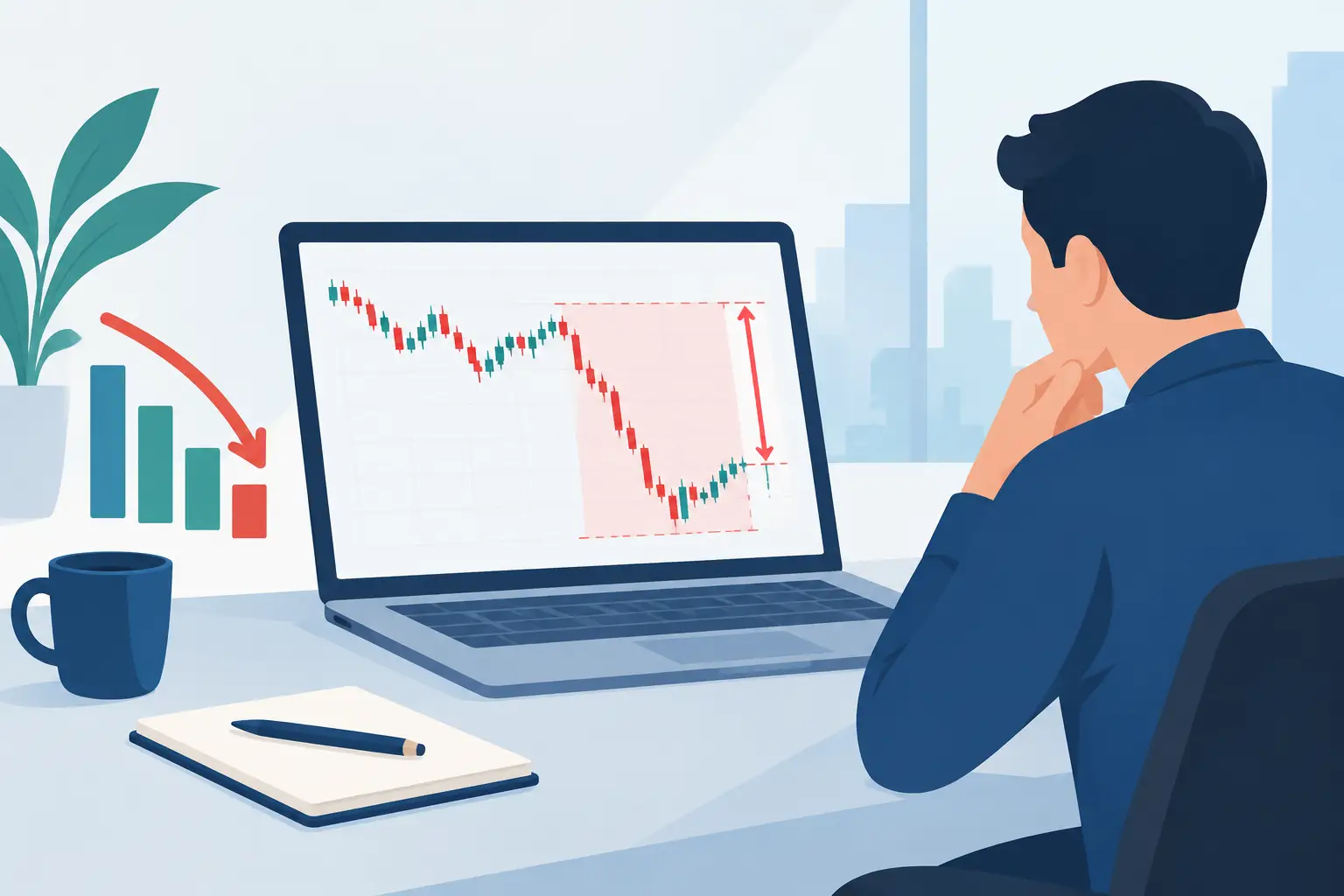
Earnings season requires special caution. Prices can gap sharply when a company reports revenue, margins, guidance, or a change in outlook. A stop-loss order helps define risk in normal conditions, but a fast market can execute beyond the requested stop level. This is known as slippage, and it means the realized loss can be larger than the planned loss.
Look beyond the company headline. A semiconductor stock may move with chip demand, interest-rate expectations, and major competitor results. A bank share can react to central-bank policy, credit conditions, and bond yields. Trading the stock without understanding the sector and broader market can leave you exposed to forces that have little to do with the company’s latest news.
Use Leverage Without Letting It Set Your Risk
Leverage is one of the main reasons traders use CFDs. It lets you control a larger market position with a smaller initial margin deposit. That flexibility can help preserve capital for other opportunities, but it can also make an oversized trade look affordable.
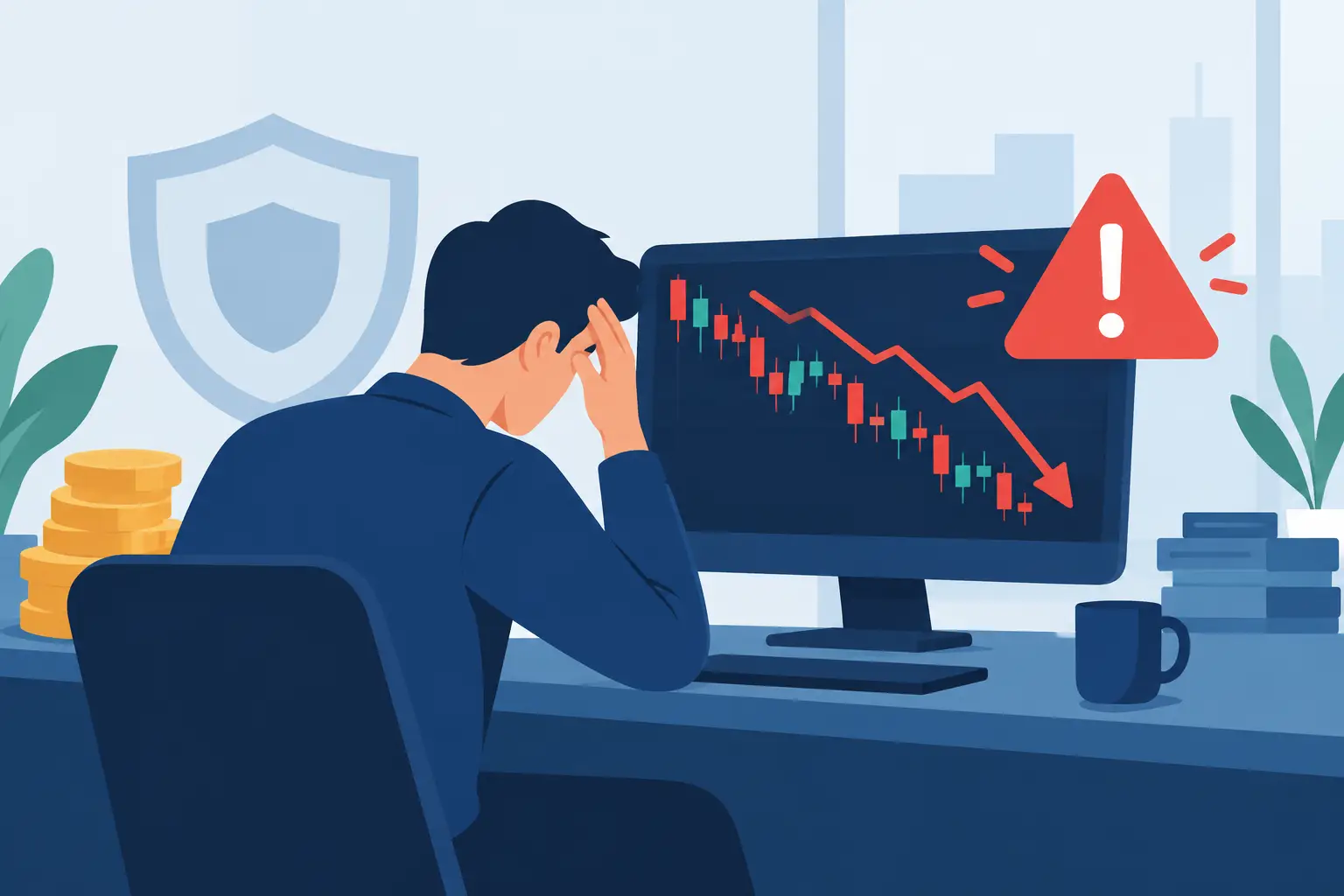
Margin is not the same as maximum risk. A position requiring $500 in margin may lose far more than $500 if the underlying price moves sharply against you. The right question is not, “How much position can my available margin open?” It is, “How much can I lose if my stop is reached, and is that amount acceptable?”
A disciplined approach is to set a fixed risk limit per trade and calculate position size from that number. If your maximum planned loss is $100 and the entry-to-stop distance is $2 per CFD unit, your position size is 50 units before allowing for costs and potential slippage. If the same setup requires a wider $5 stop, the size falls to 20 units. The setup has not become less attractive – it simply requires smaller exposure.
Keep additional free margin in the account rather than committing nearly all available funds to open positions. This helps you manage normal volatility and reduces the chance that unfavorable movement forces a position closure at the worst possible moment.
Build a Routine Around Market Hours and News
Individual shares have specific trading sessions, and liquidity can change significantly around the open, the close, and major news events. Pre-market and after-hours activity may also affect the next available CFD price, depending on the instrument’s trading schedule. Review the hours, trading breaks, and financing rules for each stock CFD before entering.
Create a short pre-trade routine. Check whether earnings, inflation data, employment data, central-bank decisions, or sector news are due. Confirm the current spread and whether your trade will remain open overnight. Finally, verify that your stop and target reflect current volatility, not yesterday’s quieter market.
After the position closes, record the reason for entry, position size, exit, and result. The useful lesson is not simply whether you won or lost. A losing trade that followed your plan can be productive. A winning trade that ignored your risk limit can create a habit that becomes expensive later.
Know When Not to Trade
The strongest decision can be to stay out. Avoid forcing a trade after a large price gap when you have no defined level or when the spread and volatility make your normal stop impractical. Do not add to a losing leveraged position simply because the price has moved farther than expected. Reassess the original idea first.
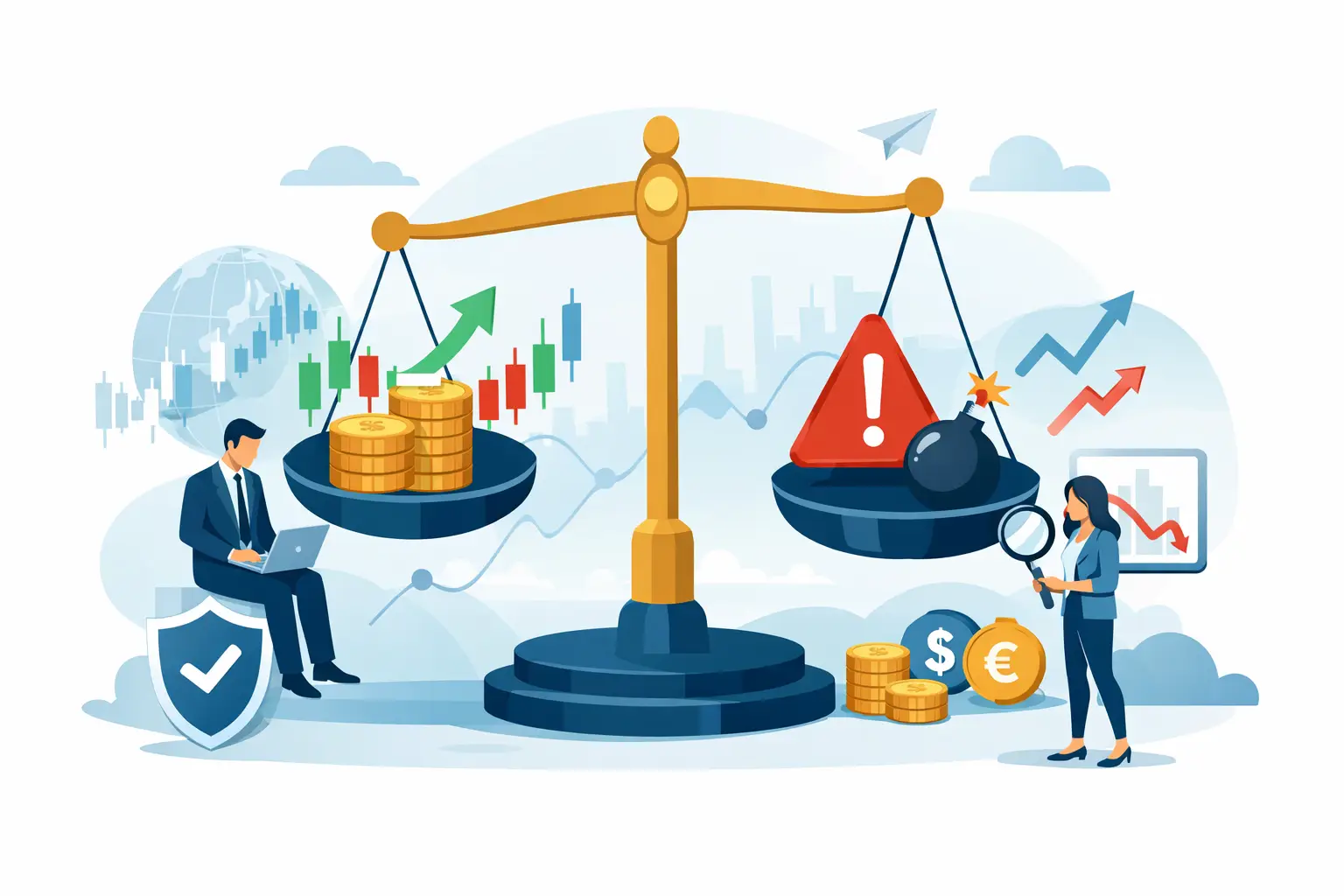
Stock CFDs can provide direct access to bullish and bearish opportunities across global companies, but they reward preparation more than prediction. Build each position around a specific invalidation point, modest exposure, and a plan you can follow when the market gets fast. That discipline gives every trade a purpose before your capital is at risk.