 English
 Portuguese
 Bahasa
Melayu
Bahasa
Melayu ไทย
ไทย 中文
中文 Tiếng Việt
 Español
 हिन्दी
 日本語
日本語 العربية
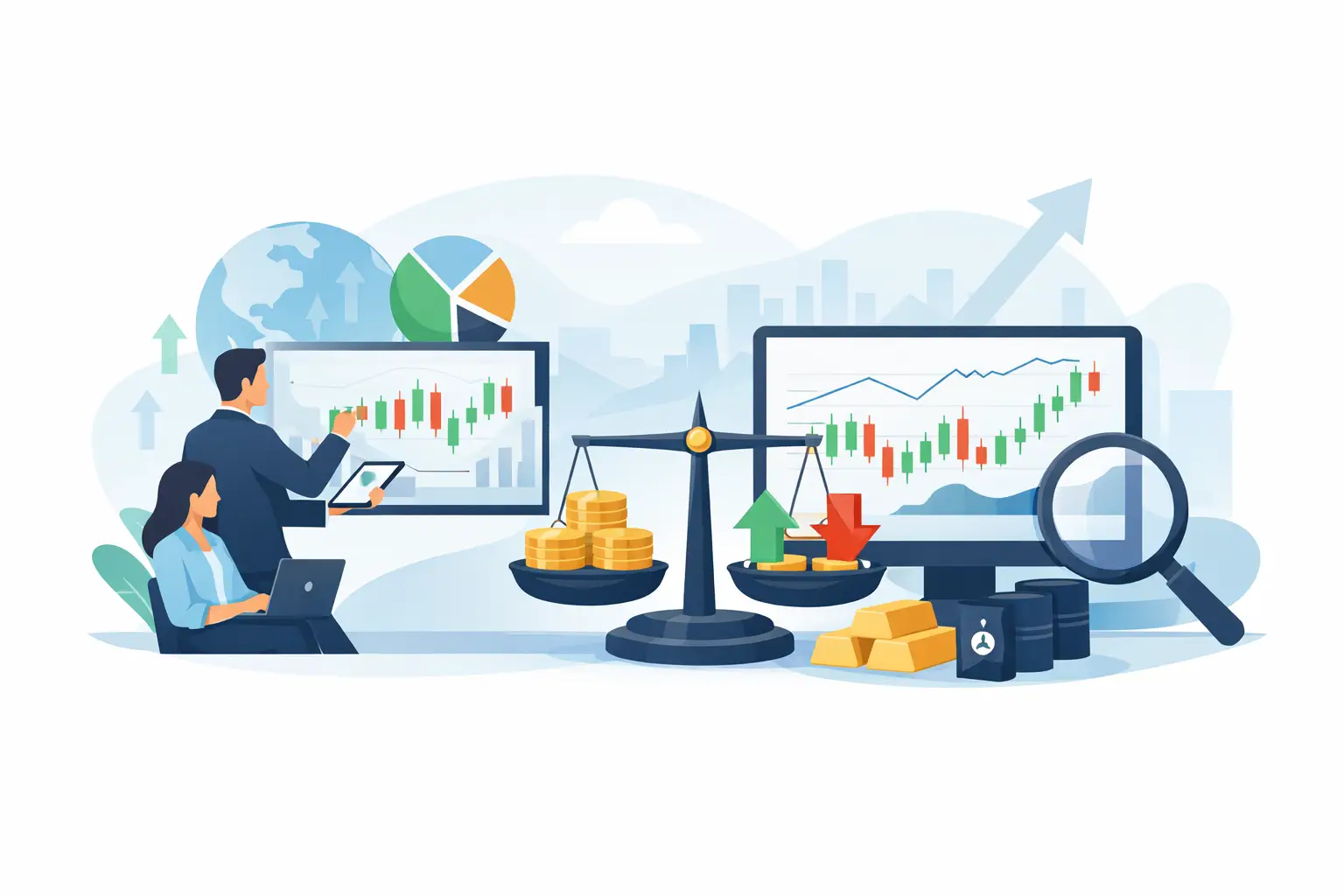
A sharp move in the S&P 500, Nasdaq 100, or DAX can affect hundreds of companies at once. That is the appeal of index trading: rather than choosing one stock and relying on one earnings report, you can take a position on the broader direction of a market. So, can you trade indices? Yes, through products designed to track major stock market benchmarks, although the product available to you depends on your location, broker, and trading experience.
For active traders, indices offer broad market exposure, frequent price movement, and access to major economic themes. They also carry real risk, especially when leverage is involved. Knowing what you are trading, what drives the price, and how position size changes your exposure matters before you place an order.
Can You Trade Indices Directly?
An index itself is not a company share that you can buy and hold. It is a calculation that measures the performance of a selected group of stocks. The S&P 500, for example, tracks 500 large US companies. The Nasdaq 100 follows major non-financial companies listed on the Nasdaq exchange, while the Dow Jones Industrial Average tracks 30 large US companies.
You trade an index through a financial product that follows its price. Common routes include exchange-traded funds, futures, options, and contracts for difference, commonly called CFDs. Each route has different capital requirements, trading hours, costs, and risk characteristics.
For many online traders outside restricted jurisdictions, index CFDs provide a flexible way to speculate on rising or falling prices without owning the underlying stocks. A CFD lets you open a buy position if you expect an index to rise or a sell position if you expect it to fall. Availability varies by jurisdiction, and CFDs are generally not available to US retail clients. Always check the products and terms available in your country before opening an account.
What Are You Actually Trading?
When you trade an index CFD, you are trading the price movement of the benchmark quoted by your broker. Your profit or loss is based on the difference between your entry price and exit price, multiplied by your contract size or volume.
Suppose you believe the US 100 index will rise after strong technology-sector earnings. You open a buy trade. If the quoted price moves higher, the position may gain value. If the market falls, it loses value. A sell trade reverses that expectation: falling prices can produce a gain, while rising prices can create a loss.
This structure makes indices useful for directional trading, short-term news reactions, and broader portfolio views. But it does not remove uncertainty. A single inflation release, central bank statement, geopolitical event, or unexpected earnings result can move an index quickly.
The Main Ways to Trade Indices
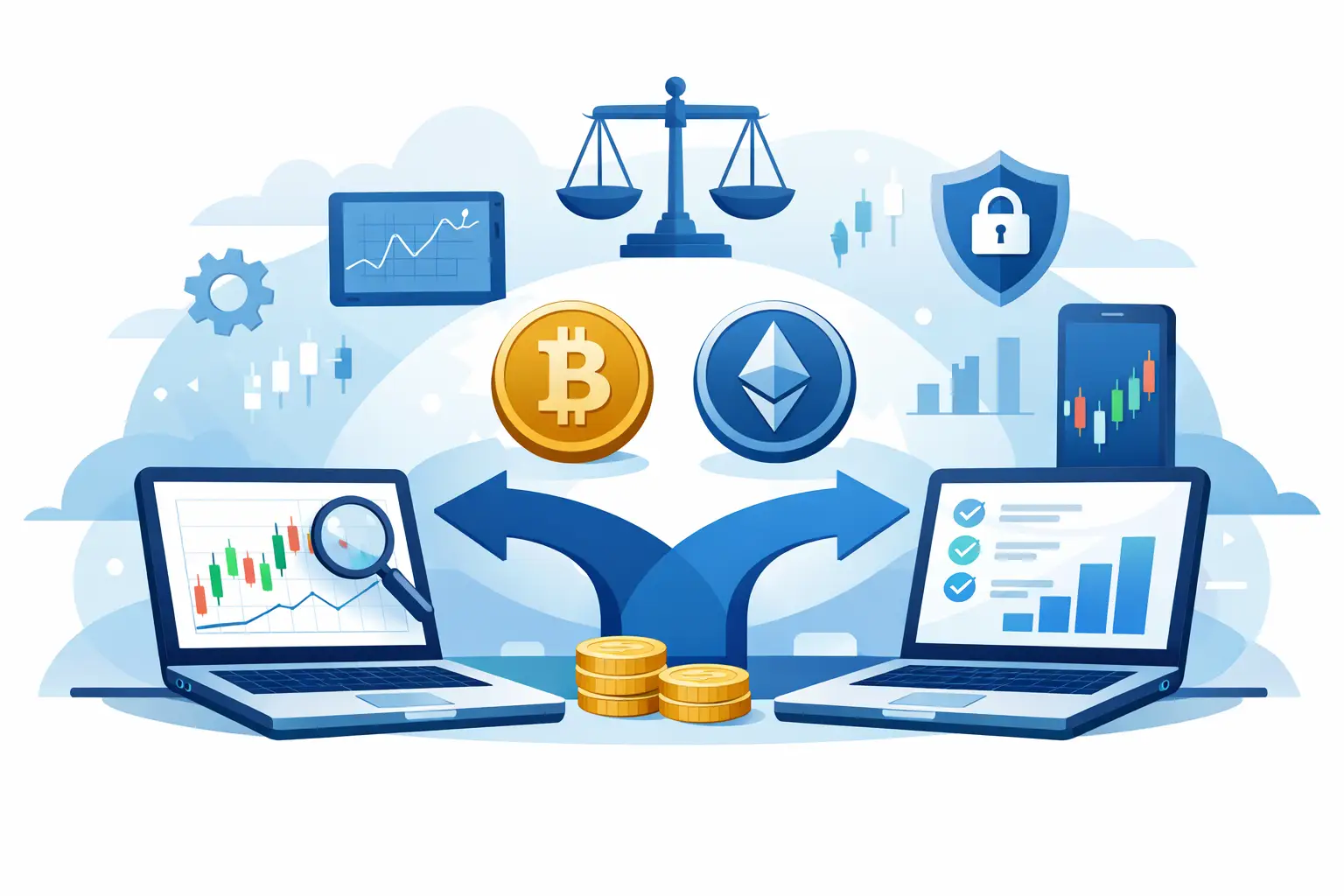
ETFs are often suitable for investors who want longer-term, unleveraged exposure to an index during stock market hours. Futures are standardized exchange-traded contracts that can offer deep liquidity but may require more capital, margin knowledge, and attention to expiration dates. Options can define risk for buyers but involve time decay and more complex pricing.
Index CFDs are built for traders who want flexible position sizing, the ability to trade long or short, and access to leveraged exposure. They do not have a fixed expiration date in the same way futures contracts do, but holding costs may apply to positions kept open overnight. The right choice depends on whether your goal is investing, hedging, intraday trading, or longer-term speculation.
Why Traders Choose Major Indices
Indices concentrate a broad market story into one tradable price. Instead of analyzing every company in a sector, a trader can express a view on US technology, German industrials, UK blue chips, Japanese equities, or wider European markets.
Major indices can also be highly liquid during their most active sessions. This may support tighter pricing and smoother execution under normal market conditions, though spreads can widen and volatility can increase around high-impact events.
Diversification is another reason traders look at indices. An index is not immune to losses, but its performance is spread across multiple component companies. That can reduce the company-specific risk tied to one stock’s earnings miss, management change, or legal issue. It does not protect you from a broad market selloff.
What Moves Index Prices?
Index prices respond to the combined expectations of investors. Corporate earnings matter, particularly when a small group of large companies has a heavy weighting in the index. Interest rates and central bank policy can matter just as much because they affect borrowing costs, economic growth expectations, and stock valuations.
Economic data can trigger fast moves. Watch inflation reports, employment figures, GDP releases, consumer spending data, and purchasing manager surveys. Currency movements, commodity prices, elections, trade policy, and global risk events can also shift sentiment.
The composition of the index changes the story. A technology-heavy index may react strongly to growth forecasts and bond yields. An index with significant energy, banking, or industrial exposure may respond differently to oil prices, credit conditions, or manufacturing data. Before trading, know which sectors dominate the index you are watching.
A Practical Approach to Trading Indices
Start with a market you can follow consistently. Trying to trade every global session often leads to rushed decisions. If you primarily monitor US economic releases and corporate earnings, a major US index may be easier to understand than a market whose local news cycle you rarely track.
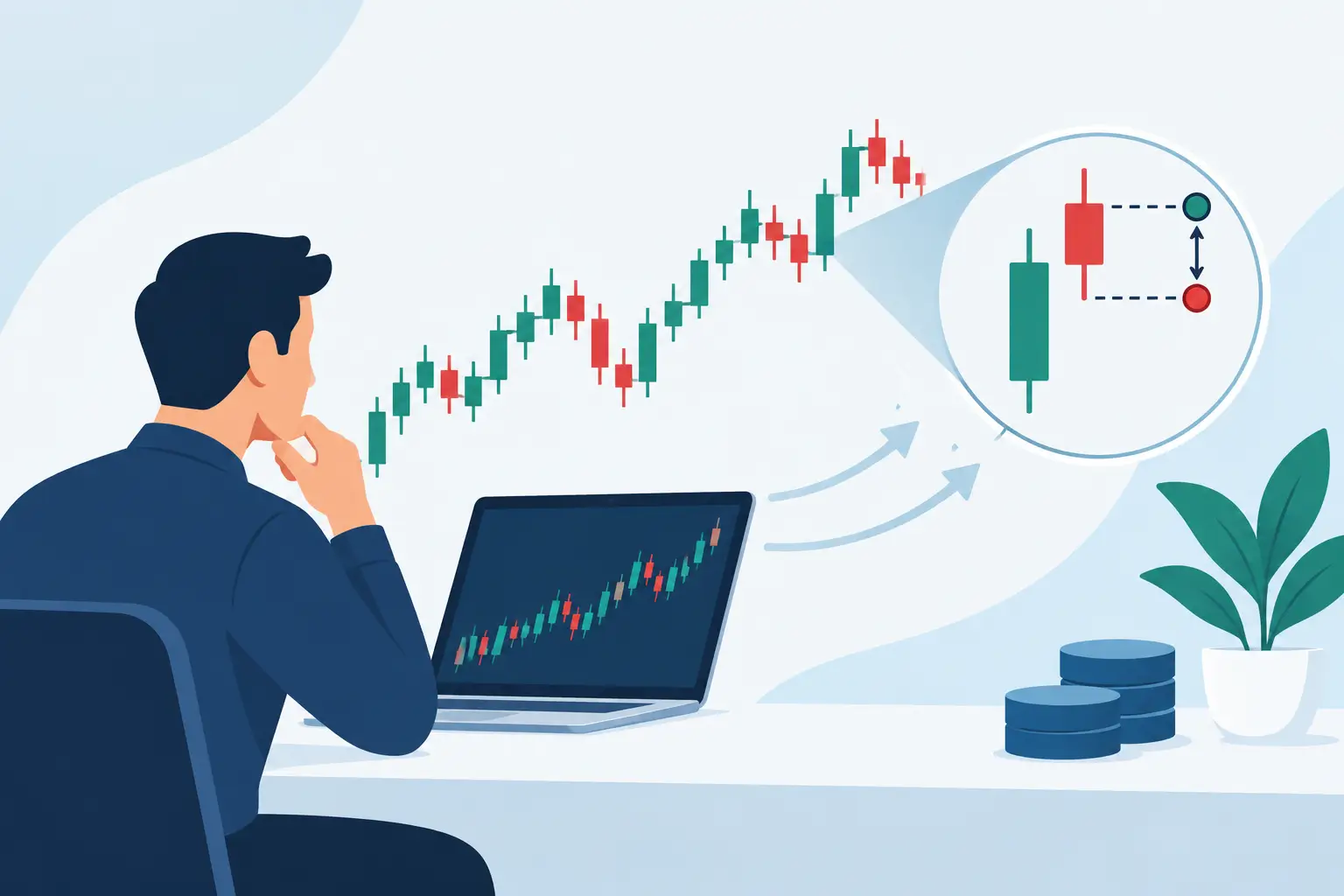
Next, identify the market condition. Is the index trending, ranging, or reacting to an imminent news event? A trend-following setup may work poorly in a choppy range, while a breakout trade taken minutes before a major central bank decision can face sudden reversals.
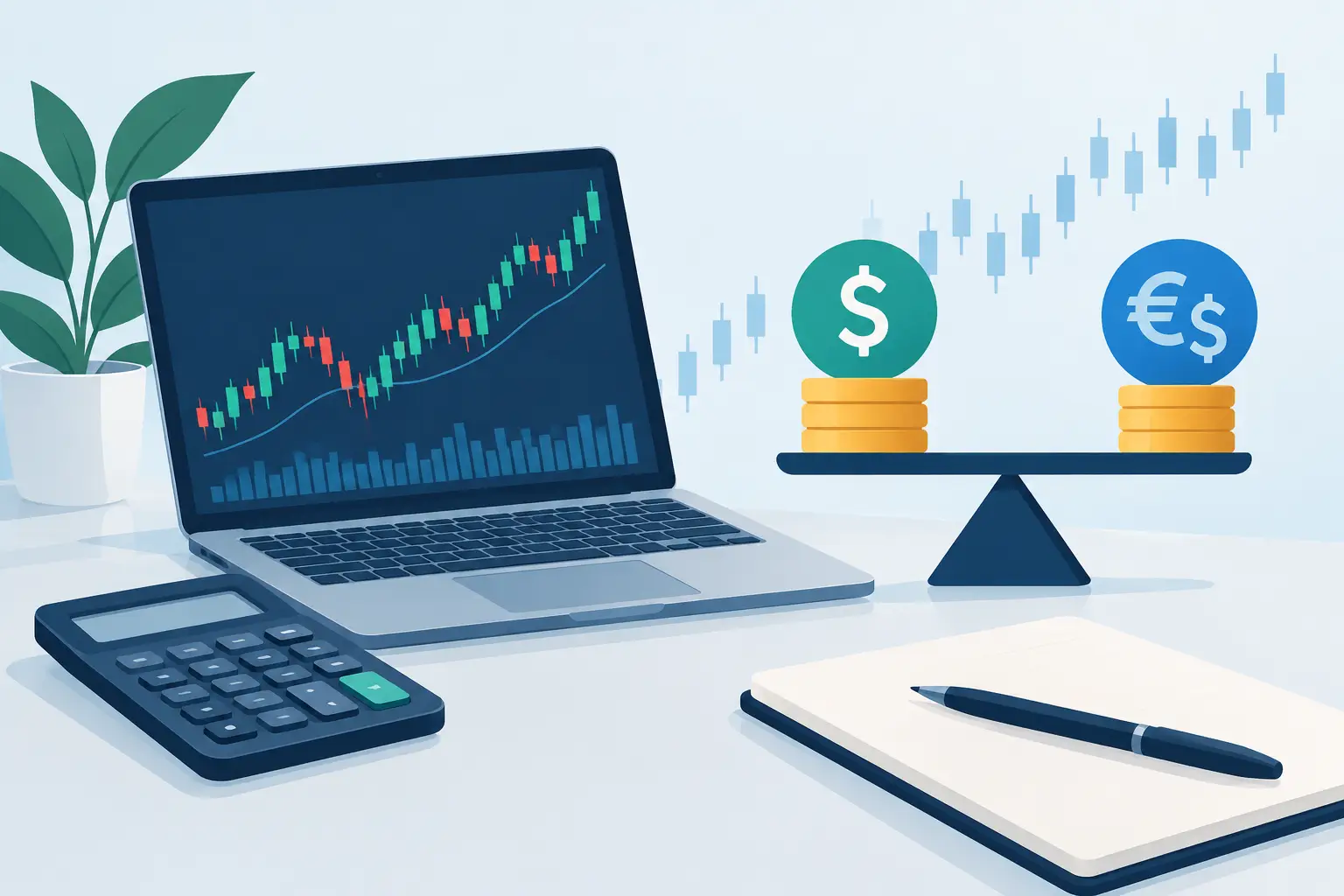
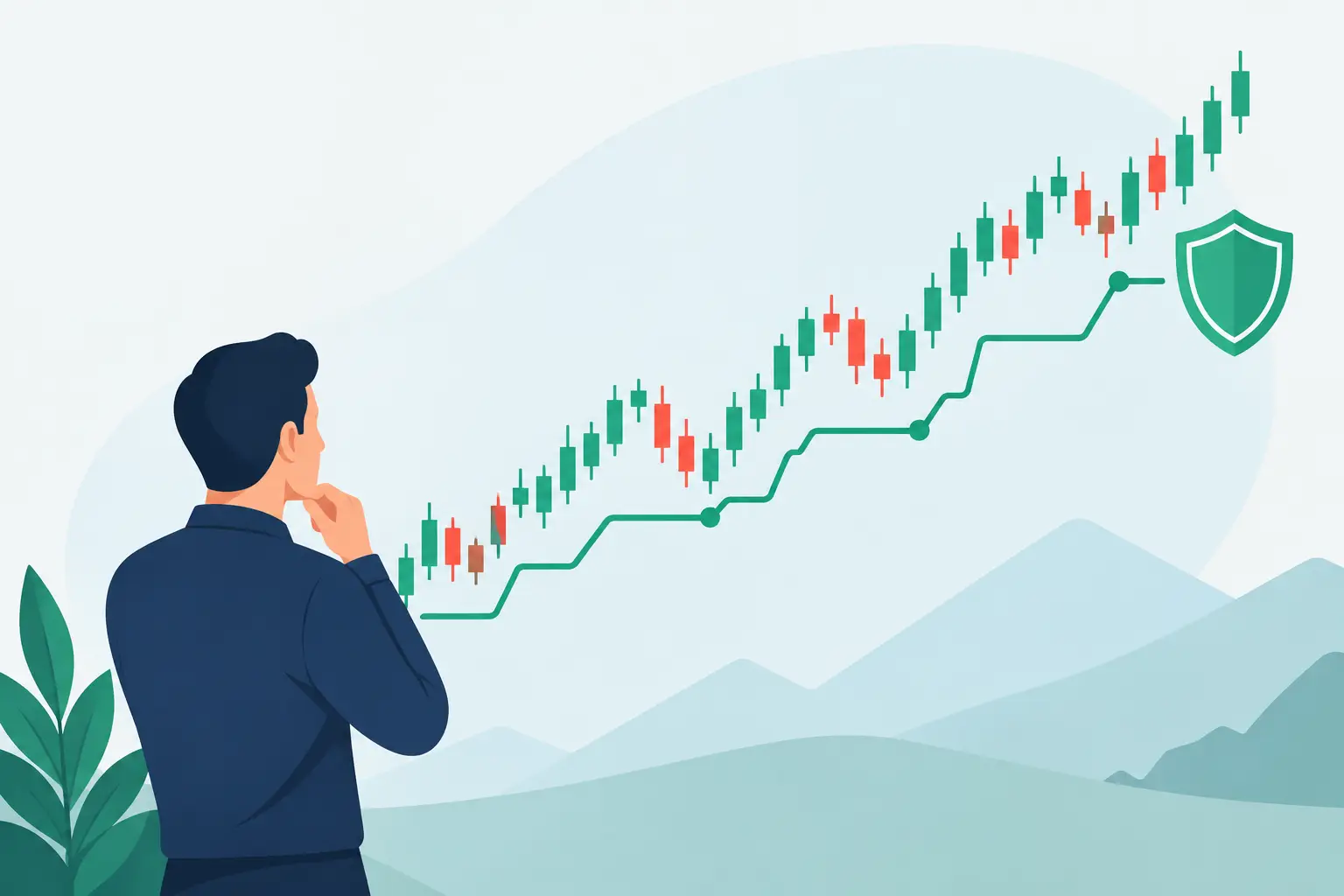
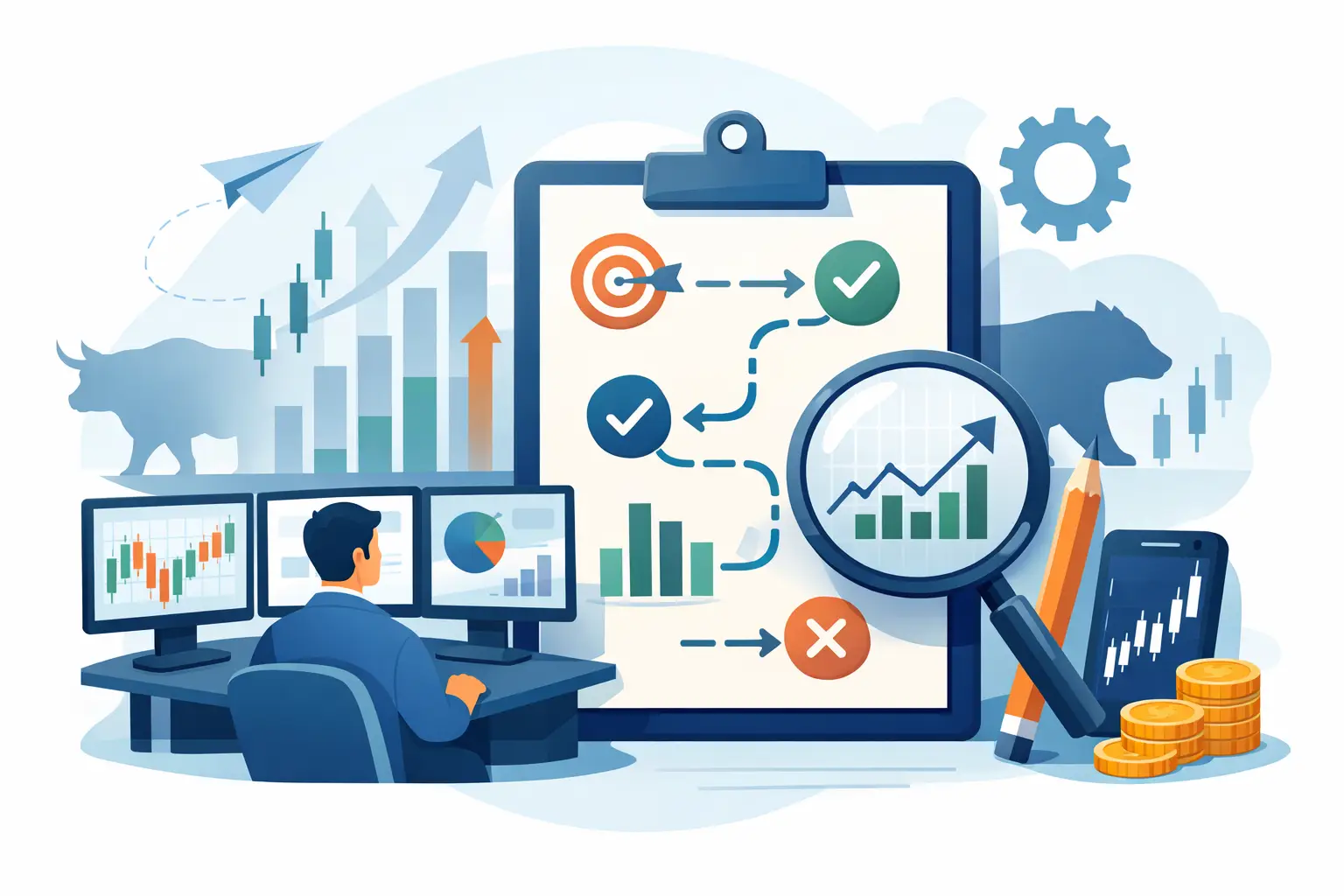
Build the trade before the entry. Decide where your idea is invalidated, where you may take profit, and how much money you are prepared to risk if the stop-loss is reached. Then calculate position size from that risk amount. Do not choose trade size simply because a platform makes larger volume available.
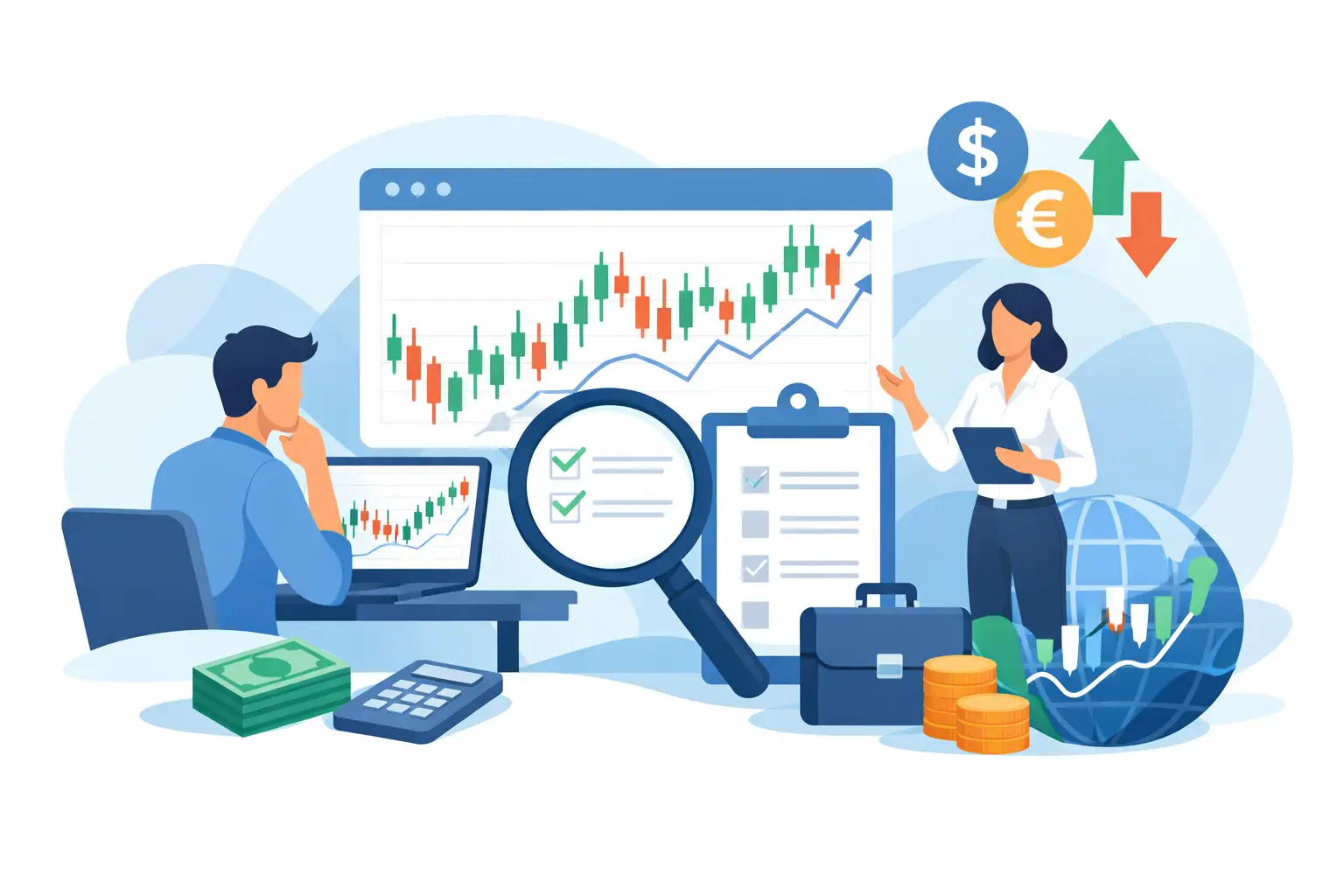
A simple trading plan should state your direction, entry area, stop-loss level, target or exit condition, position size, and the event that could change your view. This process is not glamorous, but it separates a planned trade from a reaction to a moving chart.
Leverage Can Increase Opportunity and Risk
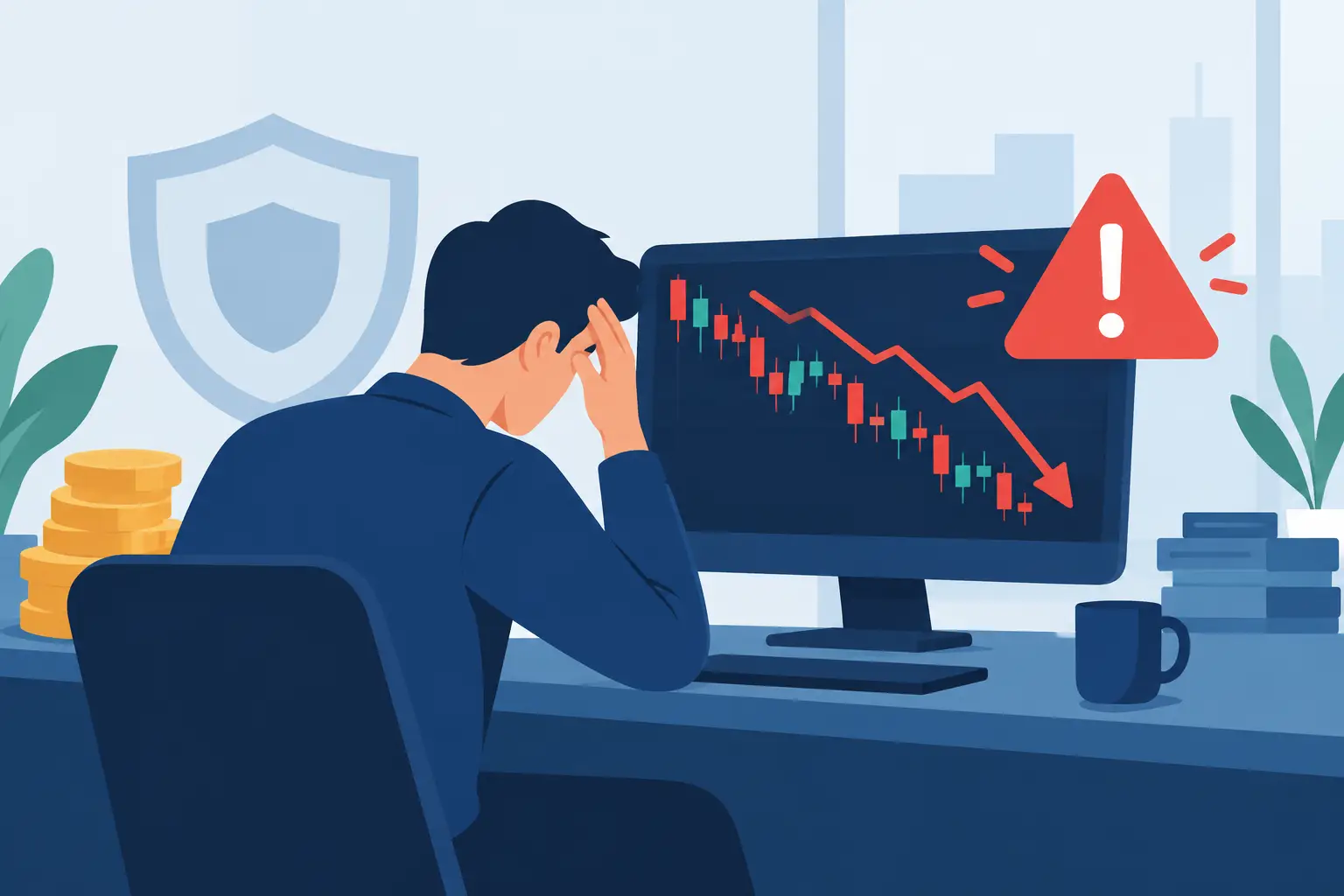
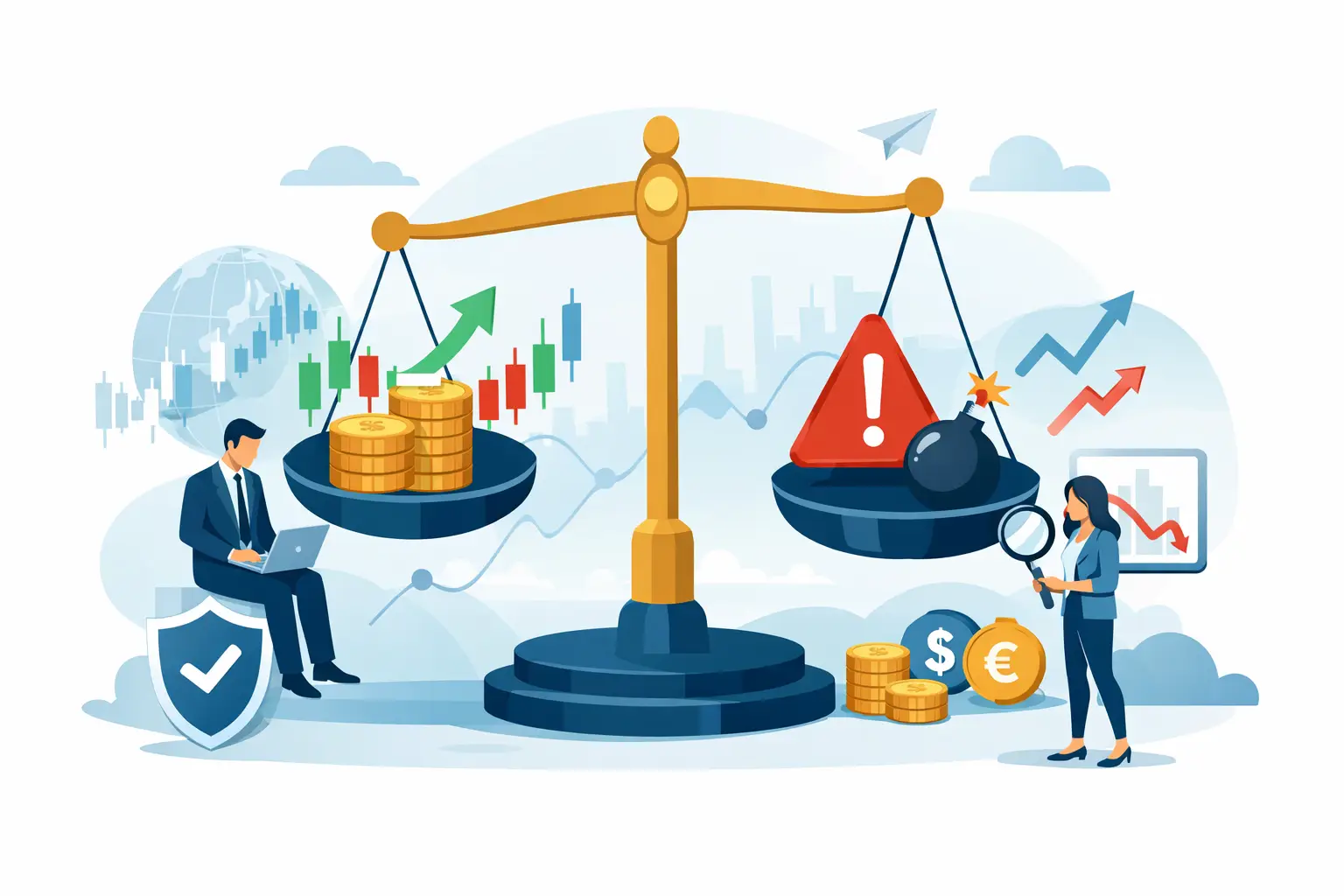
Leverage allows you to control a larger market position with a smaller initial margin deposit. It can make index trading more capital-efficient, but it also magnifies losses. A modest move against an oversized leveraged position can consume a large part of your account balance quickly.
This is where many traders get caught out. They focus on the margin required to open a position rather than the total market exposure they have taken. Margin is not the maximum you can lose. Your stop-loss distance, contract size, and market volatility determine the financial risk of the trade.
Use conservative sizing, especially when you are new to a market or trading around major announcements. Stops are not always guaranteed at the exact requested price during fast conditions, so leaving room in your risk plan for slippage is sensible. Never treat leverage as a reason to trade bigger than your strategy can support.
Costs and Conditions to Check Before You Trade
Before selecting an index product, review the spread, commission structure if applicable, overnight financing, margin requirements, trading hours, and contract specifications. These details affect whether a strategy is practical.
For example, a short-term trader may care most about spreads and execution during active hours. A trader holding a position for several days should pay close attention to overnight financing. Someone trading a market outside its core session should understand that pricing conditions may differ from the busiest trading window.
Platform choice matters too. MT4, MT5, and cTrader support charting, order types, and risk-management tools that can help traders act with more control. Monaxa provides access to multiple platforms, allowing traders to choose an environment that fits their workflow and preferred instruments, subject to regional availability.
Start With Process, Not Prediction
You do not need to predict every tick to trade indices well. You need a repeatable process for deciding when conditions favor a trade, when they do not, and how much you can lose if your view is wrong.
Use a demo environment if available to learn contract values and platform behavior. Keep a record of entries, exits, reasoning, and risk decisions. Over time, that record can reveal whether your edge comes from trend trades, range setups, news avoidance, or simply better discipline.
Indices can give traders efficient access to some of the world’s most closely watched markets. Start small, respect leverage, and let clear risk limits guide every position you take.