 English
 Portuguese
 Bahasa
Melayu
Bahasa
Melayu ไทย
ไทย 中文
中文 Tiếng Việt
 Español
 हिन्दी
 日本語
日本語 العربية
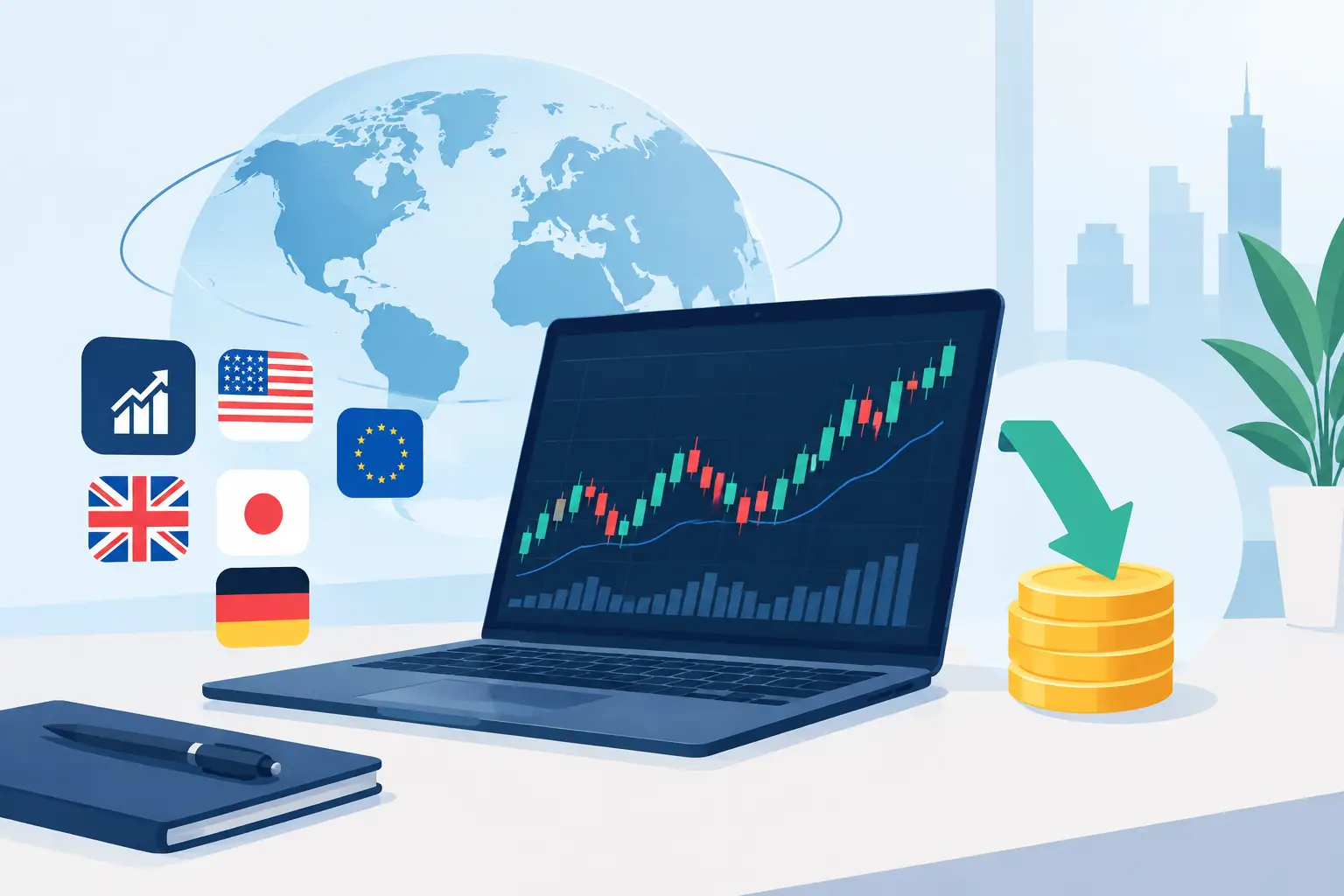
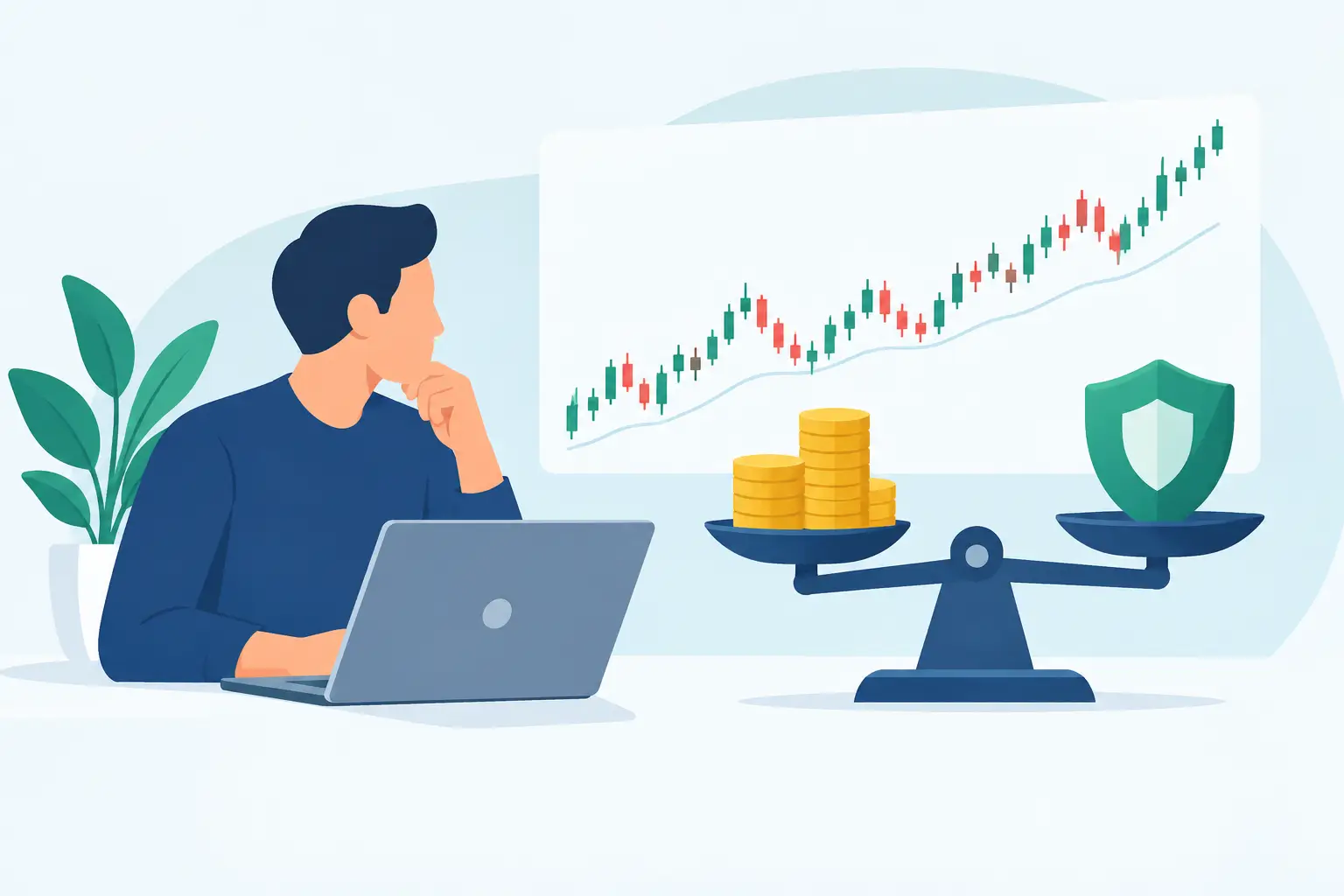
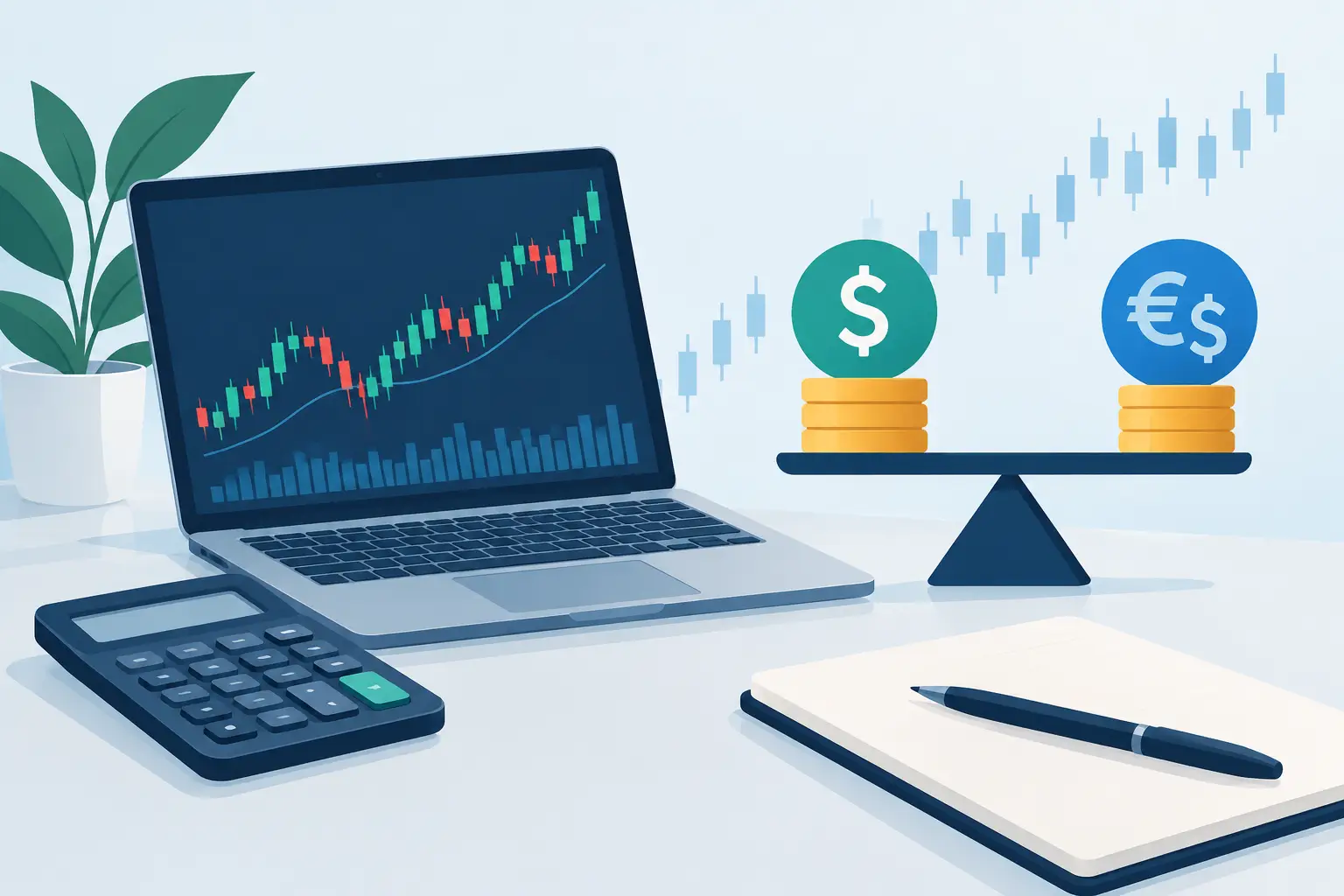
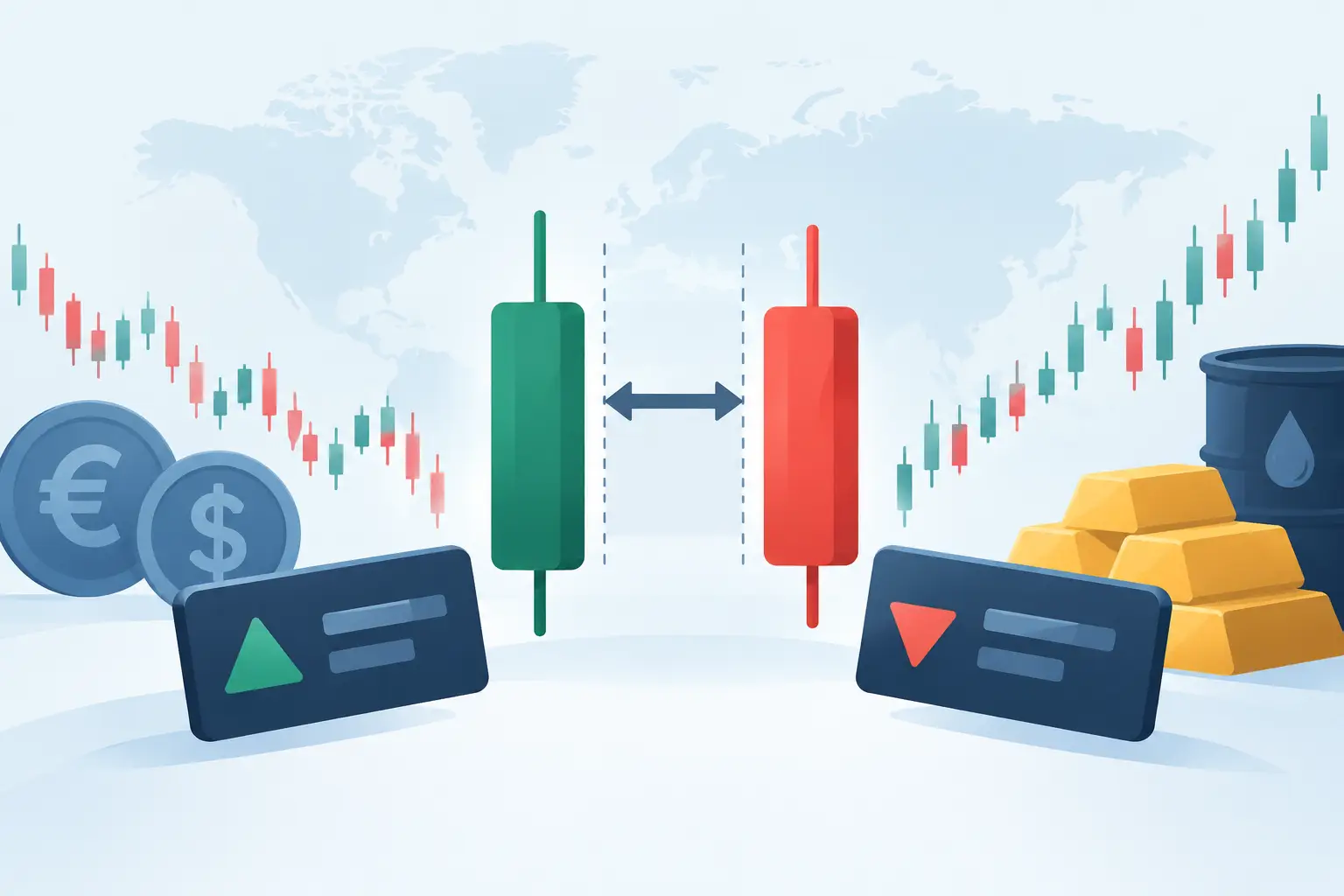
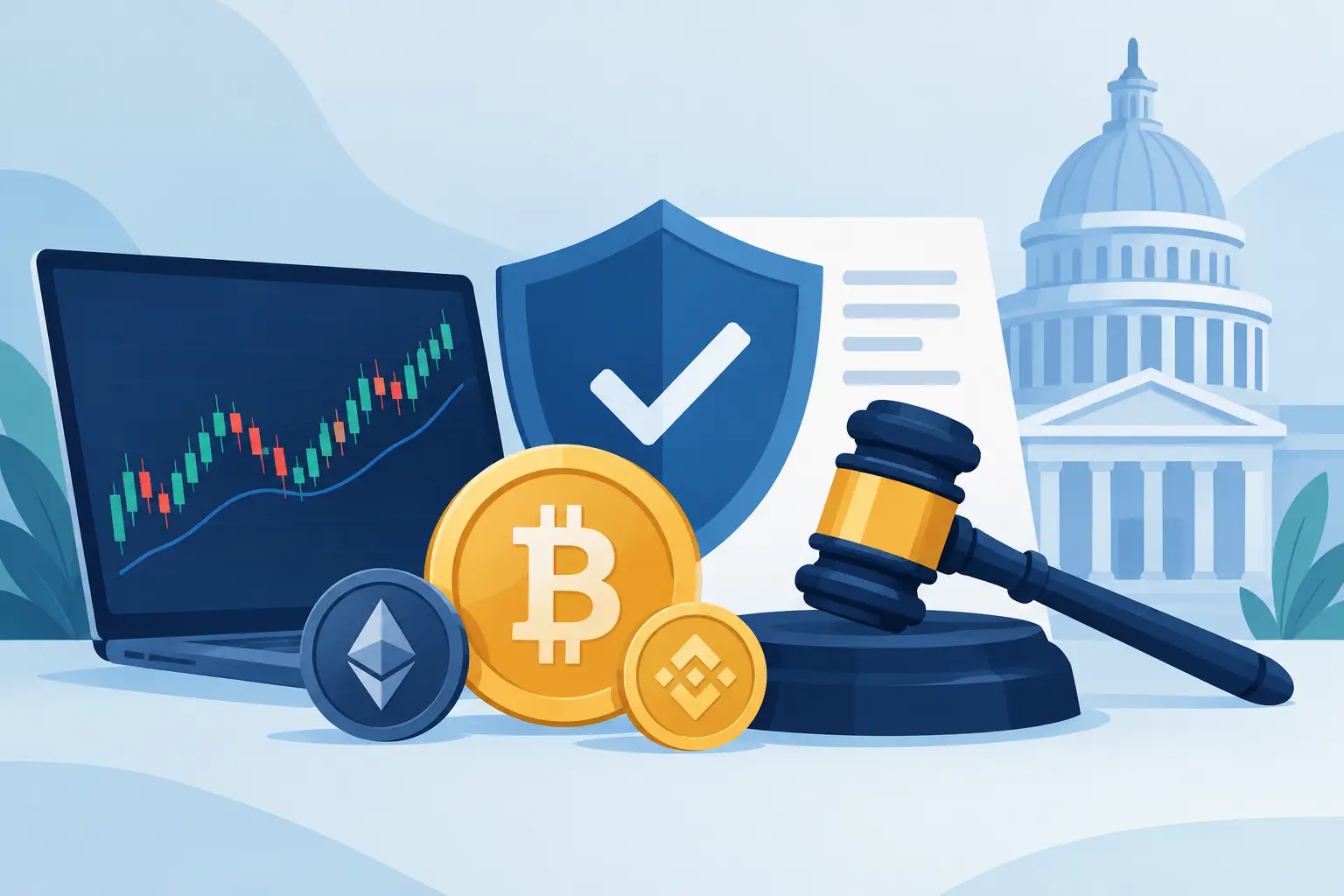
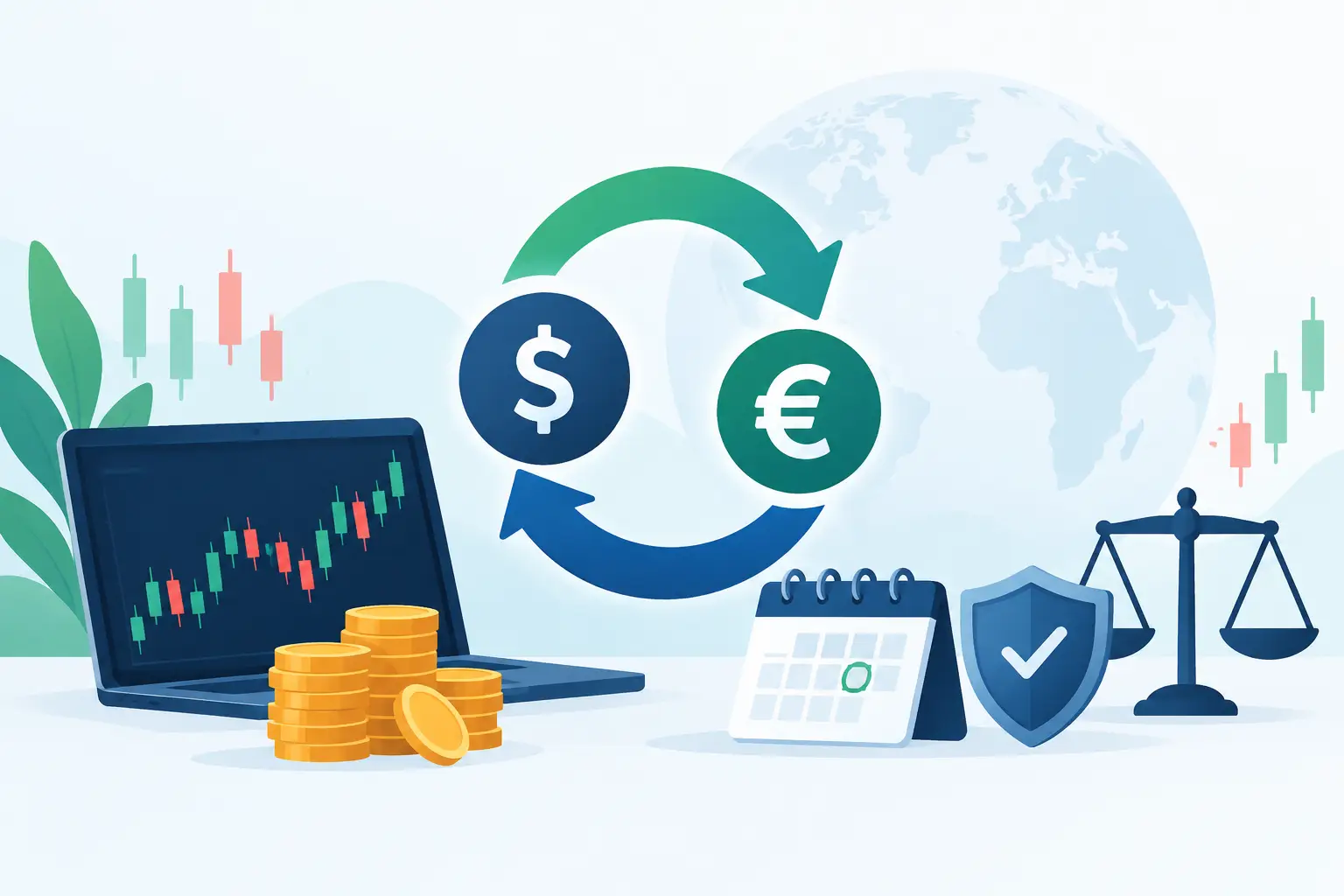
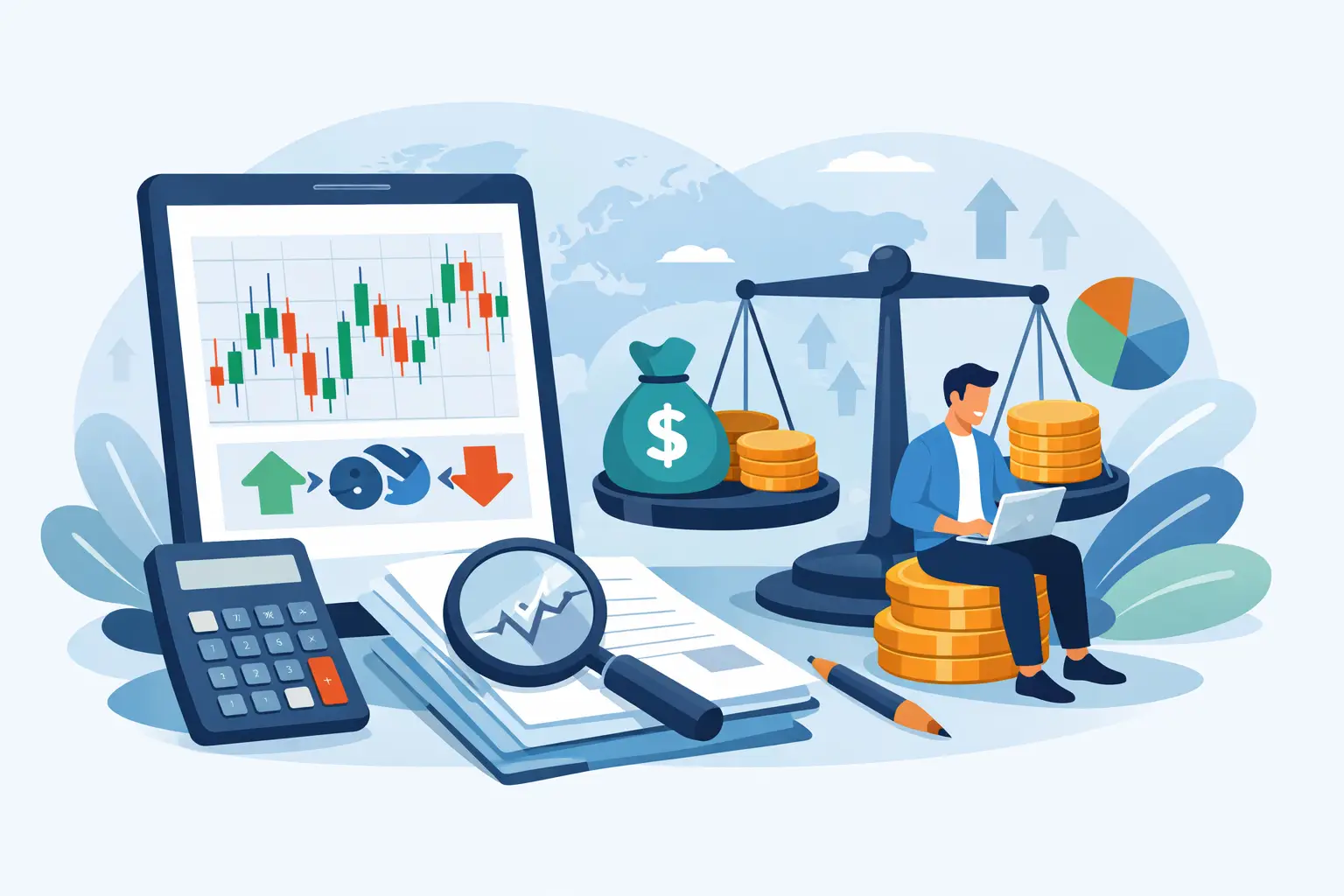
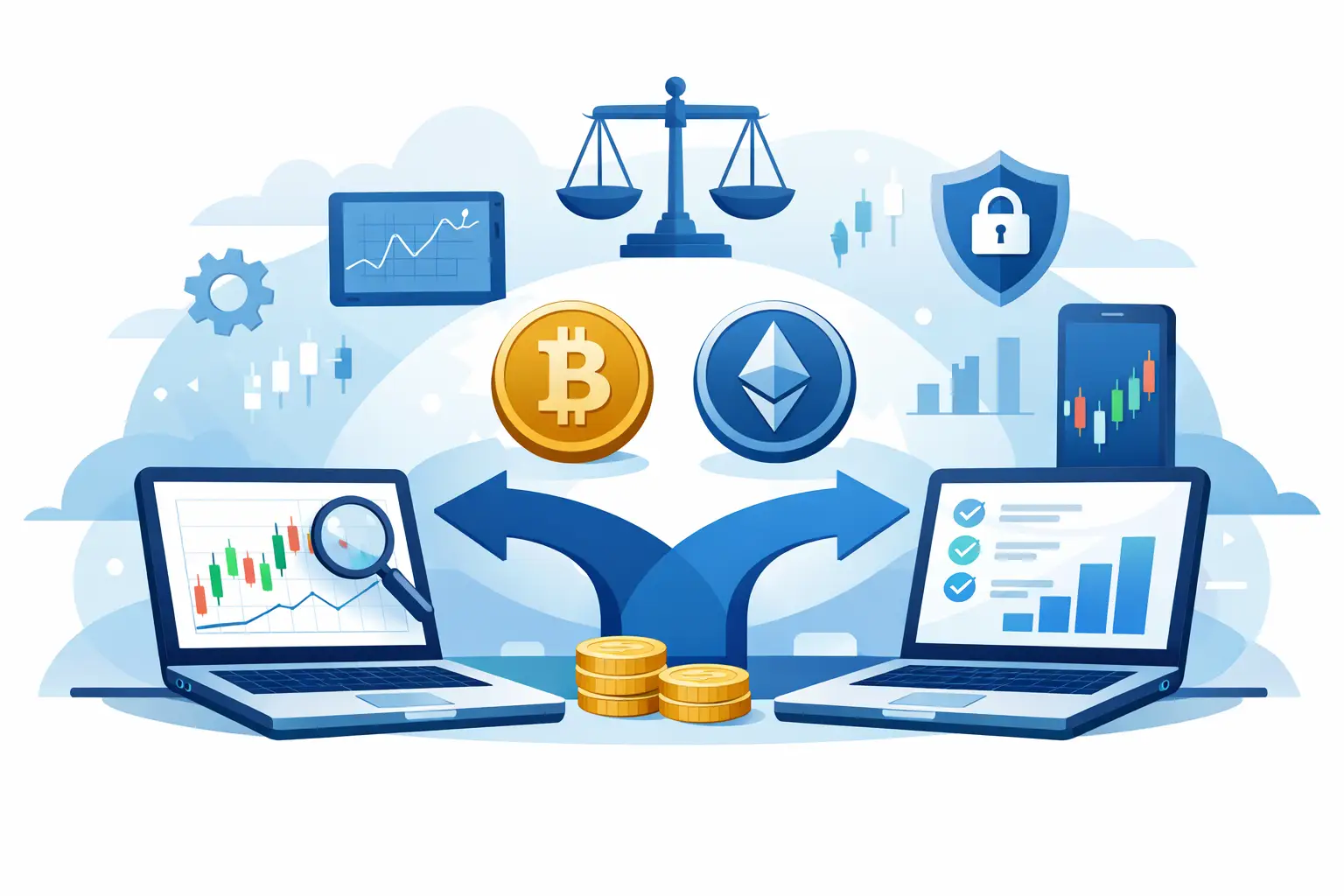
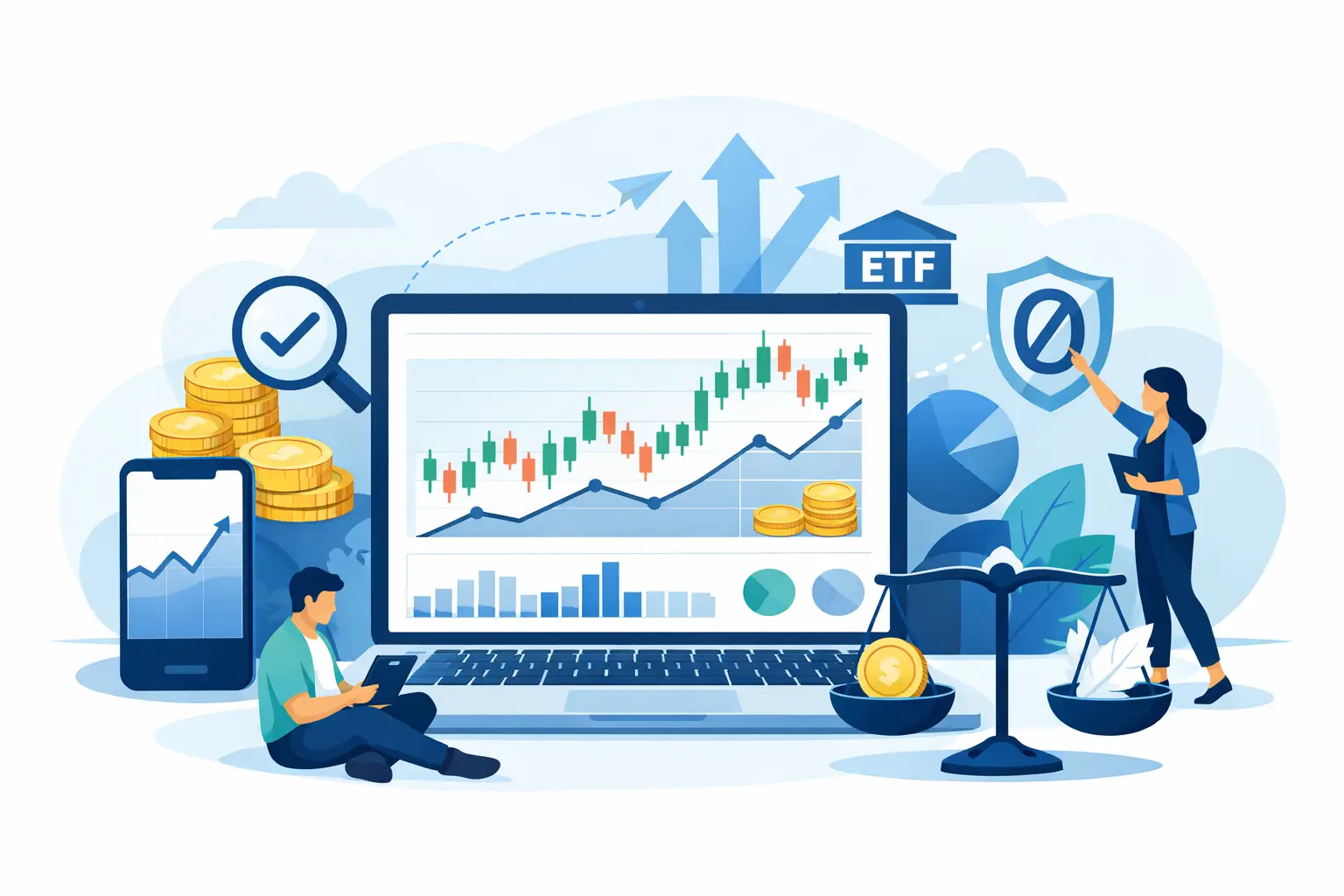
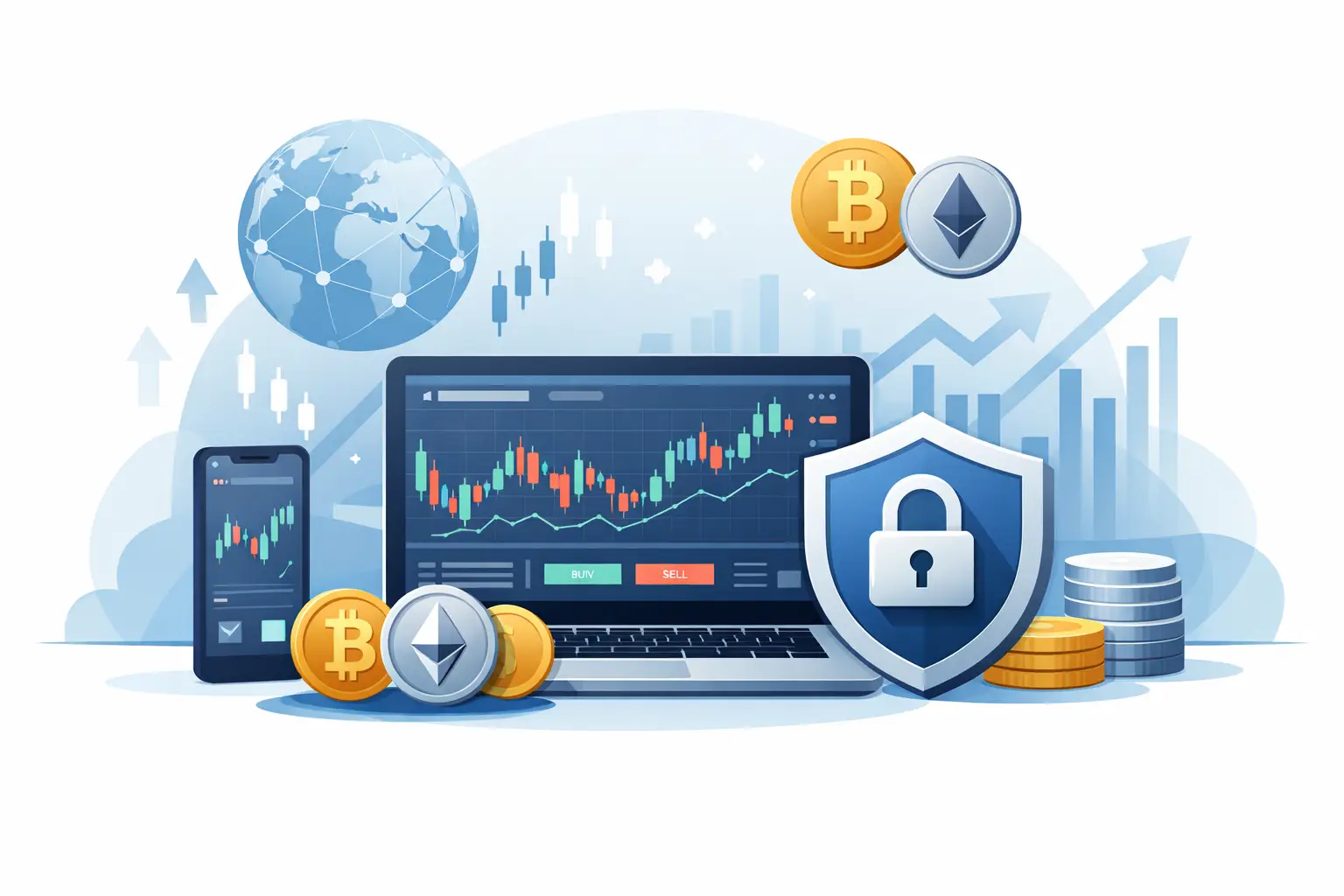
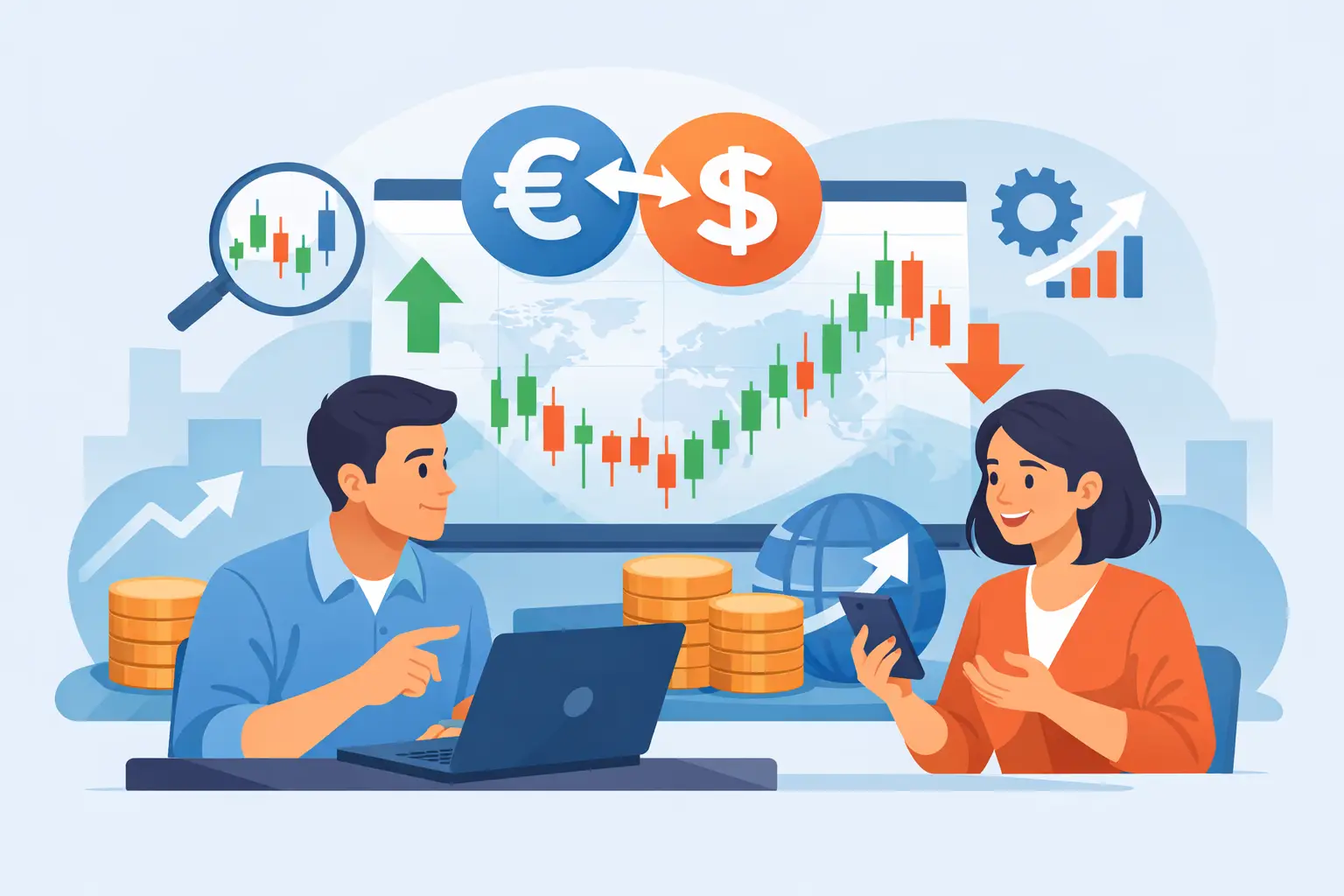
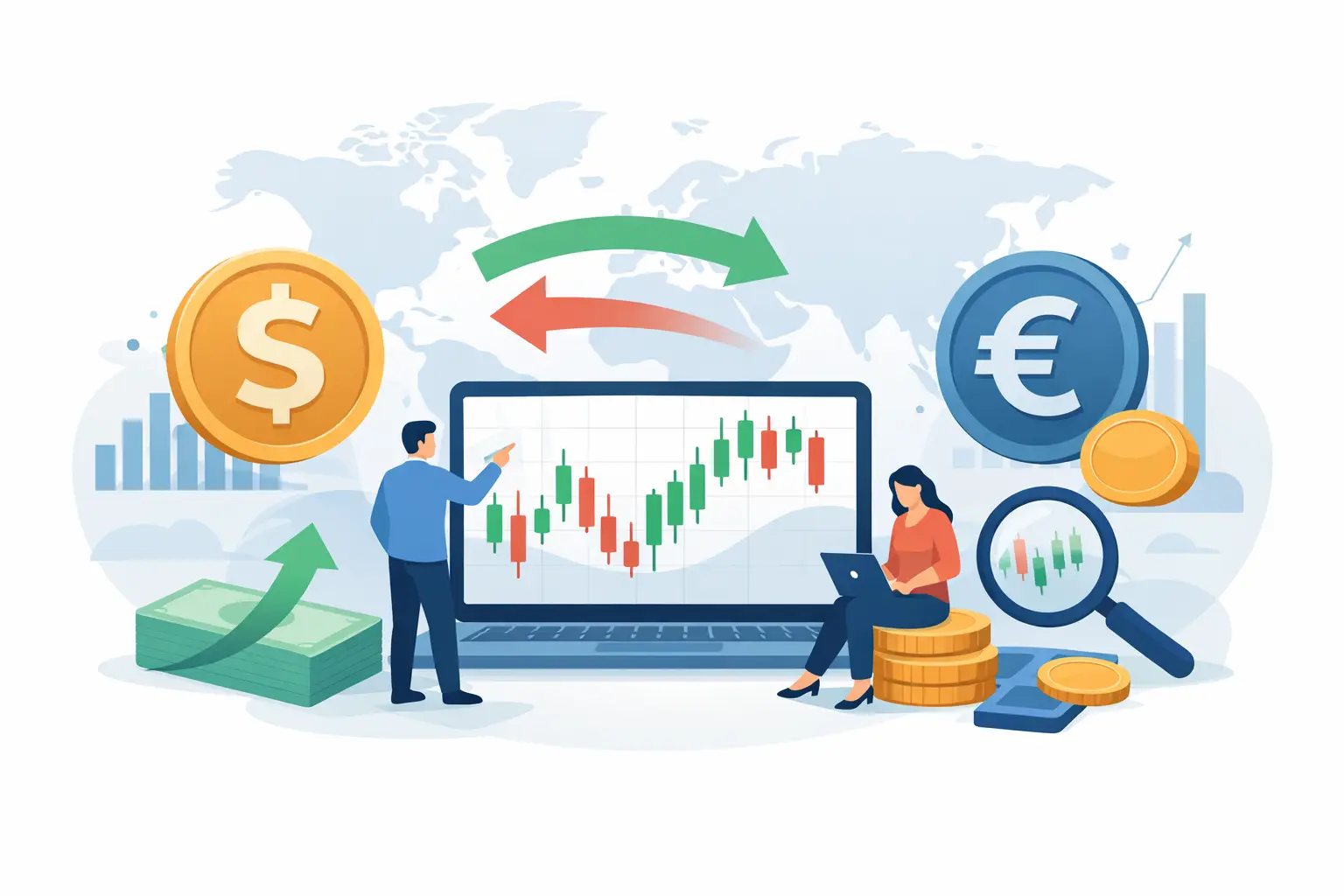
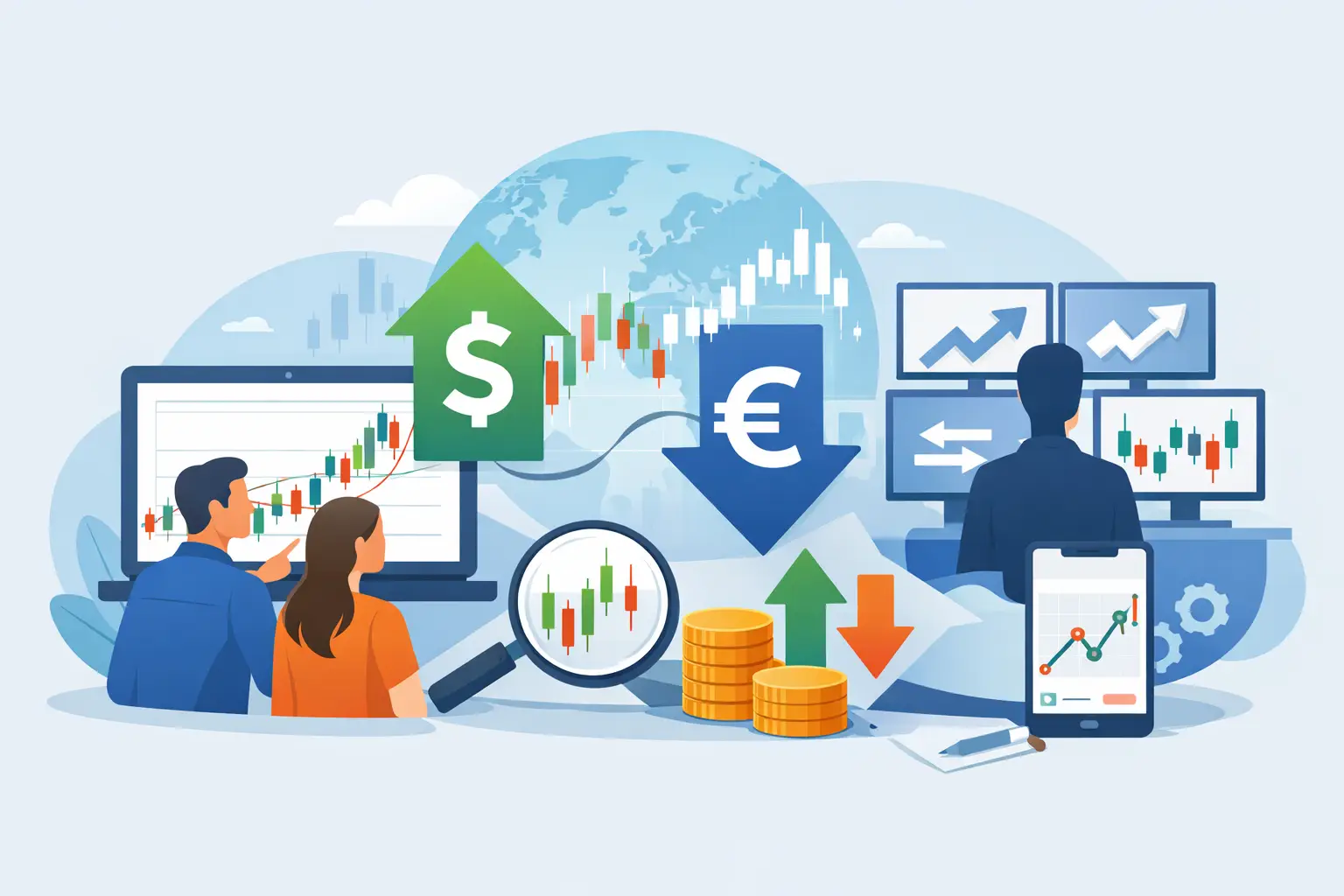
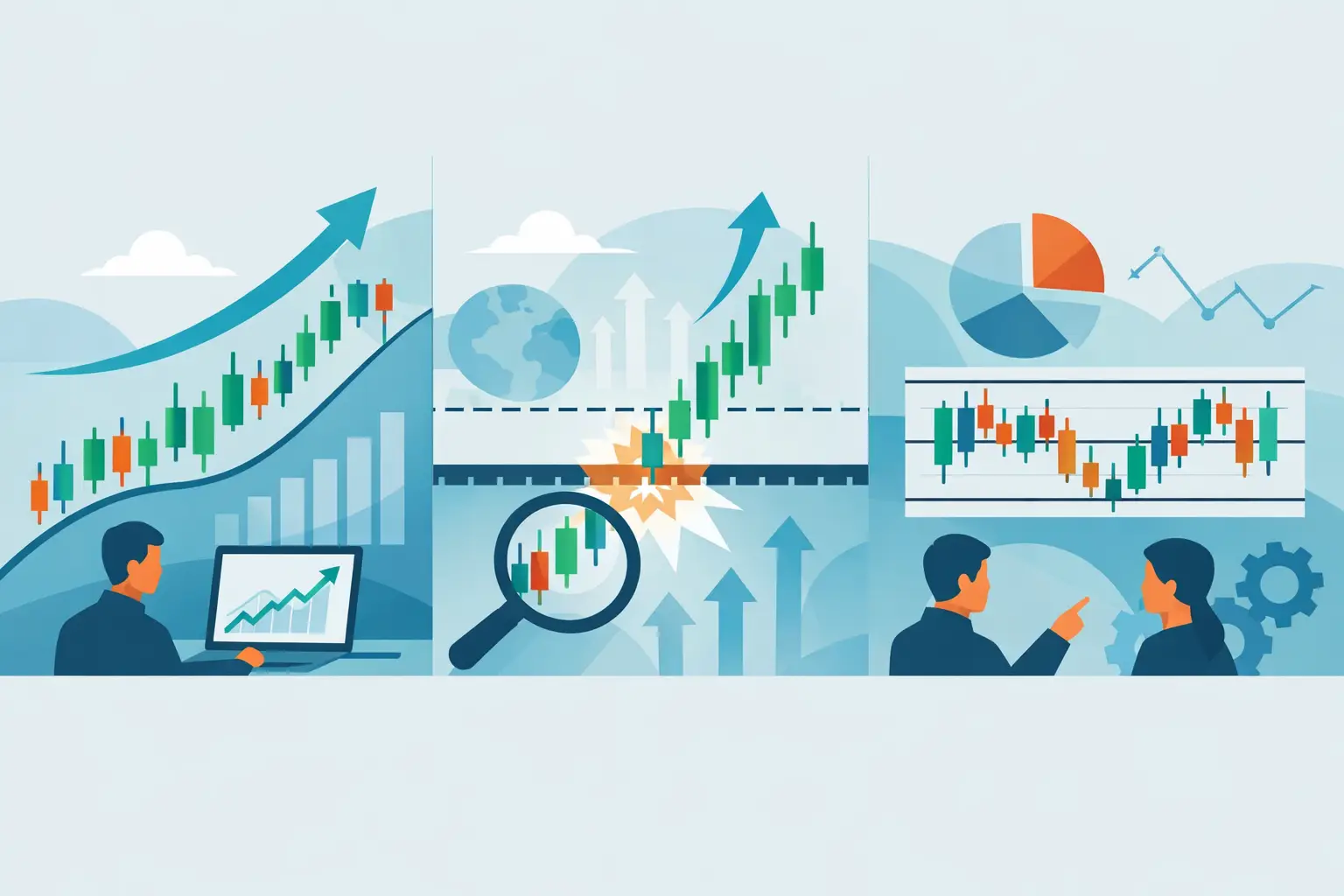
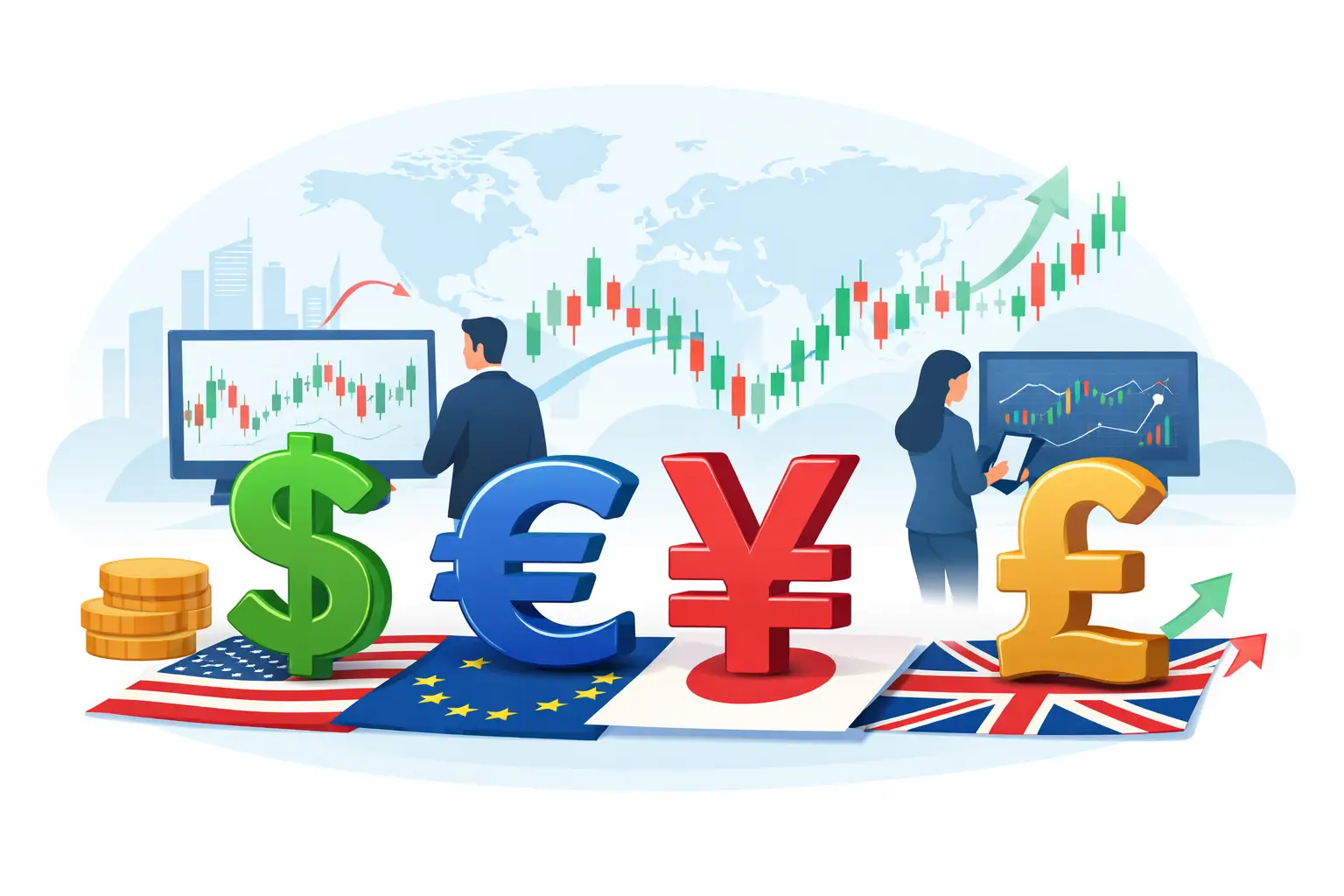
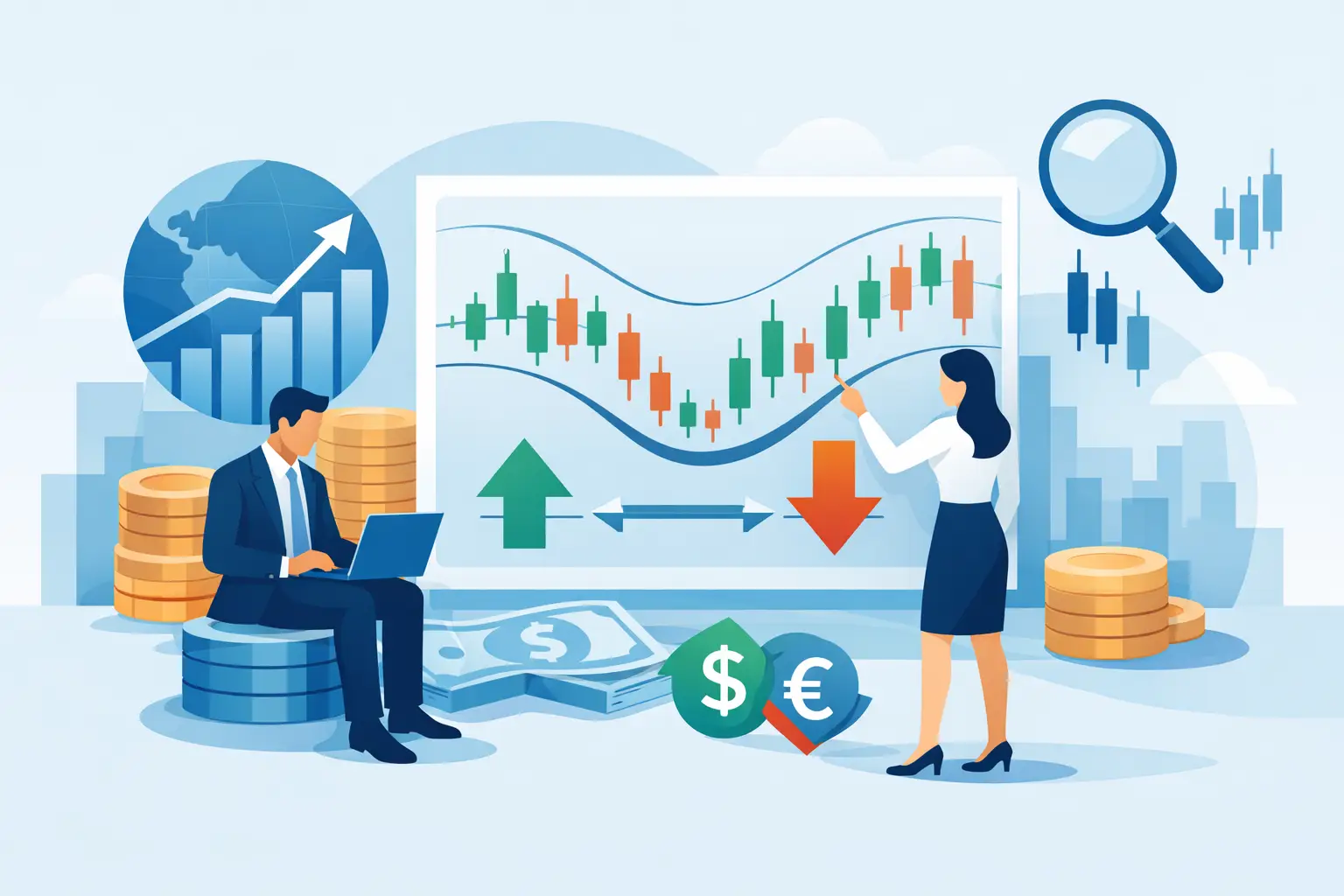
A chart can make forex look simple: one currency rises, another falls, and a trade appears to offer a clear opportunity. The hard part is making a decision before the next candle forms, with risk, leverage, spreads, and emotion all in the equation. Knowing where to learn forex trading online: courses, simulators and communities gives new traders a better starting point than trying to build a strategy from scattered social media clips.
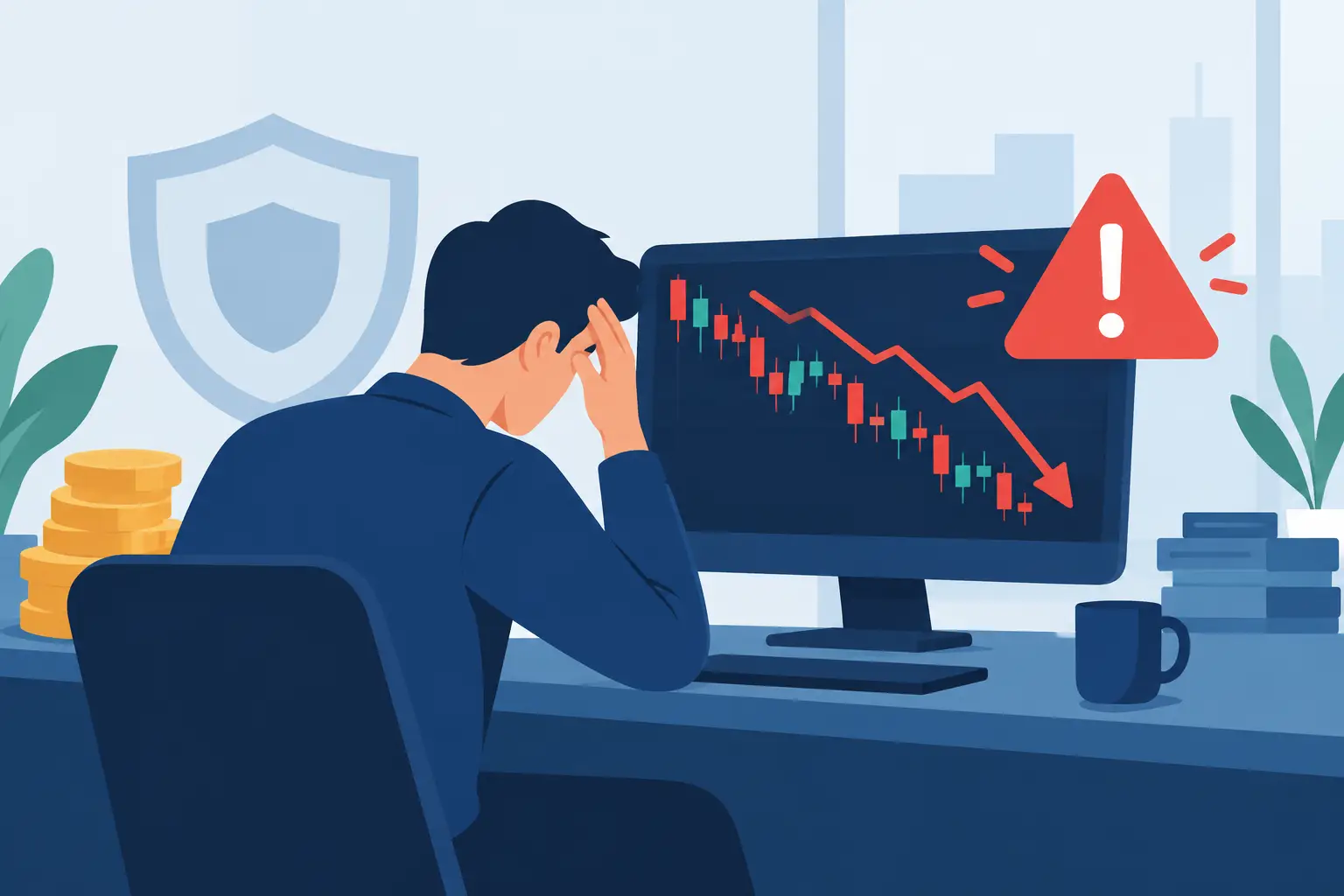
The strongest learning path is not one platform, one mentor, or one indicator. It is a sequence: learn the market language, practice in a simulated environment, review your decisions, and use a credible trading community to pressure-test your thinking. Education can improve preparation, but it cannot remove market risk or guarantee profits. Forex and CFDs are leveraged products, so losses can move quickly when position size and risk controls are ignored.
Where to Learn Forex Trading Online: Courses, Simulators and Communities
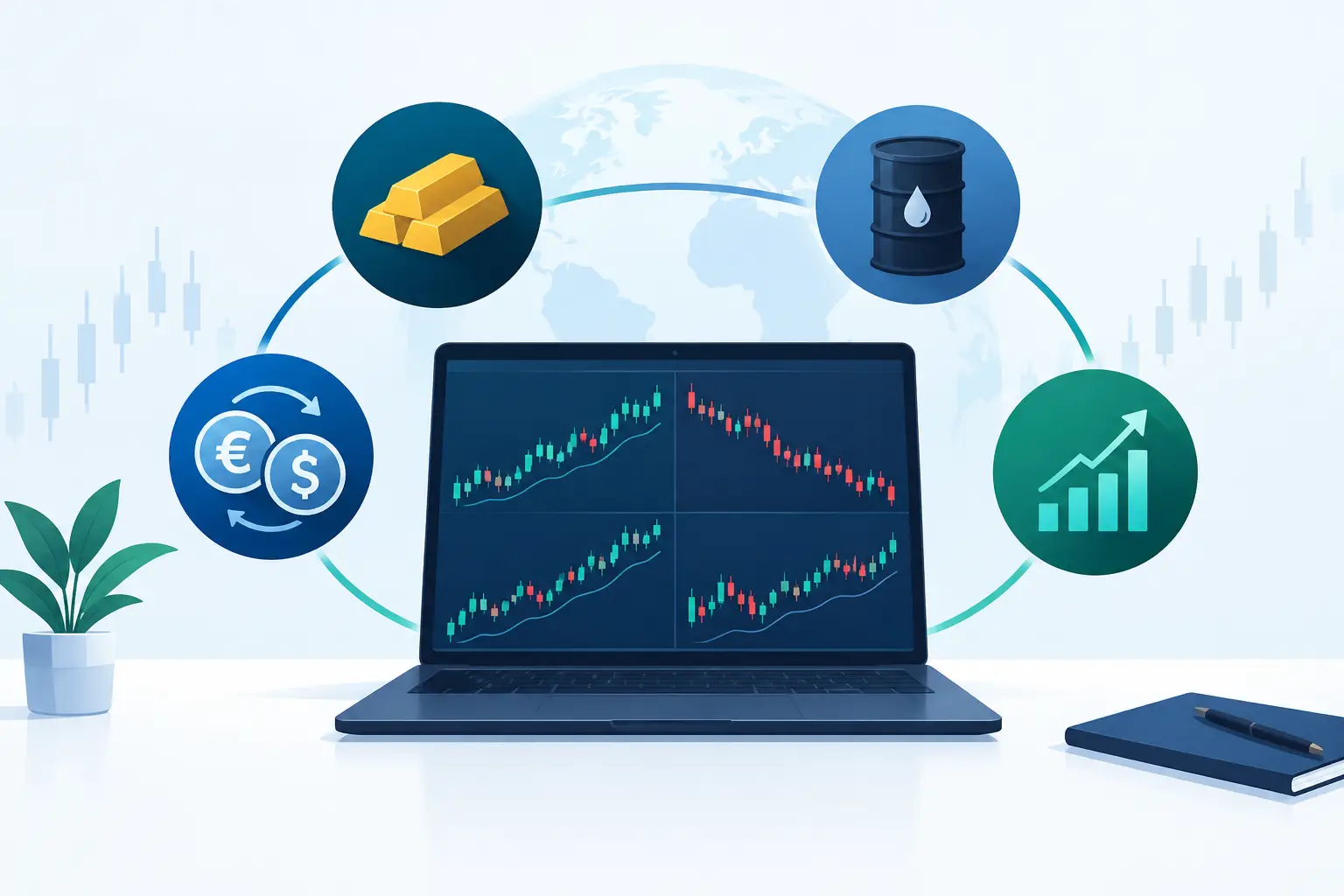
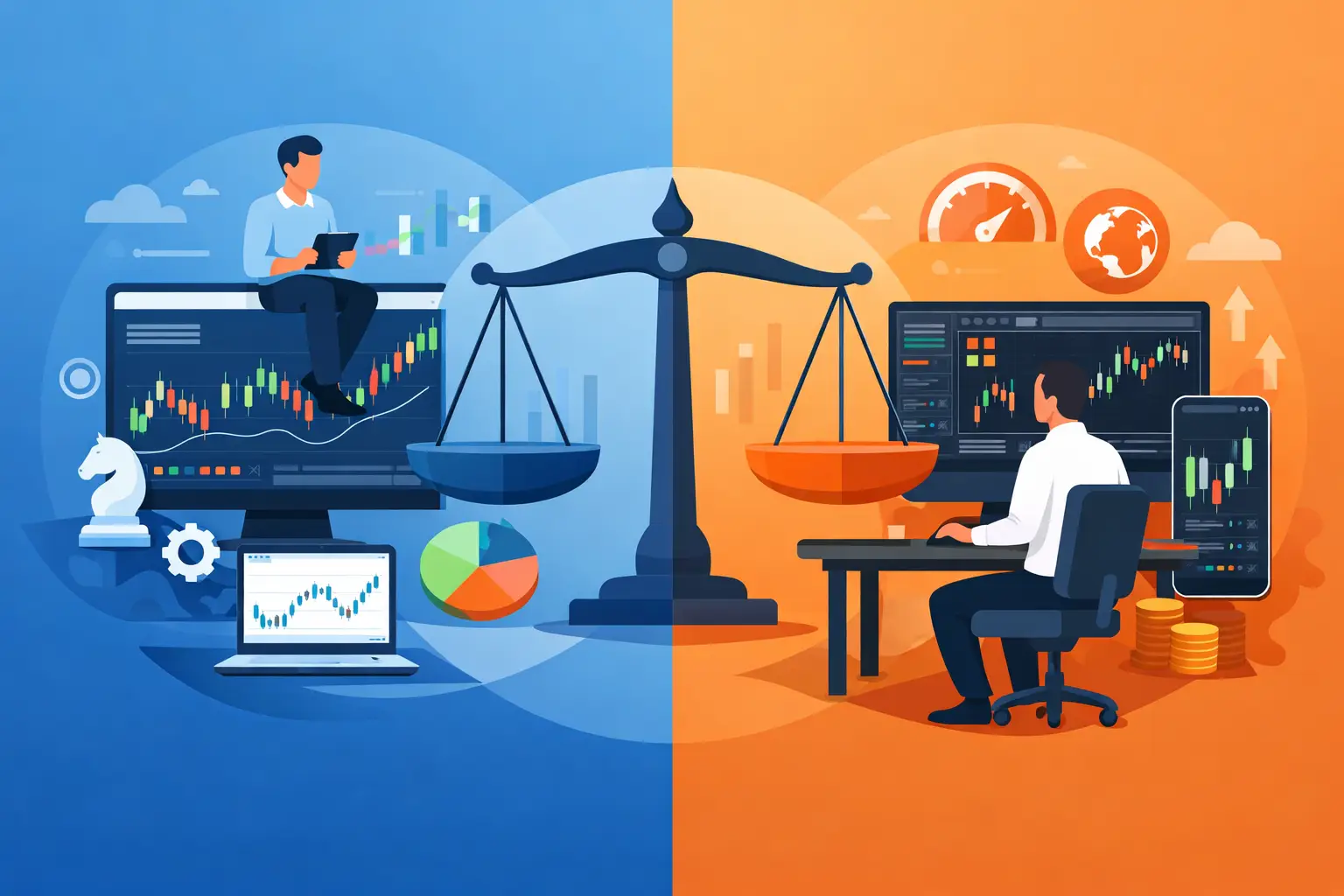
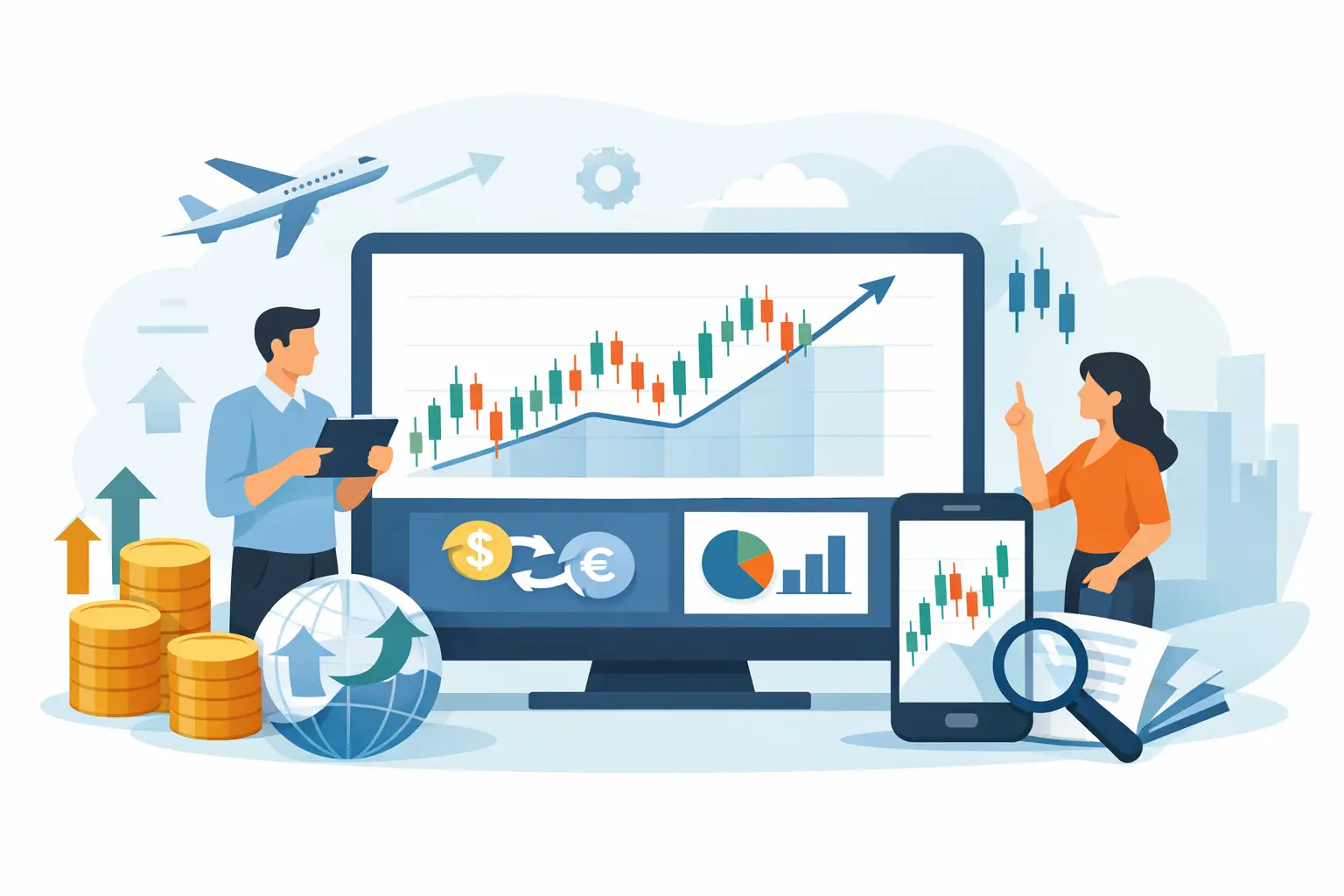
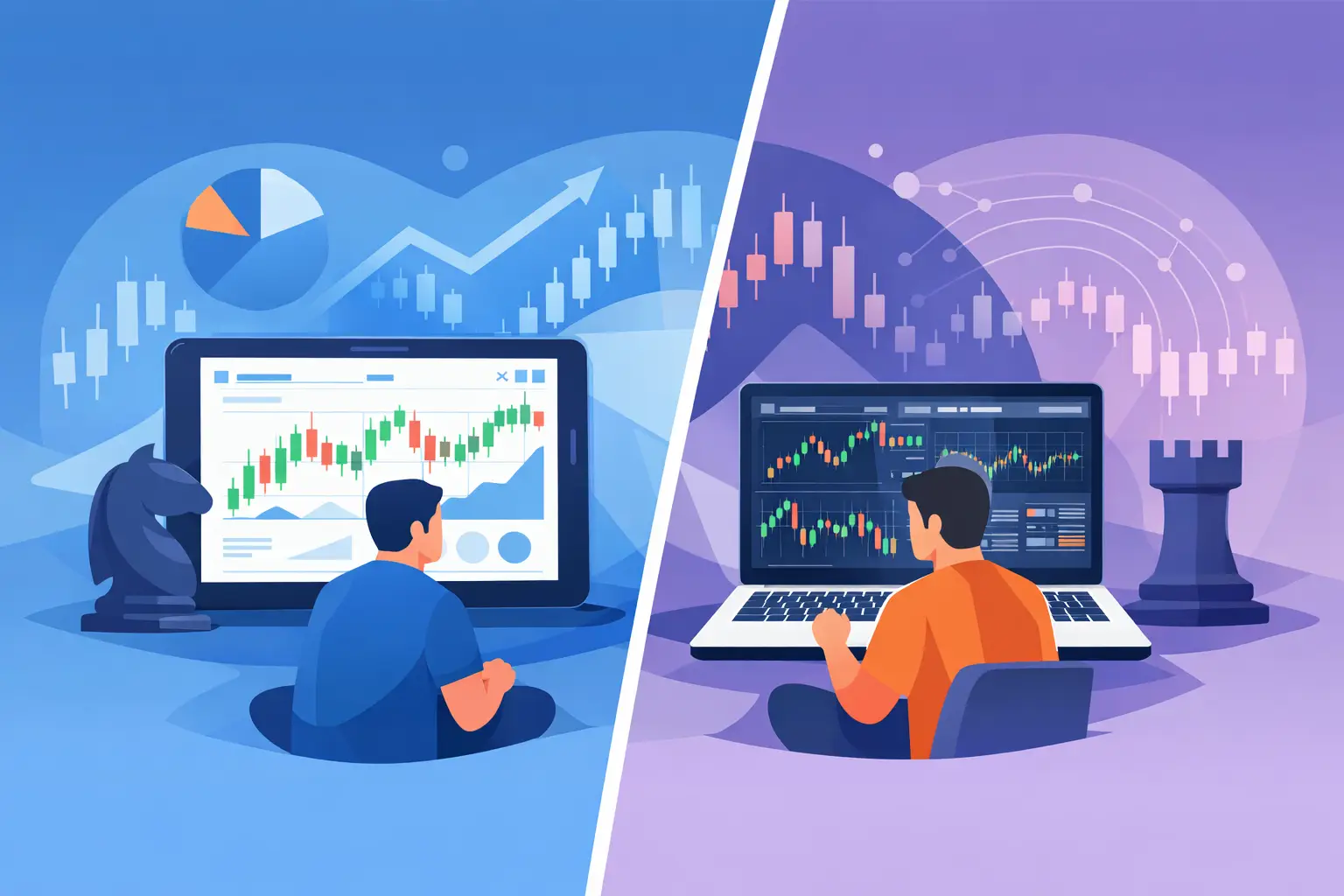
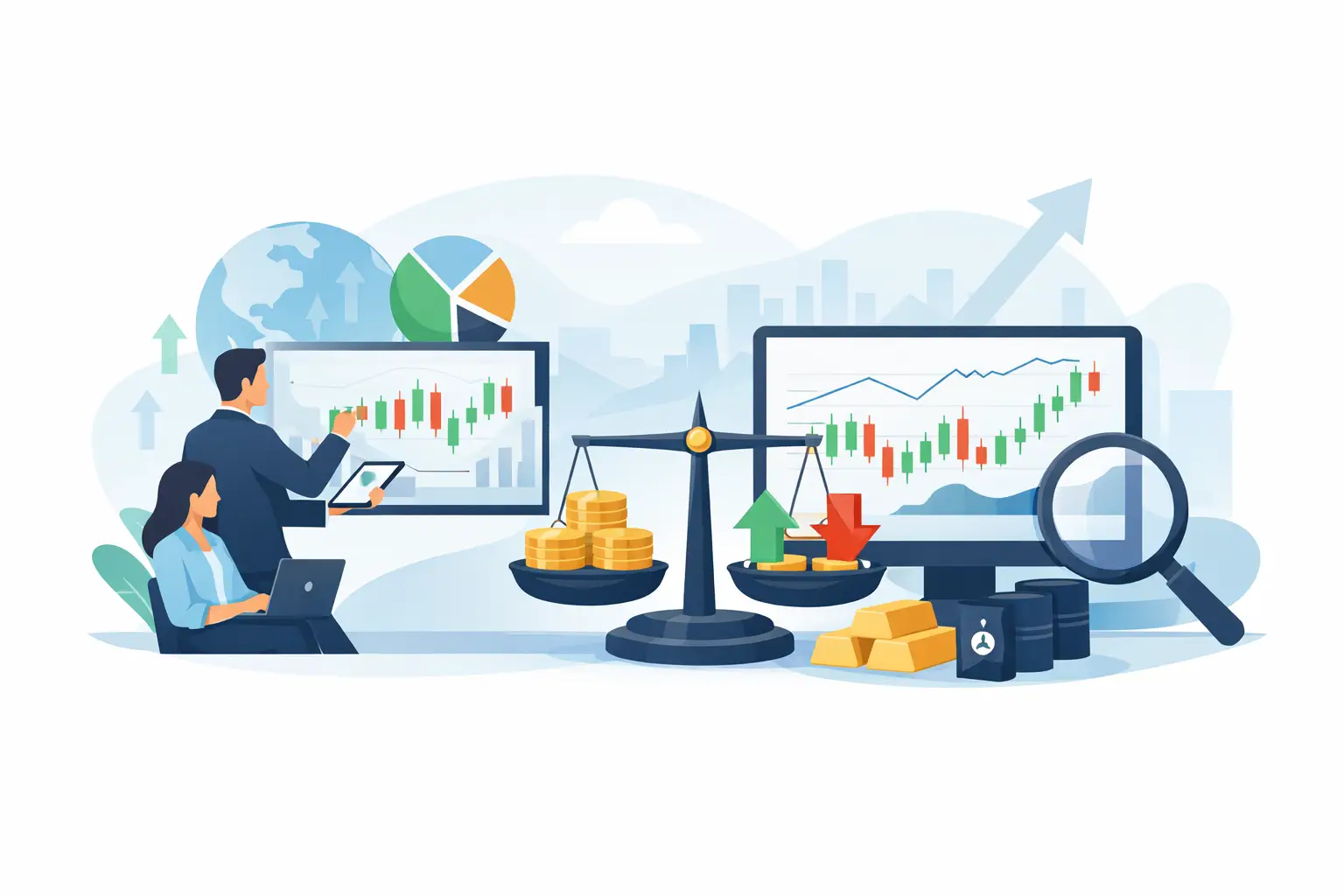
Online forex education is easiest to evaluate when you separate it by purpose. Courses explain concepts and give you a framework. Simulators let you apply that framework without immediately putting capital at risk. Communities expose you to different approaches, market ideas, and the discipline of explaining a trade clearly.
Each resource has limits. A polished course can teach terminology but cannot create discipline for you. A demo account can build platform familiarity, yet simulated execution does not fully reproduce the pressure of trading real money. A community can offer useful perspective, but it can also amplify poor habits if members treat opinions as trade signals.
Use each resource for the job it does best. That is how education becomes a practical trading process rather than a collection of bookmarked videos.
Start With a Structured Forex Course
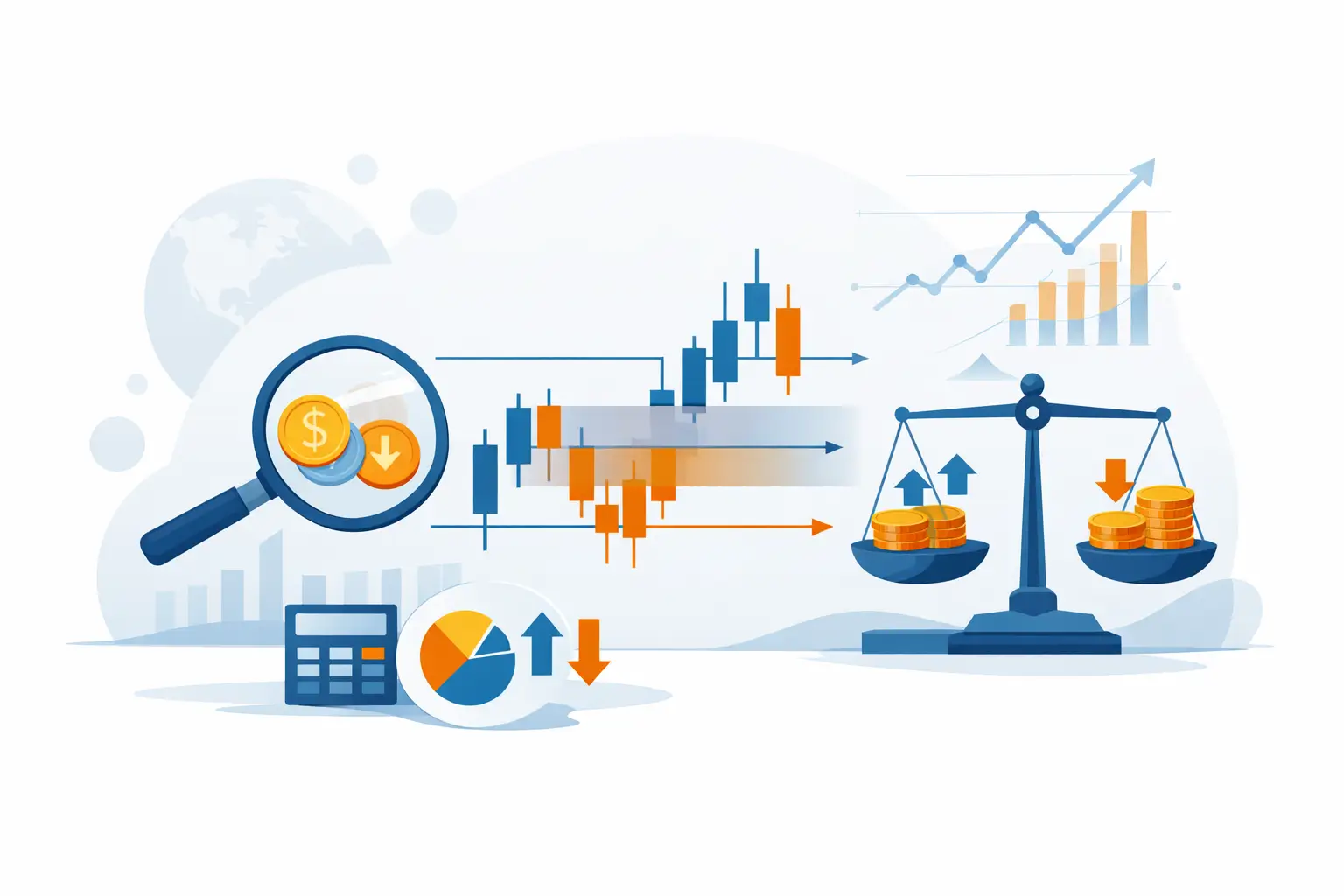
A good beginner course should explain how currency pairs work before it moves into strategy. You should understand base and quote currencies, pips, lots, bid and ask prices, spreads, margin, leverage, and stop-loss orders. These are not minor definitions. They determine how a position is priced, how much it can gain or lose, and when insufficient margin may affect an open trade.
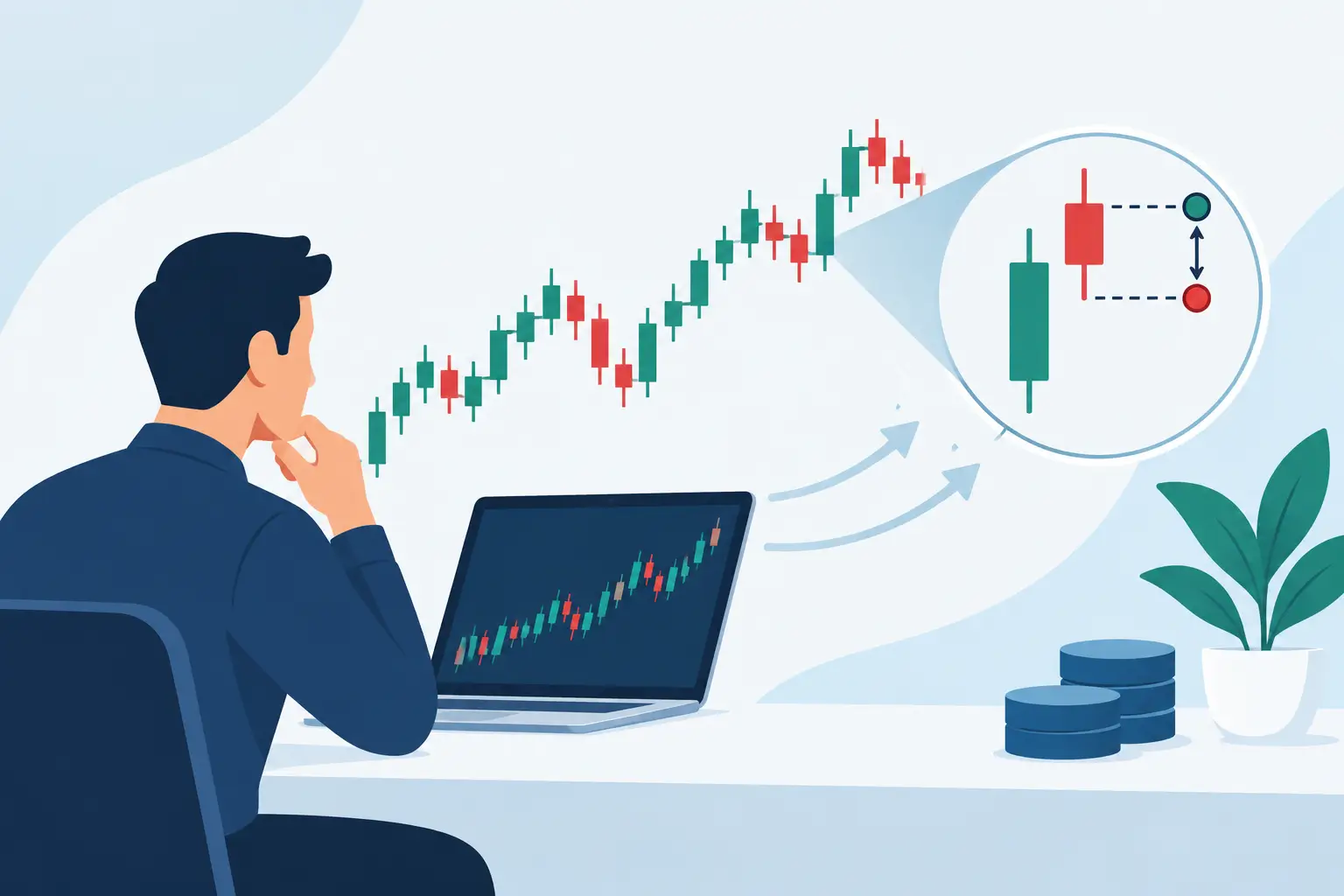
Look for education that also covers the forces behind currency movement. Central bank decisions, inflation reports, employment data, geopolitical events, and risk sentiment can all influence forex markets. Technical analysis matters, but a chart pattern can fail quickly when major economic news changes expectations for interest rates or growth.
What separates useful courses from promotional noise
The best courses show their assumptions. If a strategy uses trend following, it should explain how a trend is identified, where a trade becomes invalid, how targets are selected, and what happens during a range-bound market. If it uses short-term entries around news, it should address volatility, wider spreads, and the possibility of fast price movement.
Be cautious with any course built around certainty. Claims of guaranteed returns, secret institutional methods, or consistently high win rates should raise questions. A credible educator spends time on risk-reward ratios, drawdowns, losing streaks, and position sizing because these realities shape whether a strategy is usable over time.
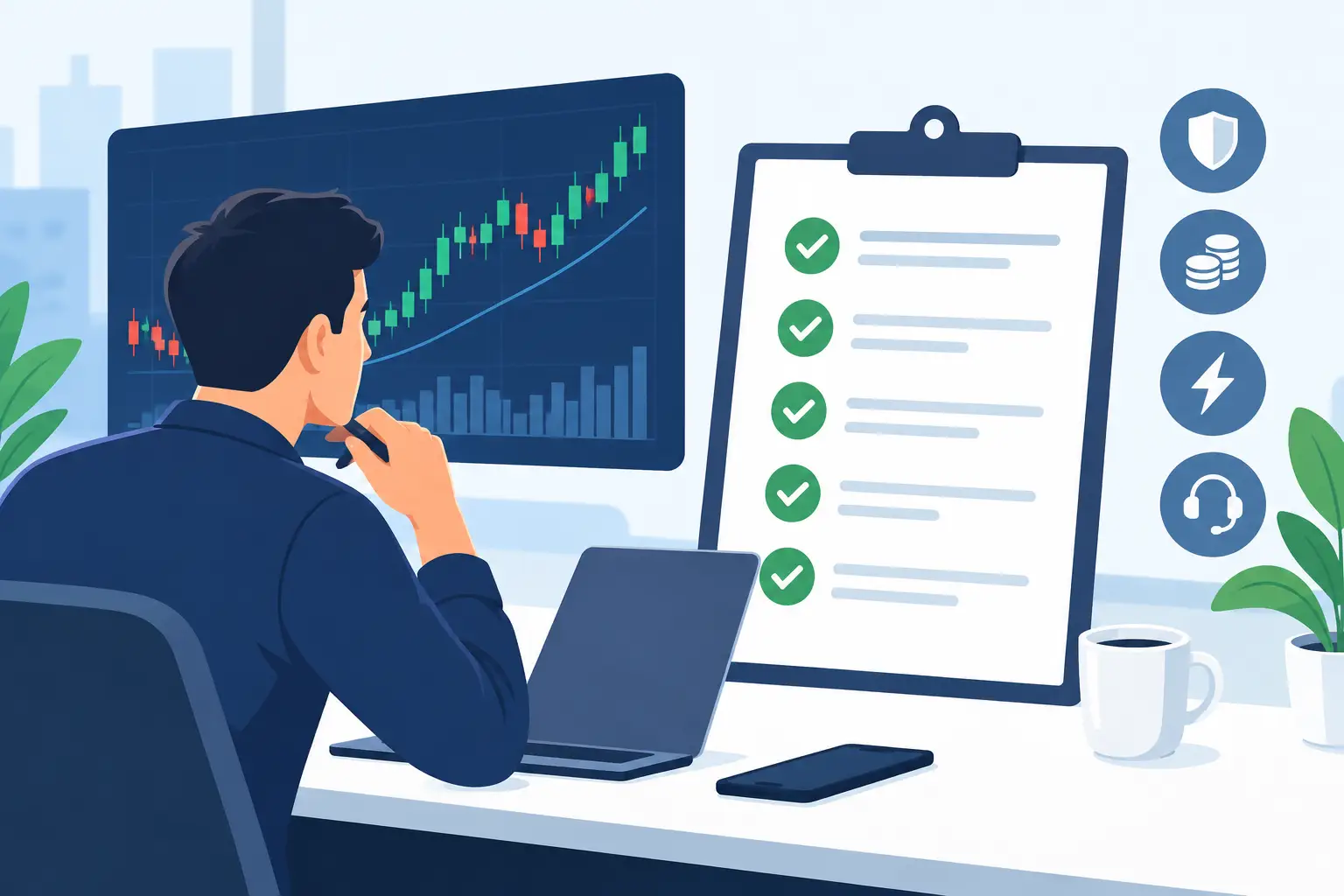
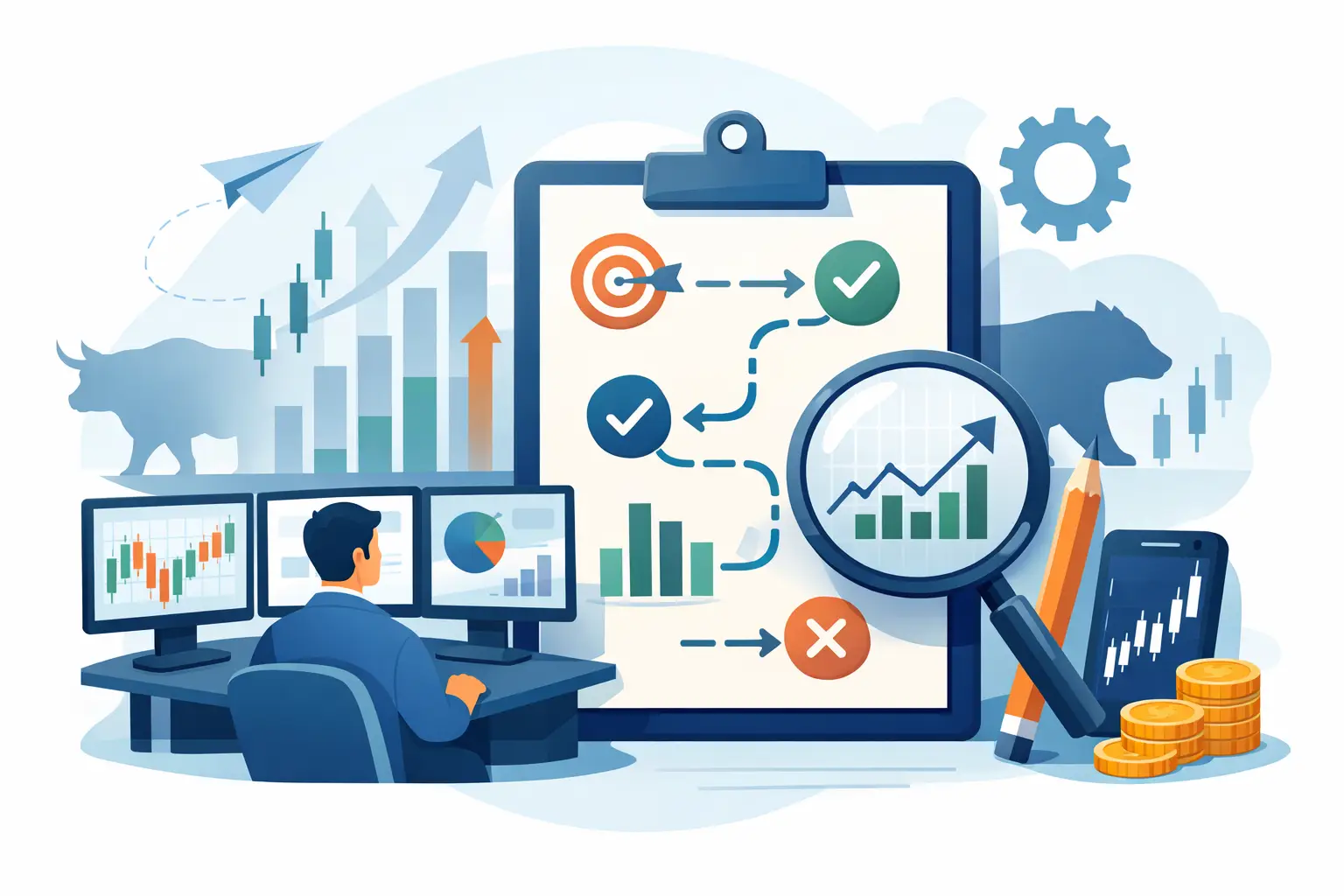
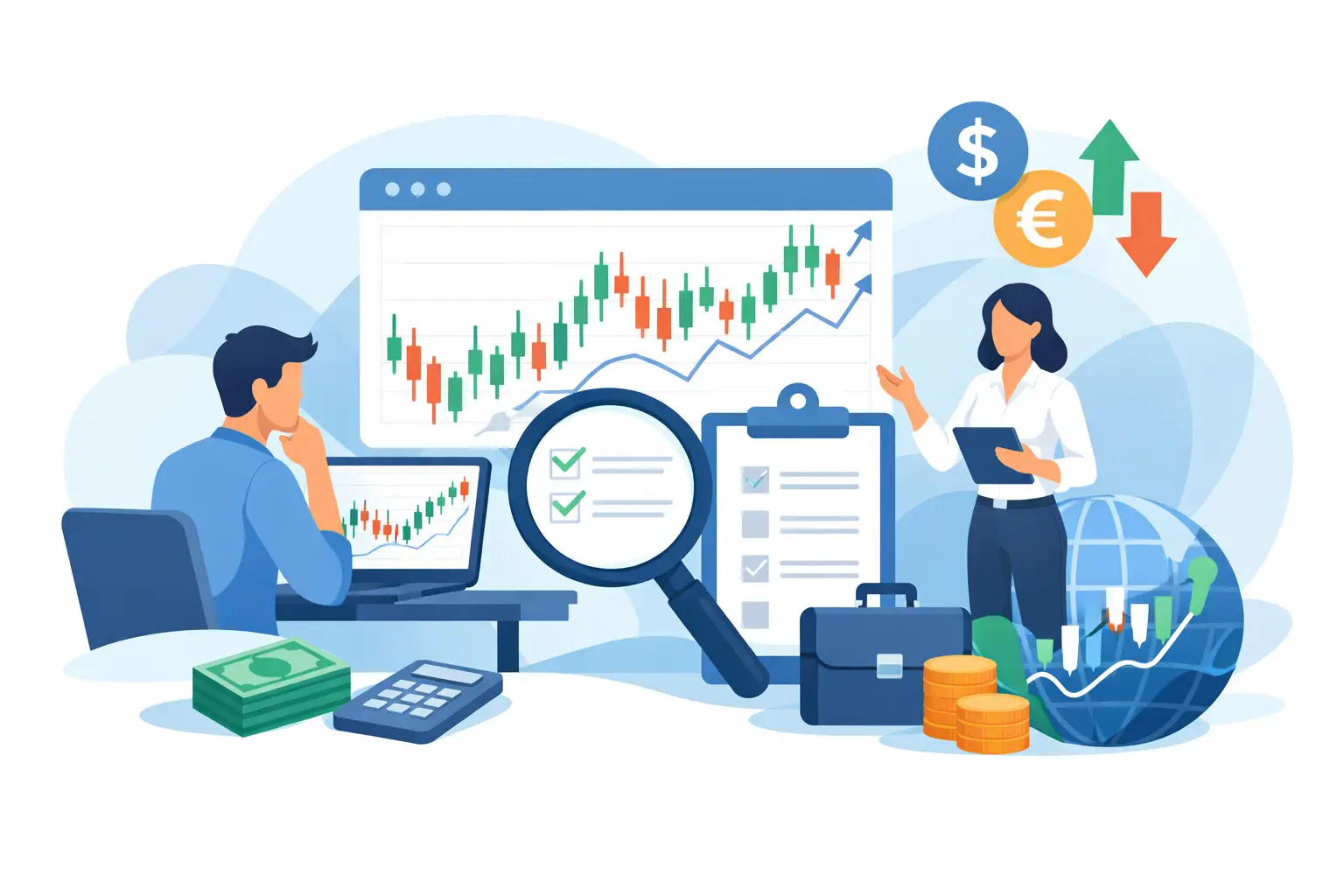
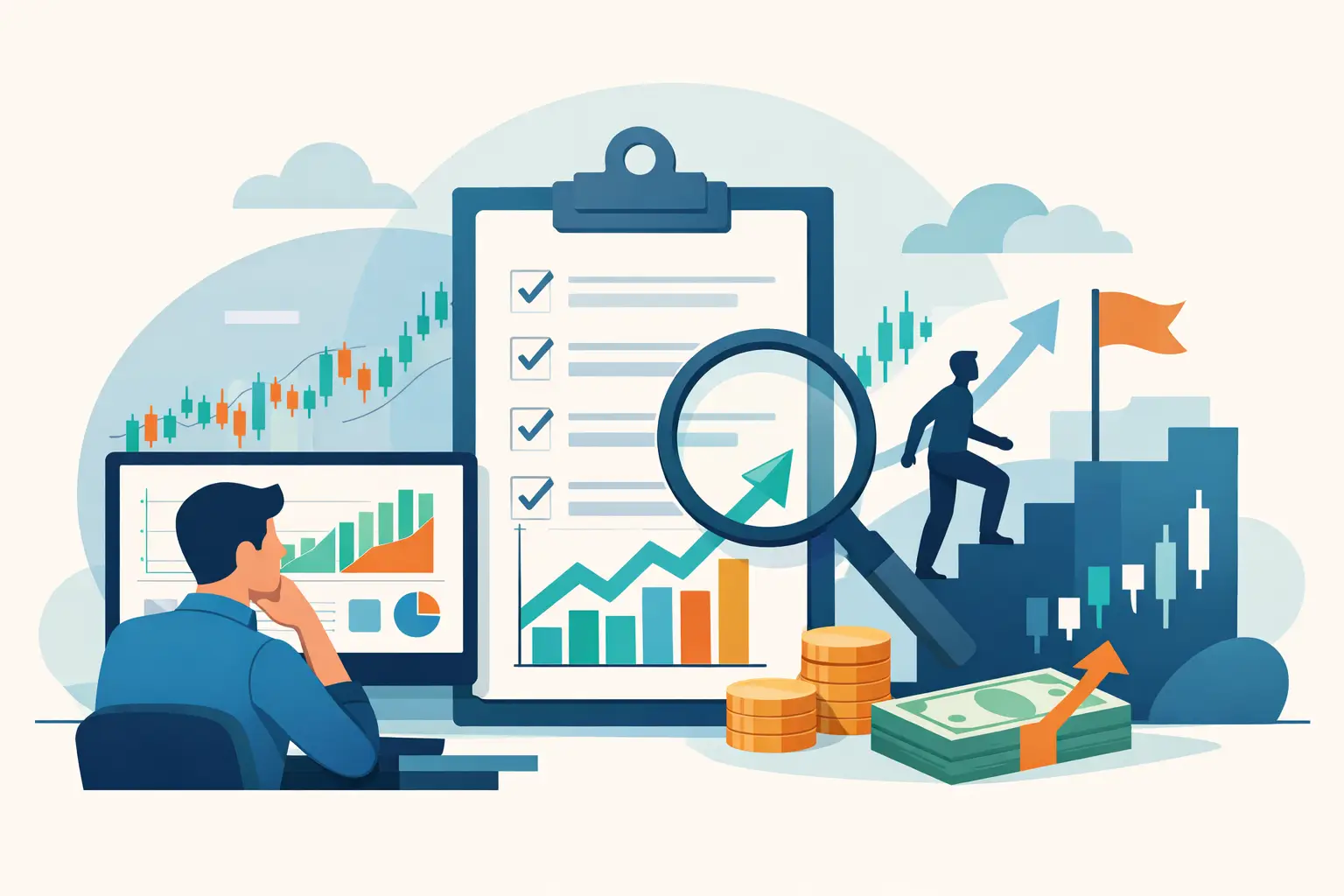
A course is most valuable when it gives you a repeatable checklist. Before placing a trade, you should be able to answer: What is the market context? What is the entry trigger? Where is the stop? How much of the account is at risk? What event could invalidate the idea? If the material cannot help you answer those questions, it may be more entertainment than training.
Use Forex Simulators to Build Execution Skills
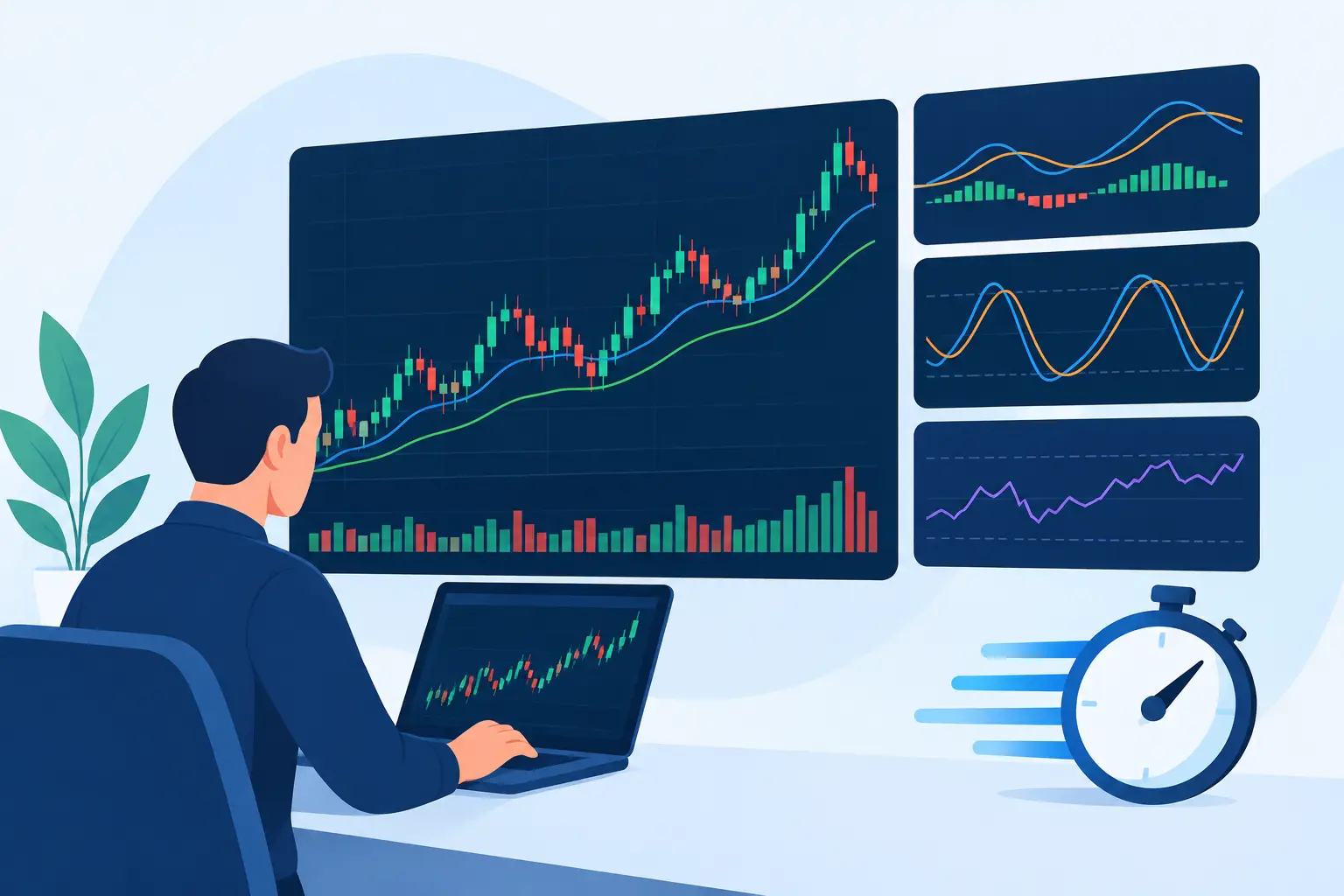
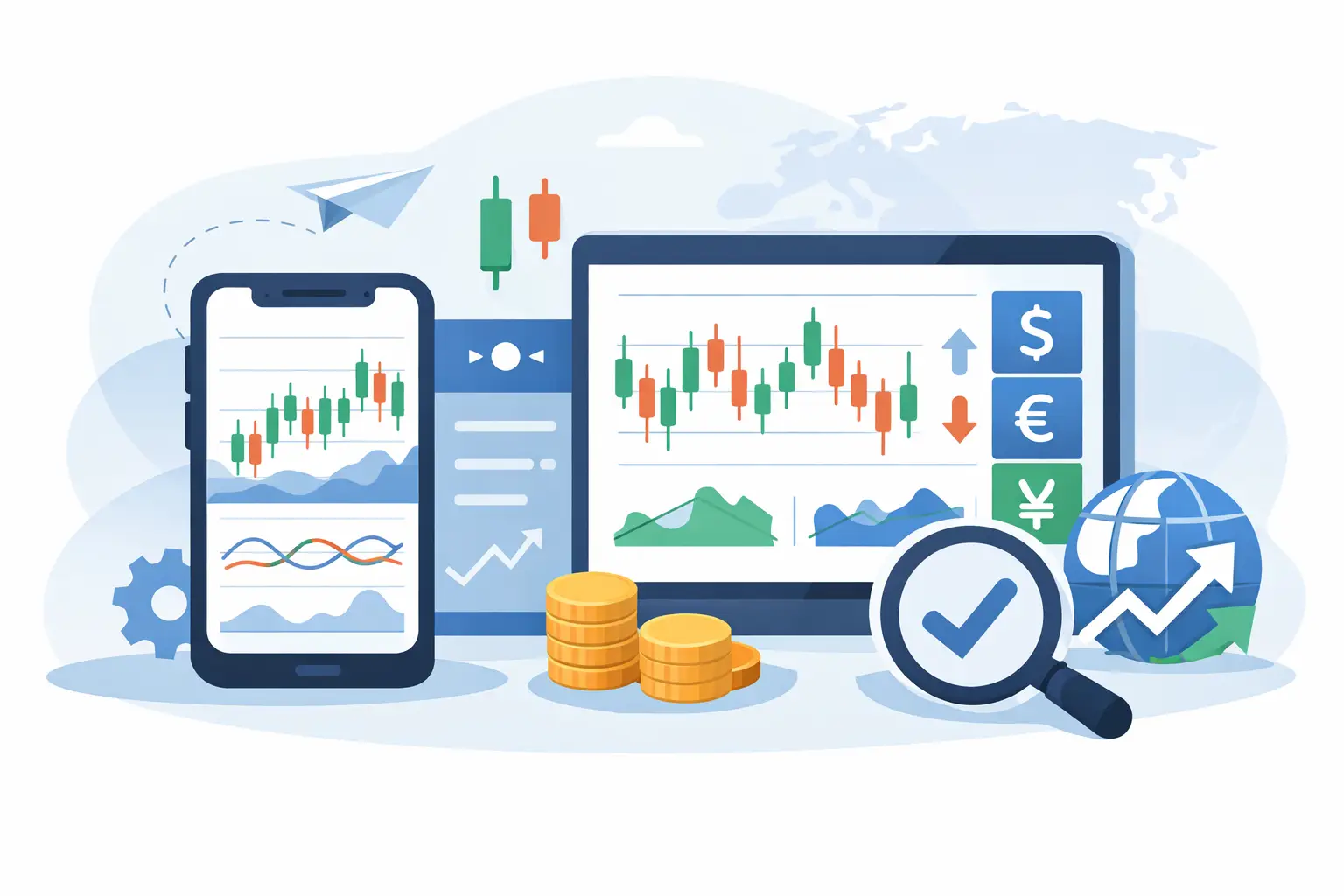
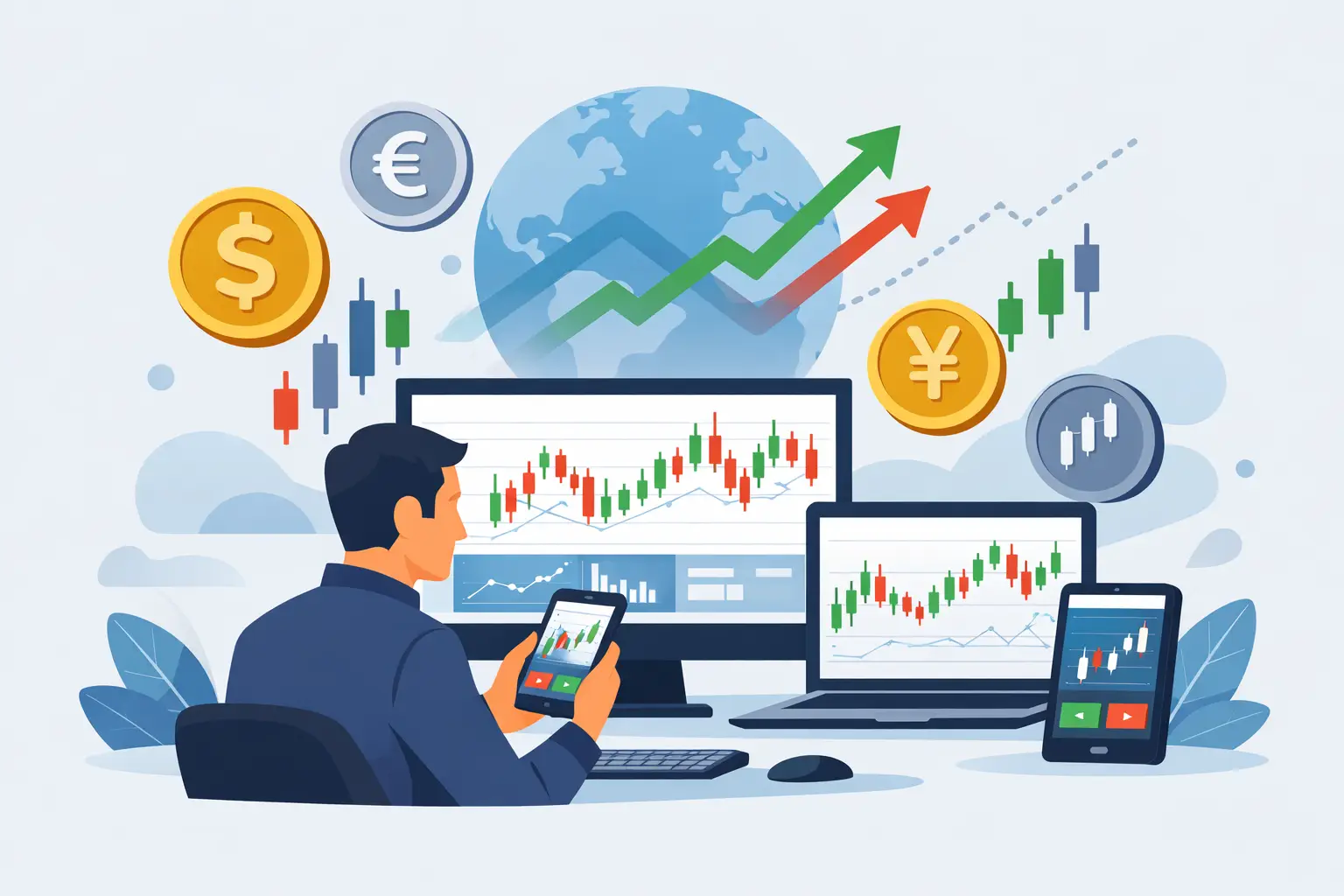
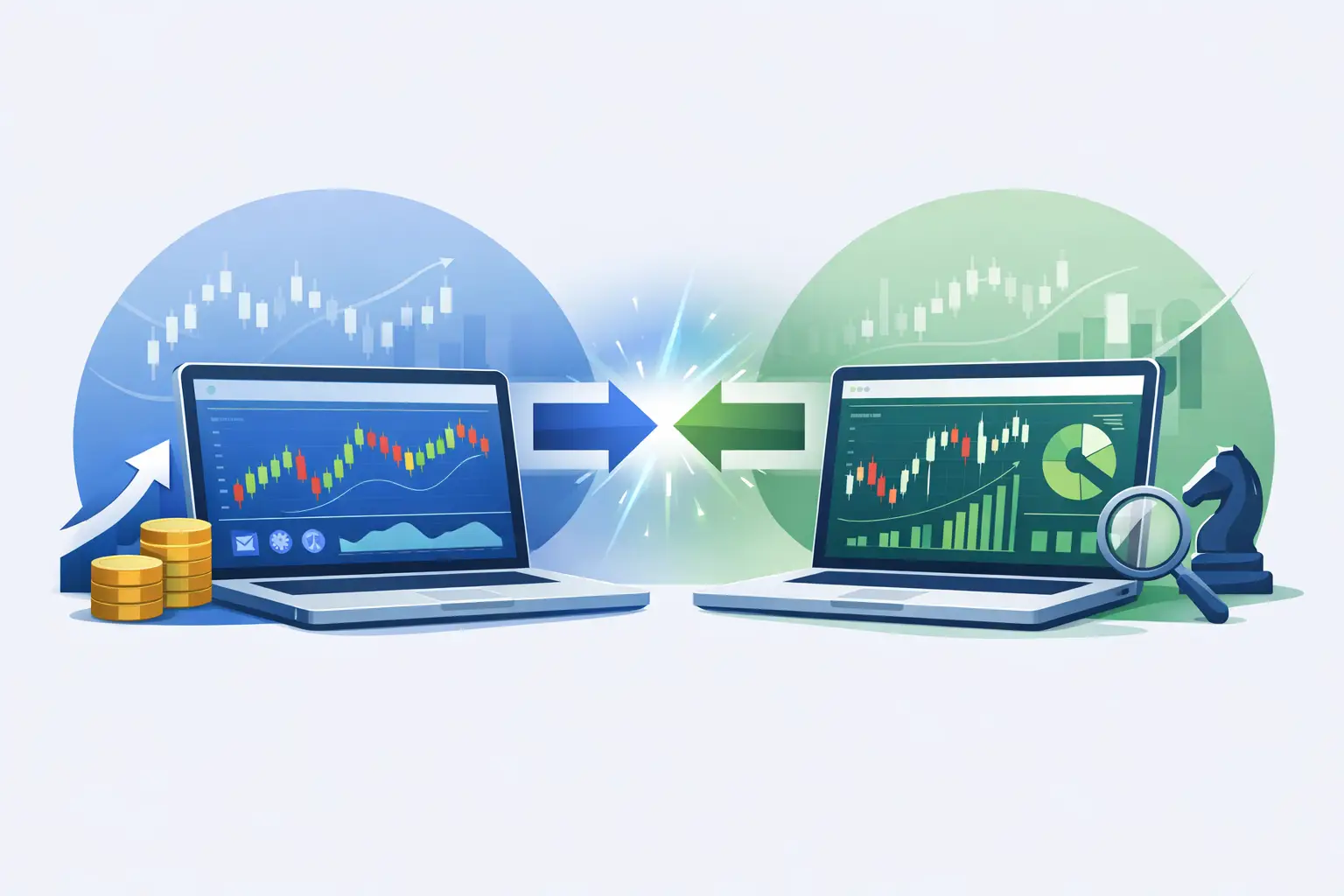
Once you understand the basics, a demo account is where theory meets the trading platform. Simulated trading lets you practice placing market and pending orders, setting stop-loss and take-profit levels, monitoring margin, and closing or modifying positions. It is also the right place to learn the layout and tools of platforms such as MetaTrader 4, MetaTrader 5, and cTrader.
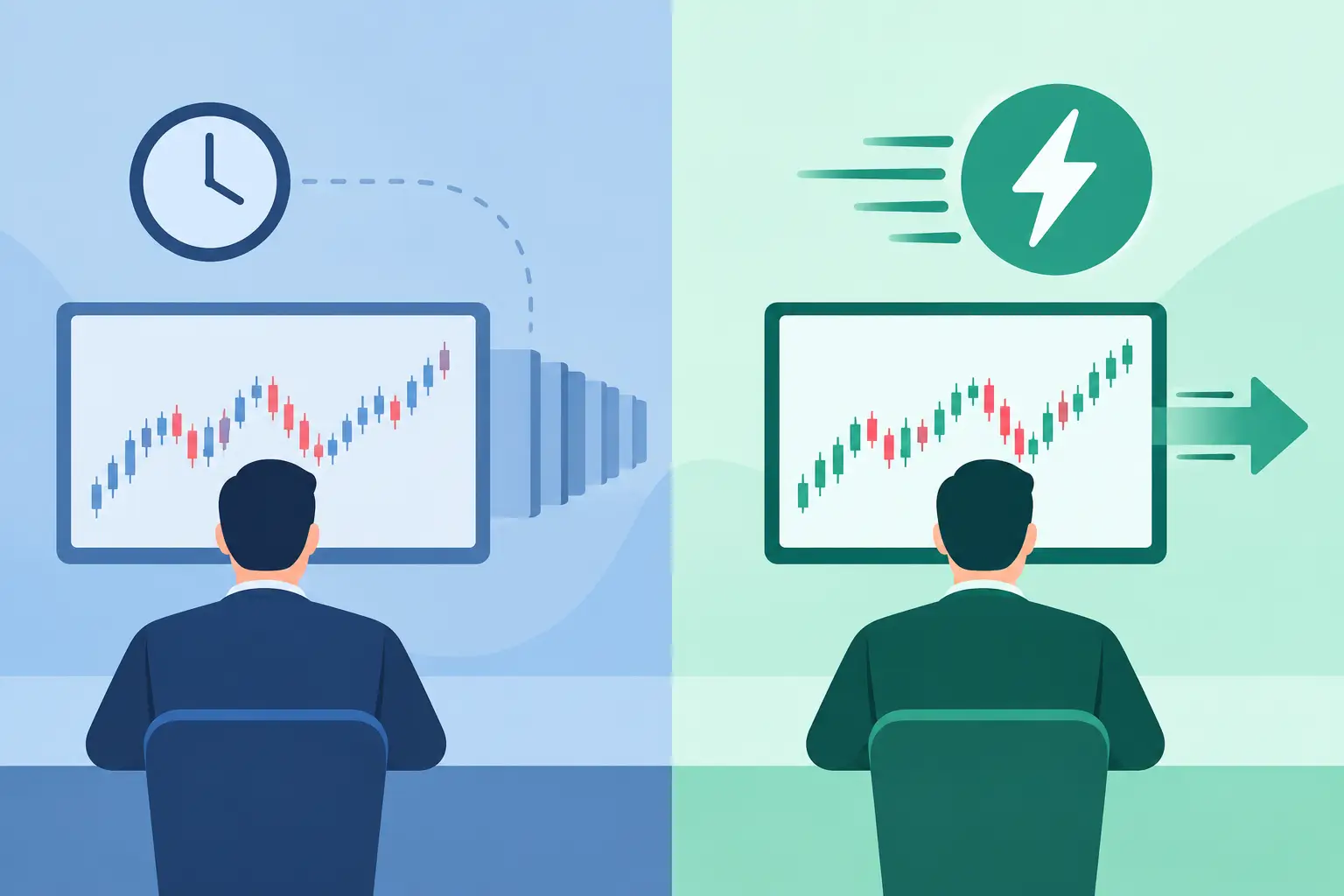
The goal is not to rack up a few winning trades. The goal is to prove that you can follow the same rules across a meaningful sample of setups. Create a simple trading plan and test it over different sessions and market conditions. A strategy that performs well during a strong London or New York session may behave differently during quieter periods or around major economic releases.
Make demo trading realistic
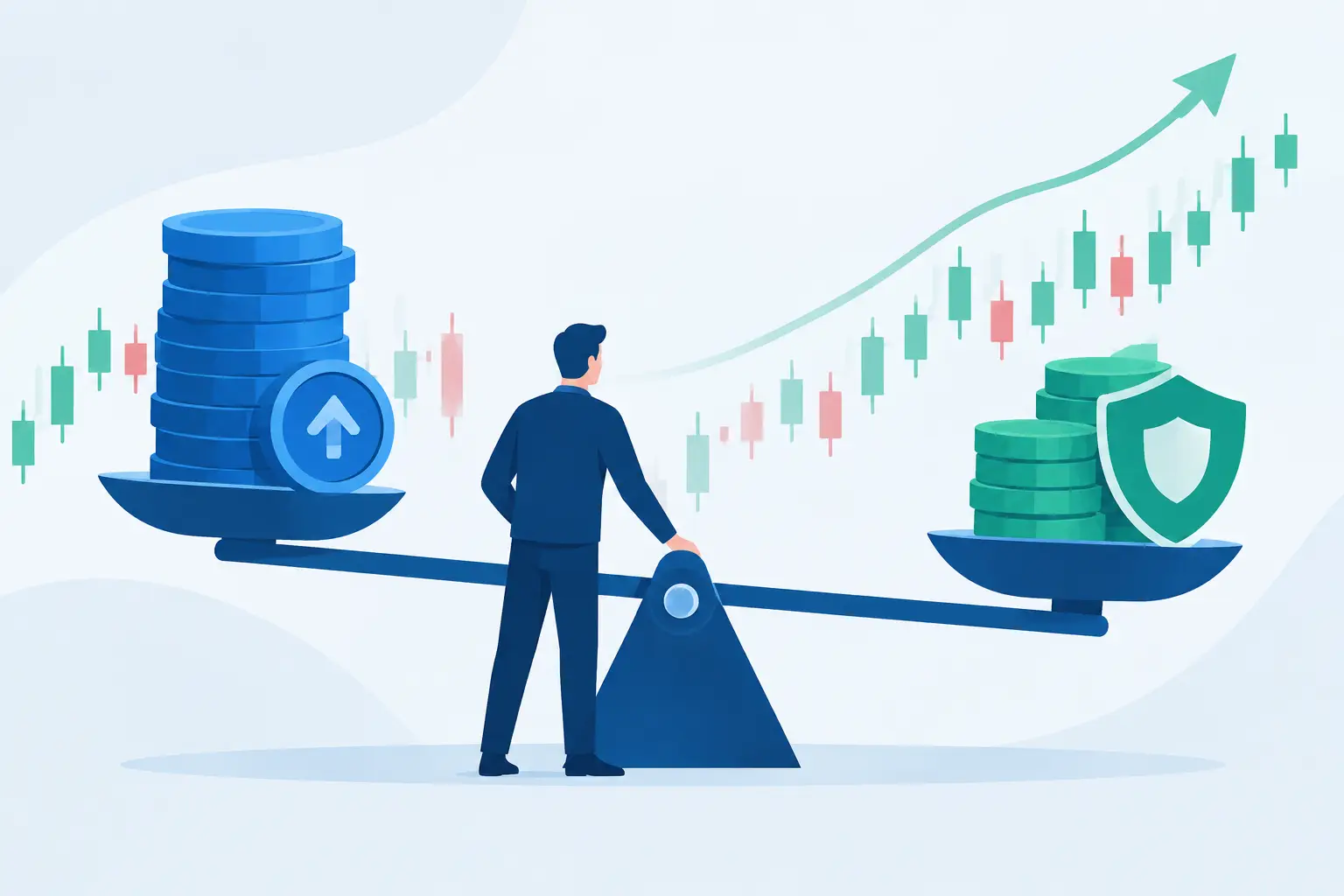
A simulator becomes far more useful when you treat the virtual balance as if it were your own capital. Avoid opening oversized positions just because the funds are not real. Set a notional account balance that resembles the amount you might eventually fund, then use the same risk percentage on every trade.
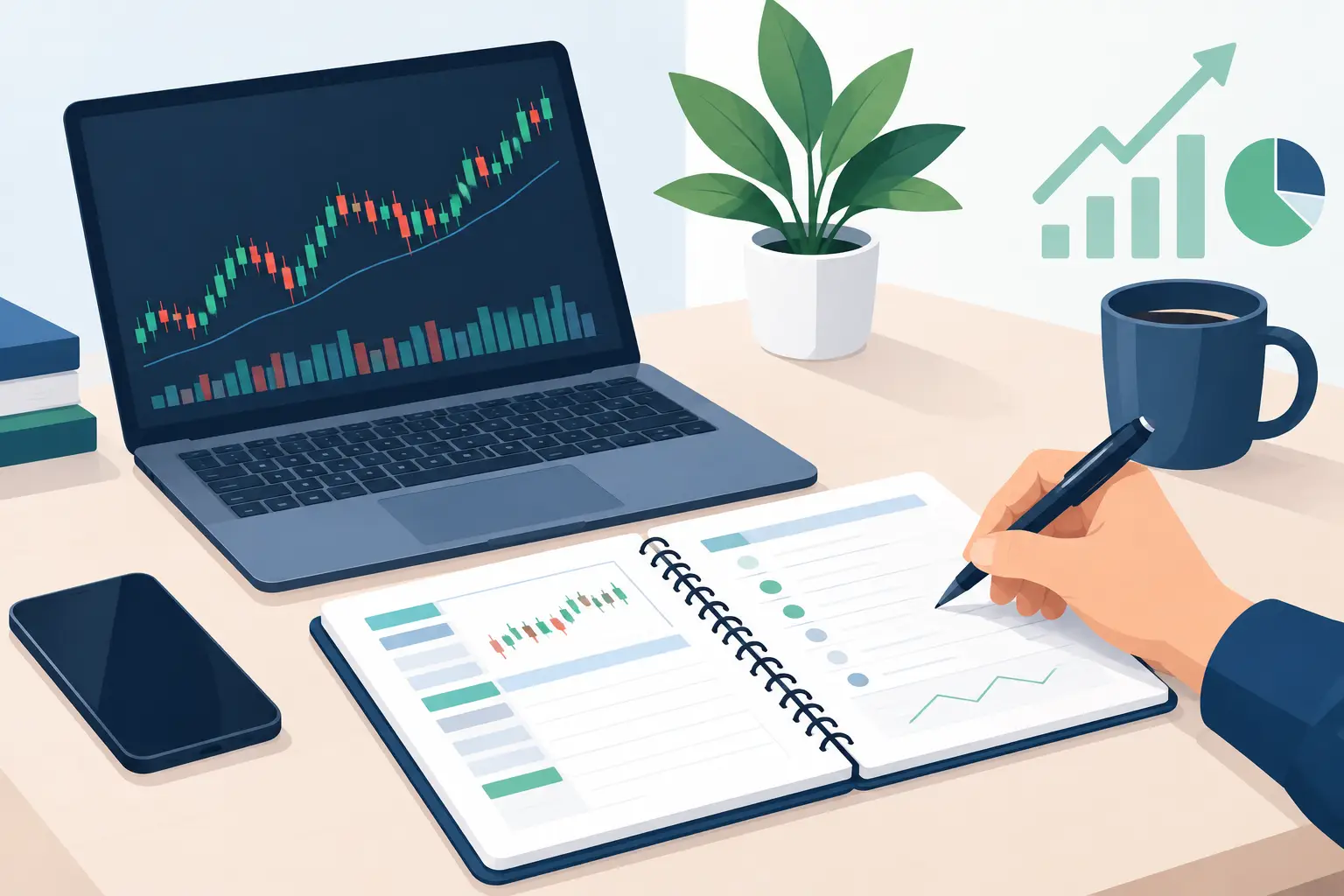
Keep a trading journal while you practice. Record the currency pair, direction, entry, stop-loss, target, trade size, market condition, and reason for the trade. Add a screenshot before and after the position closes. Over time, the journal may show that your losses come less from the strategy itself and more from entering before confirmation, moving stops, trading during unsuitable news conditions, or taking too many correlated positions.
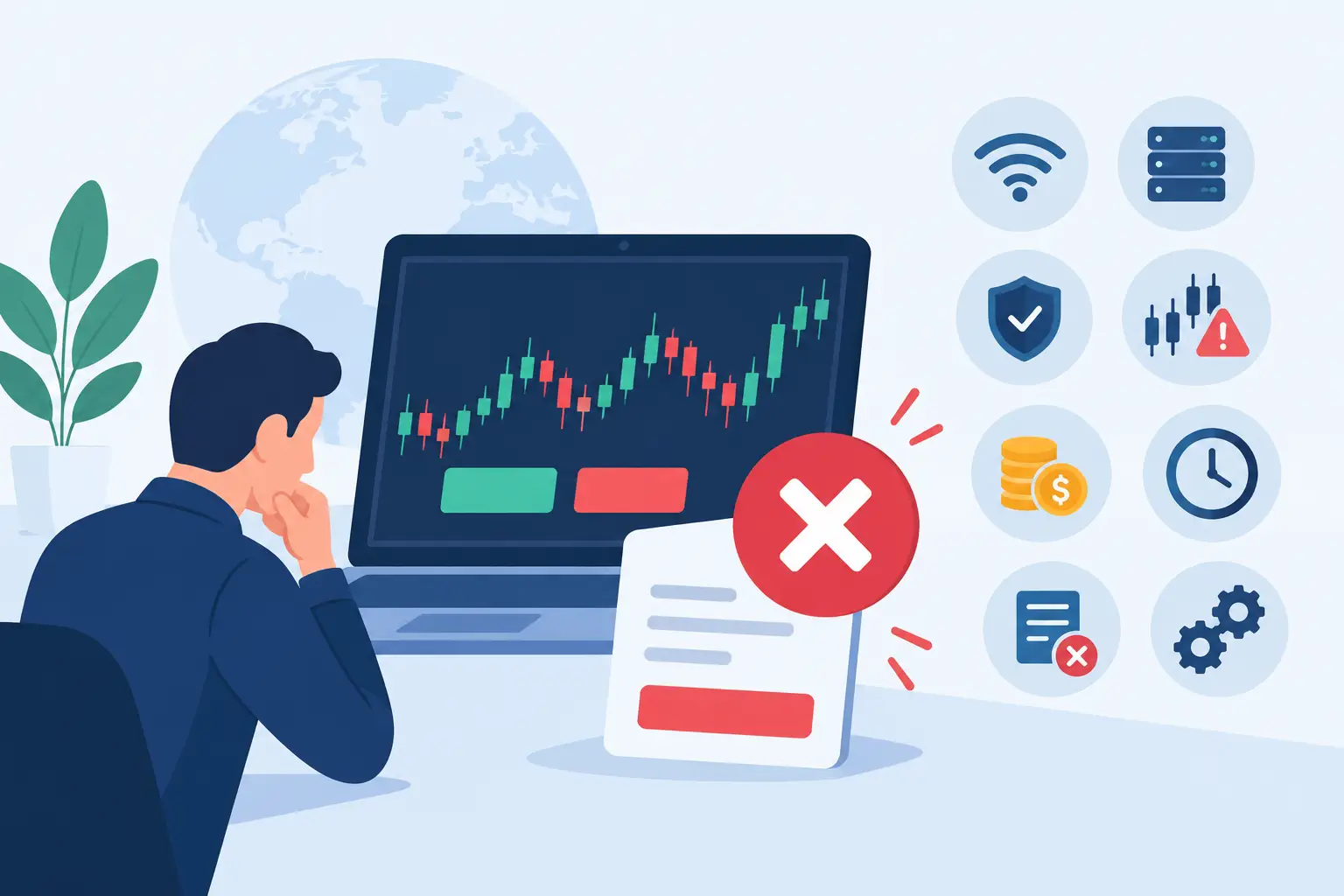
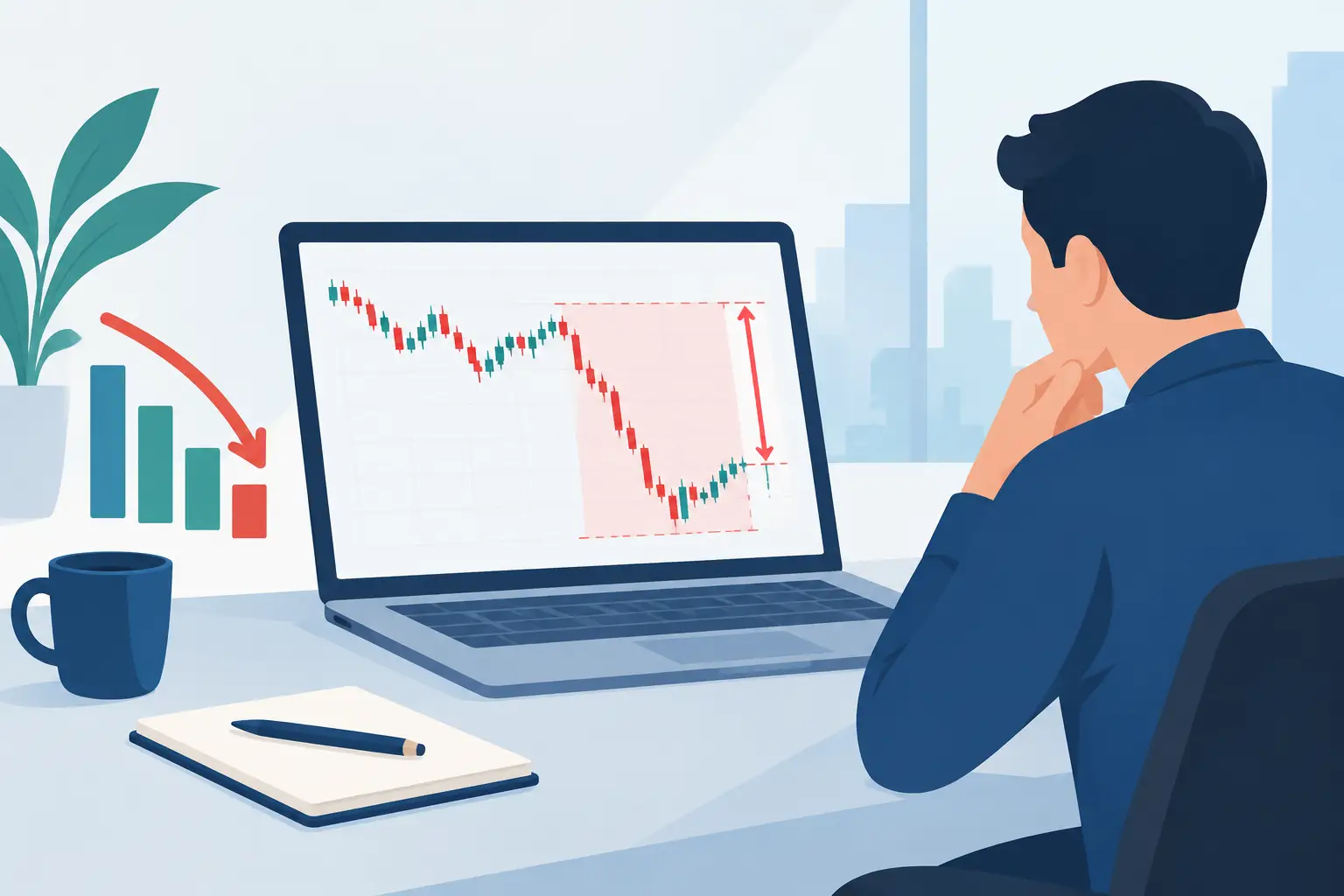
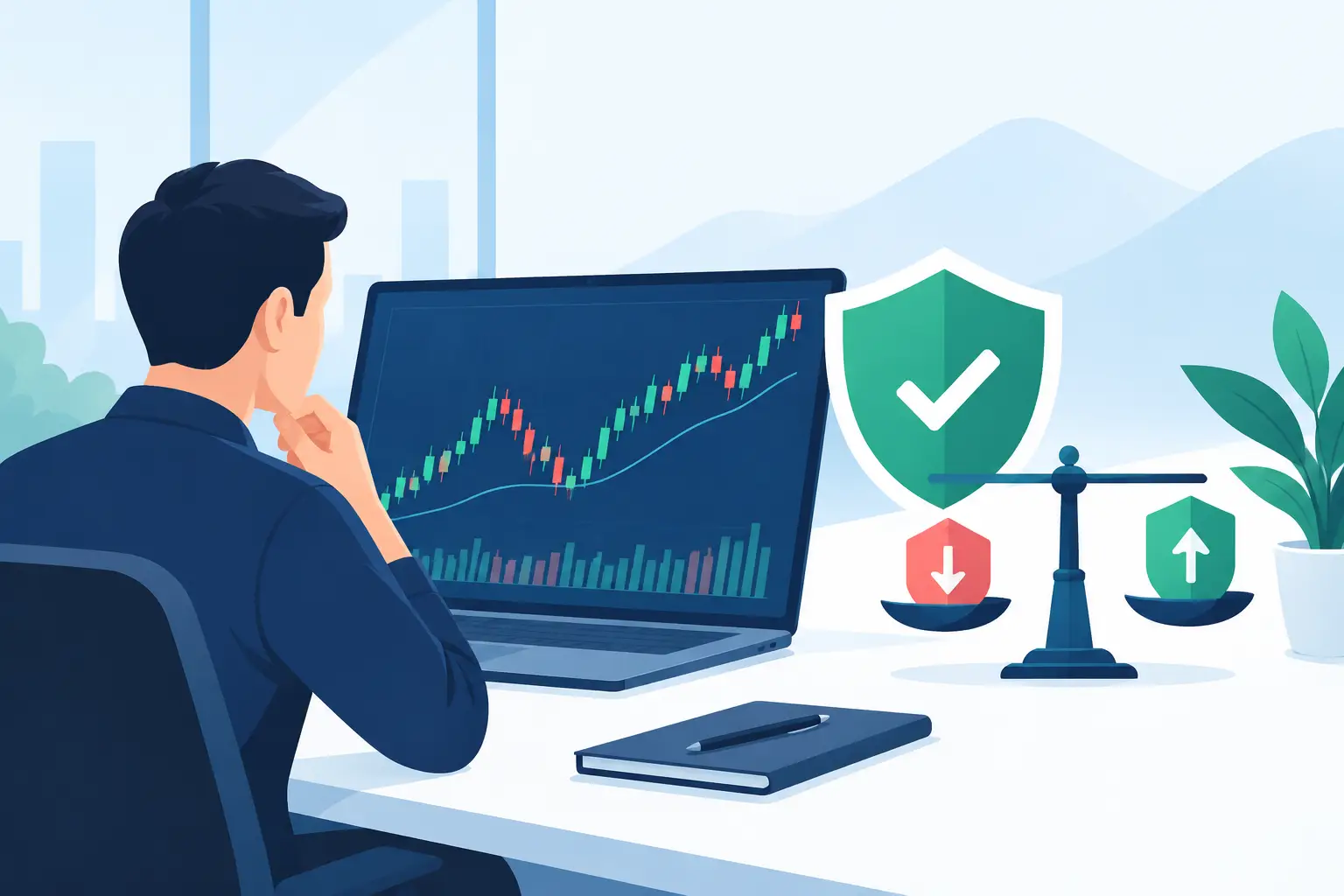
Demo results should be interpreted carefully. Real trading introduces emotional pressure, and live conditions can include slippage or changing spreads, particularly during volatile periods. Still, a trader who cannot follow a plan in a simulator is not ready to rely on that plan with live funds.
Find Communities That Improve Your Process
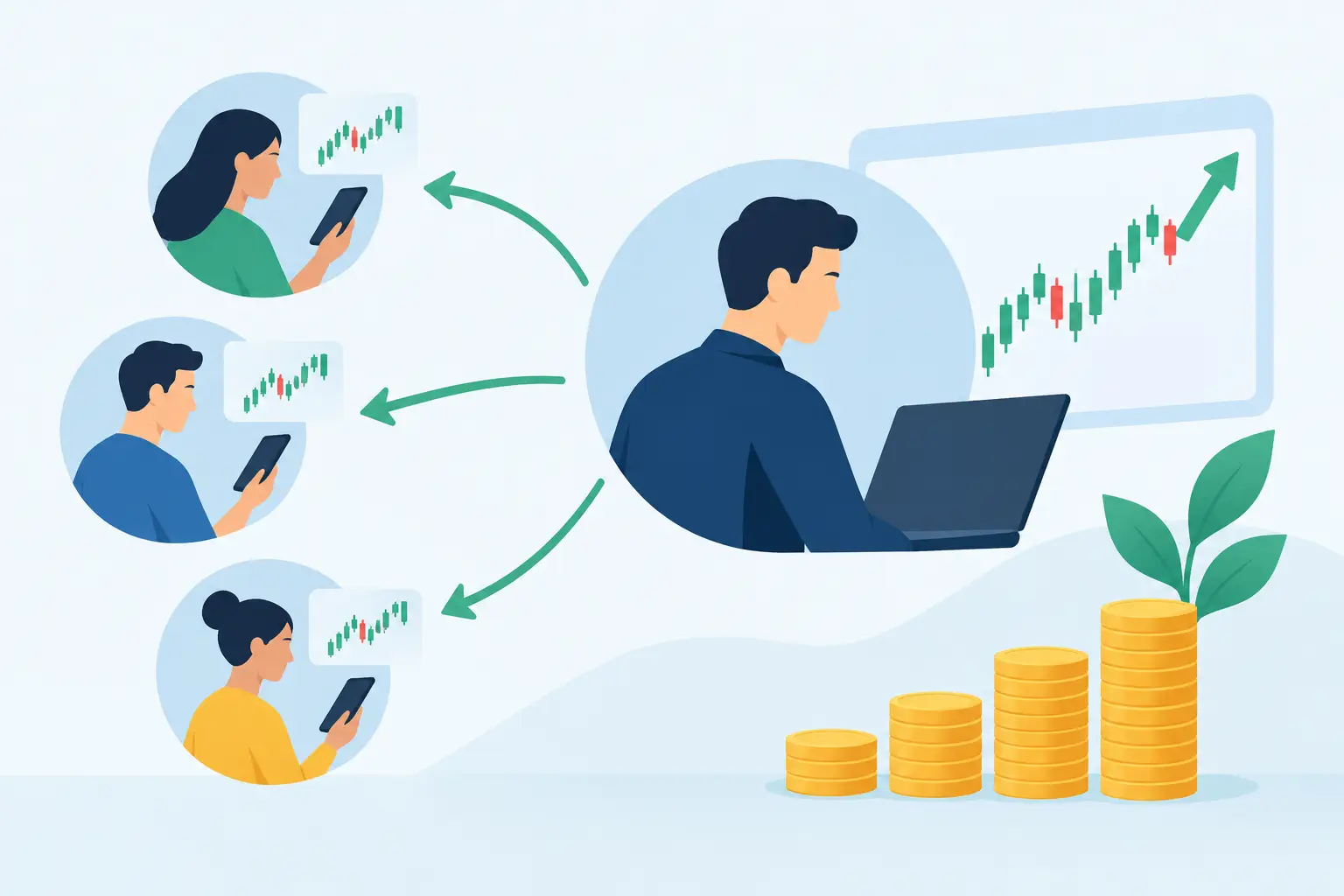
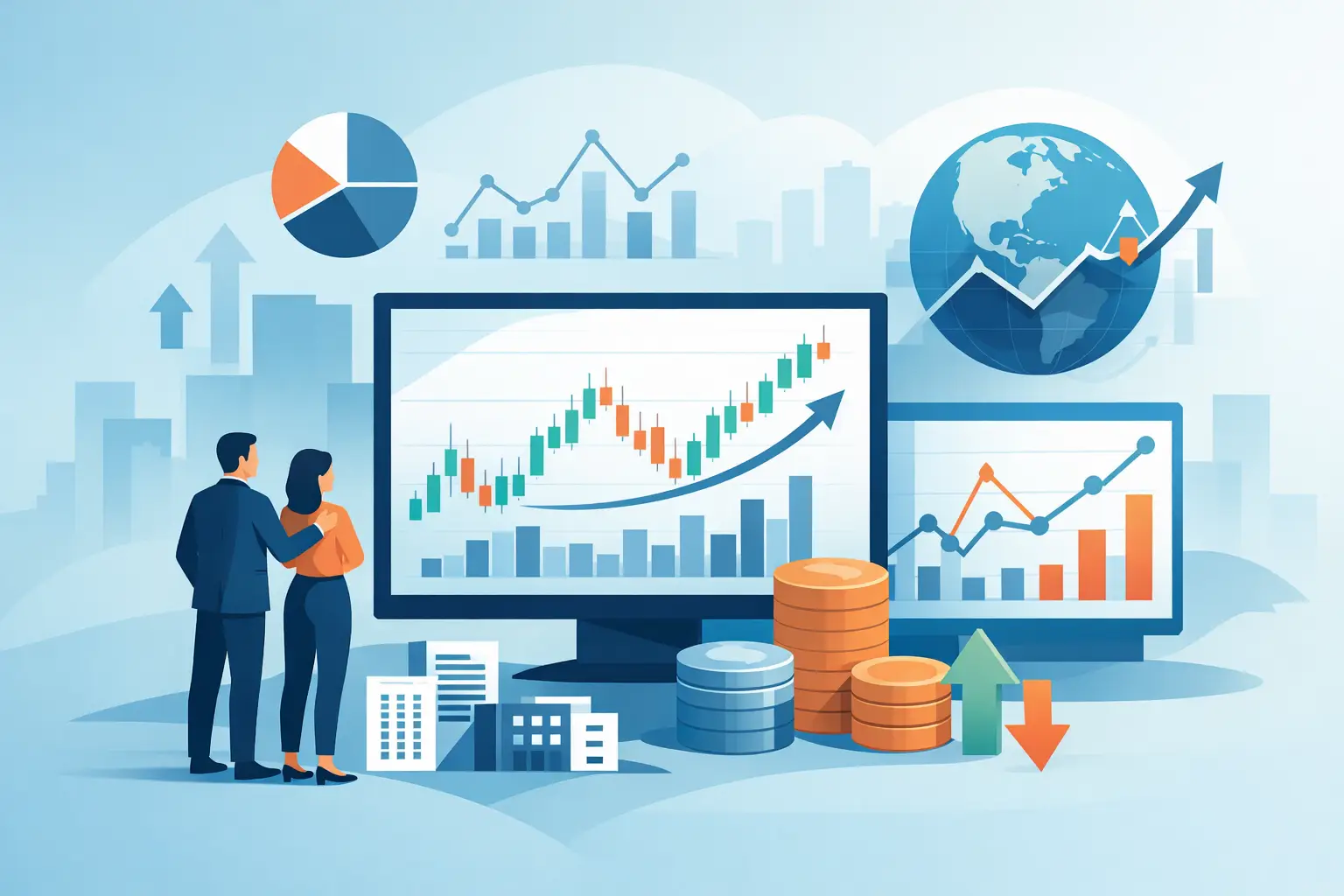
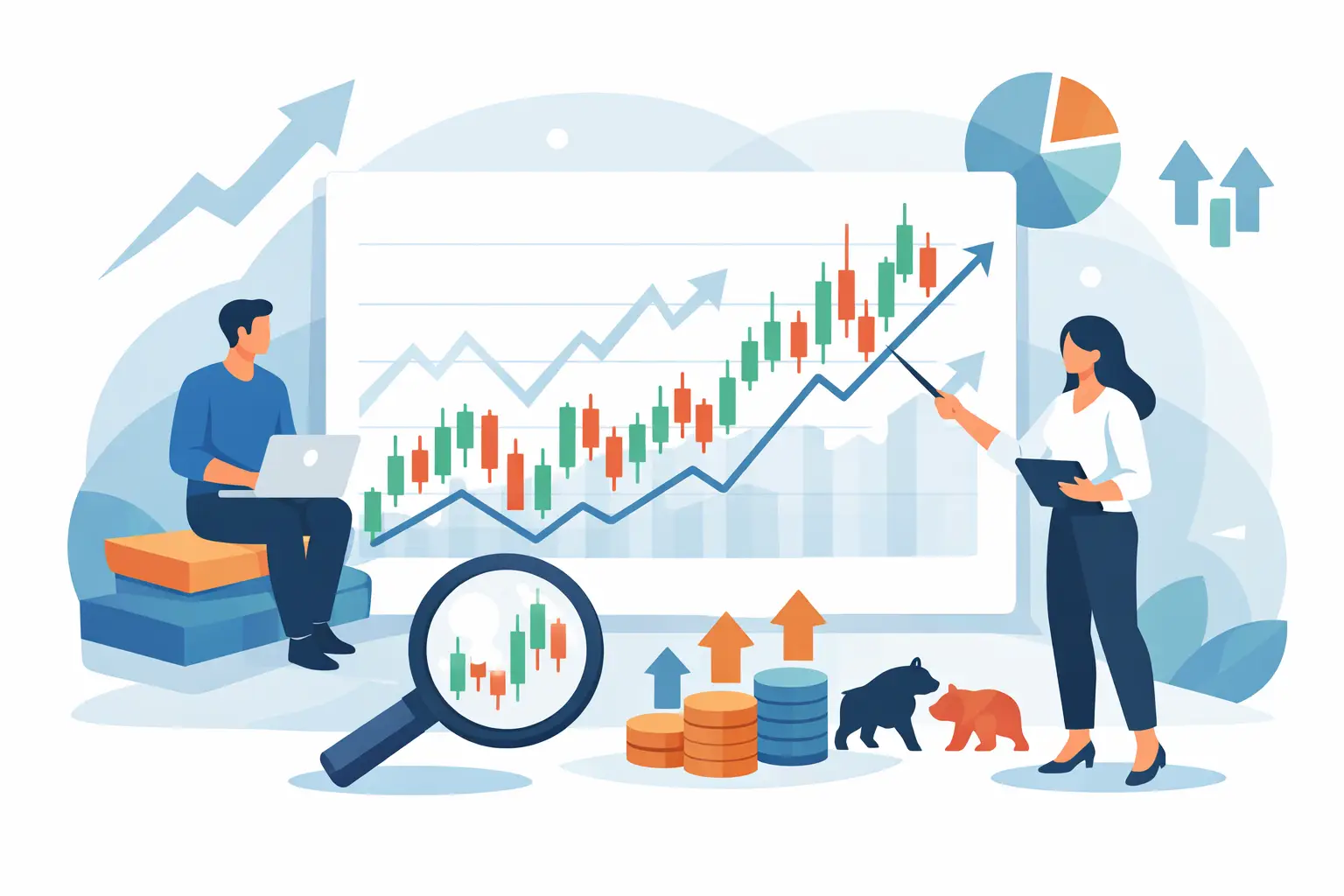
Forex communities can make the learning curve less isolated. They can help you compare chart analysis, understand how other traders prepare for data releases, and learn the vocabulary used by active market participants. Some traders prefer broad discussion groups; others benefit from smaller, moderated communities focused on a specific style, such as swing trading, price action, or macro analysis.
The quality of a community matters more than its size. Look for conversations that include risk, uncertainty, and trade invalidation, not just entry points. Useful members explain why they are watching a level and what would prove them wrong. They are willing to review losses without turning every losing trade into an excuse.
Be especially selective around signal groups. A trade alert may show an entry, but it rarely transfers the decision-making process behind it. You may not know the sender’s account size, risk tolerance, broader exposure, or plan for managing the position. Following calls without understanding them can create dependency rather than capability.
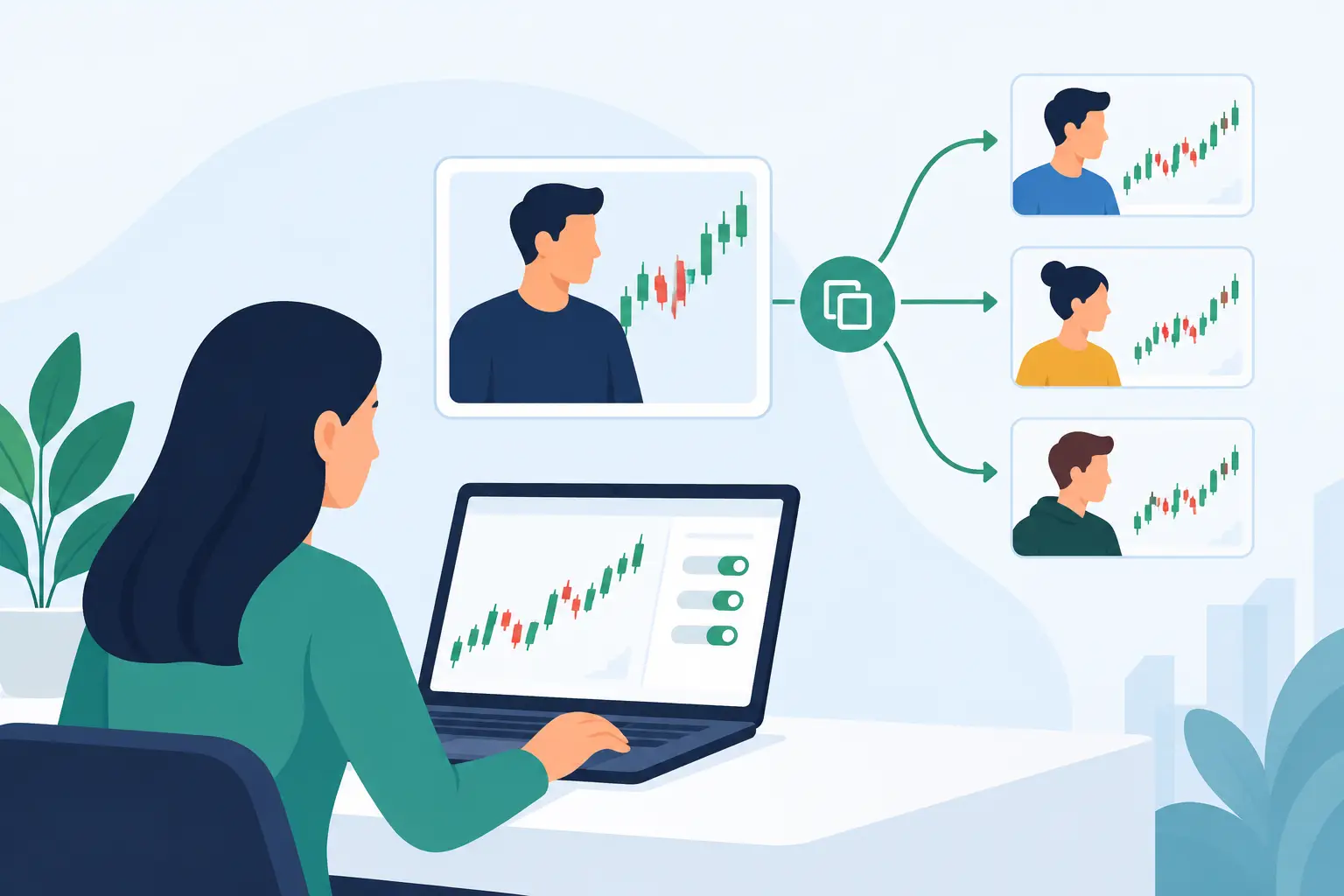
Social and copy-based trading can offer another way to observe strategies and market participation, but past performance is not a promise of future results. Review the risk profile, drawdown history, trade frequency, and instrument exposure before deciding whether any approach fits your own objectives.
Turn Education Into a 90-Day Learning Plan
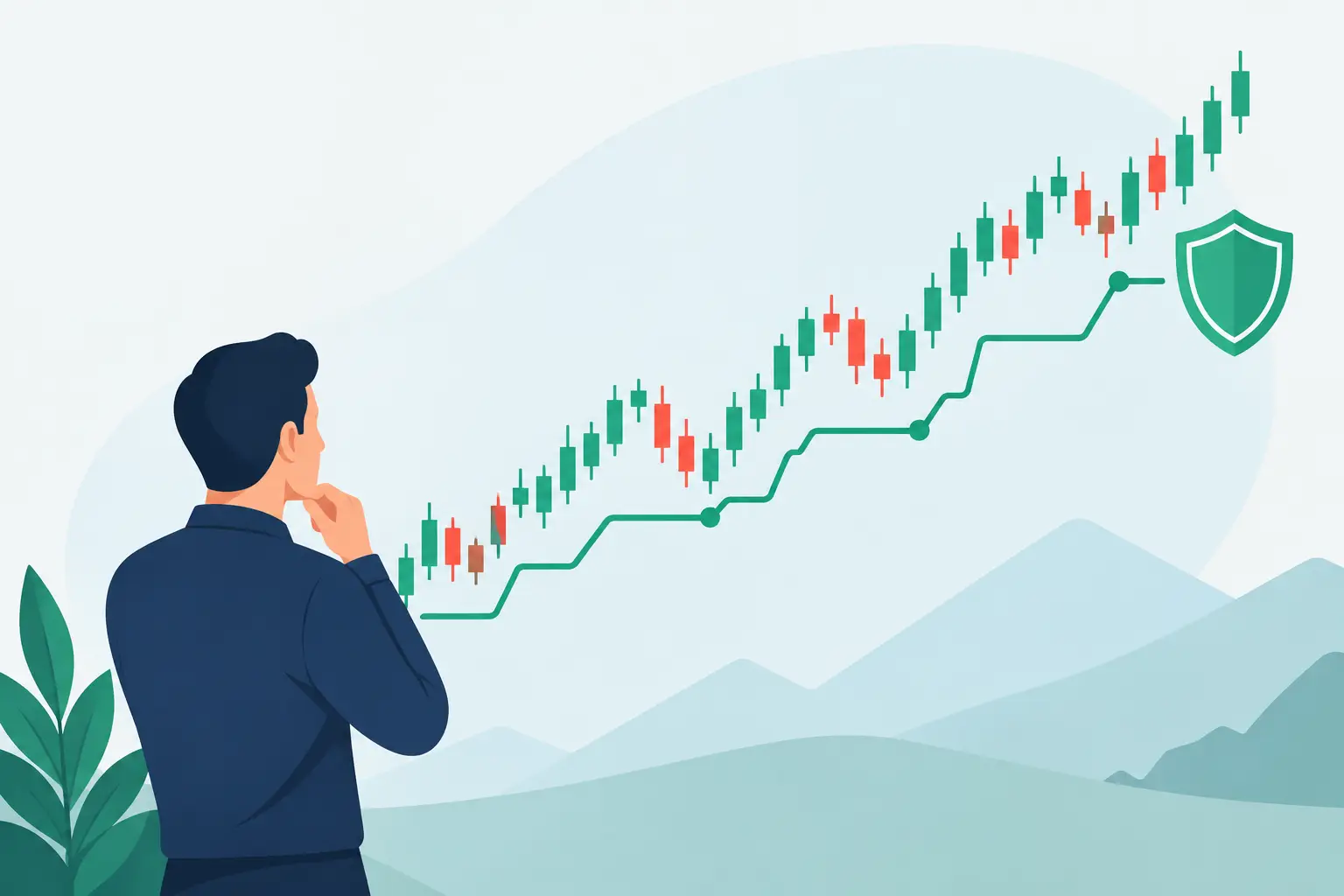
A practical schedule prevents beginners from trying to learn everything at once. In the first month, focus on market mechanics, platform navigation, and risk management. Learn to calculate trade size based on the distance to your stop-loss rather than choosing lot size first.
During the second month, select one or two currency pairs and one trading approach. Practice it in a demo environment, record every trade, and do not change rules after every outcome. The objective is consistency of execution, not finding a perfect setup.
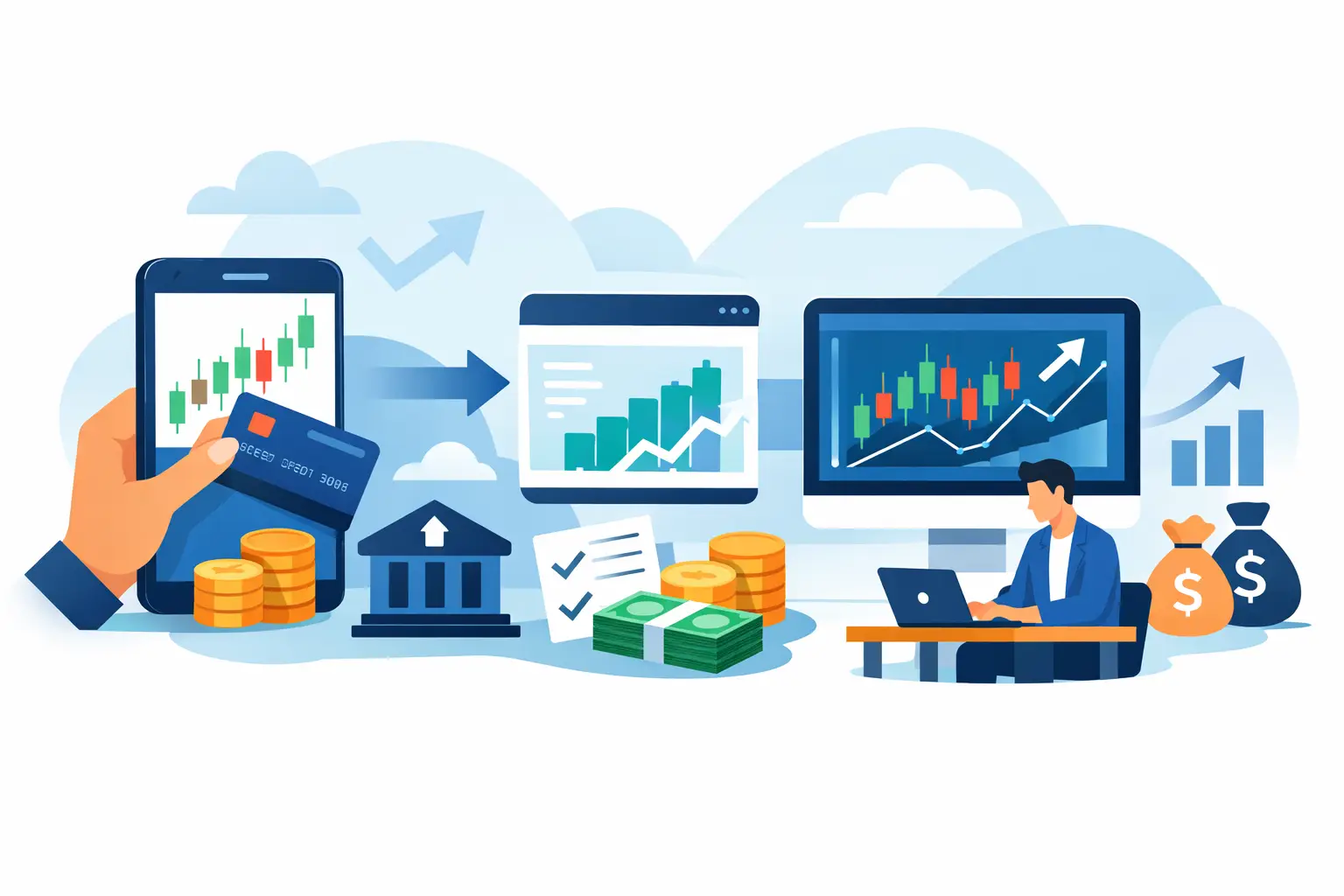
In the third month, review the journal for patterns. Measure win rate, average win, average loss, maximum drawdown, and whether rules were followed. If you are considering moving to a live account, begin with an amount you can afford to lose and keep the same measured process. Platforms and market access are tools, but your risk plan remains the operating system behind every trade.
Monaxa provides access to widely used trading platforms and global markets, giving traders a place to apply a structured approach when they are ready. The right next step is not the fastest trade. It is the next disciplined action: study one concept, test it carefully, document the result, and let evidence shape your decisions.