 English
 Portuguese
 Bahasa
Melayu
Bahasa
Melayu ไทย
ไทย 中文
中文 Tiếng Việt
 Español
 हिन्दी
 日本語
日本語 العربية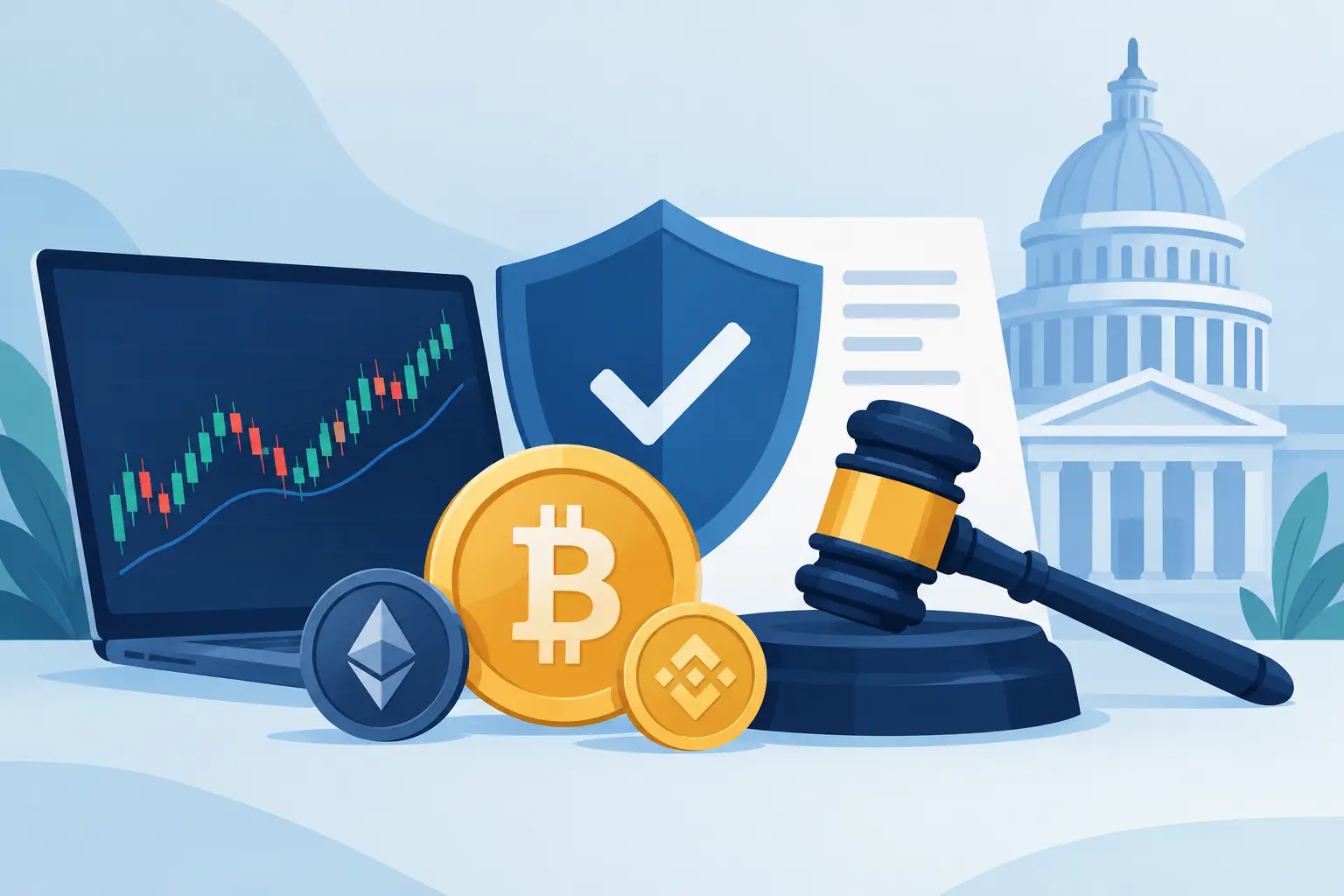
Crypto regulation is no longer a background issue for digital-asset traders. It can determine which products are available, how accounts are verified, where client money is handled, and whether a market move can be traded through your preferred platform. For traders using crypto CFDs, the practical question is not simply whether Bitcoin or Ethereum will rise or fall. It is whether the trading environment, product terms, and risk controls fit your location and strategy.
Digital assets may trade around the clock, but access is never borderless in the legal sense. Rules differ by country, change over time, and can apply differently to an exchange, a wallet provider, a CFD broker, or a token issuer. Knowing the difference helps traders make clearer decisions before capital is at risk.
What Crypto Regulation Actually Covers
Crypto regulation is a broad label for the rules governing digital assets and the firms that offer services around them. It can cover token issuance, market conduct, anti-money-laundering controls, customer identification, advertising, taxation, custody, stablecoins, and derivatives trading.
For a retail trader, these categories matter in different ways. A rule aimed at stablecoin reserves may affect pricing confidence in the wider market. Customer-verification requirements affect onboarding and withdrawal checks. Derivatives rules may decide whether leveraged crypto products are available at all in a particular jurisdiction.
Regulators are generally trying to address several concerns at once: fraud, market abuse, financial crime, inadequate customer disclosures, weak custody practices, and excessive retail risk. Those goals can improve standards, but they can also narrow product access or add operational steps. Neither outcome is automatically good or bad for every trader. It depends on your trading style, experience, and jurisdiction.
Regulation Is Not the Same as a Price Signal
News about a new bill, enforcement action, licensing framework, or exchange restriction can move crypto markets quickly. That does not mean every regulatory headline creates a durable trend. Markets often price the first reaction, then reassess the actual scope, timing, and likely enforcement of the rule.
Traders should separate two questions: What does the rule mean for access to a product? And what could the market believe it means for demand, liquidity, or sentiment? Treating every headline as a directional trade can lead to rushed entries in volatile conditions.
How Crypto Regulation Affects CFD Trading
A crypto CFD is a contract designed to track the price movement of an underlying digital asset without requiring the trader to own or store that asset. That distinction is central. Trading a crypto CFD is not the same as buying a coin on a spot exchange, transferring it to a wallet, or participating in a blockchain network.
Because CFDs are leveraged derivatives, they may be subject to rules that differ from spot crypto rules. A trader might see a token available for cash purchase on one type of venue while finding that a leveraged CFD on the same asset is restricted, capped, or unavailable in their region.
This affects four practical areas:
- Product availability: A broker may offer different crypto instruments, leverage levels, or account features depending on the client’s country of residence and applicable rules.
- Account onboarding: Identity, address, source-of-funds, and payment verification can be required before deposits, withdrawals, or trading access are fully enabled.
- Trading conditions: Margin requirements, position limits, negative balance protections, overnight financing, and risk warnings may be shaped by local requirements and broker policy.
- Market access during events: Extreme volatility, liquidity changes, or updates to an asset’s trading status can lead to revised conditions designed to manage risk.
For active traders, the key point is straightforward: read the instrument specification before opening a position. Check the contract size, margin requirement, spread, swaps or financing charges, trading hours, and any conditions tied to high-volatility markets. A strong market view is only one part of a trade. The structure of the position matters just as much.
The U.S. Question: Access Depends on the Product
U.S. readers should be particularly careful not to assume that a digital asset’s popularity means every way of trading it is available. In the United States, the legal treatment of crypto assets and crypto-related products can involve multiple agencies and state-level requirements. The rules around retail leveraged derivatives are especially distinct from rules governing spot transactions.
That means eligibility, product access, and service availability can vary materially. A firm’s global offering does not necessarily apply to U.S. residents, and a product marketed internationally may have restrictions in the United States or other locations. Always confirm whether a product is available to you before funding an account or building a trading plan around it.
This is not just a compliance checkbox. It can prevent operational surprises later, including an inability to open new positions, use a certain payment method, or access a product after a residency change. If your circumstances change, update your account information promptly and ask support how it affects available services.
What Regulation Can and Cannot Protect You From
Clear rules and supervised operating standards can create meaningful safeguards. They can require firms to verify customers, disclose risk, maintain records, monitor suspicious activity, and communicate material changes. Those measures can improve accountability across the market.
But regulation does not eliminate trading risk. It does not guarantee that a crypto asset will retain value, that spreads will remain unchanged during a sharp move, or that a leveraged position will survive sudden volatility. It also does not replace personal security habits. Strong passwords, two-factor authentication, verified payment details, and caution around impersonation attempts remain essential.
Crypto markets can react sharply outside traditional market hours. A leveraged position that looks manageable during calm conditions can become exposed quickly after a security incident, major policy announcement, exchange disruption, or broad risk-off move. Sensible position sizing is not optional because the asset is familiar or because a headline appears positive.
Build Compliance Into Your Trading Routine
The best traders do not treat account verification, platform notices, and product documentation as obstacles to get past. They treat them as part of execution discipline. Before trading, confirm your identity details are current, use payment methods in your own name where required, and keep records of deposits, withdrawals, and trade activity.
When reviewing a platform’s crypto offering, focus on the details that directly shape execution. Which coins are offered as CFDs? What leverage and margin rules apply? How are quotes delivered? What happens if volatility increases? Are there specific restrictions around news events, liquidity conditions, or minimum trade sizes?
For traders using MetaTrader 4 or MetaTrader 5, this means checking the symbol information and contract specification rather than relying on assumptions from a different asset class. Forex, indices, commodities, and crypto CFDs can operate under different market conditions even when they appear in the same trading terminal.
A Practical Way to Respond to Regulatory News
A disciplined response starts with the source. Is the news a proposal, a final rule, a court decision, an enforcement action, or a statement of intent? A proposal may take months or years to become effective. A company-specific action may have limited implications for the wider market. A confirmed restriction on a major activity can have a more immediate effect on liquidity and sentiment.
Next, identify the exposure. Does the development affect the underlying blockchain, an issuer, a stablecoin, a major trading venue, or the derivative product you use? These are different risks. Finally, check your position size before acting. If volatility is already elevated, reducing exposure or waiting for clearer price behavior may be more disciplined than chasing the first candle.
The opportunity in crypto markets comes with a responsibility to understand the route you use to access them. Keep your account details accurate, review product terms, manage leverage carefully, and treat regulatory developments as part of the market landscape. Better preparation gives you more control over the decisions that matter when prices start moving fast.