 English
 Portuguese
 Bahasa
Melayu
Bahasa
Melayu ไทย
ไทย 中文
中文 Tiếng Việt
 Español
 हिन्दी
 日本語
日本語 العربية
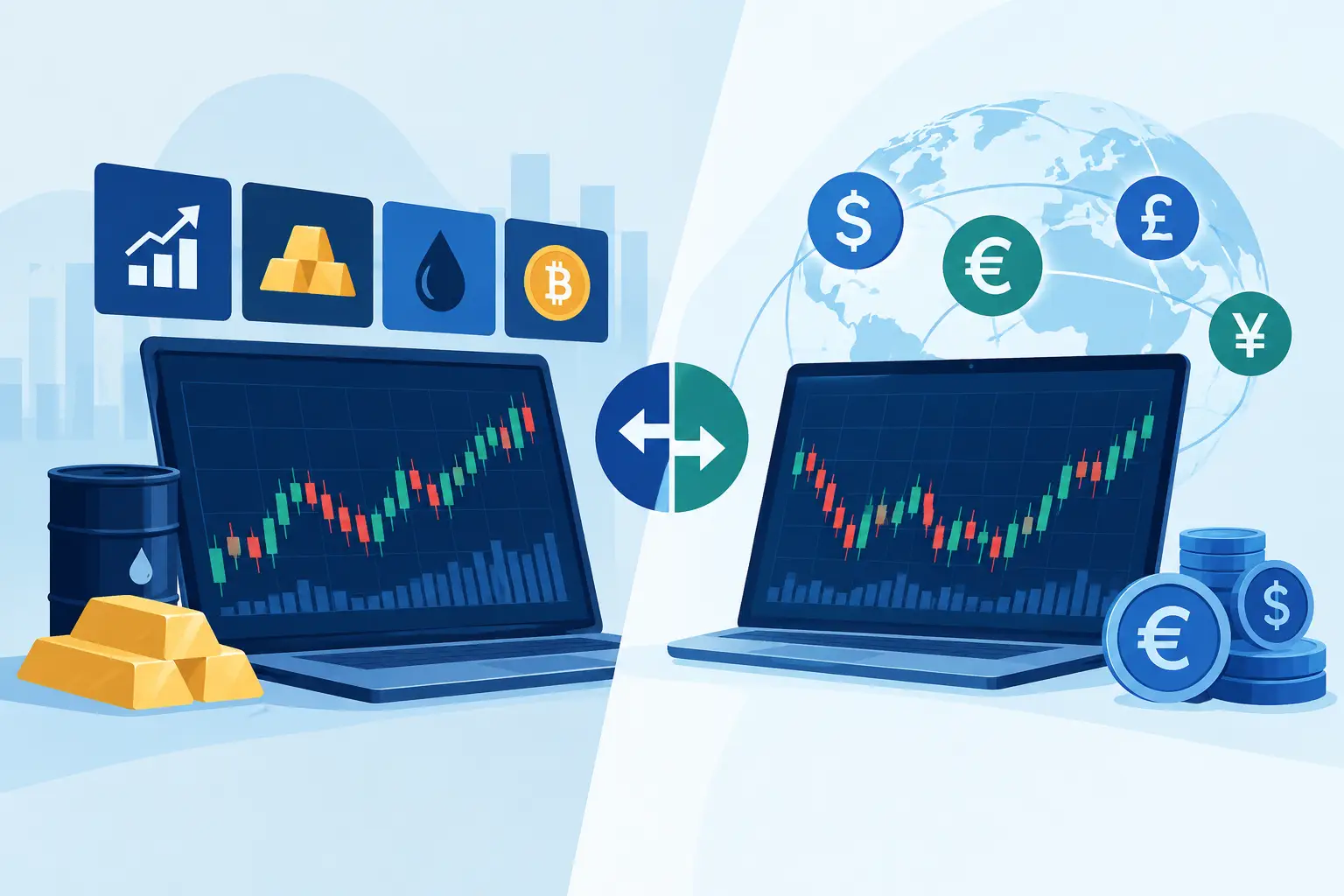
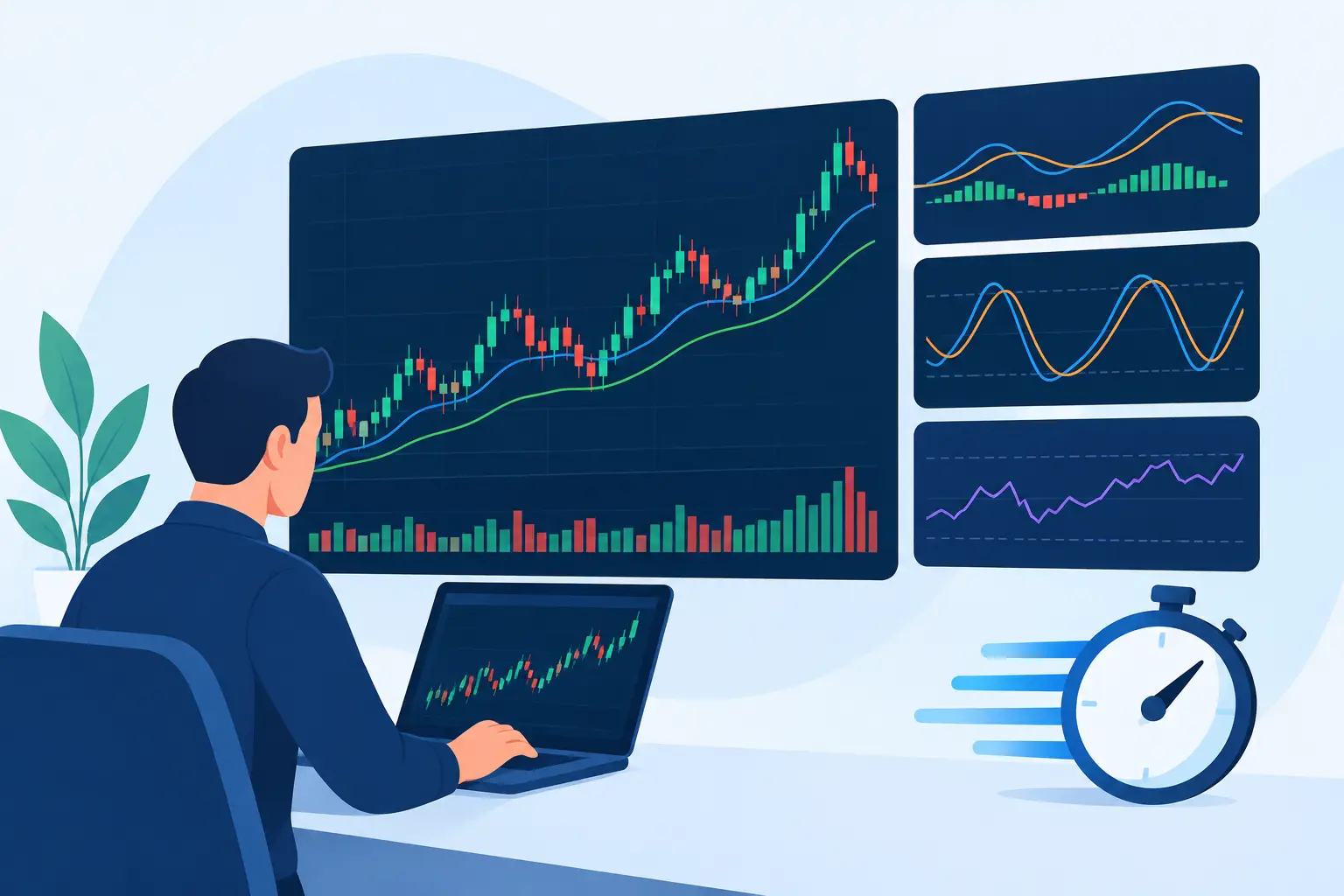
A EUR/USD price can move before breakfast, react to a central bank comment by lunch, and change direction again before the U.S. market closes. That speed is part of forex trading’s appeal, but it is also why forex trading for beginners: the first seven things to learn should start with mechanics and risk, not trade ideas.
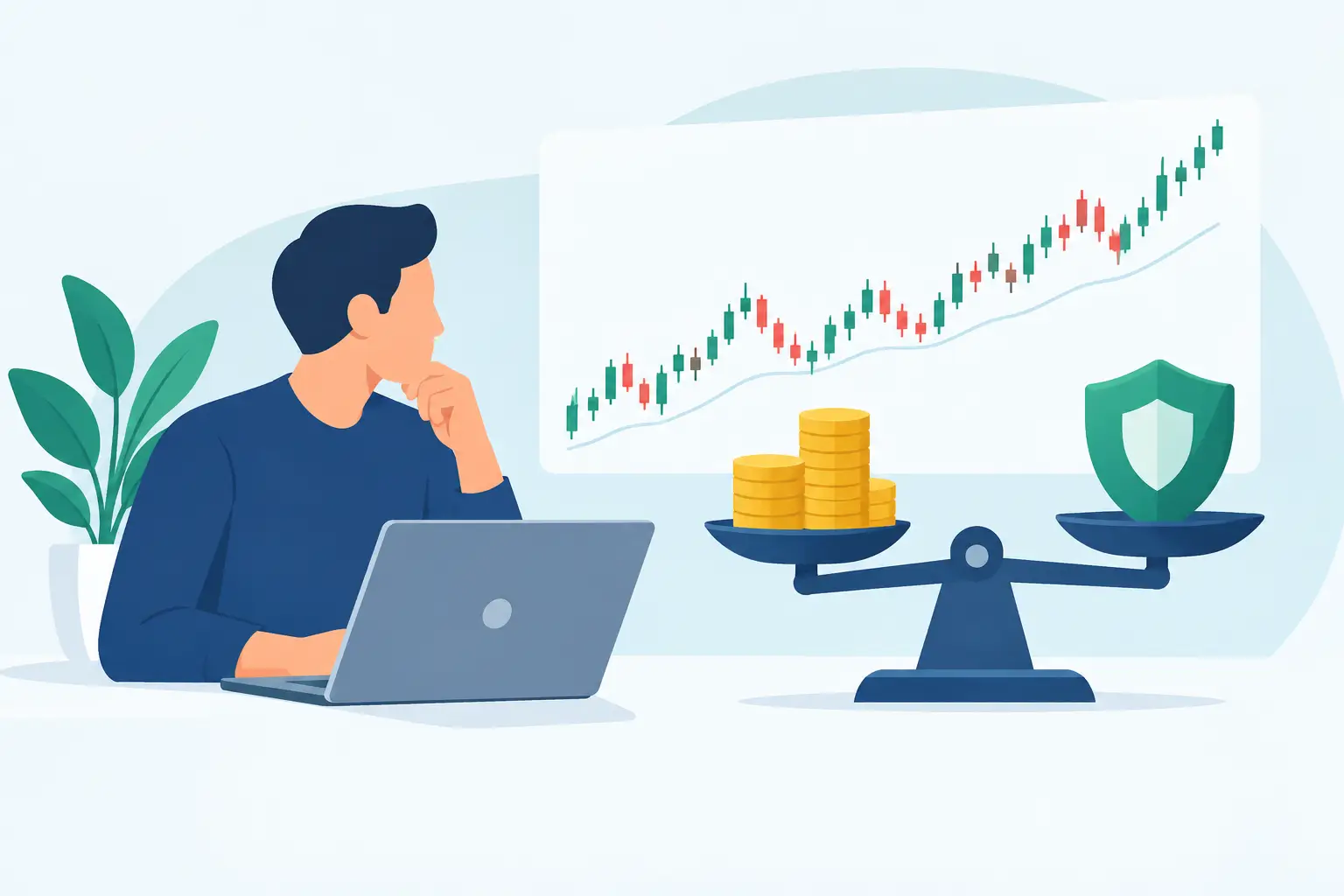
Forex gives traders access to one of the world’s most active financial markets. It can offer flexible trading hours, a broad range of currency pairs, and the ability to take positions on rising or falling prices. But access is not the same as readiness. Before funding a live account, learn how the market works, how leveraged products behave, and how to protect your trading capital.
Forex Trading for Beginners: The First Seven Things to Learn
1. Currency pairs express relative value
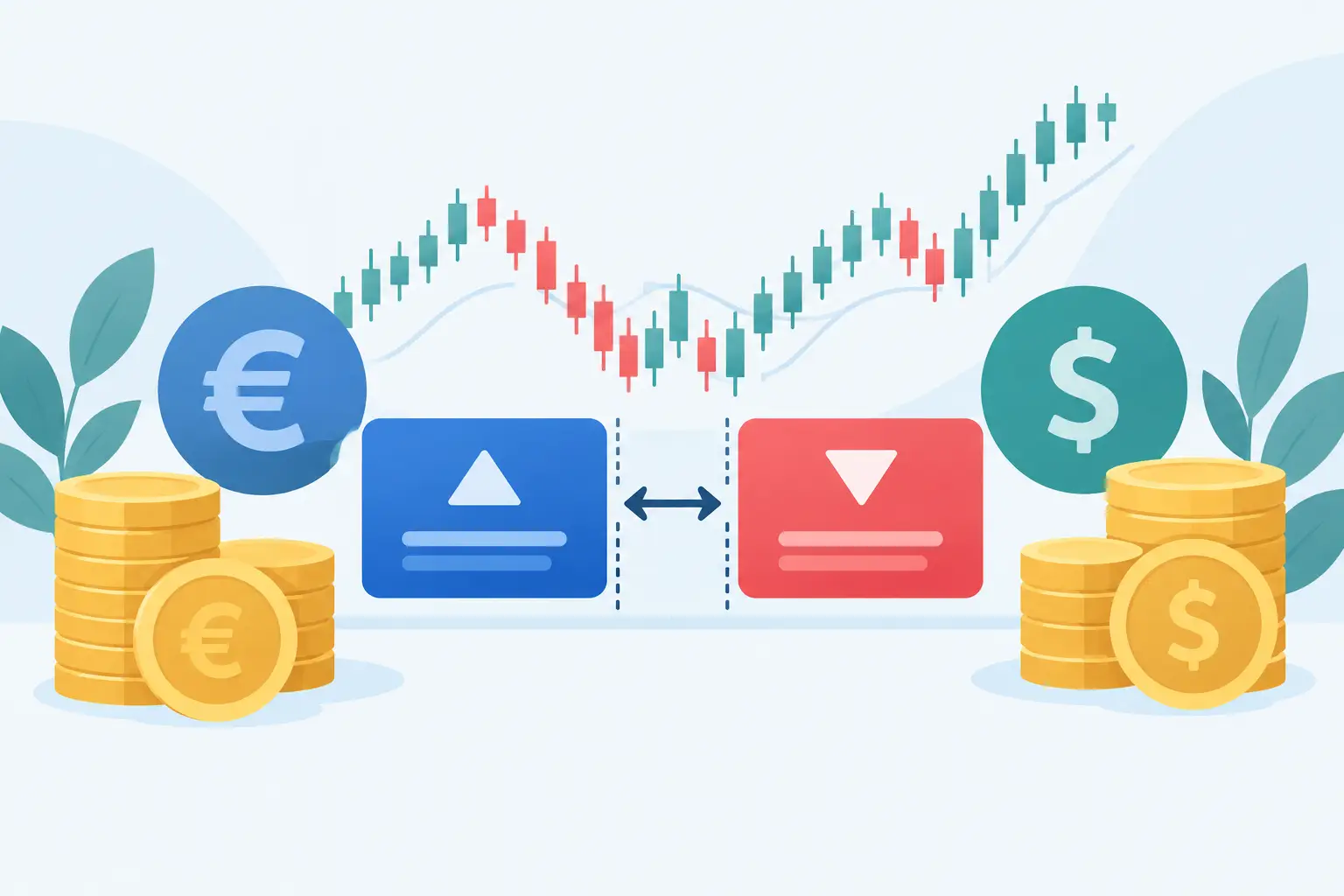
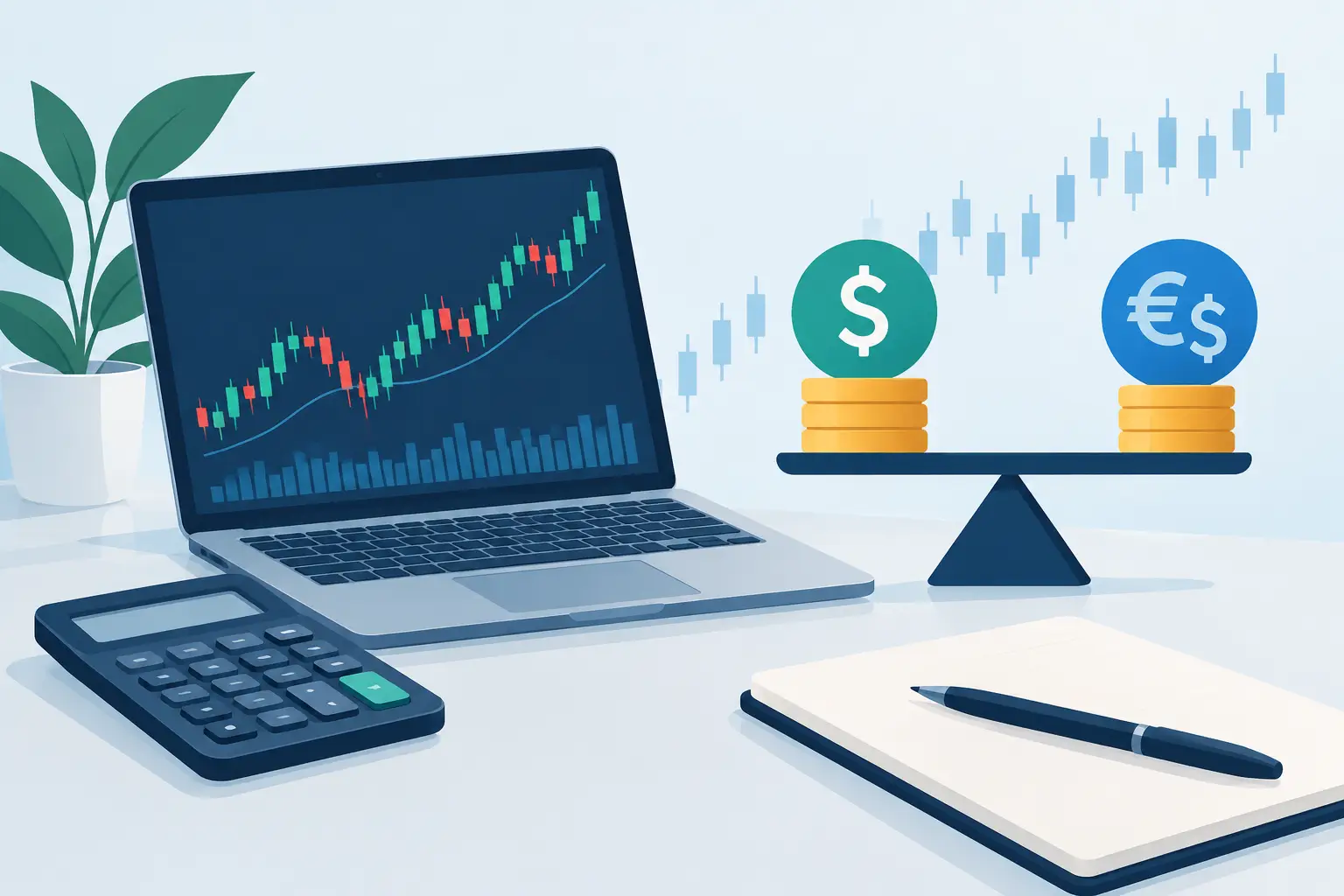
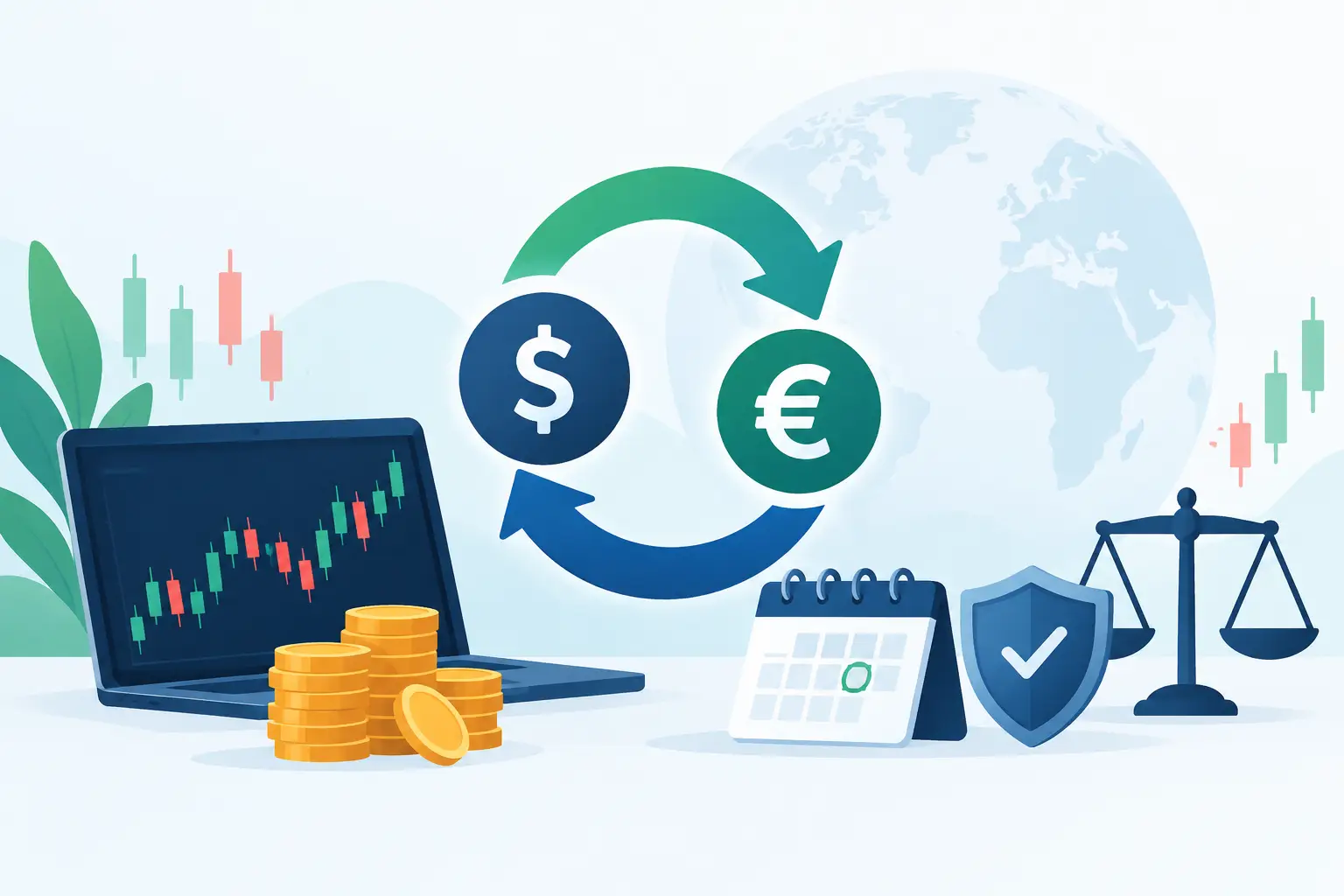
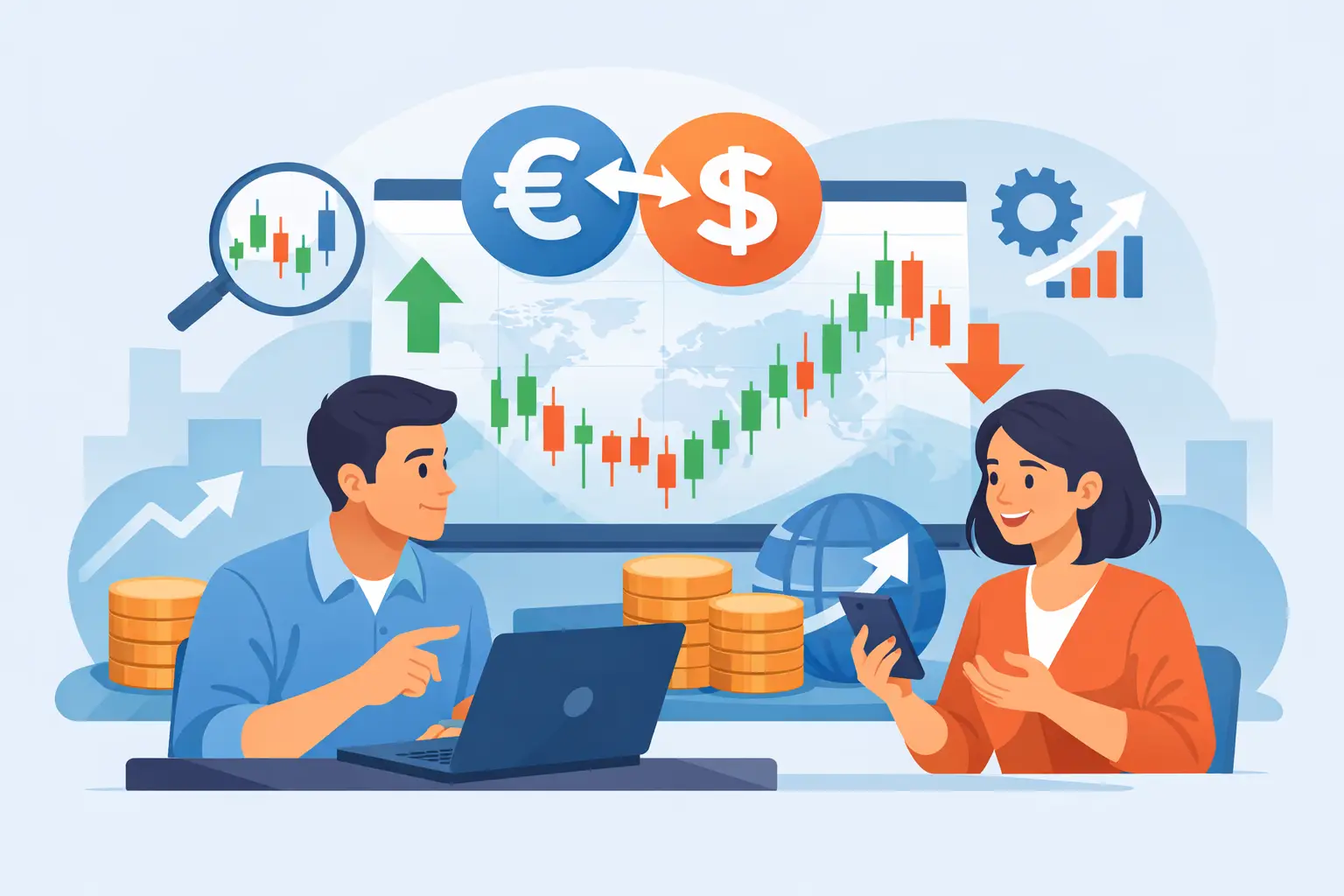
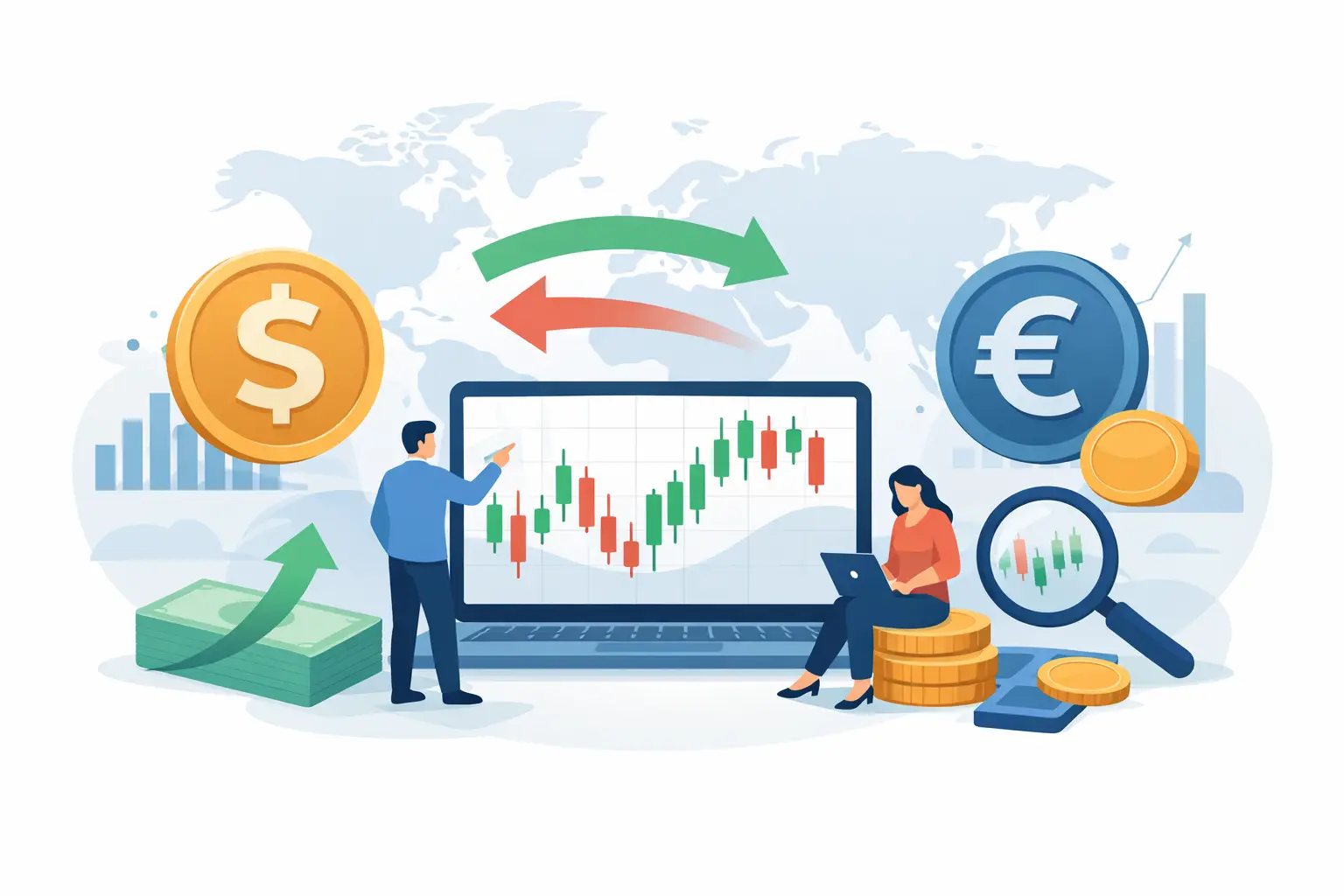
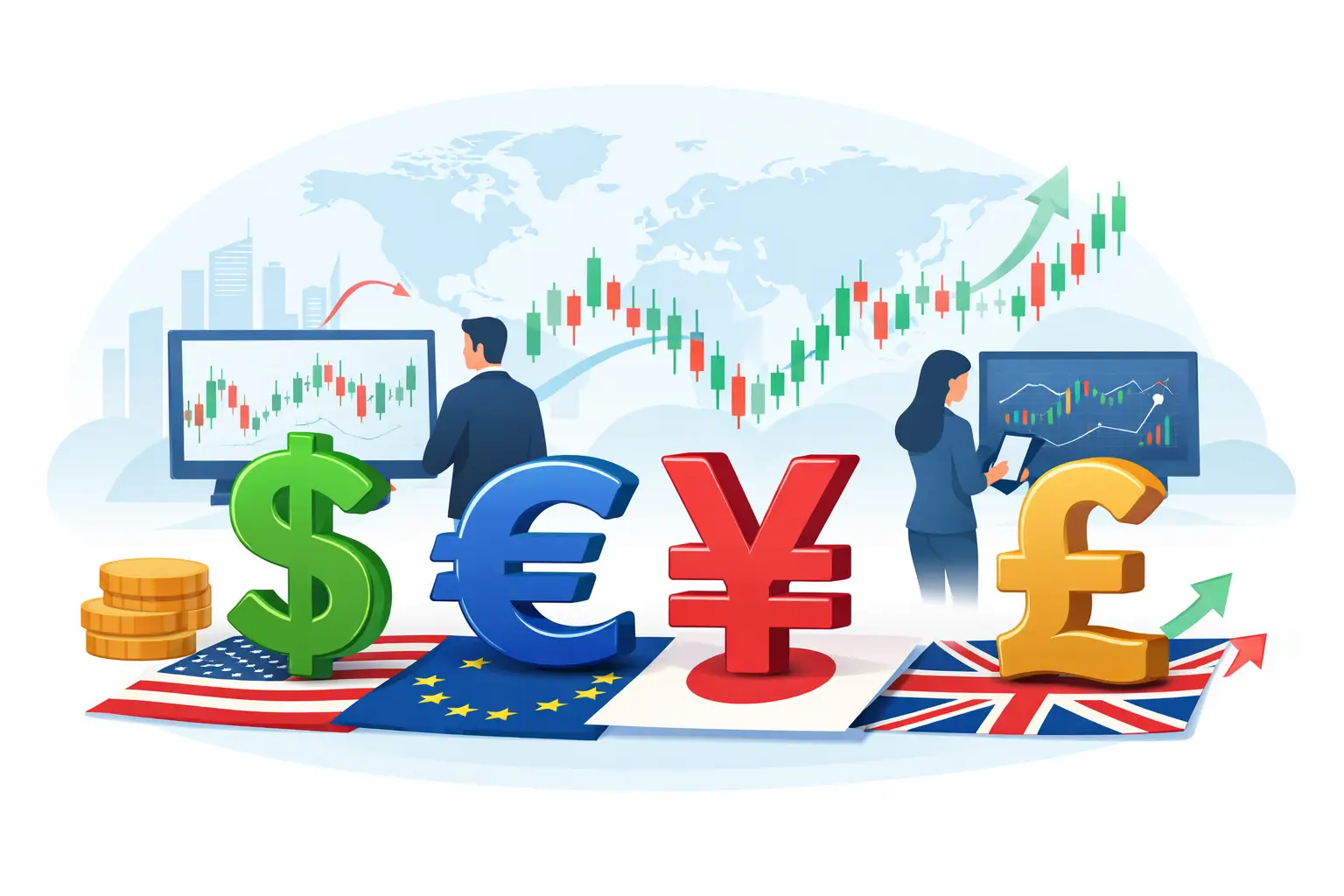
Forex is not about buying a single asset in isolation. Every trade involves a pair, such as EUR/USD, GBP/USD, or USD/JPY. The first currency is the base currency, and the second is the quote currency. If EUR/USD is trading at 1.0850, one euro is worth 1.0850 U.S. dollars.
When you buy EUR/USD, you are buying euros while selling dollars. You expect the euro to strengthen relative to the dollar. When you sell the pair, you expect the euro to weaken relative to the dollar. This simple relationship matters because a currency can look strong in one pair and weak in another.
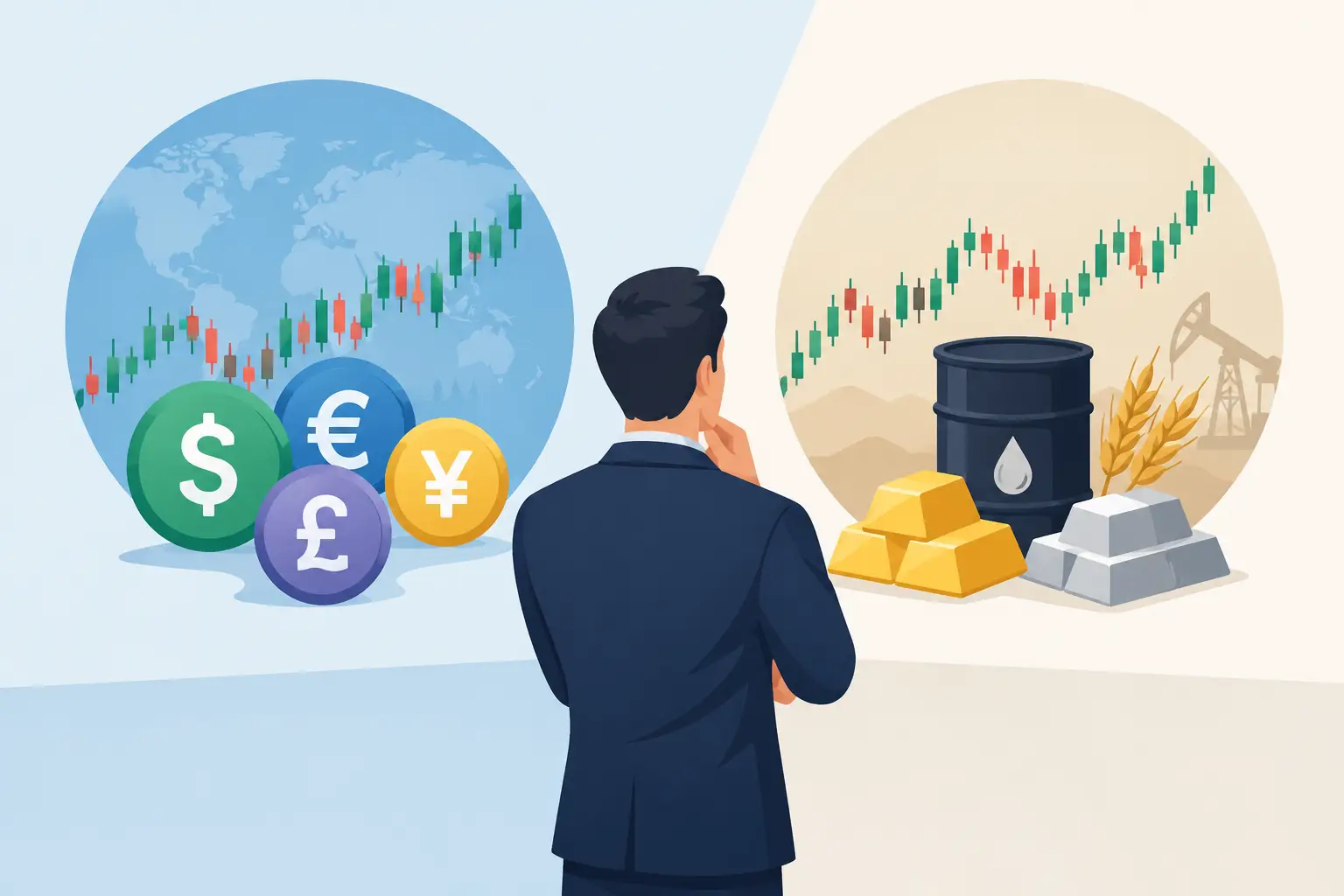
Beginners should also recognize the difference between major, minor, and exotic pairs. Major pairs generally combine the U.S. dollar with another widely traded currency and often have deeper liquidity. Minor and exotic pairs can offer different opportunities, but spreads may be wider and price swings may be sharper. Starting with a small watchlist of major pairs can make market behavior easier to follow.
2. Pips, lots, and position size determine your exposure
A pip is usually the fourth decimal place in a currency pair’s price. For many pairs, a move from 1.0850 to 1.0851 equals one pip. For Japanese yen pairs, the convention is generally the second decimal place. Pips provide a common way to measure price movement, but a pip has no fixed dollar value until you choose a position size.
Position size is often described in lots. A standard lot is 100,000 units of the base currency, while mini and micro lots represent smaller amounts. The larger the position, the greater the financial effect of each pip movement. A small price move can be manageable with a micro lot and substantial with a larger trade.
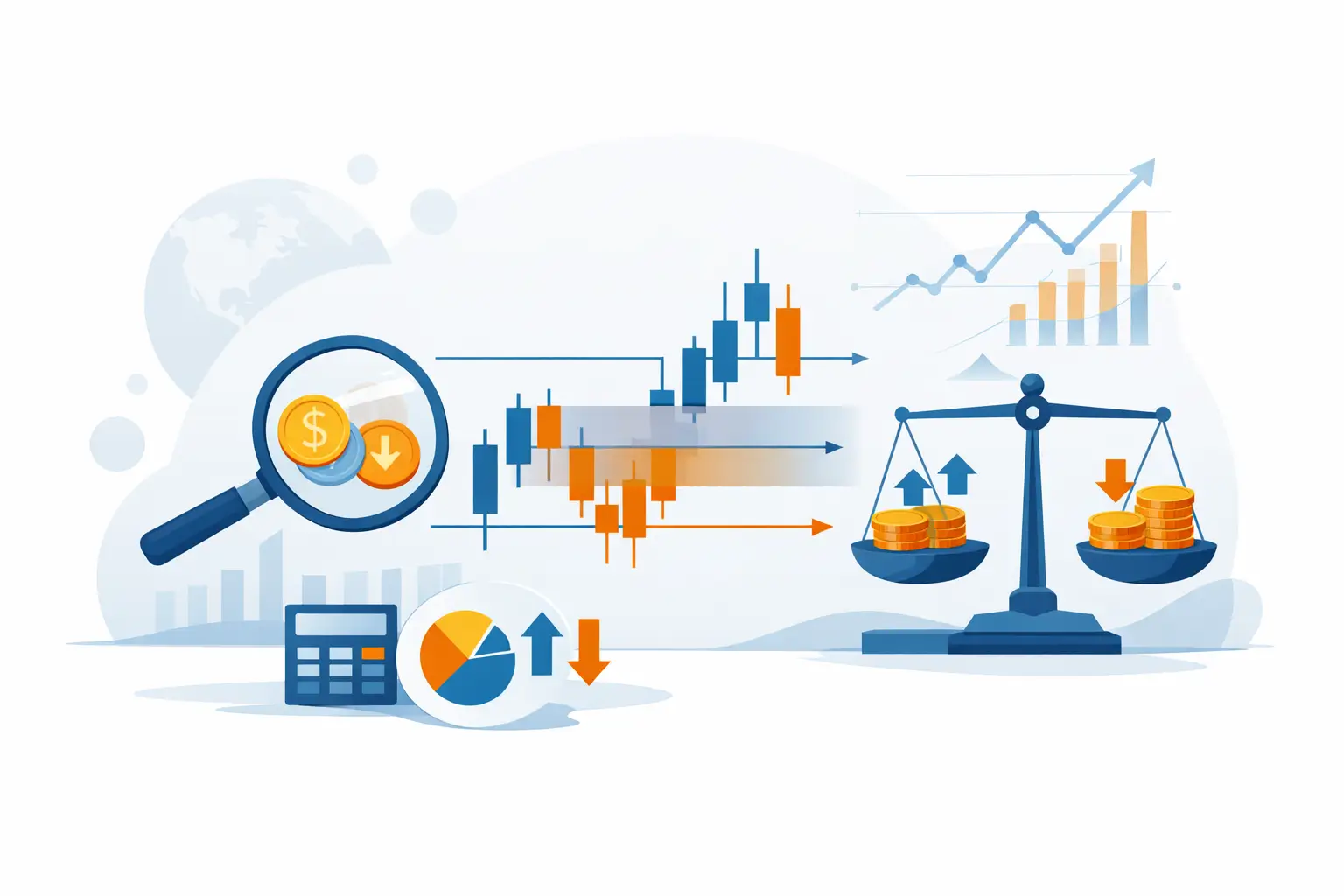
This is where many new traders make an avoidable mistake: they focus on how much they could make without calculating how much they could lose. Before entering a trade, know the entry price, stop-loss level, pip distance to the stop, and total dollar amount at risk. Position size should follow that calculation, not the other way around.
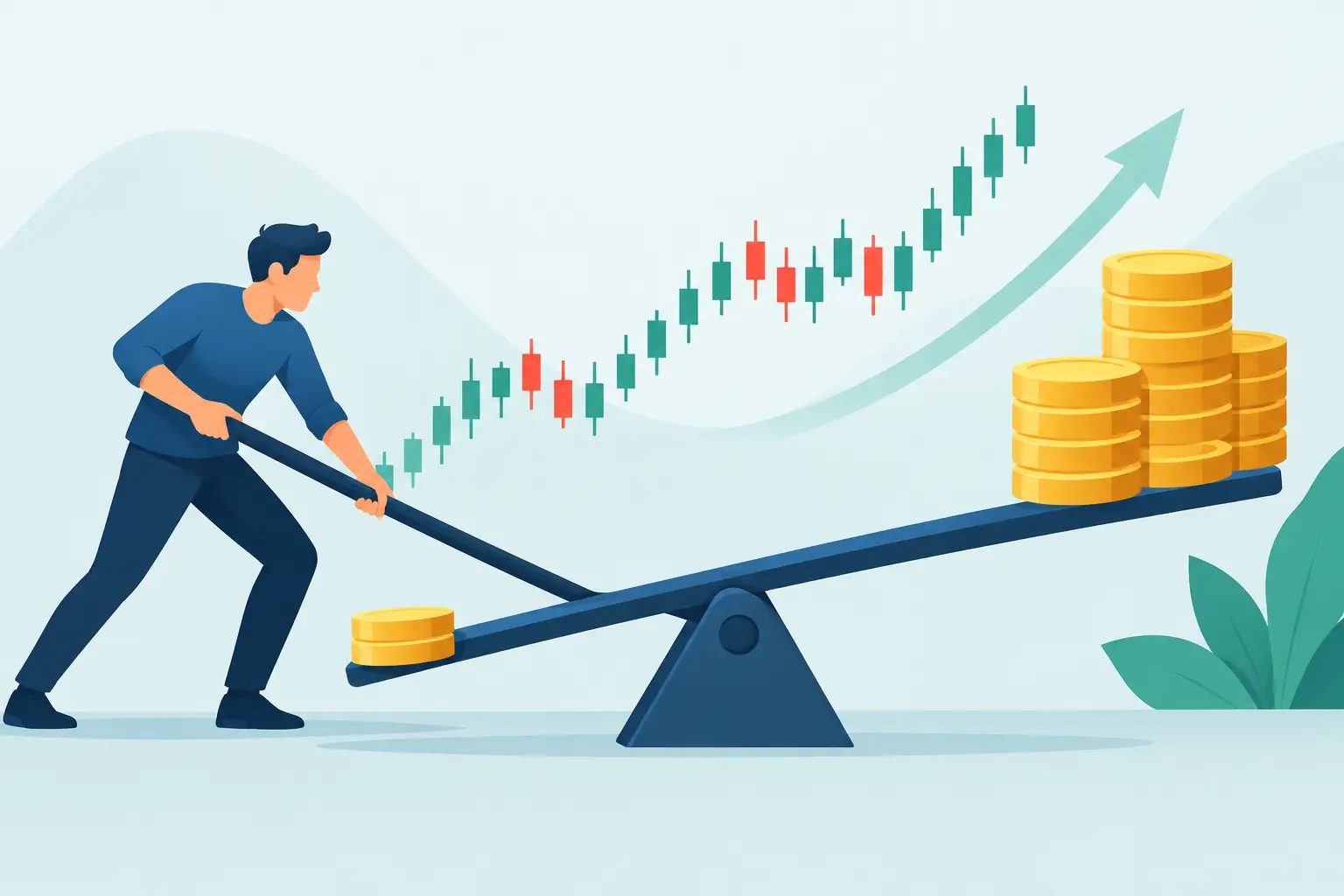
3. Leverage increases both opportunity and risk
उत्तोलन allows traders to control a larger market position with a smaller amount of capital, known as margin. It is a core feature of forex and CFD trading, but it is not extra money or a safety net. It is a multiplier.
For example, leverage may let a trader open a position that is larger than their cash balance alone would support. If the market moves in the anticipated direction, returns may be amplified. If it moves against the position, losses can accelerate just as quickly. Margin requirements, available leverage, and product access can vary by account type, instrument, and jurisdiction.
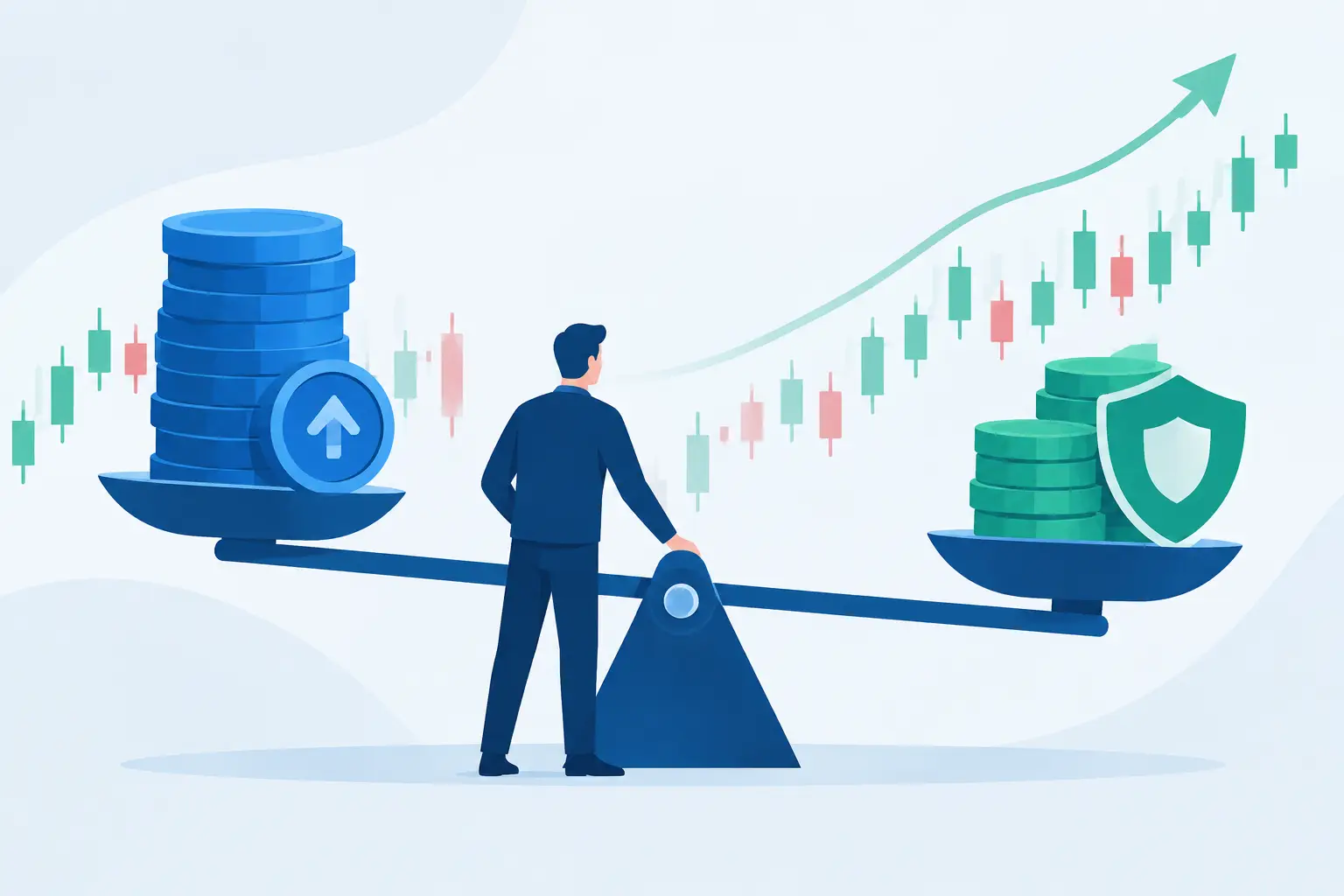
The practical lesson is straightforward: use less leverage than the maximum available. A trade that is too large can force emotional decisions, trigger margin pressure, or damage an account before a trading plan has a chance to work. Lower exposure gives beginners more room to learn from normal market movement.
4. Market drivers create movement, but not certainty
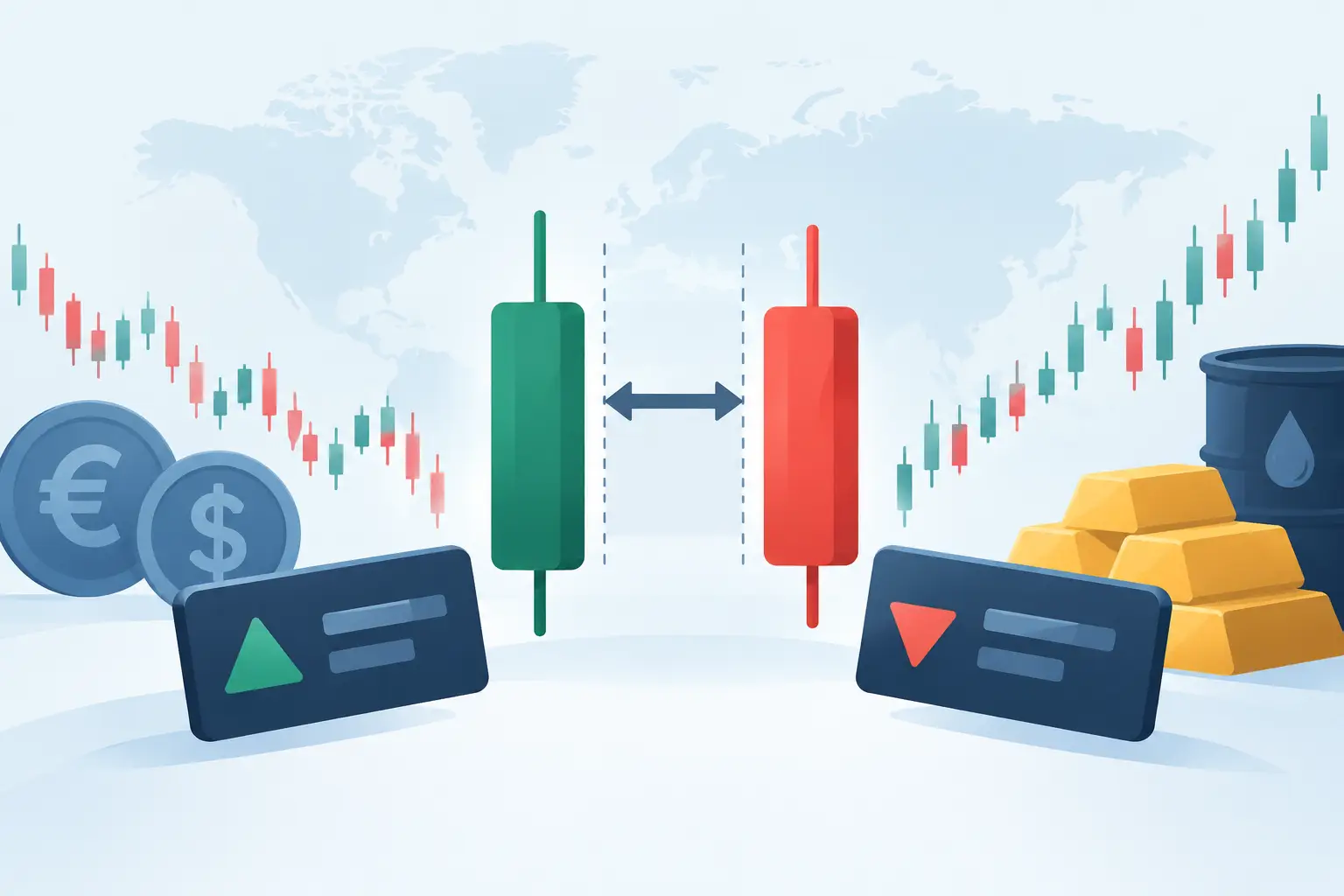
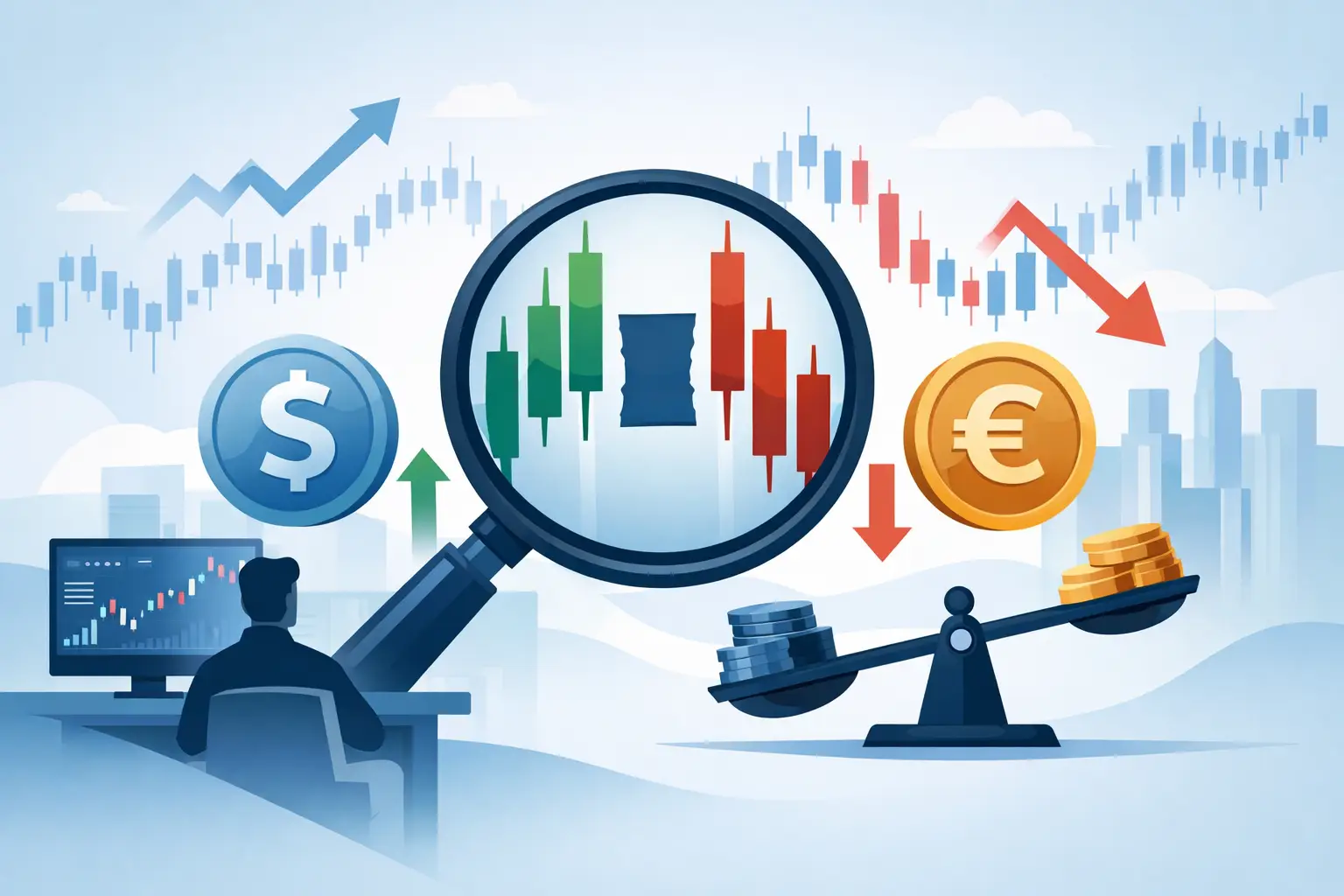
Currencies respond to more than chart patterns. Interest rate decisions, inflation reports, employment data, economic growth, geopolitical developments, and risk sentiment can all influence exchange rates. A stronger-than-expected U.S. jobs report, for instance, may affect expectations for interest rates and move USD pairs quickly.
An economic calendar helps traders identify scheduled events that could increase volatility. Central bank announcements and major data releases deserve special attention because spreads can widen and prices can move rapidly around them. That does not mean every event must be traded. For beginners, staying out during high-impact releases can be as sensible as participating.
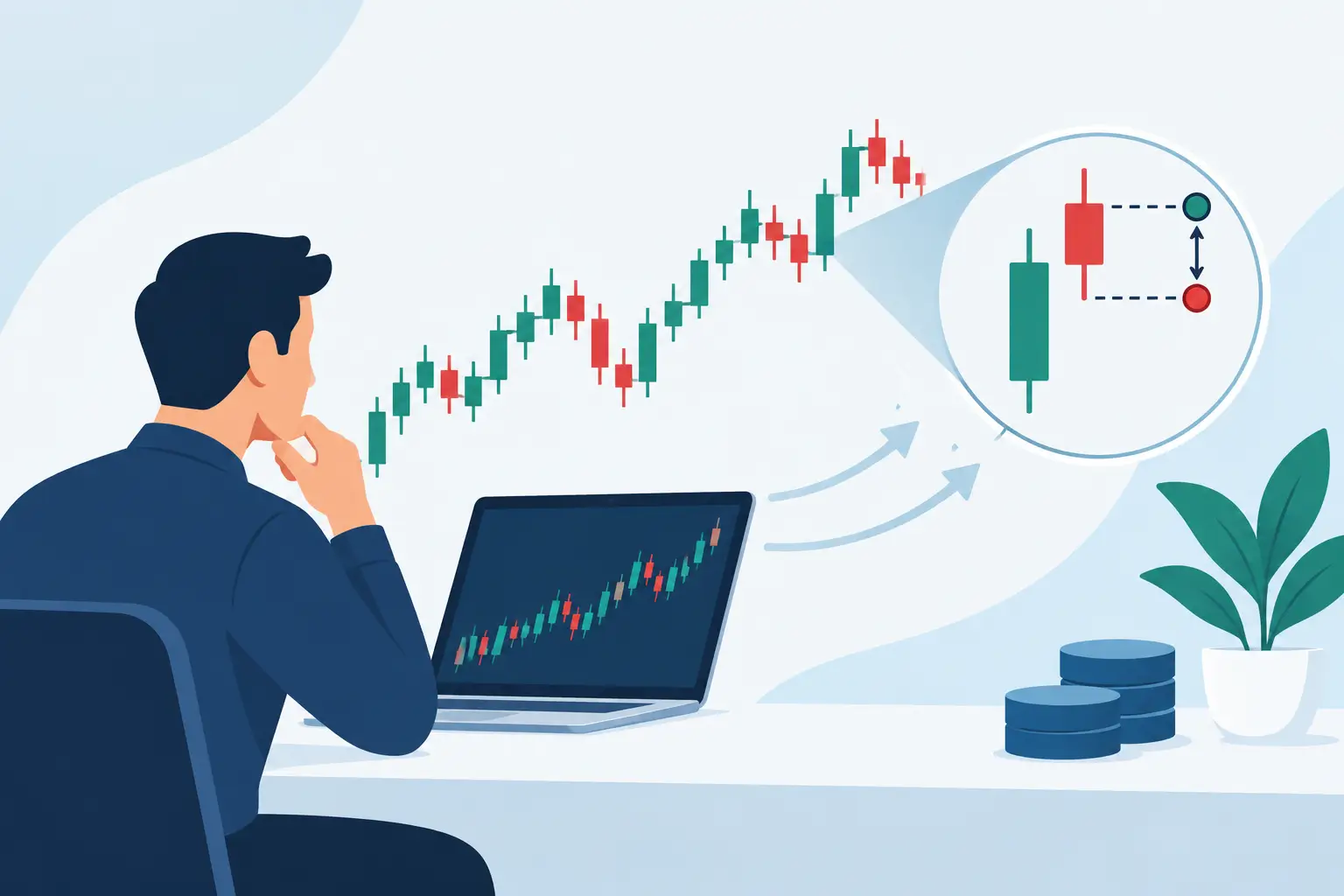
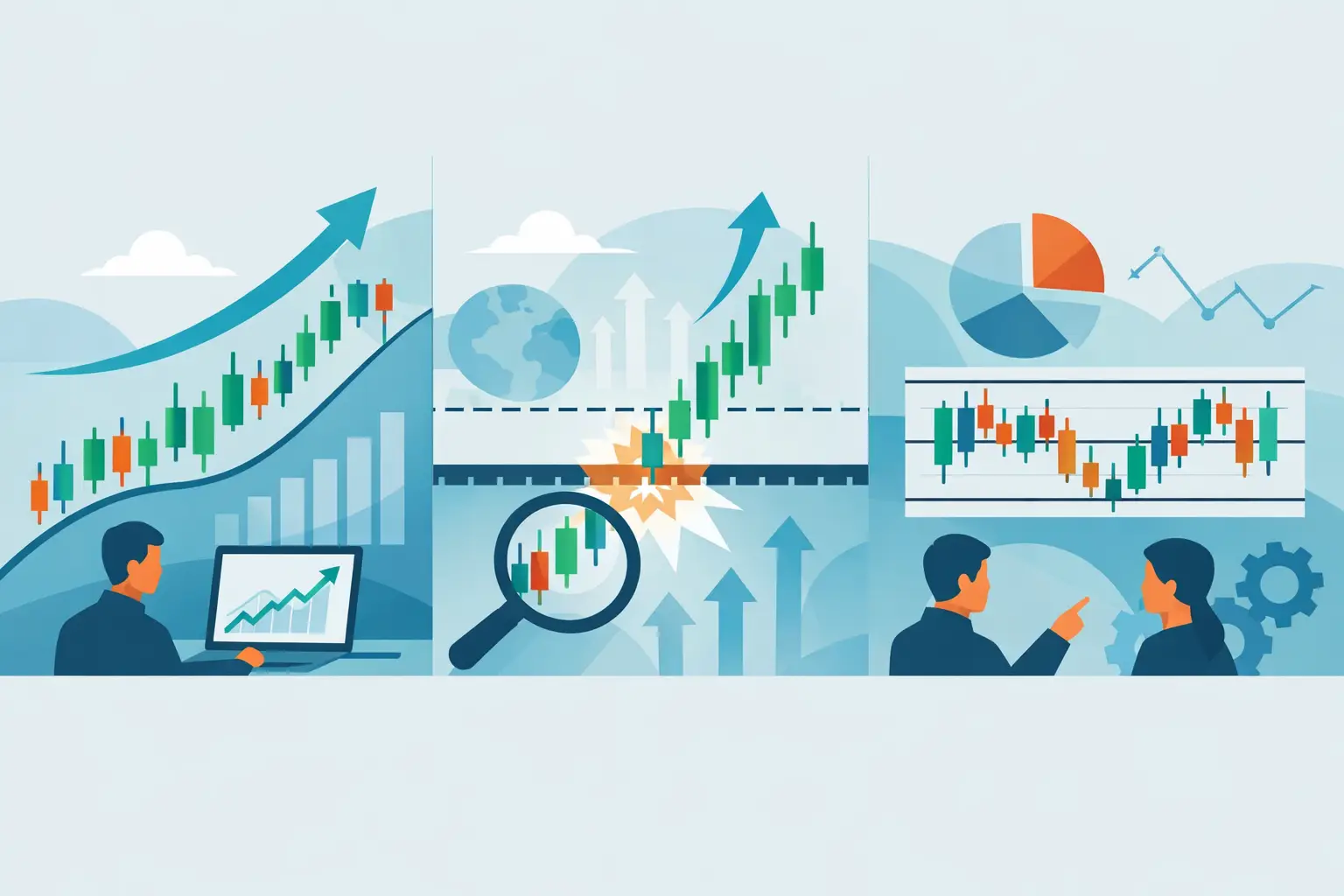
Technical analysis and fundamental analysis are not rivals. A chart may help identify entry levels, trend direction, and potential exits. Fundamental context may explain why volatility is rising or why a pair is under pressure. Your approach can lean more heavily toward one method, but it should not ignore the other entirely.
5. A trading platform is a decision tool, not just an order screen
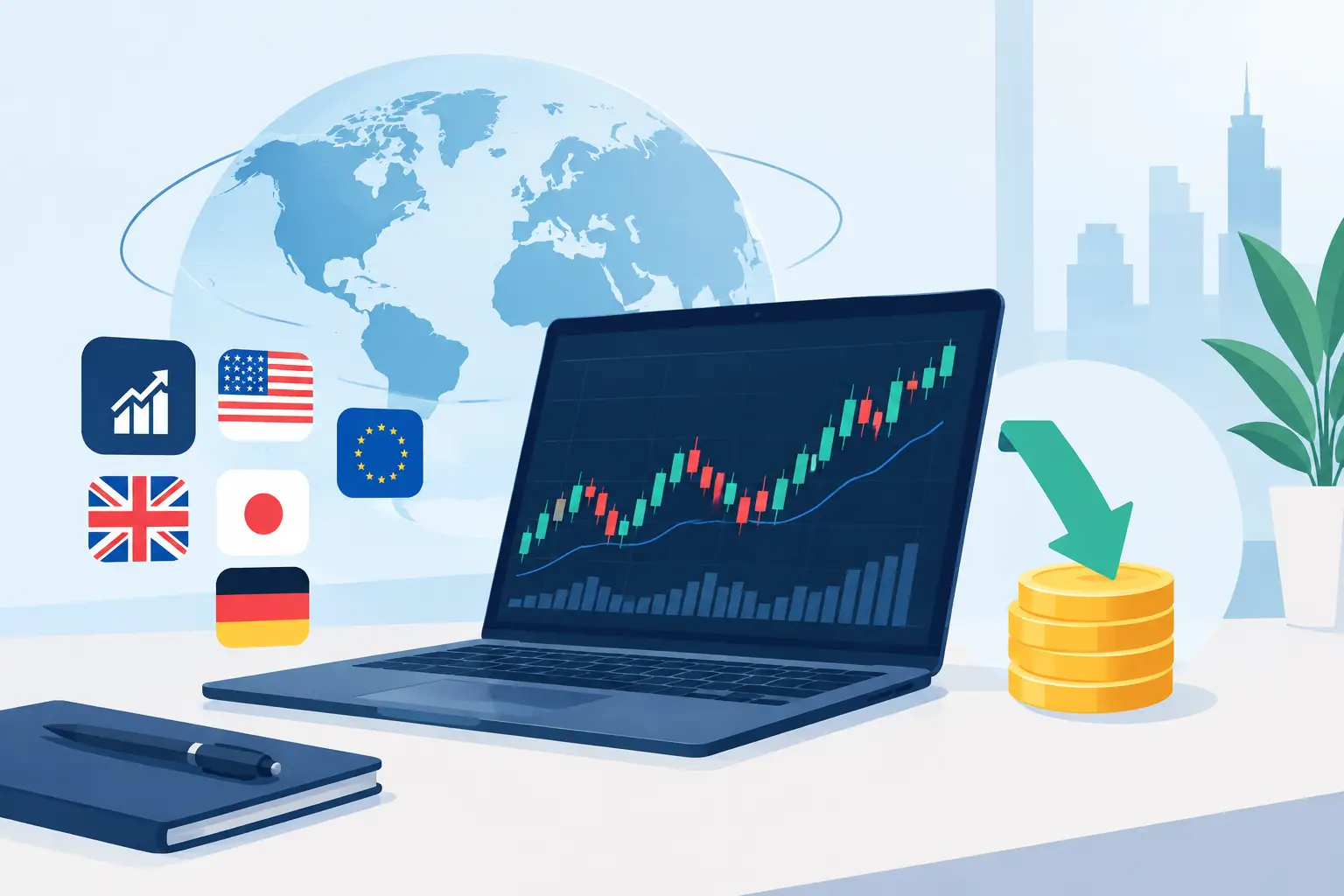
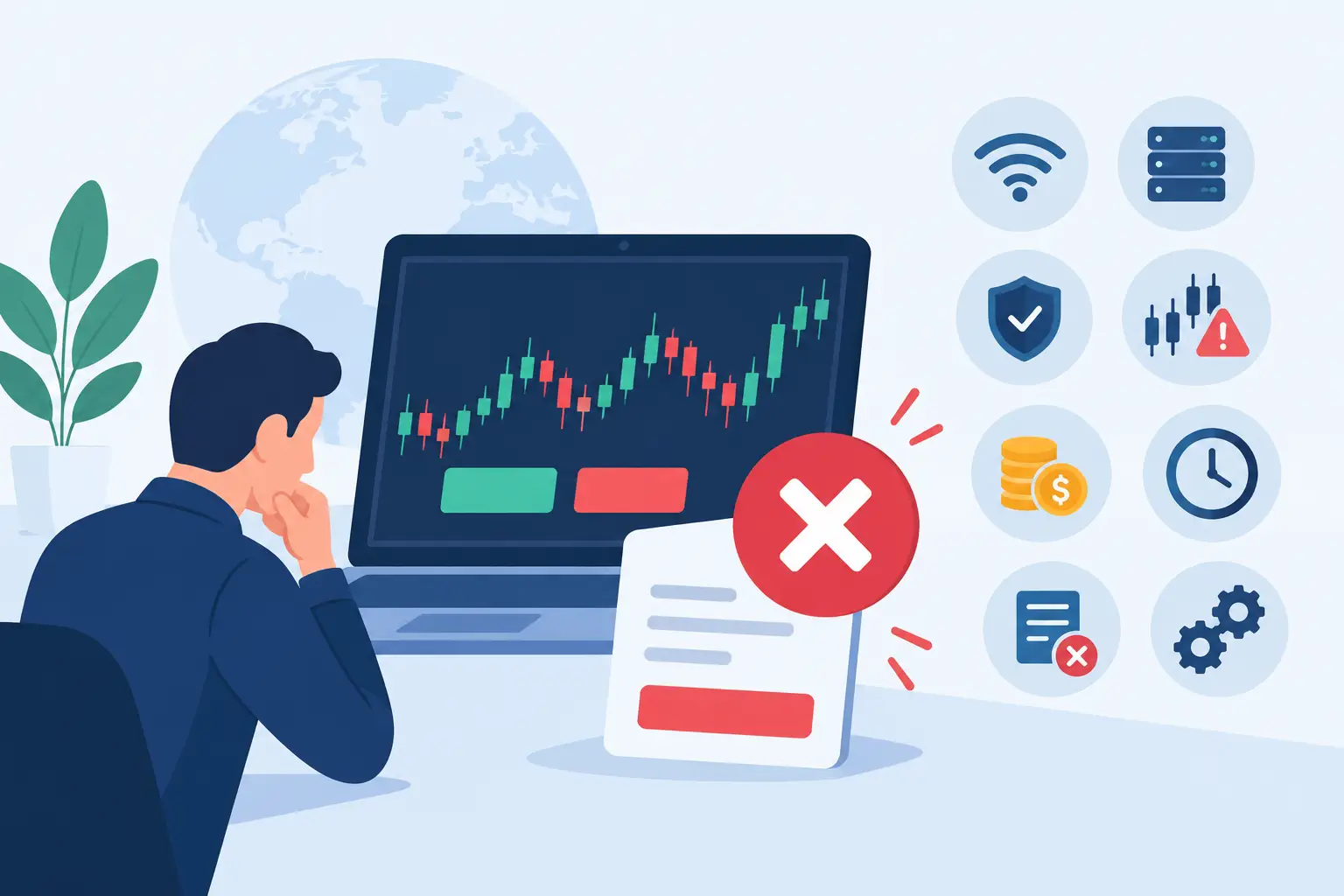
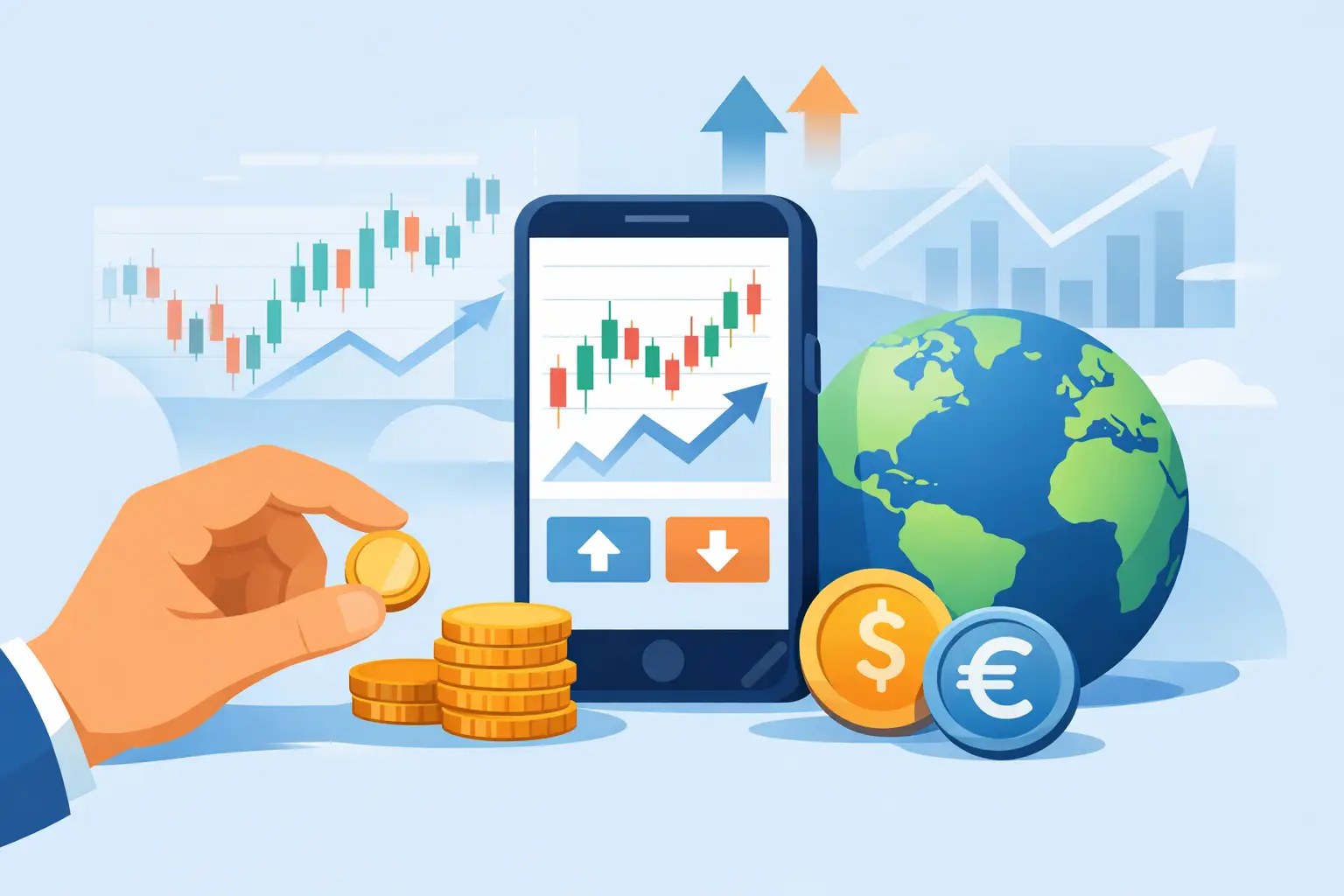
Your platform is where analysis becomes execution. Before trading live, learn how to read bid and ask prices, open and close orders, adjust volume, set stop-loss and take-profit orders, and review open exposure. These tasks sound basic, yet hesitation during a fast market can be costly.
Platforms such as MT4, MT5, and cTrader provide different layouts and tools, but the essential workflow is similar. You need to understand charts, order types, account metrics, and trade history. A demo environment is useful for practicing these actions without putting capital at risk.
Do not choose a platform solely because it has the most indicators. Choose one that lets you execute your method clearly and consistently. If you are reviewing a handful of pairs and using basic support, resistance, and risk controls, a clean setup may serve you better than a crowded screen of signals.
6. Every trade needs a plan before it needs an entry
A trading plan turns a market opinion into a controlled decision. It does not need to be complicated. For each setup, define what you are trading, why the setup is valid, where you will enter, where you are wrong, where you may take profit, and how much account capital you are willing to risk.
The key is consistency. If you risk 1% of your account on one trade, then 5% on the next because you feel confident, you are no longer measuring the quality of a strategy. You are measuring the effect of changing emotion. Many traders use a fixed risk percentage or a small fixed dollar amount while they build experience.
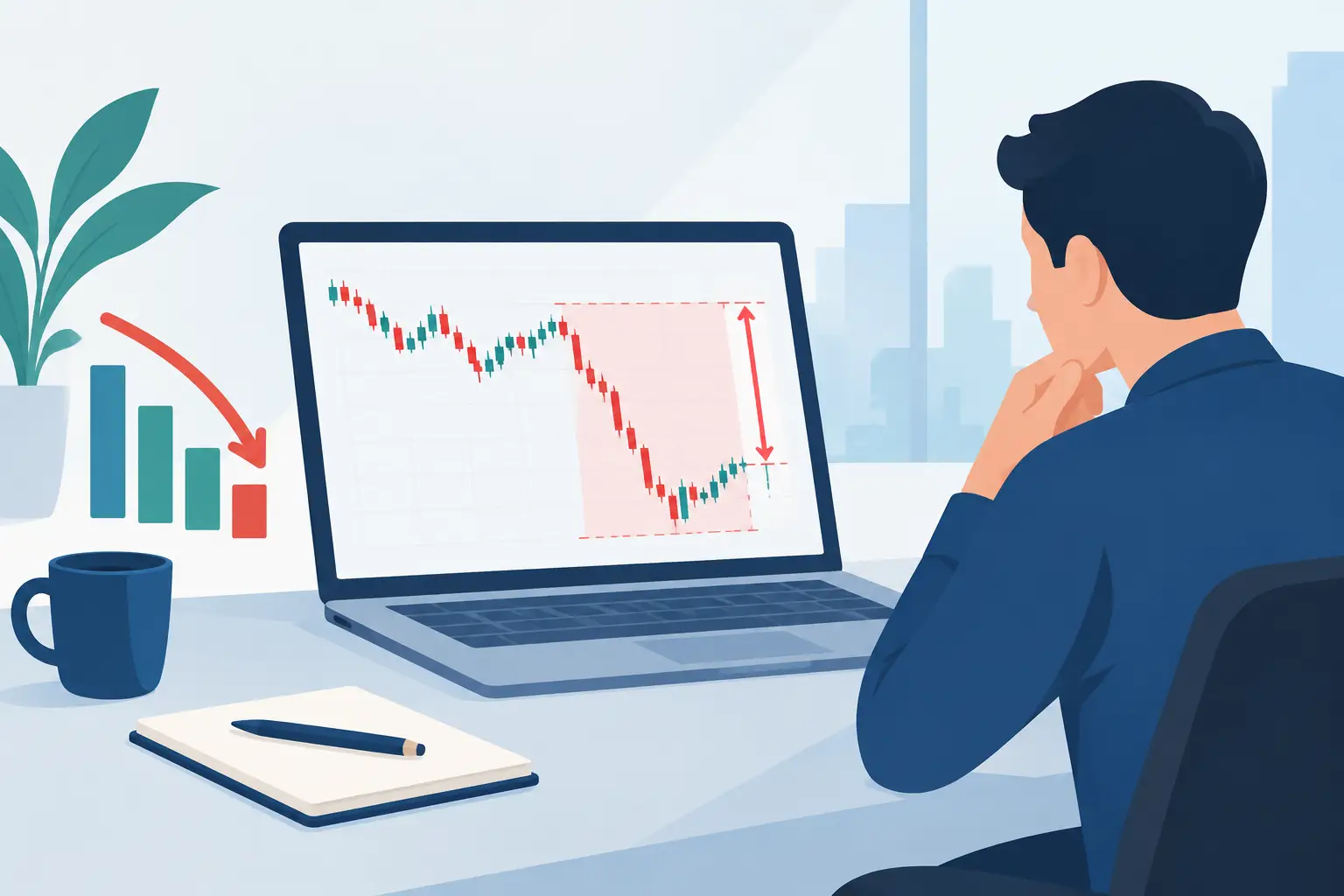
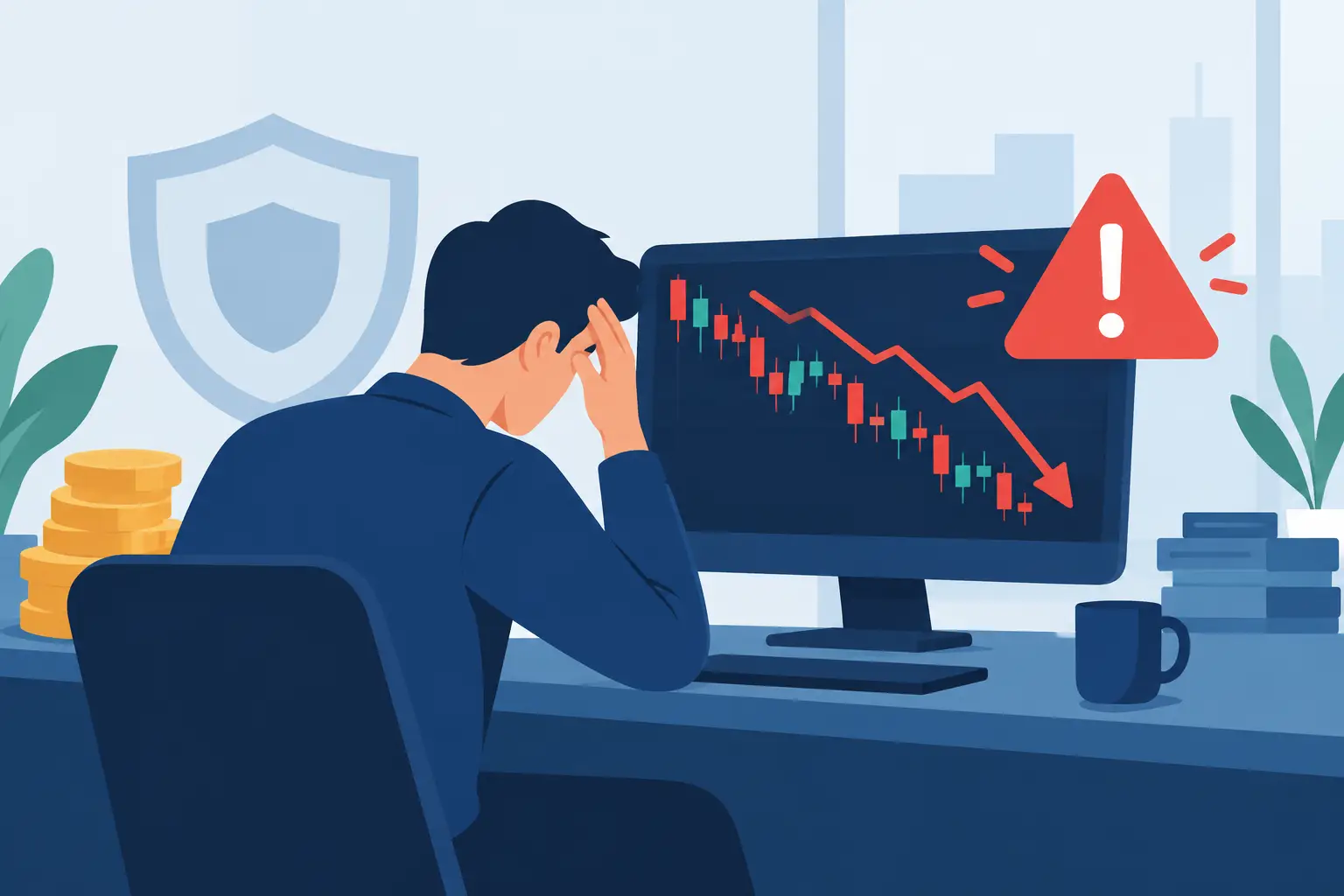
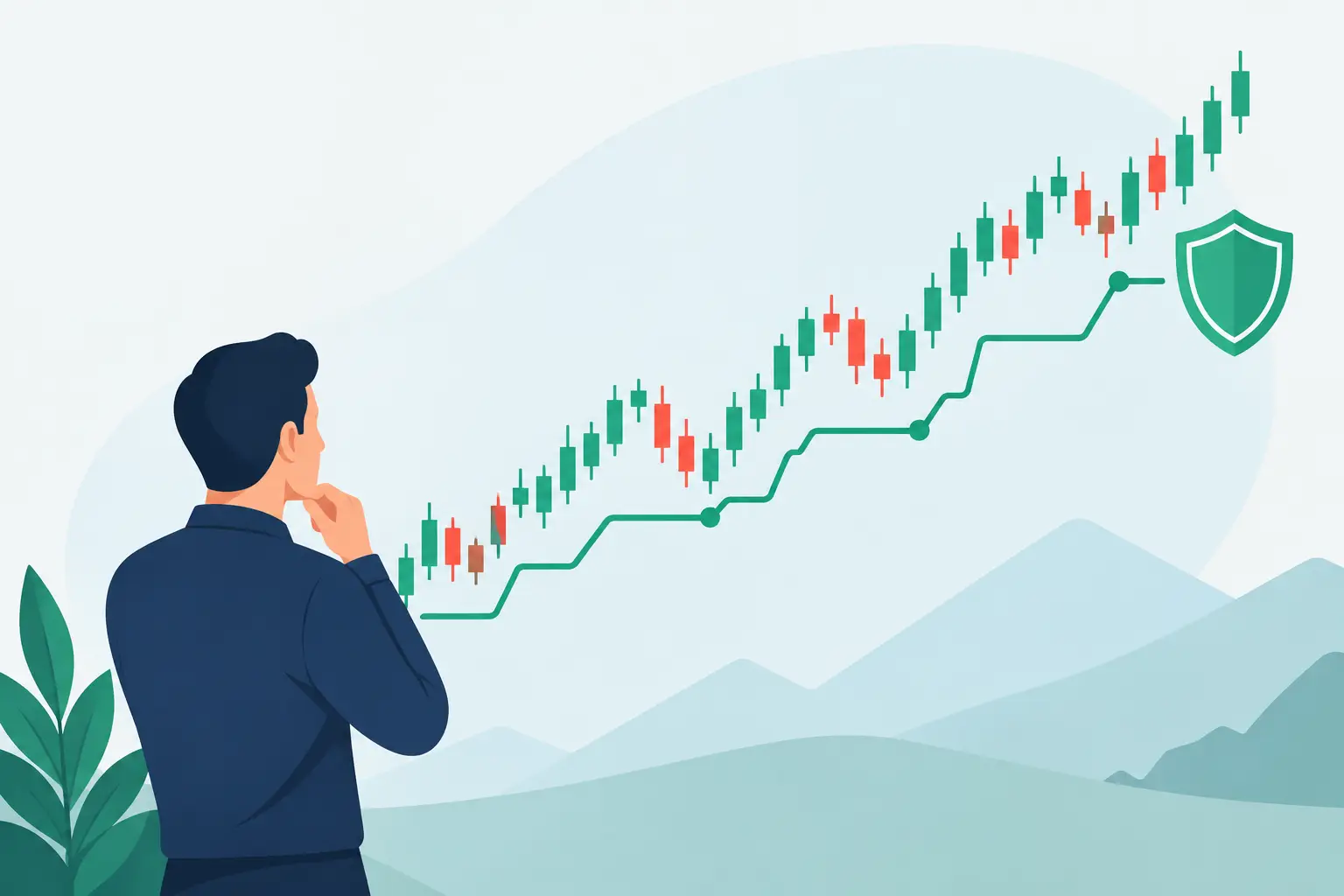
A stop-loss is not a guarantee of a precise exit price in every market condition, but it is a critical risk-control instruction. It defines the point where the trade idea no longer holds. Avoid moving a stop farther away simply to avoid accepting a loss. Losses are part of trading. Unplanned losses are the problem.
7. Costs, records, and practice shape long-term results
Trading results are affected by more than whether price goes up or down. Spreads, commissions where applicable, swaps or overnight financing, and potential slippage can all influence the outcome. A short-term strategy that appears profitable on a chart may struggle once real trading costs are included.
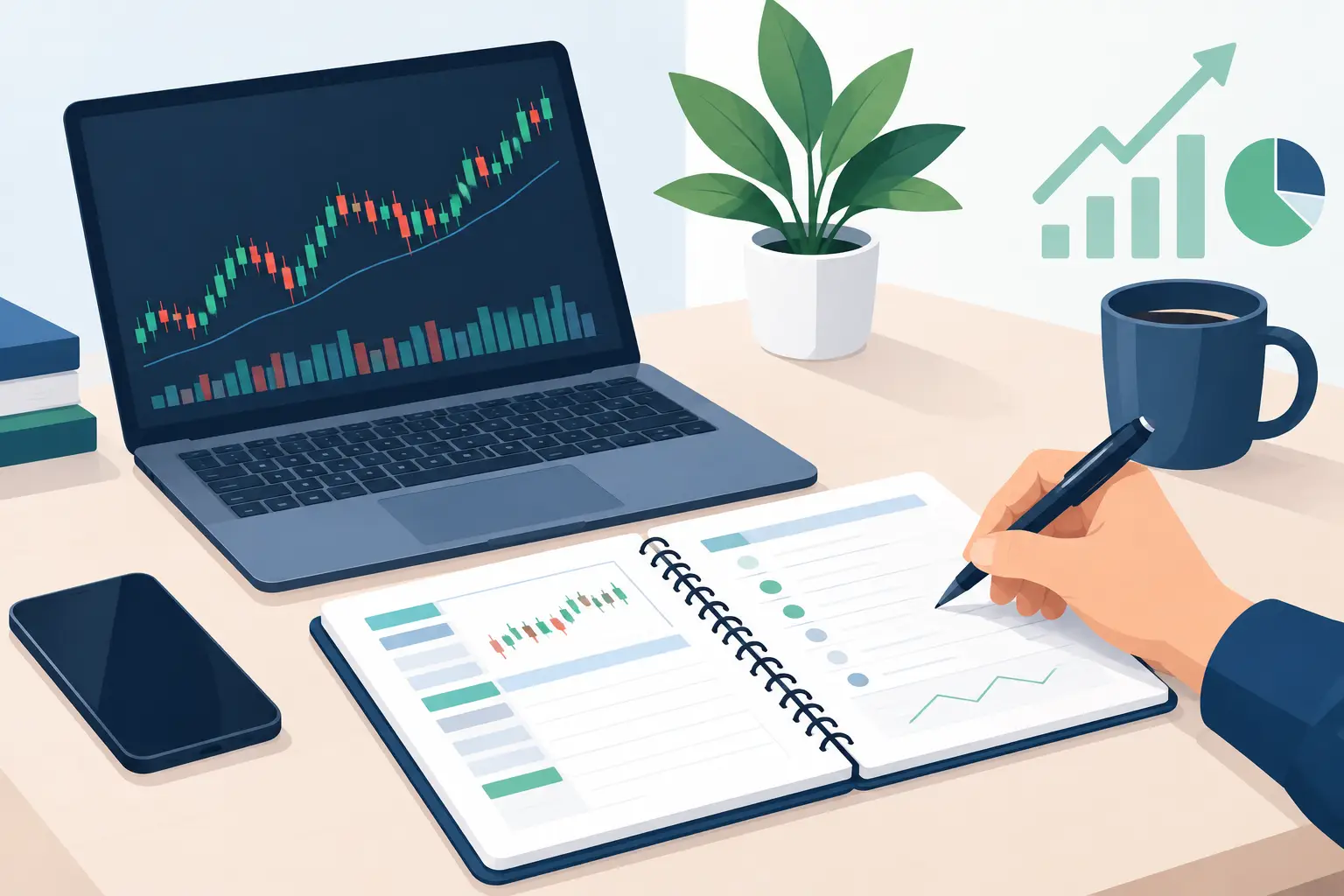
Keep a trading journal from your first demo trades onward. Record the pair, setup, entry, exit, risk amount, result, and your reason for taking the trade. Then review the pattern after a meaningful sample of trades. You may find that one setup performs better at certain times, that losses cluster around news events, or that your biggest errors come from entering without confirmation.
Practice is not about proving that you can win every day. It is about building a repeatable process. Start with a demo account, test one simple strategy, and move to a small live position only when you can follow your rules consistently. Monaxa provides access to widely used trading platforms and multiple markets, but the most valuable tool you bring to any platform is disciplined decision-making.
A first live trade should feel almost boring: modest size, defined risk, and a clear reason for every action. That is not a lack of ambition. It is the foundation that gives ambition a chance to last.