 English
 Portuguese
 Bahasa
Melayu
Bahasa
Melayu ไทย
ไทย 中文
中文 Tiếng Việt
 Español
 हिन्दी
 日本語
日本語 العربية
A fast chart and a long list of instruments can look impressive, but they do not tell you whether a platform fits the way you trade. Learning how to choose a trading platform starts with a more practical question: can you place, manage, and review trades with confidence under real market pressure?
The right choice is rarely about finding the platform with the most features. It is about matching your trading goals, experience, preferred markets, and risk tolerance with an environment that gives you reliable access and clear control. For a new trader, that may mean a clean interface and simple order placement. For an active trader, it may mean advanced charts, flexible execution tools, automation, or copy trading access.
Start With the Broker Behind the Platform
A trading platform is the software you use to analyze markets and send orders. A broker is the company that provides your account, trading conditions, funding options, customer support, and access to that platform. You need to assess both.
Before you compare charting layouts or indicators, check whether the broker is authorized to serve clients in your jurisdiction and understand what protections, rules, and restrictions apply to your account. Review its legal documents, account terms, risk disclosures, withdrawal process, and support channels. Availability of products, leverage, and platforms can differ by country, so never assume an offer shown online applies where you live.
This distinction matters because even an excellent platform cannot compensate for unclear account conditions or an unreliable operational experience. Your platform should work with a broker that communicates trading costs, margin requirements, and funding procedures plainly.
Match the Platform to Your Trading Style
Your strategy should lead the decision. A platform built for quick, frequent entries may feel excessive if you only review markets a few times a week. On the other hand, a basic mobile-first app can become limiting when you need deeper technical analysis or want to run automated strategies.
If you trade forex or CFDs actively, look closely at chart customization, pending order types, one-click trading controls, stop-loss and take-profit functions, and the speed of modifying open positions. These are not decorative features. They affect how efficiently you can execute a plan when prices move quickly.
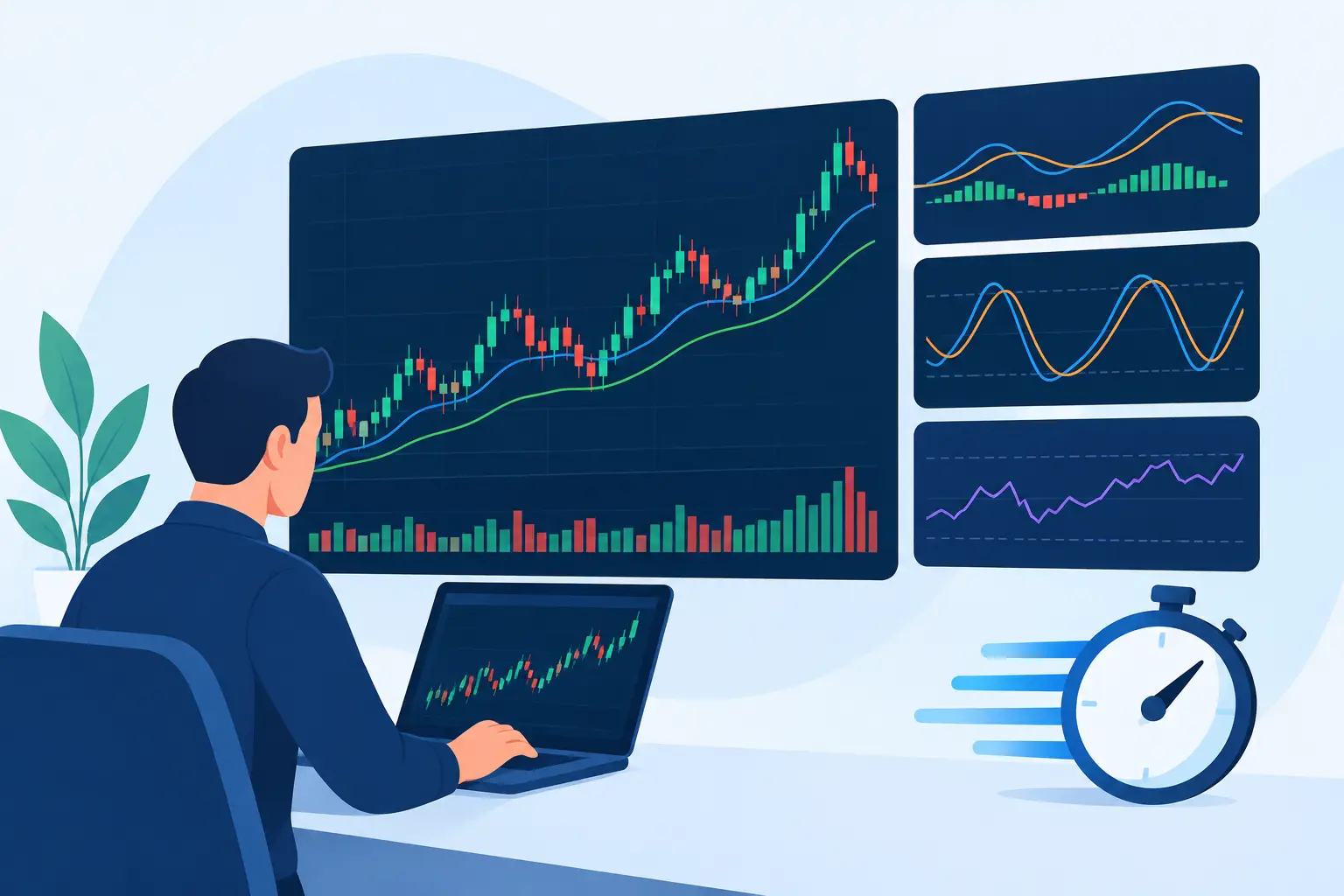
For traders who rely on technical analysis, compare the available time frames, drawing tools, indicators, alerts, and ability to save templates. A platform should let you organize your workspace around your process rather than force you to rebuild charts every time you log in.
Automation requires a different standard. If you use algorithmic strategies, check whether the platform supports expert advisors, custom indicators, backtesting, and virtual private server compatibility where applicable. Automated systems can still face slippage, changing spreads, connection interruptions, and losses. Test carefully in a demo environment before considering live funds.
Social and managed-style participants should focus on transparency. Copy trading and PAMM-style solutions can make it easier to follow a strategy provider or money manager, but past performance does not guarantee future results. Review performance history over multiple market conditions, maximum drawdown, fee arrangements, trading frequency, and the amount of risk taken to produce returns.
How to Choose a Trading Platform by Market Access
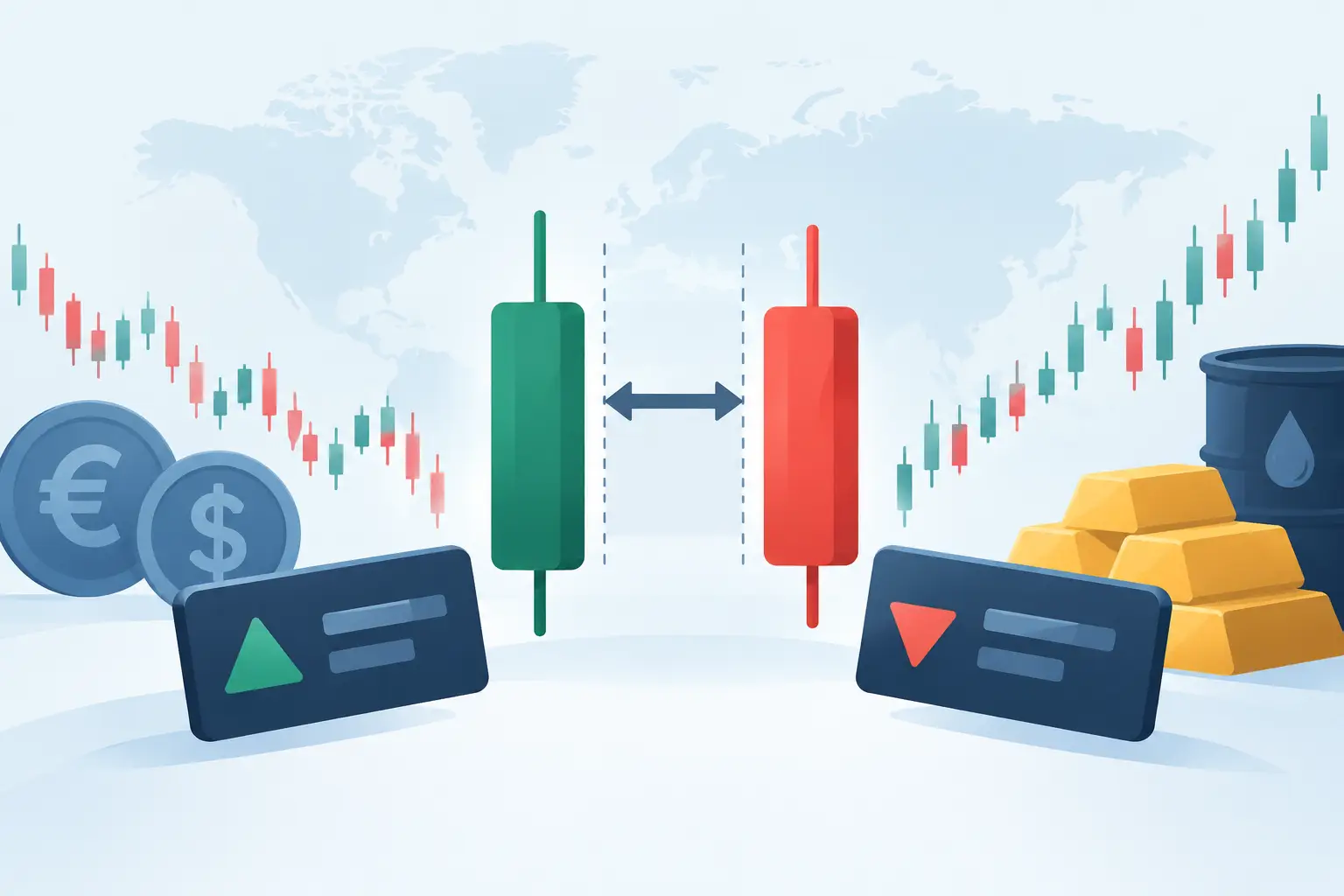
A platform is only useful if it provides the markets you actually intend to trade. Check the available instrument list rather than relying on broad labels such as “global markets.” A broker may offer forex pairs, crypto CFDs, indices, commodities, and stock CFDs, but the selection, contract specifications, trading hours, and margin requirements can vary significantly.
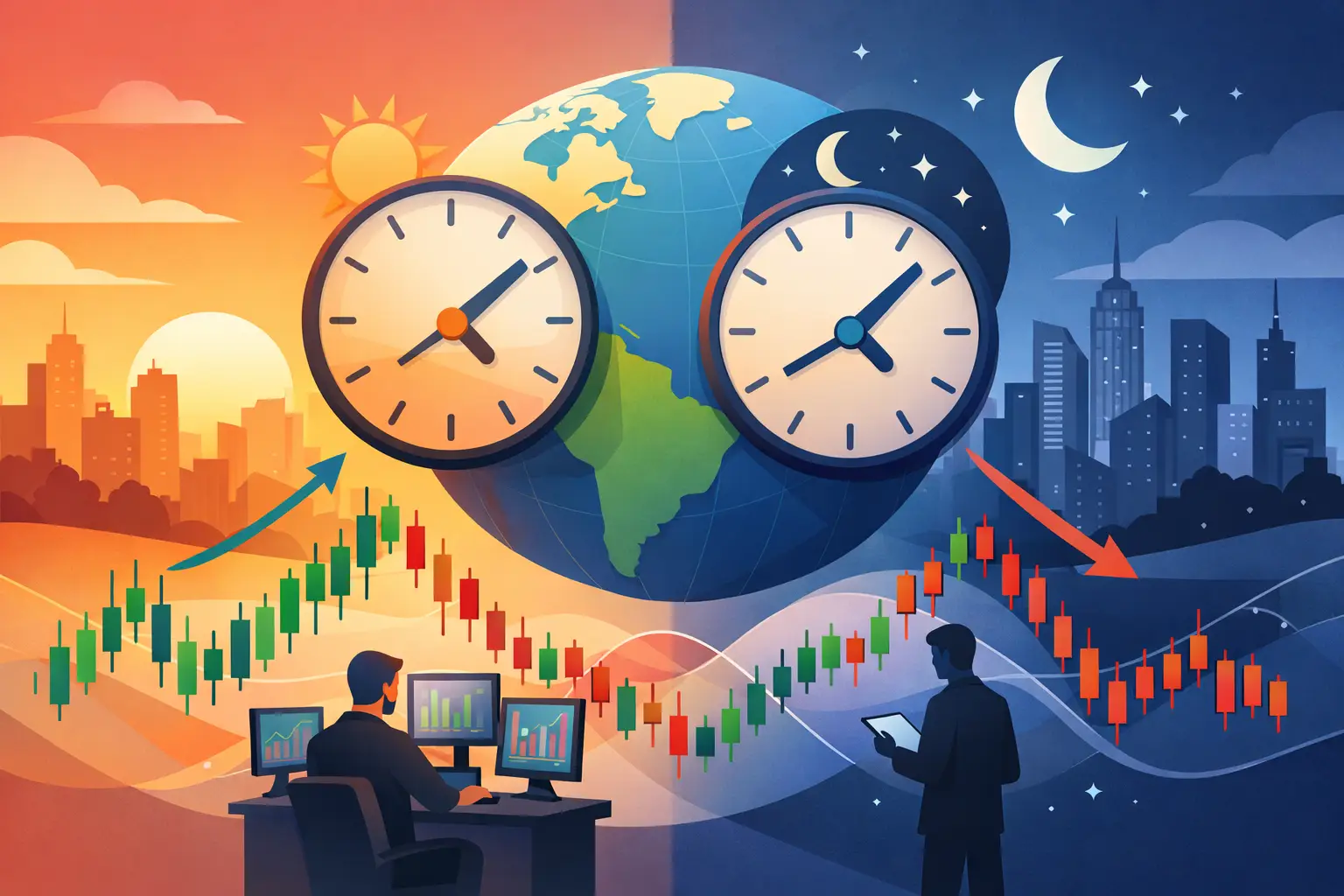
For example, a trader focused on major currency pairs may prioritize tight pricing and reliable execution during London and New York trading hours. Someone trading indices may care more about overnight financing, index availability, and news-driven volatility. Commodity traders need to understand contract rollover and the specific factors that can move energy, metals, or agricultural prices.
Product access also shapes your risk. Leveraged products can magnify both gains and losses, and a small price movement may have a larger impact on your account than you expect. Choose instruments you understand, use position sizes that fit your risk plan, and know the margin level at which your broker may take action on open positions.
Compare Costs Beyond the Headline Spread
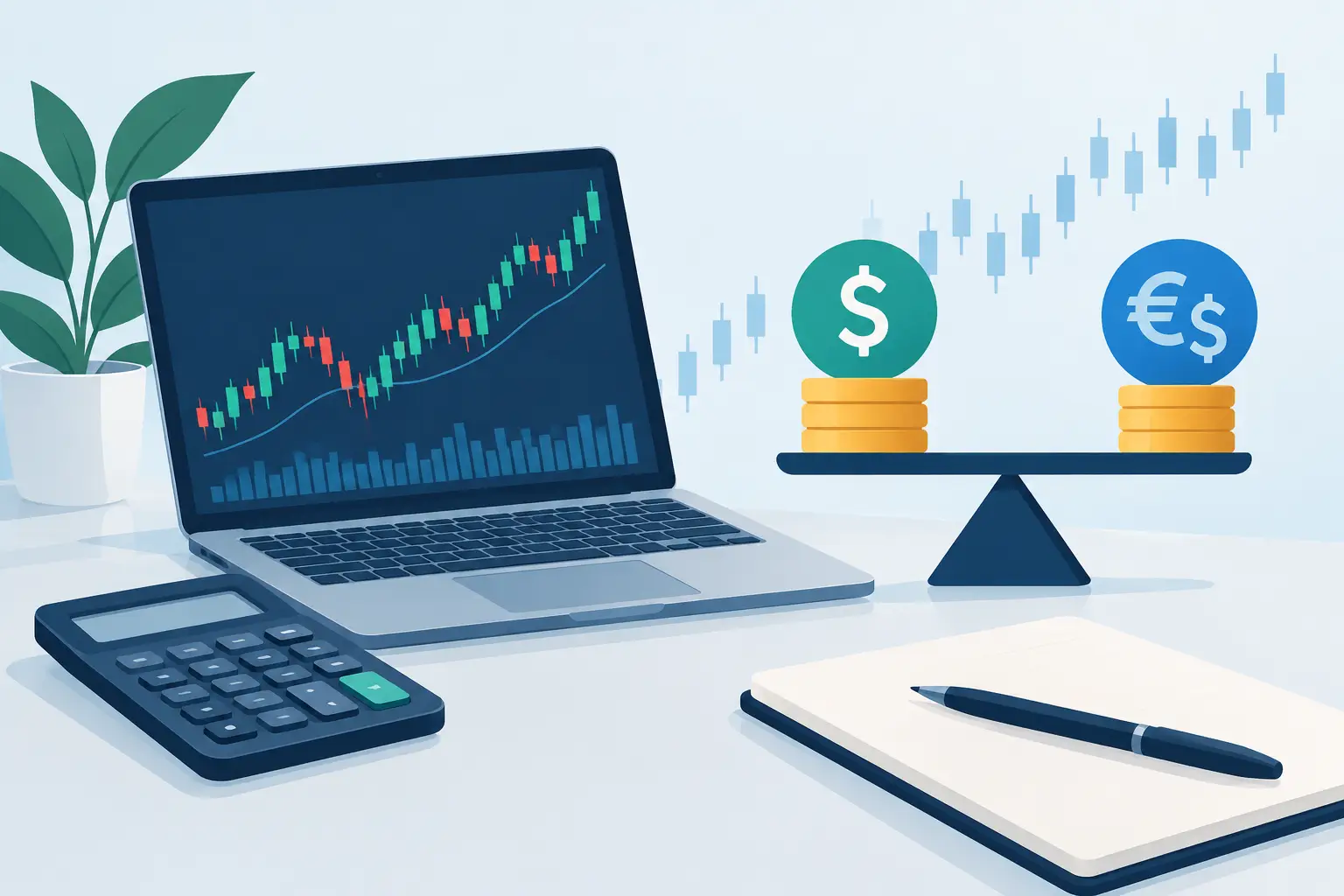
Trading costs are not limited to the spread displayed on a quote. Depending on the account type and product, your total cost may include commissions, swaps or overnight financing, currency conversion charges, deposits or withdrawal fees, and inactivity fees.
A lower spread does not automatically mean a lower-cost account. A commission-based account may offer narrower pricing but add a fixed charge per trade. A spread-only account may be simpler for a beginner, but it can be more expensive for a high-frequency trader. The better option depends on your average trade size, holding period, and how often you enter the market.
Look at real use cases. If you hold positions overnight, financing rates may matter more than a small difference in spreads. If you scalp short-term price movements, execution quality and commissions may have a bigger effect. Read the full fee schedule before funding an account and calculate the likely cost of your normal trading activity.
Test Execution, Orders, and Risk Controls
In fast markets, the difference between a plan and a poor outcome can come down to how your order is handled. No platform can guarantee a specific fill price in every market condition, particularly around major economic events or periods of reduced liquidity. Still, your platform should make order status, available margin, and open exposure easy to see.
Test the practical controls before you trade live. Can you place market, limit, stop, and stop-limit orders where available? Can you attach a stop-loss and take-profit at entry? Can you partially close a position or quickly adjust an order? Are margin alerts visible and understandable?
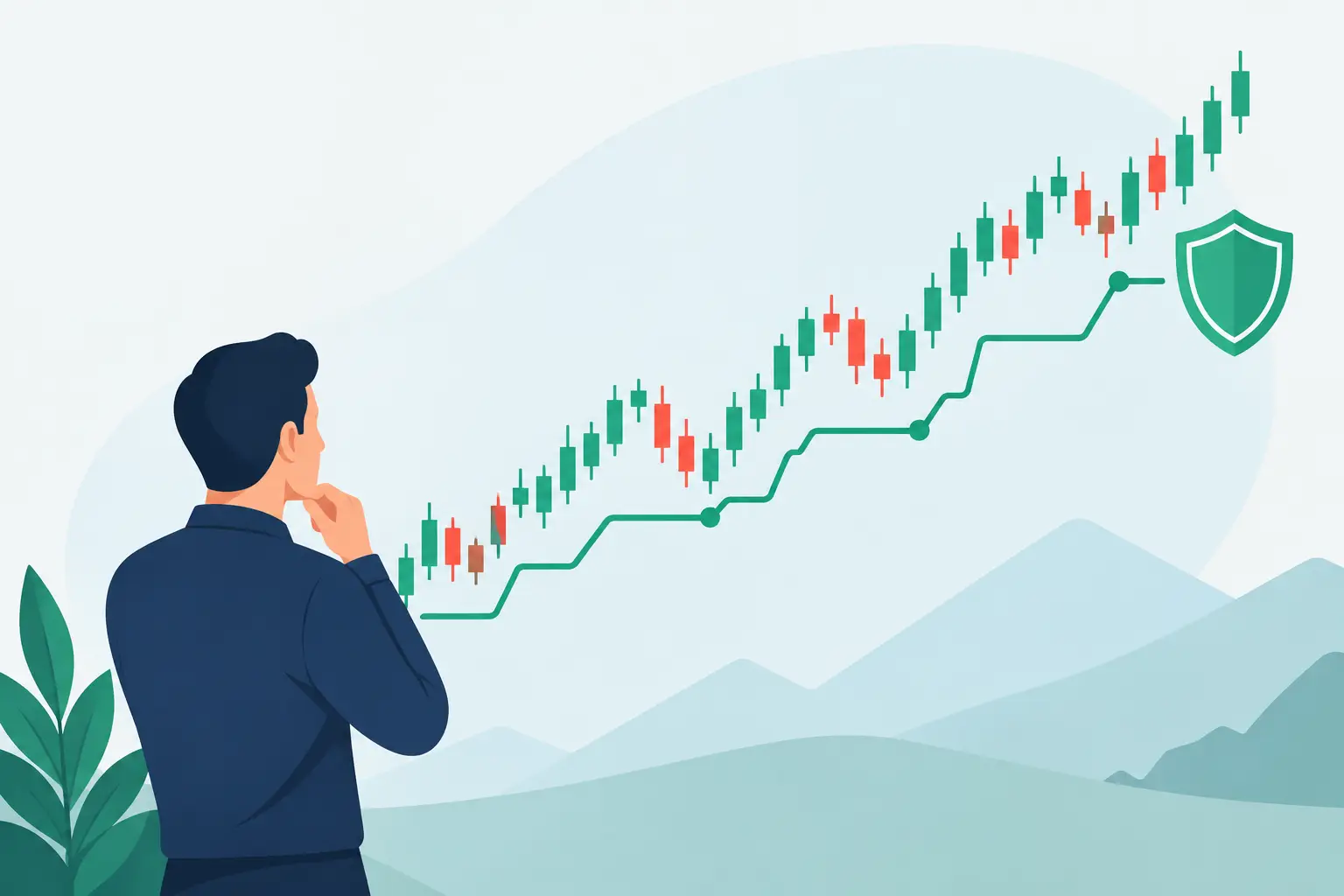
A useful platform also supports disciplined decision-making. Price alerts, economic calendars, account history, trade journals, and clear profit-and-loss reporting help you evaluate behavior instead of trading from memory. These tools will not remove risk, but they can make risk more measurable.
Choose an Interface You Will Actually Use
Traders often underestimate usability because every platform feels manageable during a brief demo. The real test comes after a volatile session, when you are watching multiple positions or trying to make a quick adjustment from your phone.
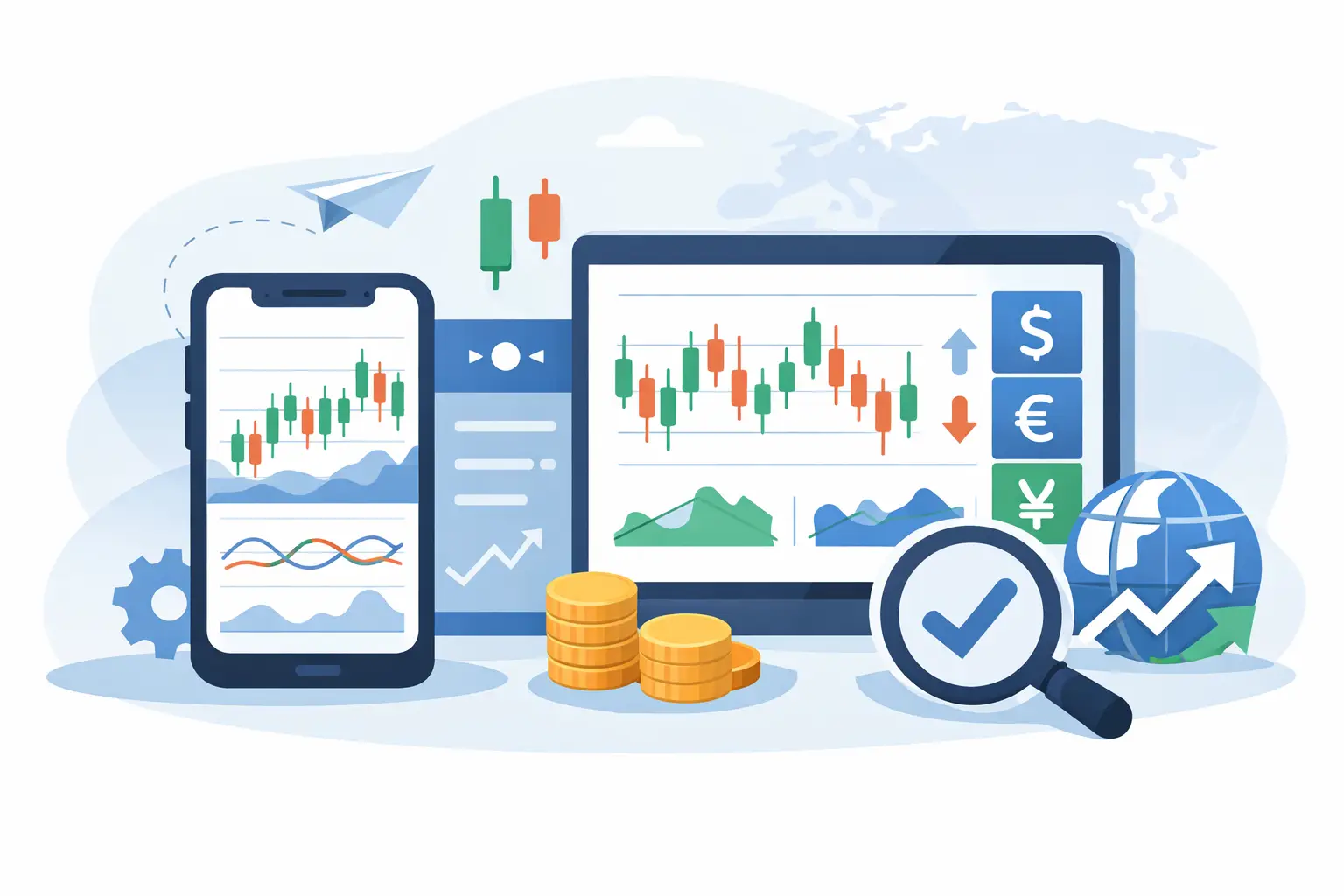
Desktop platforms generally offer greater charting depth and workspace flexibility. Mobile platforms offer access when you are away from your desk. The strongest setup for many traders is not an either-or decision: it is a desktop platform for detailed analysis paired with a mobile app for monitoring positions, receiving alerts, and managing risk when necessary.
Widely used platforms such as MT4, MT5, and cTrader each appeal to different workflows. MT4 remains familiar to many forex traders and supports a large ecosystem of indicators and automated tools. MT5 expands market coverage, time frames, and analytical functions. cTrader is often favored for its modern interface, detailed charting, and execution-focused tools. The best choice comes down to your workflow, not the platform with the loudest reputation.
For traders who want several participation models in one place, a broker ecosystem such as Monaxa may offer self-directed platforms alongside copy trading and other account options. Treat that flexibility as a reason to compare features carefully, not as a substitute for understanding the risks of each product.
Use a Demo, Then Start Small
A demo account is the closest thing to a no-pressure platform test. Use it to build watchlists, place different order types, examine spreads at various times, and learn how margin changes as you open positions. Do not rush through this stage just because the interface looks familiar.
Demo trading cannot fully recreate live emotions, slippage, or the consequences of real losses. Once you understand the tools and account conditions, consider beginning with an amount you can afford to lose. Keep position sizes modest while you test your execution habits and learn how the platform behaves during active market hours.
A good trading platform should make your next decision clearer, not more complicated. Choose the one that supports your strategy, shows your risk plainly, and gives you the control to trade with purpose rather than impulse.