 English
 Portuguese
 Bahasa
Melayu
Bahasa
Melayu ไทย
ไทย 中文
中文 Tiếng Việt
 Español
 हिन्दी
 日本語
日本語 العربية
A $10 or $20 starting balance can get you into the market, but it cannot protect you from poor execution, oversized positions, or withdrawal friction. The search for the best online trading platform for low minimum deposit requirements is really about finding accessible market entry without sacrificing the conditions that matter once a trade is live.
A low deposit requirement can be useful for new traders testing a process, experienced traders trying a new platform, or active market participants allocating capital across several strategies. It should not be the only number that drives the decision. A platform that accepts a small deposit but charges high spreads, limits withdrawals, or offers too few markets can become more expensive than one with a slightly higher entry threshold.
What Low Minimum Deposits Actually Tell You
A minimum deposit is simply the smallest amount a broker requires to open and fund a live trading account. It says little on its own about the total cost of trading, the platform’s capabilities, or the level of risk you can take on.
For a trader with limited starting capital, flexibility matters more than a headline deposit figure. You want to be able to fund an account at a level that fits your budget, choose position sizes appropriate for that balance, and add funds only when your trading plan supports it. The right environment gives you access without pressuring you to overcommit.
This distinction is especially relevant in leveraged products such as forex and CFDs. Apalancamiento can increase market exposure from a smaller deposit, but it also magnifies losses. A low barrier to entry is an opportunity to start cautiously, not a reason to trade larger than your risk limits allow.
How to Identify the Best Online Trading Platform for Low Minimum Deposit Requirements
Start by looking beyond the deposit page. A strong platform combines low-entry access with clear trading conditions, practical funding options, and tools that match the way you plan to trade.
Compare the real cost of a small account
Spreads, commissions, swaps or overnight financing, conversion charges, and withdrawal fees can have a bigger impact on a smaller balance than many traders expect. If you trade frequently, a narrow spread or a commission structure that fits your strategy may matter far more than saving a few dollars on the initial deposit.
Ask a simple question: after opening and closing several typical trades, what is the likely cost? The answer depends on the instrument, account type, trade size, and holding period. Scalpers may prioritize spreads and execution speed, while swing traders may focus more closely on overnight charges and market access.
Choose platforms that can grow with you
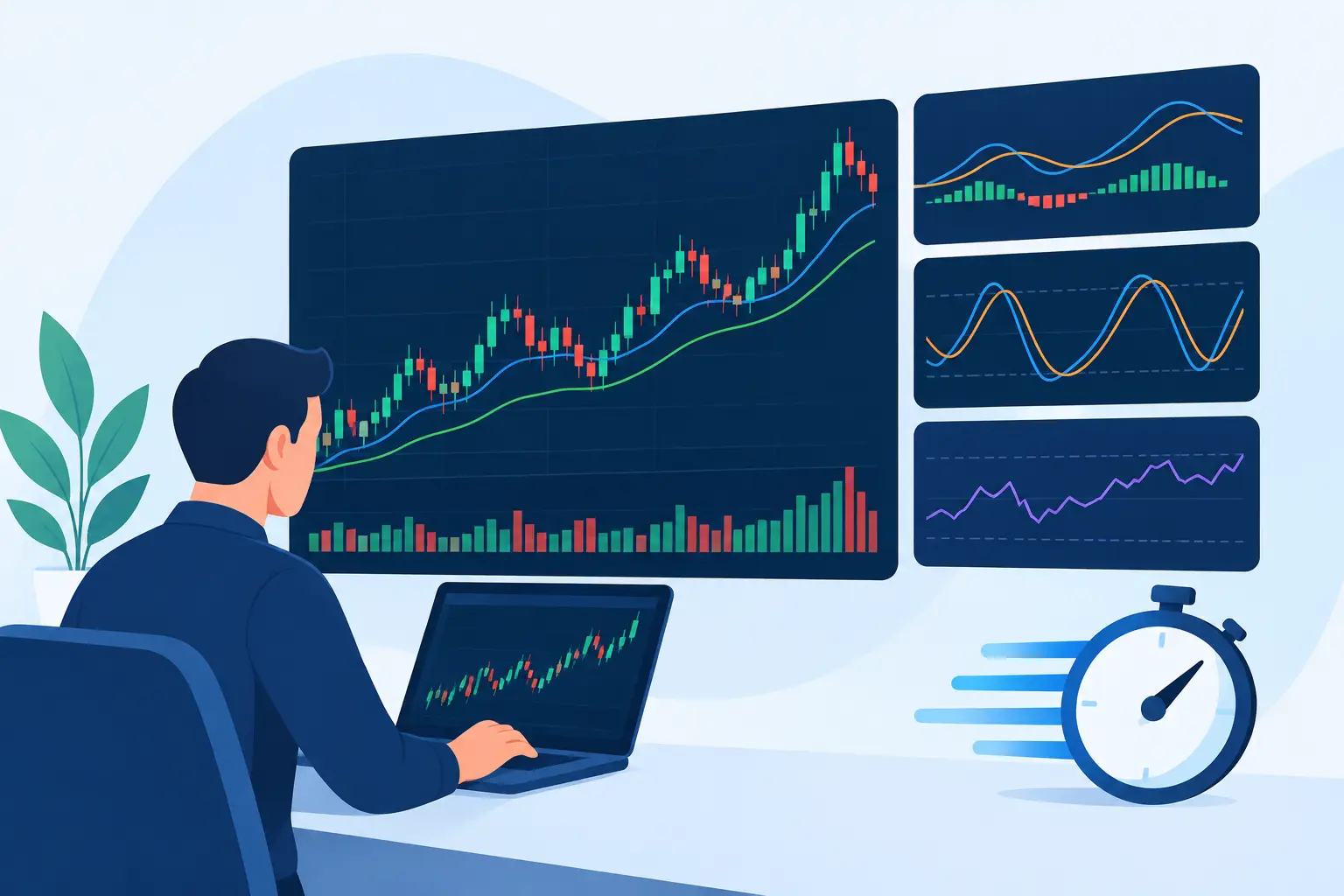
A beginner-friendly interface is valuable, but a platform should not become restrictive once your confidence grows. Look for access to established trading environments with charting, order management, multiple timeframes, technical indicators, and mobile trading capability.
MT4 and MT5 remain popular choices for traders who value familiar workflows, automated strategy support, and broad charting functionality. cTrader appeals to traders who want a clean interface, detailed order controls, and an active trading experience across desktop and mobile. Platform availability is not a cosmetic feature – it shapes how efficiently you can analyze, enter, manage, and review trades.
Check market breadth before funding
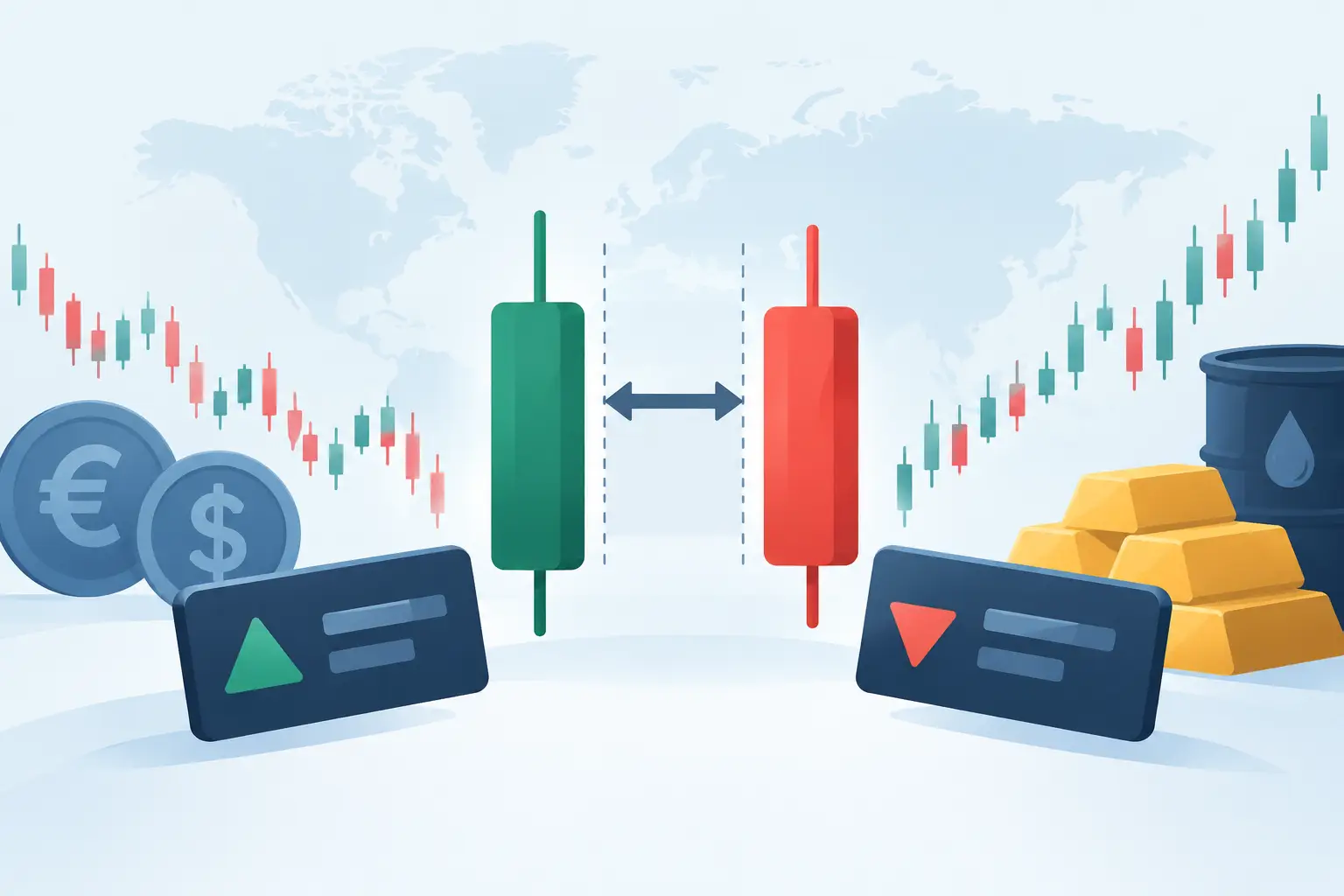
A low deposit offers more value when it gives access to markets you genuinely want to trade. Forex pairs may suit traders focused on macroeconomic releases and liquid sessions. Indices can provide exposure to broader equity-market moves, while commodities and crypto CFDs may offer different volatility profiles. Stock CFDs can add company-specific opportunities where available.
More instruments do not automatically produce better trading decisions. However, market breadth can help you avoid forcing trades in one asset class simply because nothing is moving. The goal is choice with discipline, not constant activity.
Review deposits and withdrawals as one process
Fast account funding is helpful, but it is only half the operational picture. Before you deposit, understand supported payment methods, processing times, potential third-party charges, verification requirements, and withdrawal procedures.
The best setup for a small account is usually one that makes it easy to fund responsibly and access your available funds under clearly stated rules. If payment options are limited in your location, or currency conversion is costly, a low minimum deposit may not deliver the convenience it promises. Availability and conditions can vary by jurisdiction, so always confirm what applies to your account.
Match the Account Type to Your Trading Plan
Many brokers offer more than one account type, and the lowest deposit account is not always the best fit. Some accounts focus on straightforward access and simplified pricing. Others are designed for traders seeking tighter spreads, commission-based pricing, or specific platform features.
If you are learning, a simpler account structure can make it easier to understand your trading costs. If you already trade a tested short-term strategy, you may prefer conditions designed around active execution. Neither approach is universally better. The useful choice is the one that lets you calculate costs clearly and manage positions with confidence.
A demo account can also help before you make a first deposit. It allows you to become familiar with charts, order types, and platform navigation without placing capital at risk. Still, demo trading cannot fully reproduce live conditions such as slippage, execution pressure, and the emotional impact of real gains and losses.
Small Deposits Need Stronger Risk Rules
The smallest accounts often face the biggest temptation: trying to grow quickly through excessive leverage. That approach can erase an account in a few trades, even when the original market idea was reasonable.
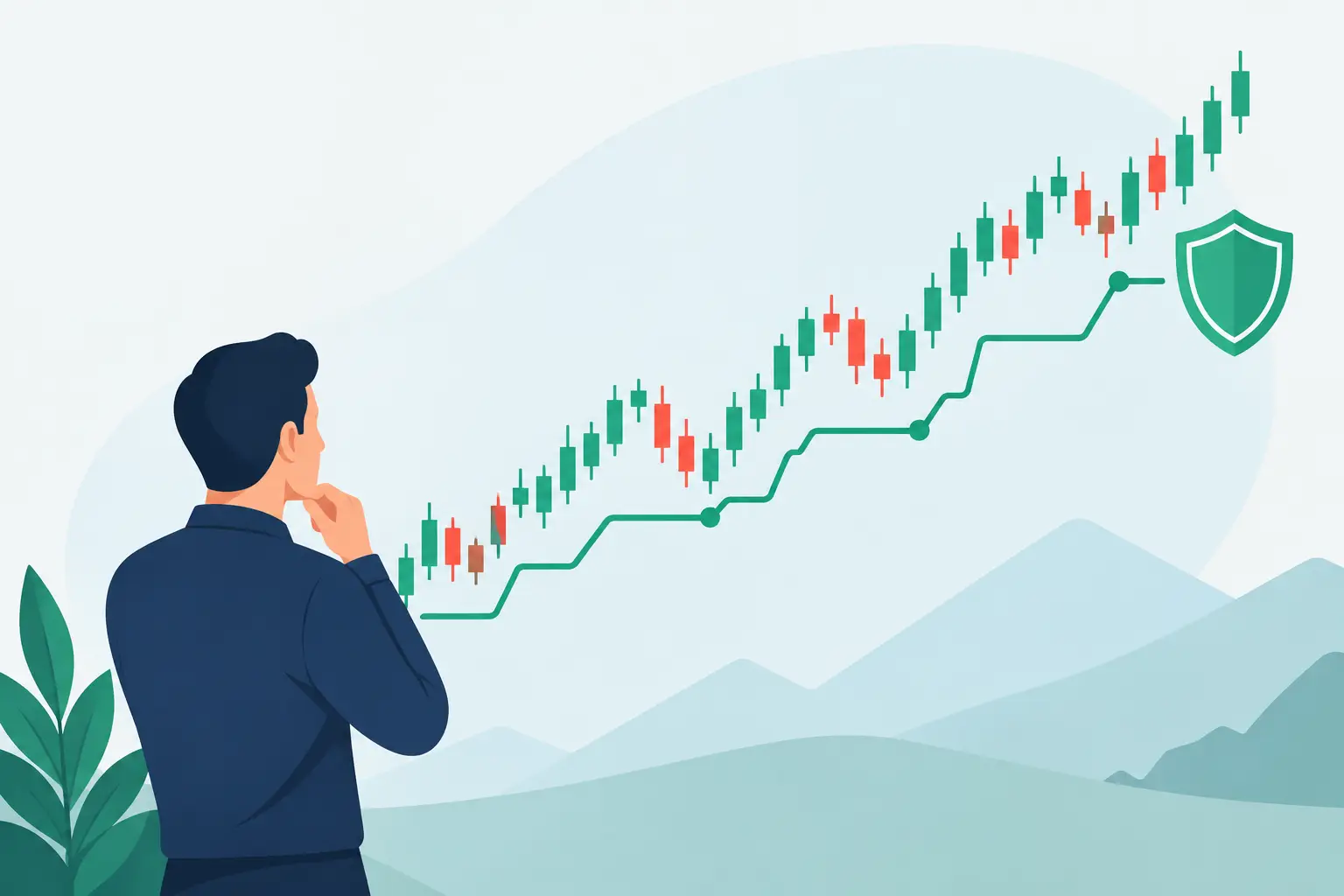
Set a maximum amount you are prepared to lose on a single trade before placing it. Use stop-loss orders where appropriate, calculate position size rather than guessing, and remember that volatile markets can move quickly around economic announcements, market openings, and unexpected news. A stop-loss order is not a guarantee of a precise exit price in every market condition, but it remains an important risk-management tool.
Avoid treating the minimum deposit as your target trading balance. Think of it as a controlled starting point for assessing the platform, your strategy, and your ability to follow a plan. Add capital only after you understand the risks and can do so with money you can afford to lose.
Consider More Than Self-Directed Trading
Some traders want to place every order themselves. Others prefer to explore social trading, copy trading, or managed-allocation models such as PAMM accounts. These options can provide a different route to market participation, but they do not remove risk. A manager’s or strategy provider’s past performance does not guarantee future results.
If you explore copy-based solutions, review the strategy’s drawdown, risk profile, trading history, fees, and allocation settings. You should also understand whether you can pause or adjust your allocation. The strongest platforms give traders choices while keeping account controls visible and accessible.
Monaxa reflects this wider approach by combining access to familiar trading platforms with self-directed, copy trading, and account-management options for traders who want more than one way to engage with the markets.
Questions to Answer Before You Open an Account
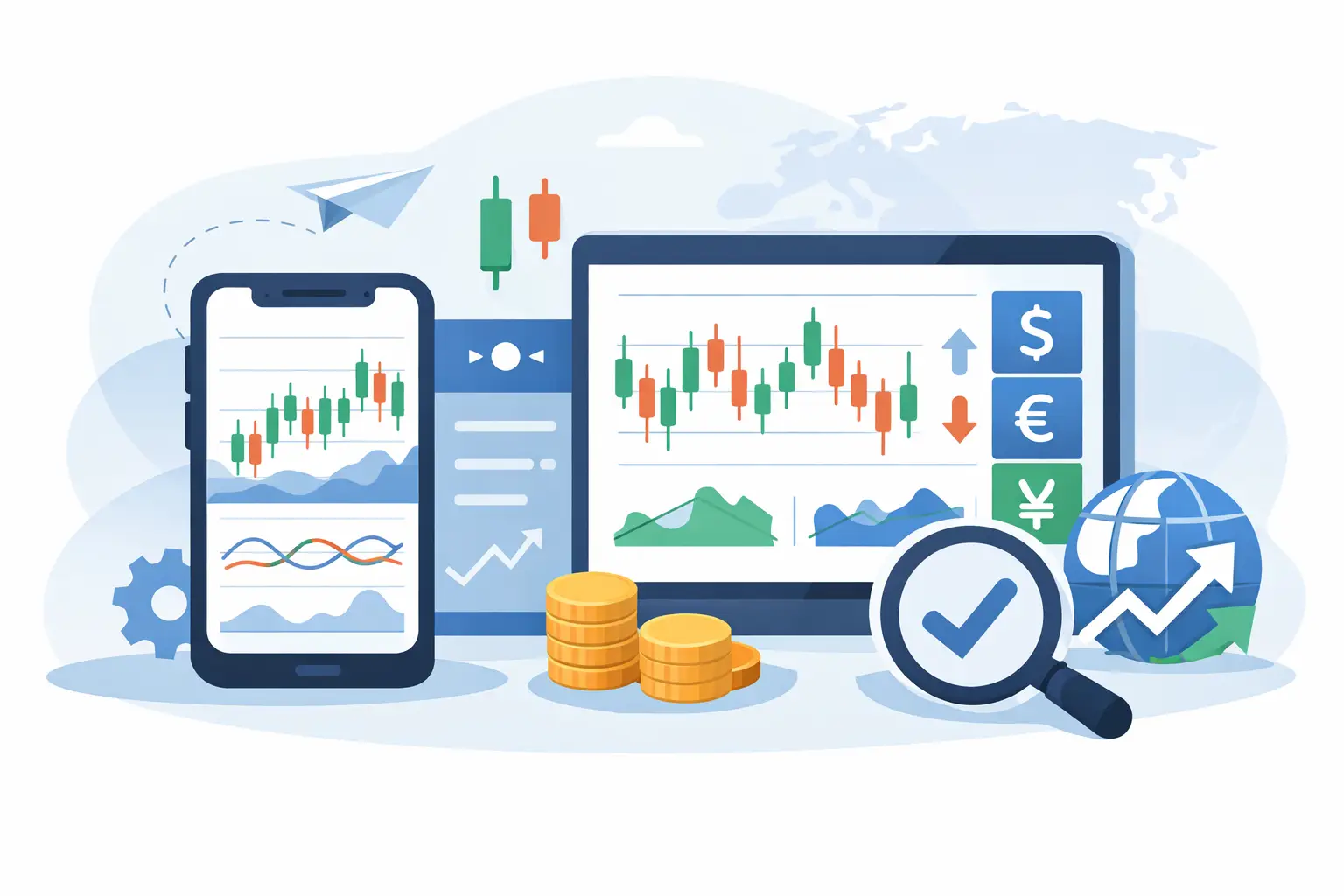
Before choosing a provider, confirm whether the platform offers the instruments you intend to trade, whether its account types fit your expected trade frequency, and whether its funding methods work in your region. Read the trading conditions carefully, including spreads, commissions, leverage, margin requirements, and inactivity or withdrawal charges.
It is also worth testing the platform experience. Can you find order controls quickly? Are charts usable on the device you trade from most often? Is customer support available when your market is active? For a small account, operational clarity can be as valuable as another dollar saved on the deposit requirement.
A low minimum deposit should make market access more practical, not make trading feel casual. Choose a platform that lets you start at a comfortable level, trade with tools that fit your plan, and keep risk at the center of every decision.