 English
 Portuguese
 Bahasa
Melayu
Bahasa
Melayu ไทย
ไทย 中文
中文 Tiếng Việt
 Español
 हिन्दी
 日本語
日本語 العربية
A losing streak changes the way a chart looks. Setups that would normally feel routine suddenly seem urgent, and the temptation to increase size can become hard to ignore. Effective forex drawdown recovery is not about finding one oversized winner. It is about protecting trading capital, restoring decision quality, and returning to a process you can repeat.
For traders using leveraged forex and CFD products, this distinction matters. Leverage can amplify gains, but it also amplifies losses. The faster you try to erase a drawdown, the more likely you are to take the type of risk that deepens it.
Why Forex Drawdown Recovery Gets Harder as Losses Grow
A drawdown is the decline in your account equity from its highest point to a lower point. If an account falls from $10,000 to $9,000, the drawdown is 10%. Recovering that 10% requires an 11.1% gain on the remaining balance. If the account falls 25%, it takes a 33.3% gain to get back to breakeven.
That math is why capital preservation deserves as much attention as entry timing. A manageable drawdown can be recovered through consistent execution. A severe drawdown demands a much higher return at precisely the time traders are most likely to be emotional, undercapitalized, or both.
The problem is rarely a single losing trade. Most damaging drawdowns come from a sequence: risk is increased after a loss, stops are widened, correlated positions are added, or a trader keeps entering while the market no longer suits their strategy. The recovery plan must address the behavior behind the loss, not only the account balance.
Stop the Damage Before Trying to Recover It
The first move is often the least exciting: reduce exposure. If your current approach is producing losses that exceed your planned risk, pause new trades or move to the smallest practical position size. This is not quitting. It is creating the space to make decisions without the pressure of immediate recovery.
Review all open positions first. Ask whether each trade still has a valid technical or fundamental reason to remain open. Do not keep a position simply because closing it makes the loss official. At the same time, avoid closing a well-managed trade just to relieve discomfort. The question is whether the original thesis, stop level, and risk allocation remain valid.
Then establish a firm loss limit for the day and week. A daily limit can prevent a poor session from becoming a major setback. A weekly limit gives you a second layer of protection when market conditions are persistently unfavorable. The exact percentage depends on your strategy, account size, and trading frequency, but the limit should be set before the next order is placed.
Separate a Strategy Drawdown From a Discipline Problem
Not every drawdown means a strategy has failed. Even a sound method can experience consecutive losses. The key is identifying whether losses occurred within your tested rules or because the rules were ignored.
A strategy drawdown may show that market volatility changed, a favored currency pair became range-bound, or a breakout system encountered repeated false breaks. A discipline problem looks different: entries taken outside the plan, stop losses moved farther away, trades opened during unsuitable news conditions, or risk increased to recover faster.
This distinction determines the response. A strategy issue may require adapting filters, reducing frequency, or waiting for more suitable conditions. A discipline issue requires tighter operating rules and a break from live execution if necessary. Treating both problems the same can lead to unnecessary changes to a strategy that was never properly followed.
Rebuild Risk Around the Account You Have Now
After a drawdown, calculate position size from current equity, not from the balance you wish you still had. This sounds obvious, yet many traders continue to trade as if their account has not changed. That can turn a normal losing period into an account-threatening one.
Use a predefined amount of risk per trade and keep it consistent while rebuilding. Smaller risk gives you room to collect useful data across multiple trades. It also reduces the emotional impact of each outcome, making it easier to follow stops and avoid revenge trading.
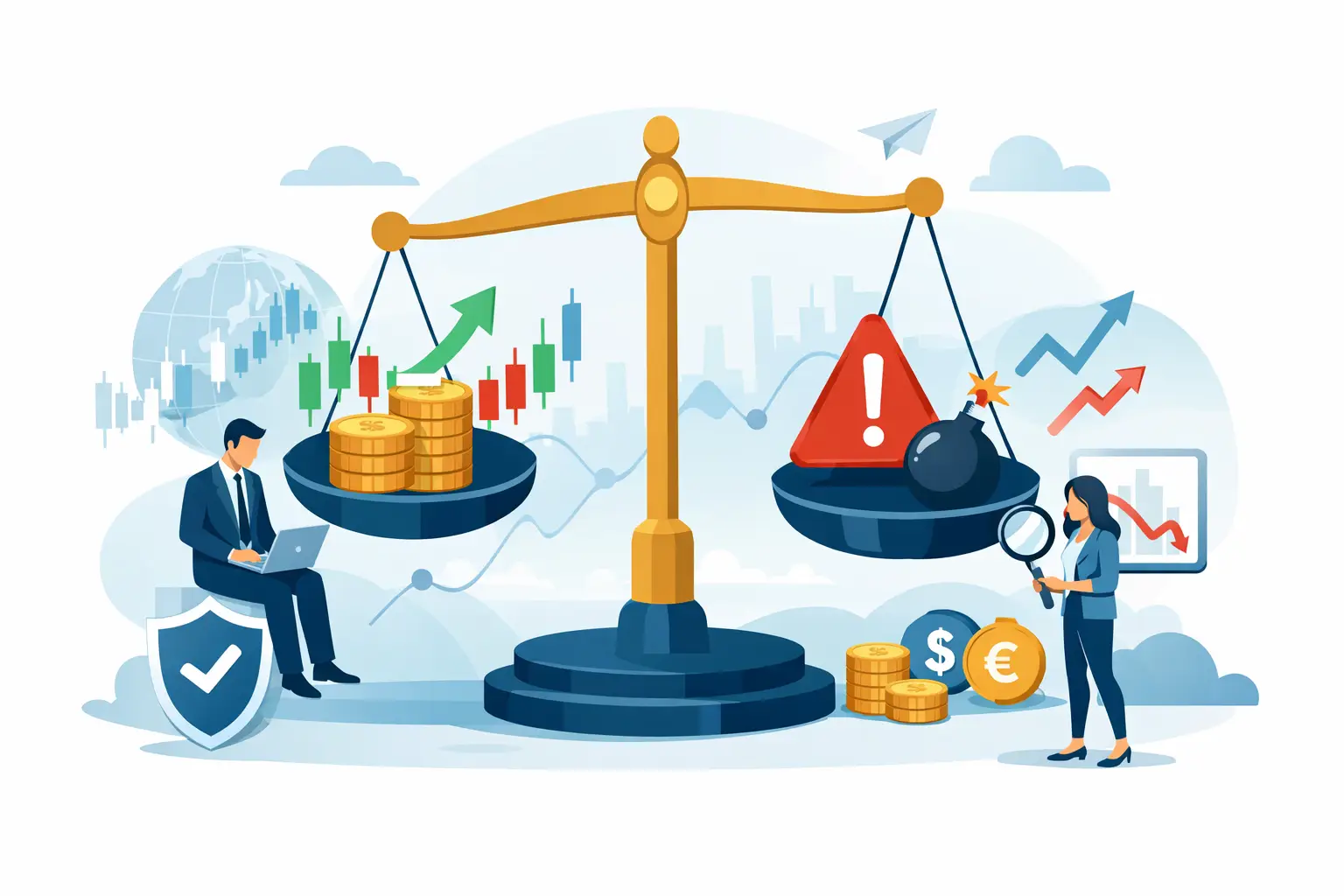
Pay attention to total exposure as well as individual trade risk. Long positions in EUR/USD and GBP/USD may appear to be two separate ideas, but both can be heavily influenced by broad US dollar movement. The same applies to commodity-linked currencies, stock index CFDs that respond to the same risk sentiment, and crypto CFDs that move together during sharp market stress.
A recovery phase is a poor time to stack similar positions. Choose your best opportunity, define the invalidation point, and know the maximum amount at risk before entering. If the trade does not work, the loss should be small enough that you can assess it clearly rather than feel forced to win it back.
Trade Smaller, but Trade With a Clearer Standard
Reducing size is only useful if trade selection improves too. During recovery, focus on the setups you can describe in one or two sentences: the market condition, the trigger, the stop location, and the target or exit rule. If a trade needs several vague reasons to justify it, it may not deserve capital.
Many traders benefit from narrowing their watchlist temporarily. Instead of scanning every available market, follow a limited group of major forex pairs or instruments you understand well. This can make price behavior easier to track and reduce impulsive entries caused by constant market noise.
It may also help to trade fewer sessions. If your strategy has historically performed best during the London or New York overlap, do not force trades during quieter hours simply because you want more opportunities. Recovery comes from better-quality execution, not more clicks.
Keep a Recovery Journal That Produces Answers
A trade journal should do more than record profit and loss. For every trade during a drawdown recovery period, document the setup type, market session, planned risk, actual risk, entry reason, exit reason, and whether the trade followed your rules.
Add one short note about your decision-making state. Were you patient? Were you trying to make back a prior loss? Did you enter because price moved quickly and you feared missing out? These notes can expose patterns that a chart alone will not reveal.
After 10 to 20 trades, review the results by setup rather than as one total number. You may find that your losses are concentrated in one pattern, one session, or one instrument. That is actionable information. Randomly changing every part of your method is not.
Set Milestones That Reward Process, Not Hero Trades
A realistic forex drawdown recovery plan uses milestones that are based on behavior. For example, your first objective may be to complete 10 trades with no rule violations. The next may be to maintain a defined risk level for an entire week. Only after consistent execution returns should you consider gradually increasing size.
Avoid setting a deadline to recover a specific dollar amount. Markets do not provide returns on command, and a time-based target can pressure you into taking marginal setups. A trader who aims to execute well has a controllable goal. A trader who demands to recover 15% by month-end is often inviting unnecessary risk.
When performance improves, scale carefully. Increase exposure in small increments only after a meaningful sample of disciplined trades, not after one strong day. If larger size causes your decision-making to deteriorate, the increase was premature. There is no prize for recovering quickly if the same behavior creates the next drawdown.
Use Your Trading Environment to Support Better Decisions
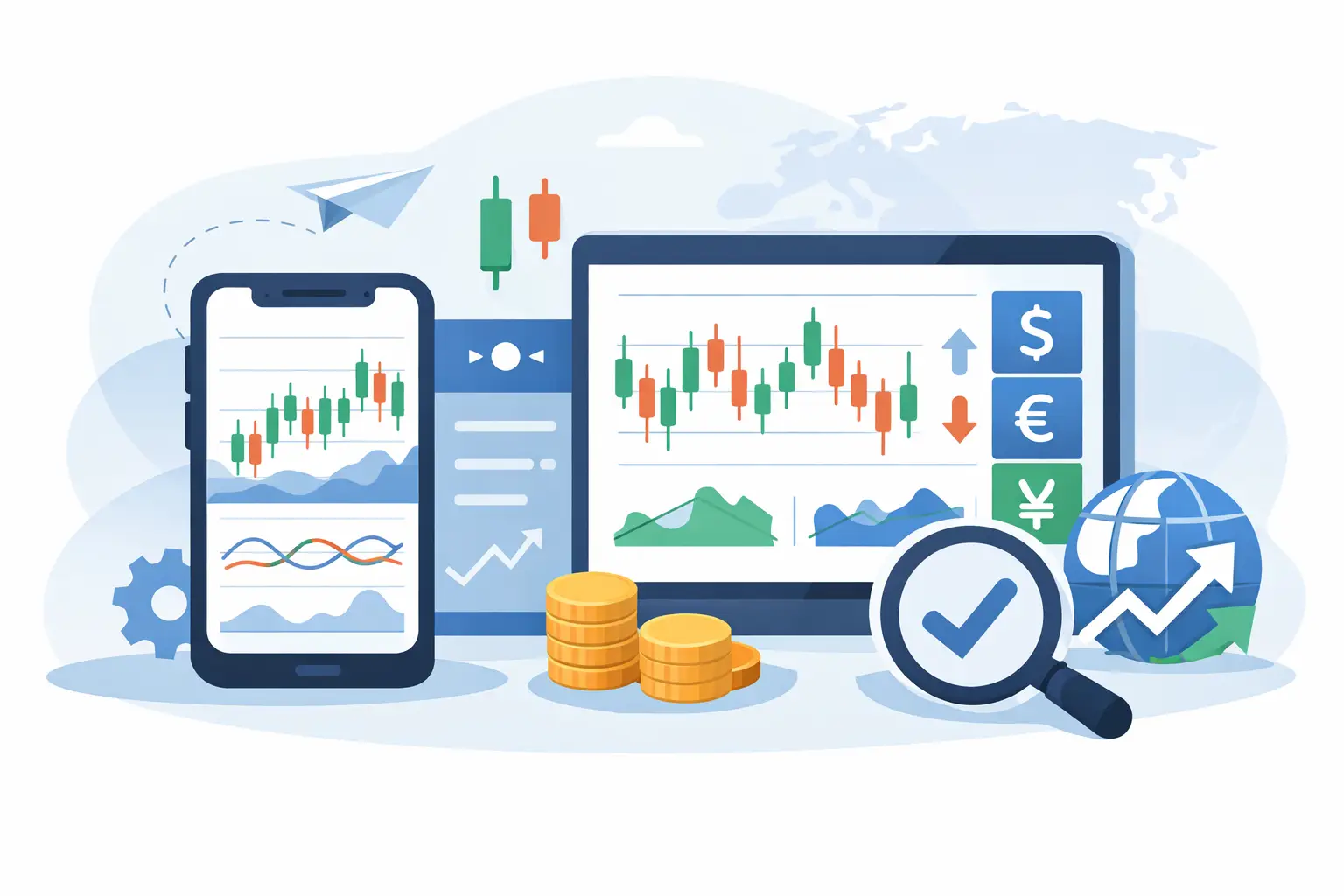
Your platform setup can either reinforce discipline or undermine it. Before trading, confirm that stop-loss and take-profit levels are entered correctly, margin requirements are understood, and you can see your current exposure across instruments. Use alerts and watchlists to prepare for planned levels rather than staring at every tick.
For traders who want exposure without making every market decision alone, copy trading or professionally managed account structures can offer another way to participate. These options still involve risk, and past performance does not guarantee future results, but they can suit traders who prefer a more structured approach than frequent self-directed execution.
Monaxa gives traders access to forex and CFD markets through familiar MT4 and MT5 platforms, alongside multiple ways to participate in the markets. Whichever route you choose, keep risk controls at the center of the plan rather than treating them as a feature to use only after losses appear.
The next trade does not need to repair your account. It only needs to meet your rules. Give disciplined execution enough time, keep leverage in proportion to your capital, and let recovery be built one controlled decision at a time.