 English
 Portuguese
 Bahasa
Melayu
Bahasa
Melayu ไทย
ไทย 中文
中文 Tiếng Việt
 Español
 हिन्दी
 日本語
日本語 العربية
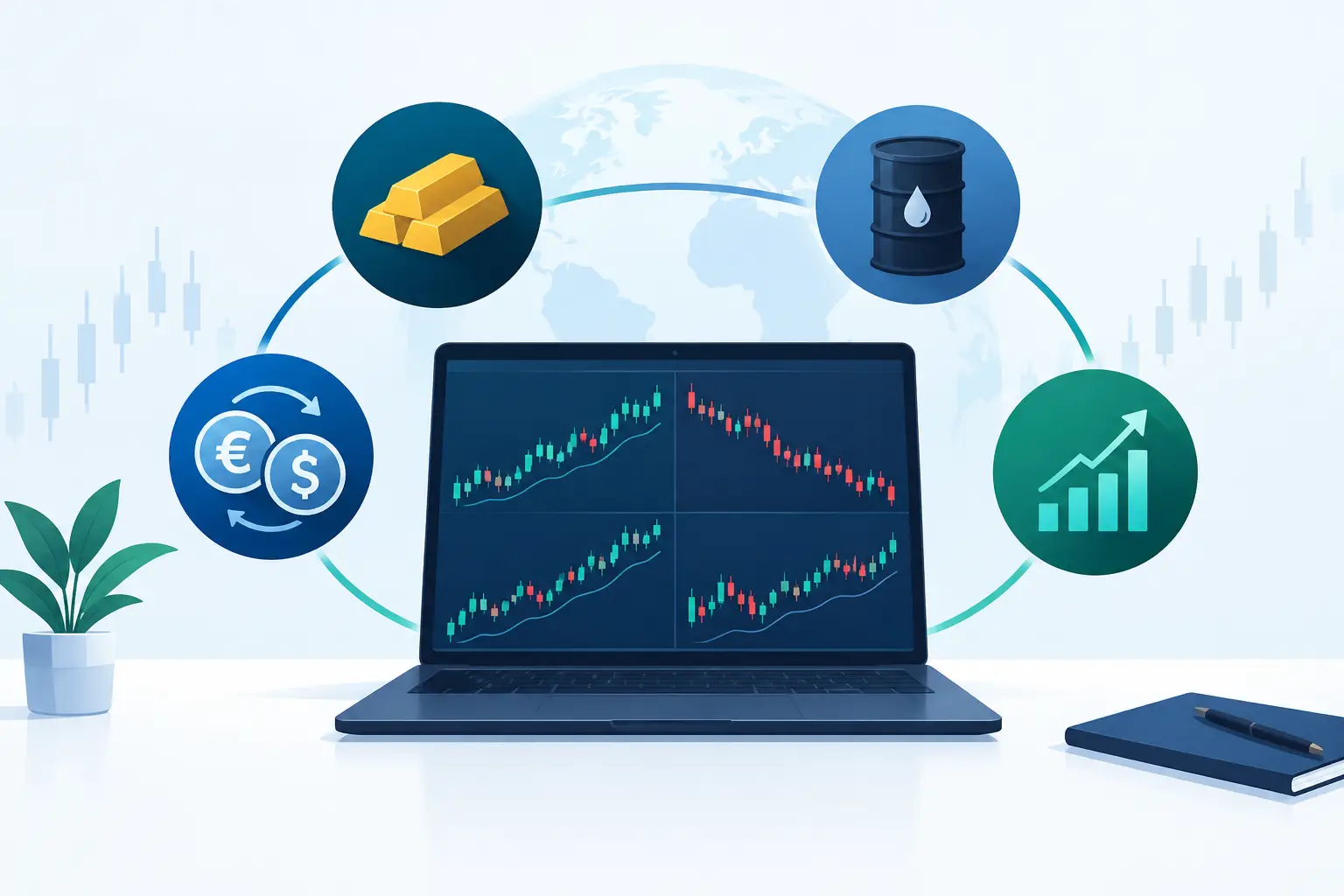
A price on your trading platform is only useful if someone is prepared to buy or sell at that price. That is the practical answer to what is a liquidity provider: a financial institution or market participant that supplies tradable bid and ask prices, helping markets stay active when traders want to enter or exit positions.
For forex and CFD traders, liquidity affects far more than a quote on a screen. It can influence spreads, the speed and quality of execution, slippage during volatile conditions, and whether your order can be filled at or close to the price you expected. While traders often focus on strategy and market direction, liquidity is part of the trading infrastructure working behind every order.
What Is a Liquidity Provider?
A liquidity provider, often called an LP, is an institution that stands ready to buy and sell financial instruments. In the forex market, LPs may include global banks, non-bank market makers, electronic trading firms, hedge funds, and other institutional participants with the capital and technology to quote two-way prices at scale.
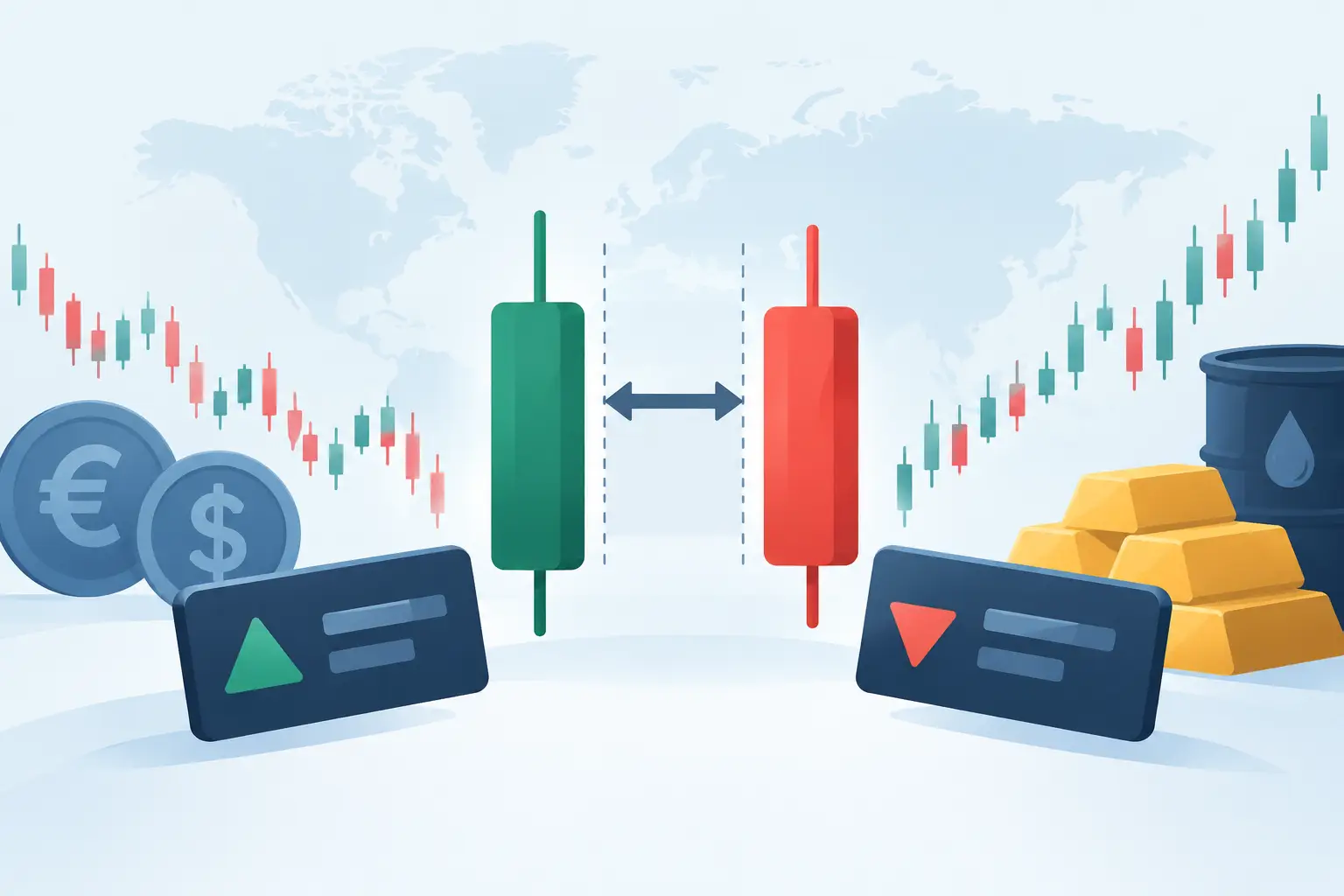
A two-way quote contains a bid and an ask. The bid is the price at which the market is willing to buy, while the ask is the price at which it is willing to sell. The difference between them is the spread. By continuously quoting both sides, liquidity providers create a market where participants can transact without having to wait for a specific buyer or seller to appear.
In exchange-traded markets, liquidity can come from designated market makers and other participants placing orders in a central order book. Spot forex operates differently. It is primarily an over-the-counter market, meaning prices are formed across a network of banks, institutions, and trading venues rather than on one central exchange. CFD brokers typically source reference pricing and liquidity through this institutional ecosystem, then provide eligible clients with access through their trading platforms.
Why Liquidity Matters to Retail Traders
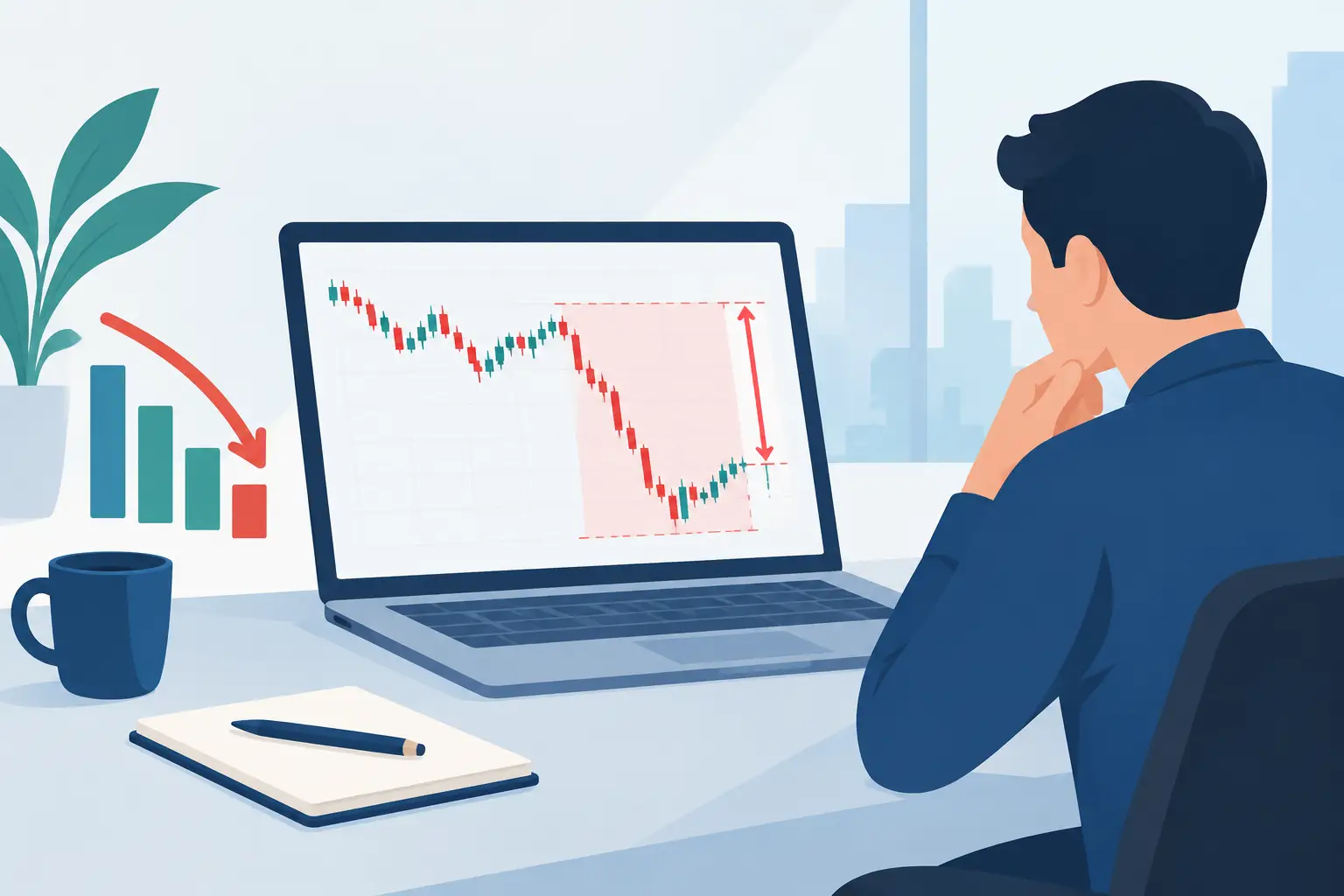
Liquidity is most visible when it is missing. During normal conditions, highly traded pairs such as EUR/USD often display tight spreads and receive fast fills. When participation drops or markets react sharply to unexpected news, spreads can widen and the next available execution price may differ from the quote a trader saw moments earlier.
For an active trader, this matters because trading costs are not limited to commissions. The effective cost of a trade can include the spread, any commission, swap or financing charges where applicable, and slippage. Better market liquidity can support more competitive pricing, but it does not eliminate risk or guarantee a fill at a requested price.
Liquidity is particularly relevant for:
- Scalpers and high-frequency discretionary traders, who may place many short-duration orders and are highly sensitive to spread and execution changes.
- News traders, who operate when volatility can quickly reduce available liquidity and increase slippage.
- Traders using larger position sizes, where a single price level may not contain enough volume to fill the whole order.
- Traders in less-active instruments, including certain exotic currency pairs, niche stock CFDs, or thinly traded crypto markets.
The key point is simple: a liquid market generally gives traders more flexibility to enter and exit. A thinner market may still offer opportunity, but it demands greater care around position sizing, stop-loss placement, and the possibility of price gaps.
How Liquidity Providers Shape Spreads and Prices
Liquidity providers compete to quote prices. A broker or liquidity aggregator can receive pricing streams from multiple LPs and select the best available bid and ask at a given moment. This process is commonly called price aggregation.
Suppose one provider is bidding EUR/USD at 1.08498 while another is offering at 1.08500. Combining those quotes can create a two-pipette spread for the available volume. Prices change continuously as providers update their quotes in response to market activity, risk exposure, order flow, and conditions in related markets.
More competing liquidity sources can improve the depth and consistency of pricing. However, there is no permanent “best” liquidity provider for every product and market condition. One LP may be particularly competitive in major forex pairs, while another may offer stronger depth in metals, indices, or cryptocurrency CFDs. The quality of liquidity also depends on volume available at each quoted level, not just the tightness of the top displayed spread.
That distinction matters during fast markets. A very tight quote with limited available size may disappear before a larger order is fully executed. The remaining portion can be filled at subsequent price levels. This is one reason why execution results can vary, even when the market appears highly liquid on a chart.
Liquidity Provider vs. Broker: What Is the Difference?
A liquidity provider supplies institutional market pricing and the capacity to transact. A broker provides the client-facing environment that enables traders to access markets, open accounts, fund them, use trading platforms, and place orders.
The roles can overlap depending on the business model. Some firms act as market makers and may internally manage some client order flow. Others route orders to external liquidity providers, often through a bridge or aggregator. Many execution models use a combination of internalization and external hedging based on instrument, order size, market conditions, and risk management policies.
Neither model is automatically better in every situation. What matters to a trader is the overall trading environment: pricing, disclosed costs, execution approach, platform stability, available instruments, order types, and the broker’s policies for handling orders. A clear understanding of these conditions is more useful than relying on labels alone.
What Happens After You Place an Order?
When you submit a market order, your platform sends it to the broker’s execution infrastructure. From there, the order may be matched internally, routed to an external liquidity source, or handled through a combination of both. The exact route depends on the broker’s model and prevailing conditions.
For an external route, an aggregator compares prices and available volume from connected LPs. The system can then select the best available price based on its execution logic. If the requested size exceeds the volume at that price, the order may be split across several liquidity sources or price levels.
Limit orders work differently. A buy limit order is designed to execute at the specified price or better, while a sell limit seeks the stated price or better. A stop order can become a market order once triggered, which means execution may occur at the next available price. In rapidly moving markets, that price can be materially different from the trigger level.
This is not necessarily a platform failure. It reflects the difference between a price trigger and the available liquidity at the time an order reaches the market.
Liquidity, Leverage, and Risk Management
เลเวอเรจ allows traders to control a larger market exposure with a smaller deposit. It can increase capital efficiency, but it also amplifies both gains and losses. Liquidity does not reduce the market risk created by leverage.
In fact, volatile and low-liquidity periods can make leveraged positions more vulnerable. Wider spreads can affect entry and exit costs. Slippage can change realized results. Gaps can cause stop orders to execute away from their intended level. Margin requirements and account protections depend on the broker, instrument, and jurisdiction, so traders should understand the conditions before opening a position.
For this reason, liquidity should inform risk management. Avoid assuming that a stop-loss guarantees an exact exit price. Consider reducing position size around major economic releases, market opens, weekend risk, and periods when a specific instrument historically trades with lower participation. A trade can be directionally correct and still produce an unfavorable result if execution conditions deteriorate at the wrong moment.
How to Assess Liquidity in Your Trading Conditions
Retail traders rarely choose an LP directly, but they can assess the outcome of a broker’s liquidity setup. Start by monitoring spreads on the instruments and sessions you actually trade. A low advertised spread is less meaningful if it is only available briefly or on a product you do not use.
Next, review execution during normal and volatile markets. Pay attention to whether orders are filled promptly, how often slippage occurs, and whether positive as well as negative slippage is possible under the broker’s policy. Test with small positions before committing significant capital, especially if your strategy depends on quick entries or exits.
Platform choice also matters. Traders using MT4, MT5, or cTrader should compare the order tools, depth-of-market displays where available, charting workflow, and account conditions that fit their approach. At Monaxa, access to multiple platforms and a broad range of markets can help traders build a setup around how they trade rather than forcing every strategy into one environment.
The Practical Takeaway for Traders
Liquidity providers are the institutional engine behind tradable prices. They help create the bids, offers, and available volume that support forex and CFD execution, while brokers package that market access into a platform and account experience for retail clients.
Before your next trade, look beyond the headline spread. Check the instrument’s typical activity, the timing of your order, the size of your position, and how your strategy handles slippage. Those details can make a meaningful difference when the market moves faster than the price on your screen.