 English
 Portuguese
 Bahasa
Melayu
Bahasa
Melayu ไทย
ไทย 中文
中文 Tiếng Việt
 Español
 हिन्दी
 日本語
日本語 العربية
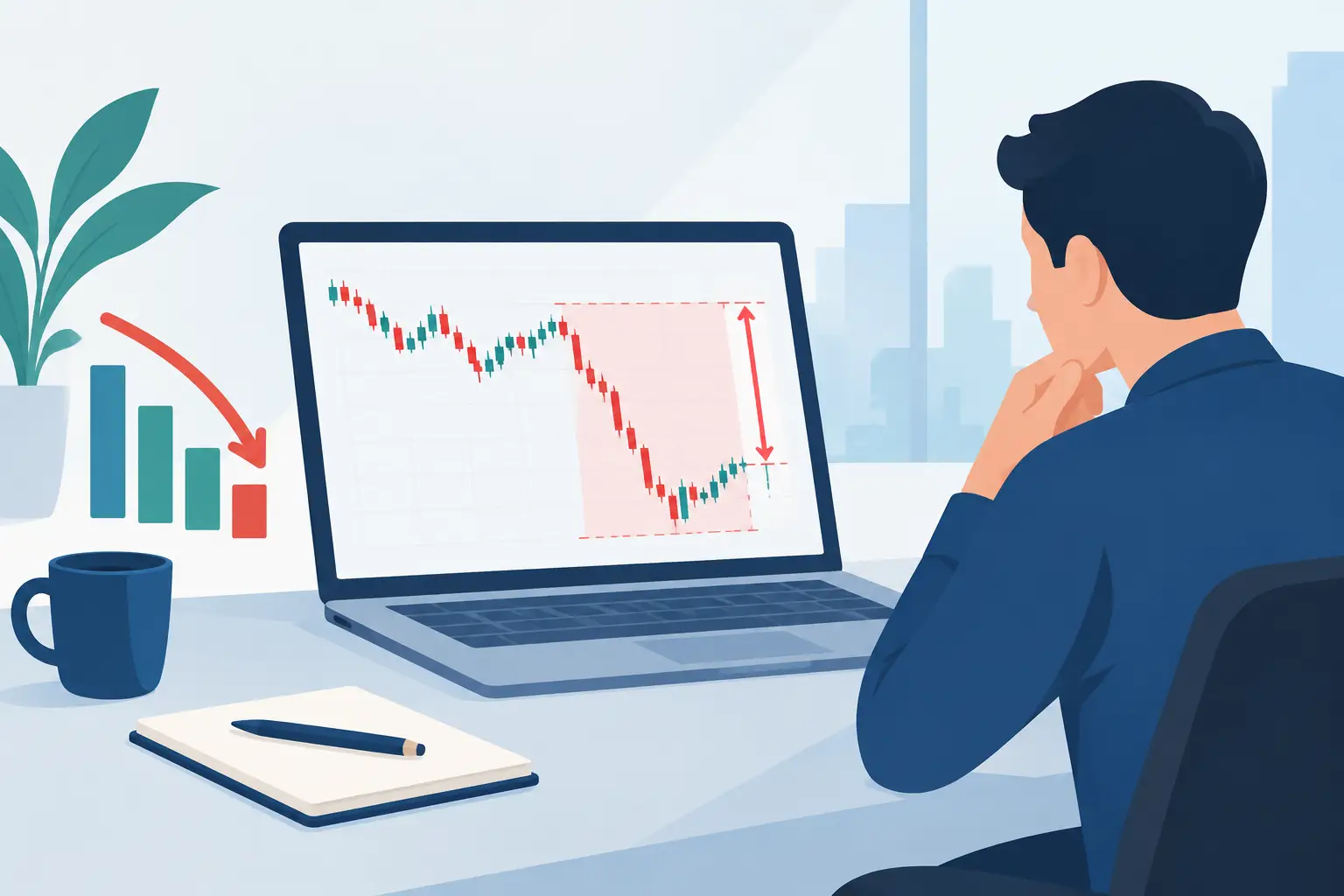
A quiet major pair can feel slow. Then you open a chart like USD/TRY or USD/ZAR and the difference is obvious within seconds. Price can move harder, spreads can look wider, and the trading environment can shift fast. That is exactly why many traders ask, what are the exotic currency pairs, and whether they are worth adding to a watchlist.
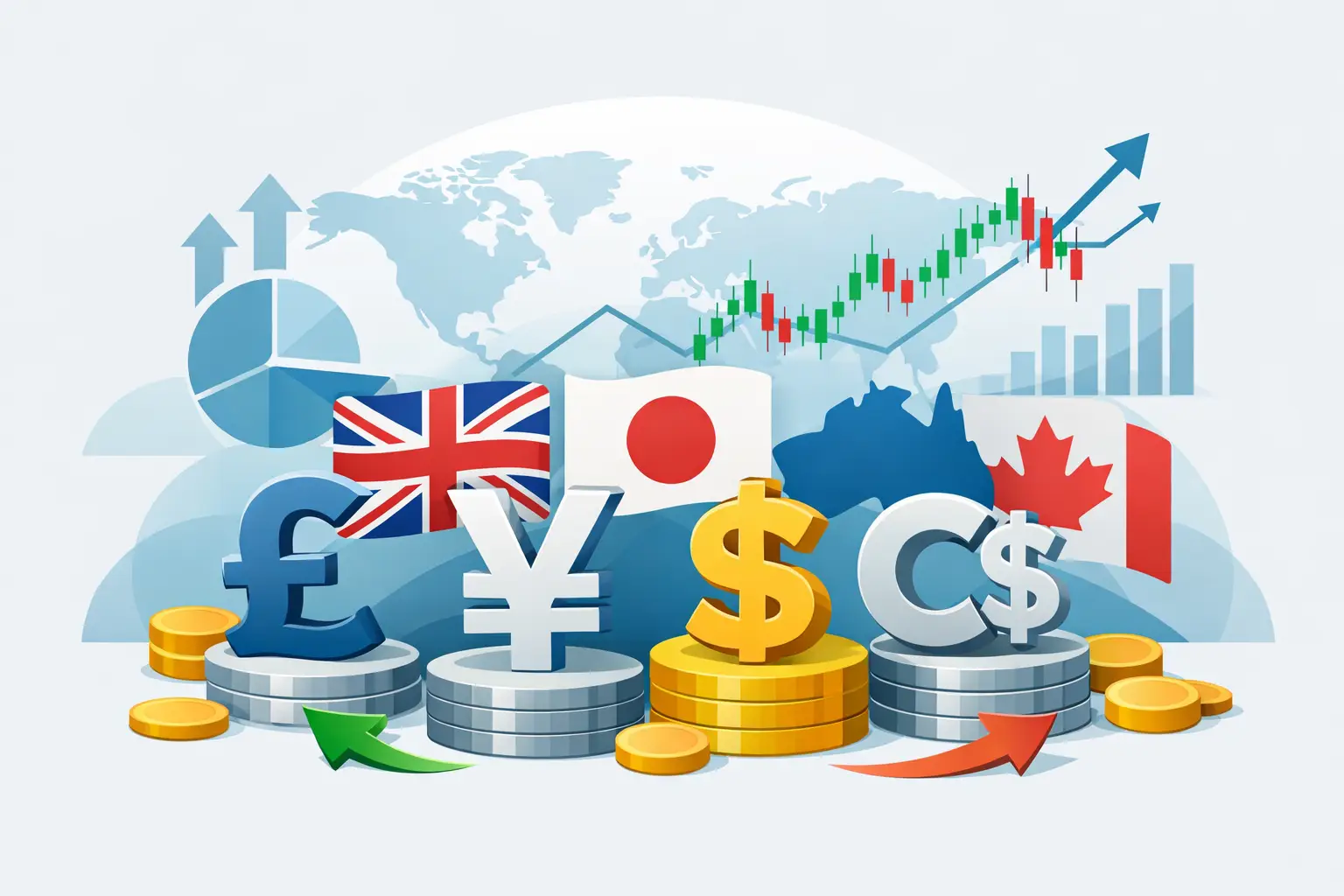
Exotic currency pairs are forex pairs that combine one major currency with the currency of a smaller or emerging economy. In most cases, the major side is the US dollar, although other major currencies can appear too. The key difference is not that these pairs are rare in an absolute sense. It is that they usually trade with lower liquidity, wider spreads, and more sensitivity to local economic and political events than major or minor pairs.
What are the exotic currency pairs in forex?
In practical terms, an exotic pair usually includes a currency like the Turkish lira, South African rand, Mexican peso, Singapore dollar, Thai baht, Polish zloty, or Hungarian forint paired against a major currency such as USD, EUR, GBP, or JPY. Common examples include USD/TRY, USD/ZAR, USD/MXN, EUR/TRY, and USD/SGD.
That makes exotic pairs different from majors like EUR/USD or USD/JPY, where liquidity is deep and market participation is constant. They are also different from minors like EUR/GBP or AUD/NZD, where no US dollar is involved but both currencies still come from heavily traded economies. Exotic pairs sit in another category because trading activity is usually thinner and pricing can become less efficient during periods of stress.
For traders, that changes the game. You are not just looking at direction. You also need to think about execution quality, volatility spikes, spread costs, and whether the local backdrop can trigger sudden repricing.
Why exotic pairs behave differently
The biggest reason is liquidity. Major pairs are traded by banks, institutions, funds, corporations, and retail traders around the clock. Exotic pairs generally have fewer active participants and less order flow. When there are fewer buyers and sellers at each price level, the market can move more sharply.
This is why exotic pairs often come with wider spreads. Brokers and liquidity providers need to account for the added risk of less stable pricing. A spread that feels normal on EUR/USD may look very different on USD/TRY. For short-term traders, that cost matters immediately. For swing traders, it may matter less, but it still affects trade planning.
Local macro factors also play a bigger role. Inflation shocks, interest rate decisions, capital controls, election headlines, and central bank intervention can hit exotic currencies hard. A trader in major pairs might focus mainly on Federal Reserve policy or broad risk sentiment. A trader in exotics often needs to watch those global drivers and local developments at the same time.
Examples of exotic currency pairs
Some exotic pairs are more widely followed than others. USD/MXN is popular because the Mexican peso has strong trading interest and reacts to both US and Mexico-related themes. USD/ZAR often attracts traders looking for volatility tied to commodity flows, risk appetite, and South African fundamentals. USD/TRY has become well known for large and sometimes fast price movements linked to inflation and policy uncertainty.
Other examples include USD/SGD, USD/THB, USD/HUF, USD/PLN, and EUR/TRY. Not all of these behave the same way. Singapore dollar pairs can be more controlled and less explosive than Turkish lira pairs. That is an important point. Exotic does not automatically mean chaotic. It means the pair sits outside the most liquid forex categories, and that creates a different trading profile.
The appeal of trading exotic pairs
The attraction is easy to understand. Exotic pairs can offer larger price swings, strong trend behavior, and reactions to local catalysts that are less crowded than the headlines driving majors. For traders who want broader market access, they add another layer of opportunity.
They can also provide diversification. If your watchlist is built only around EUR/USD, GBP/USD, and USD/JPY, you are heavily exposed to the same broad themes. Adding selected exotic pairs can introduce different drivers, from emerging market rates to commodity sensitivity to regional political risk.
There is also a practical appeal for traders who already understand volatility. If your strategy works best when markets move, a carefully chosen exotic pair may fit better than a major pair during flat sessions. Platforms with broad instrument coverage make it easier to monitor these markets alongside forex majors, indices, commodities, and other CFDs in one place.
The risks traders should not ignore
The upside gets attention, but the cost of being wrong can rise quickly in exotics. Wider spreads mean your trade starts further from break-even. Slippage can be more noticeable in fast conditions. Sudden gaps are also more likely around local news events, unexpected policy moves, or low-liquidity hours.
เลเวอเรจ adds another layer. A volatile pair with leverage can produce fast gains, but it can also accelerate losses. That is especially true if position sizing is based on habits from major pairs. A lot size that feels manageable on EUR/USD may be too aggressive on USD/ZAR.
There is also the issue of information flow. Major pairs are covered everywhere, every day. Exotic markets may require more effort to follow properly. Economic calendars help, but they are not the whole story. Traders may need to track local inflation trends, sovereign risk concerns, political developments, and central bank credibility.
What are the exotic currency pairs best suited for?
They are usually better suited to traders who already understand how spread, volatility, and timing affect performance. That does not mean beginners must avoid them forever. It means beginners should treat them with more caution than majors.
If you are new to forex, major pairs are often easier to learn on because pricing is tighter and market structure is more familiar. Once you understand position sizing, session behavior, and event risk, exotic pairs become easier to assess realistically. For more experienced traders, they can be a useful addition when the setup, volatility profile, and execution conditions align.
Style matters too. Scalpers may find some exotic pairs expensive to trade because spread costs can eat into small target distances. Swing traders may be more comfortable if they are targeting larger moves and can hold through noise. News traders may see opportunity, but only if they are prepared for sharper execution risk.
How to approach exotic pairs with more control
A good starting point is selectivity. You do not need to track every exotic pair. Pick one or two, learn how they move, and study the local drivers behind them. USD/MXN and USD/ZAR, for example, each have their own rhythm. Treating all exotics as one group is a mistake.
Next, adjust your risk model. Use smaller position sizes than you would on a major pair if volatility is materially higher. Give the trade enough room to breathe, but only within a predefined risk limit. Many traders get stopped out not because their idea was wrong, but because they sized the trade as if it were a low-volatility pair.
Timing matters more than many traders expect. Liquidity can vary sharply depending on the session and whether local markets are active. A setup that looks tradable during peak hours can become much more expensive in off-peak conditions.
It also helps to focus on clean catalysts. Exotic pairs are rarely the place for random entries. They tend to respond best when there is a clear macro theme, a technical structure with room to develop, or a defined shift in sentiment. If the setup is vague, the added friction may not be worth it.
Exotic pairs versus majors and minors
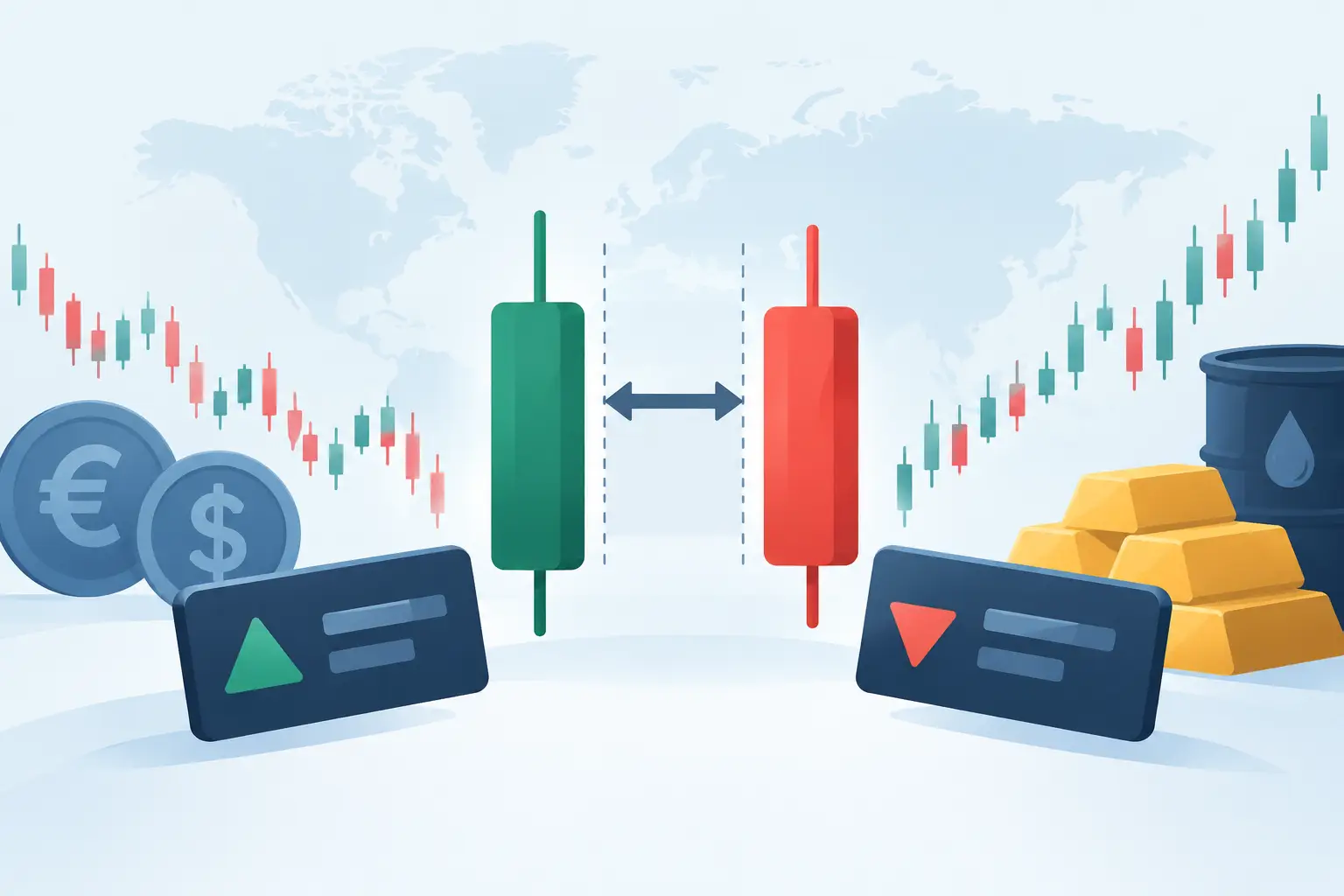
Majors usually offer the tightest spreads, the deepest liquidity, and the most stable execution. Minors sit in the middle, often with solid liquidity but slightly less depth. Exotic pairs offer a different trade-off. You may get stronger movement and less crowded narratives, but you usually pay more to enter and face greater uncertainty around execution.
That trade-off is not automatically good or bad. It depends on your strategy. If your edge depends on low transaction costs, majors may remain the better fit. If your edge depends on larger directional movement and you can manage wider spreads, exotic pairs may deserve a place on your radar.
For traders using a multi-asset setup, that broader choice is part of the advantage. A broker like Monaxa gives traders access to forex alongside other fast-moving markets, which can make it easier to stay flexible instead of forcing trades in one category.
Exotic pairs are not for every session or every strategy. But they are not just side markets either. When you understand what drives them and respect the added risk, they can offer real opportunity. The smart move is not to chase the volatility. It is to trade it only when the conditions, costs, and setup all make sense.