 English
 Portuguese
 Bahasa
Melayu
 ไทย
 中文
 Tiếng Việt
 Español
 हिन्दी
 日本語
 العربية
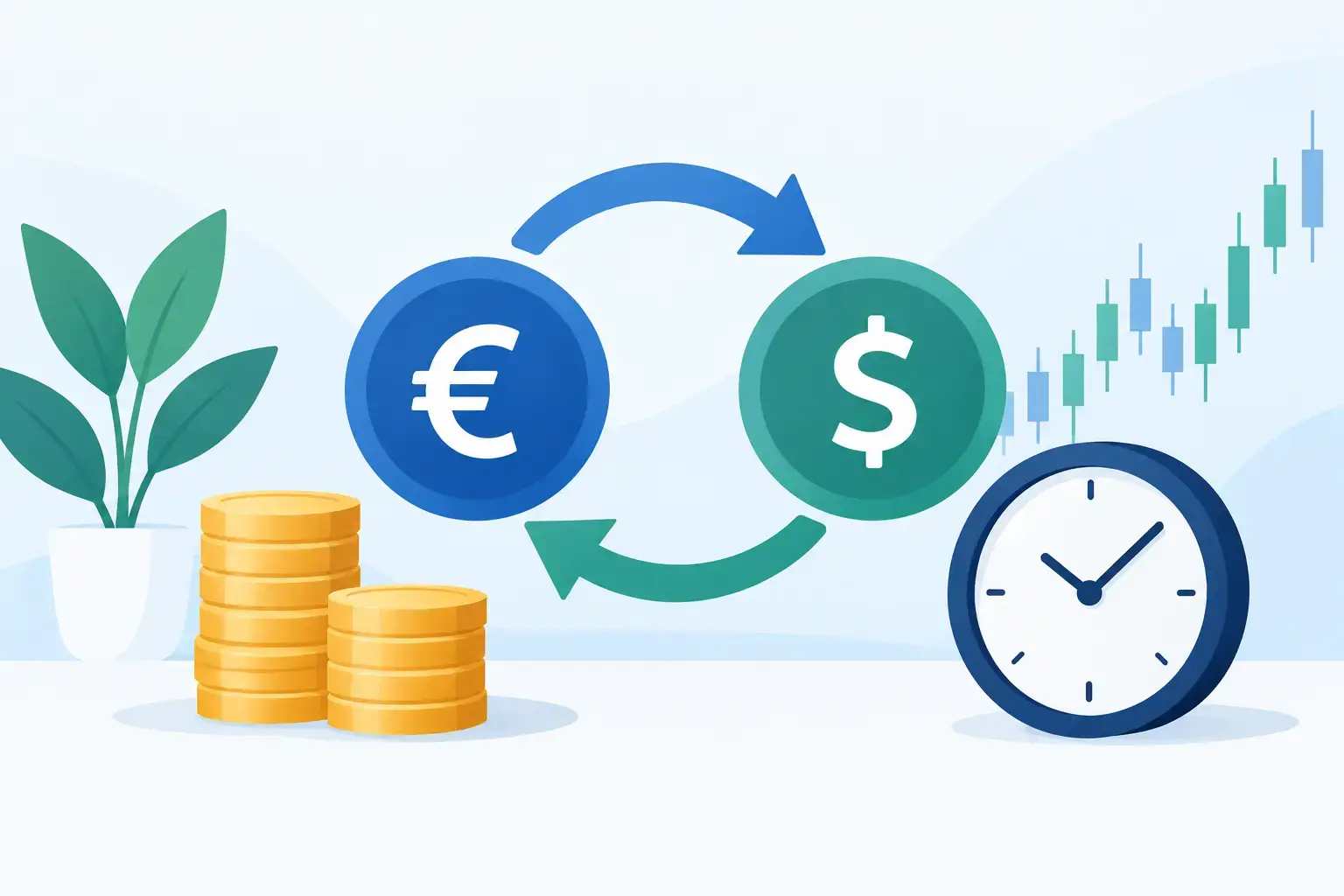
A position can look profitable on the chart and still change in value after the trading day closes. That is why traders often ask, when are swaps charged? Swaps are overnight financing adjustments applied when you keep certain forex or CFD positions open beyond the broker’s daily rollover time. Knowing when they apply helps you manage holding costs, avoid surprises, and choose trade durations that suit your strategy.
When Are Swaps Charged?
Swaps are generally charged or credited once per trading day when an eligible position remains open past the broker’s rollover time. This is often near the end of the New York trading session, but the exact time is set according to the trading server and the instrument’s specifications.
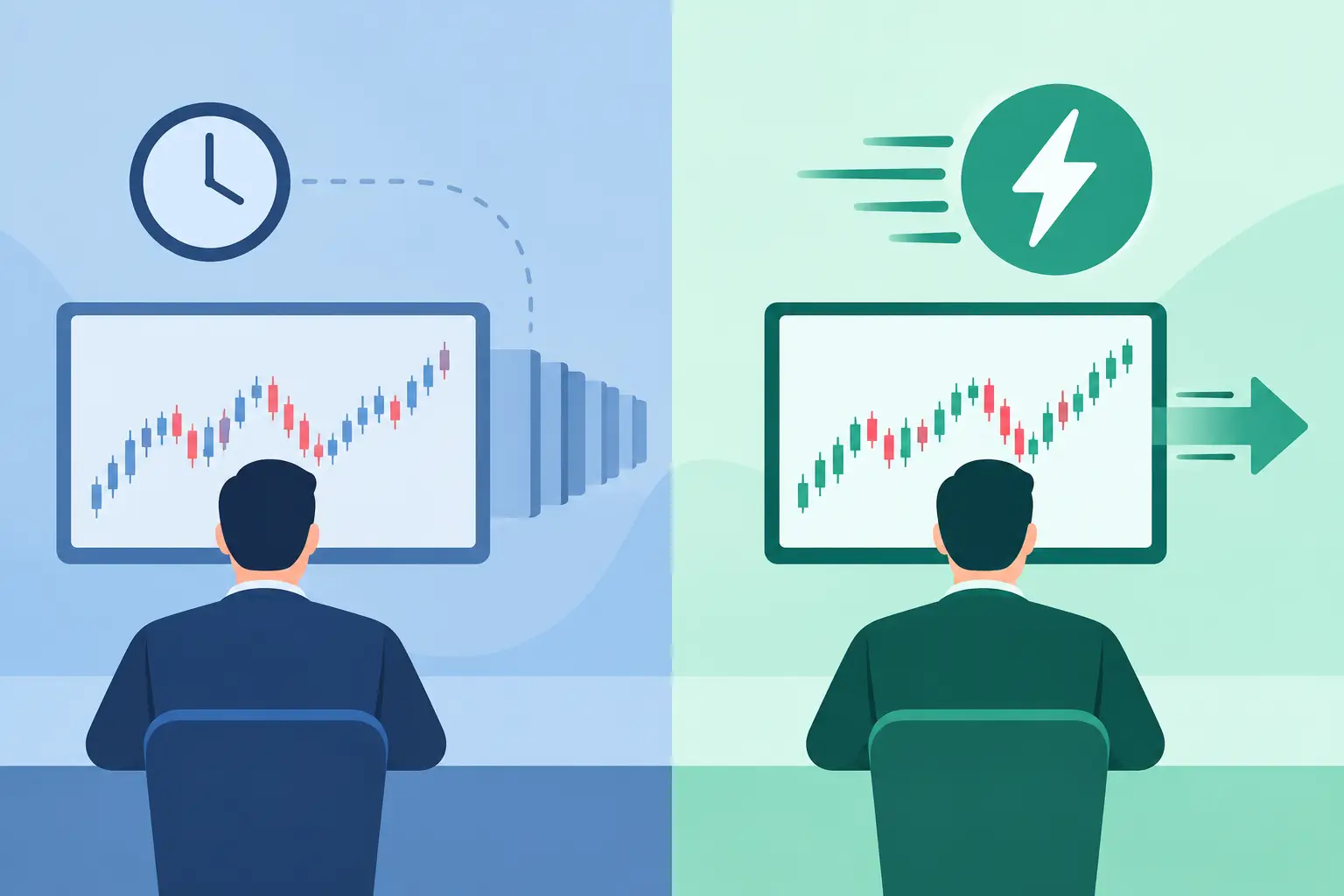
The key point is simple: it is not enough to open and close a trade on the same calendar date. What matters is whether the position is still active when rollover occurs. If you close before rollover, a swap adjustment will usually not apply. If you hold through rollover, the adjustment is posted to your account shortly afterward.
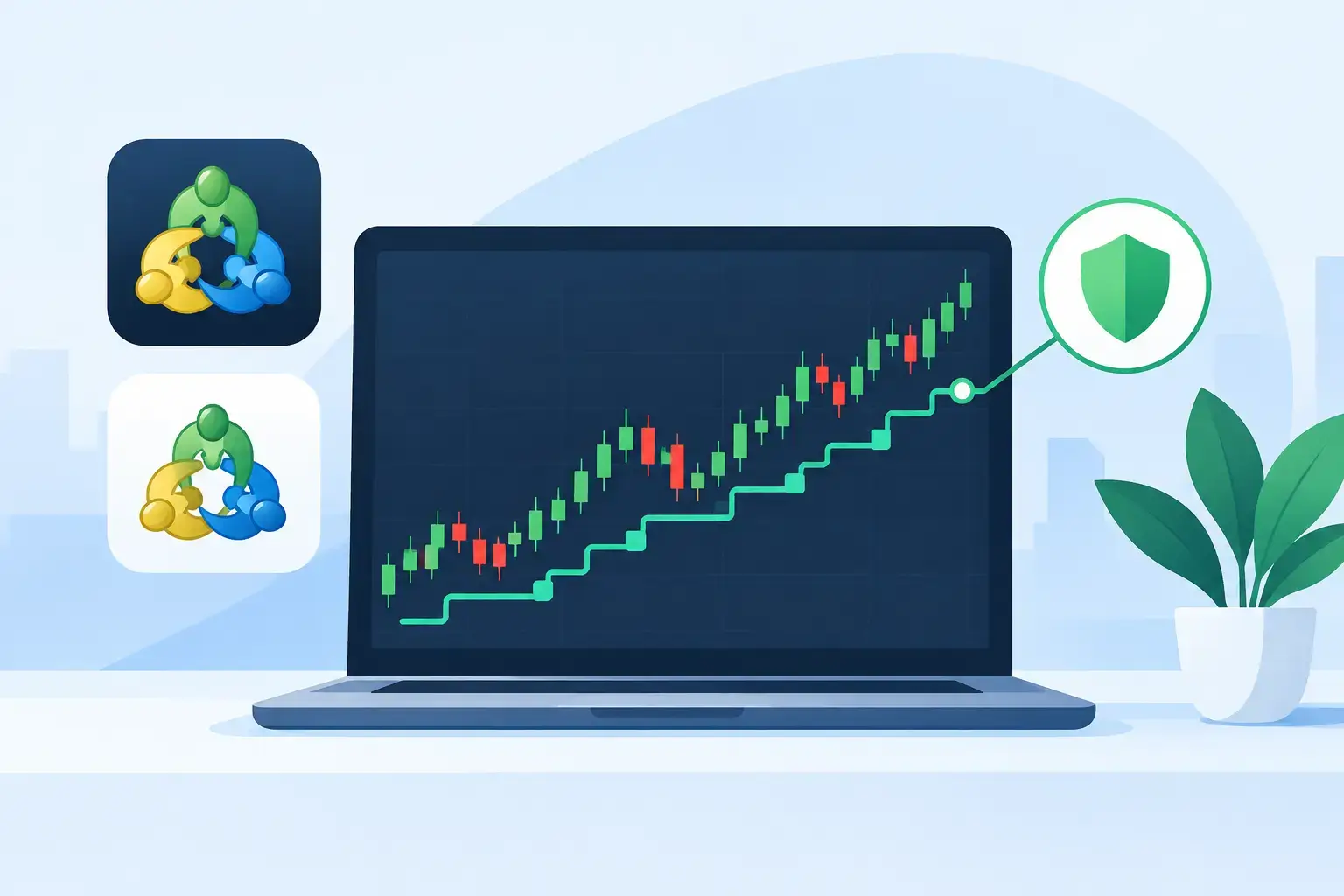
On MT4 and MT5, you can typically see the resulting swap entry in your account history or within the trade details. The platform records it separately from your realized profit or loss, spread, and commission.
What Is a Forex Swap?
A forex swap, also called rollover or overnight financing, reflects the cost or credit associated with holding a currency pair or CFD position overnight. In spot forex, the concept is connected to the interest-rate difference between the two currencies in a pair. In CFDs, financing may also reflect the underlying market, liquidity conditions, broker pricing, and the direction of your position.
A swap can be negative, meaning it is deducted from your account, or positive, meaning it is credited. The result depends on the instrument and whether you are buying or selling it. A long position and a short position on the same market can carry very different swap rates.
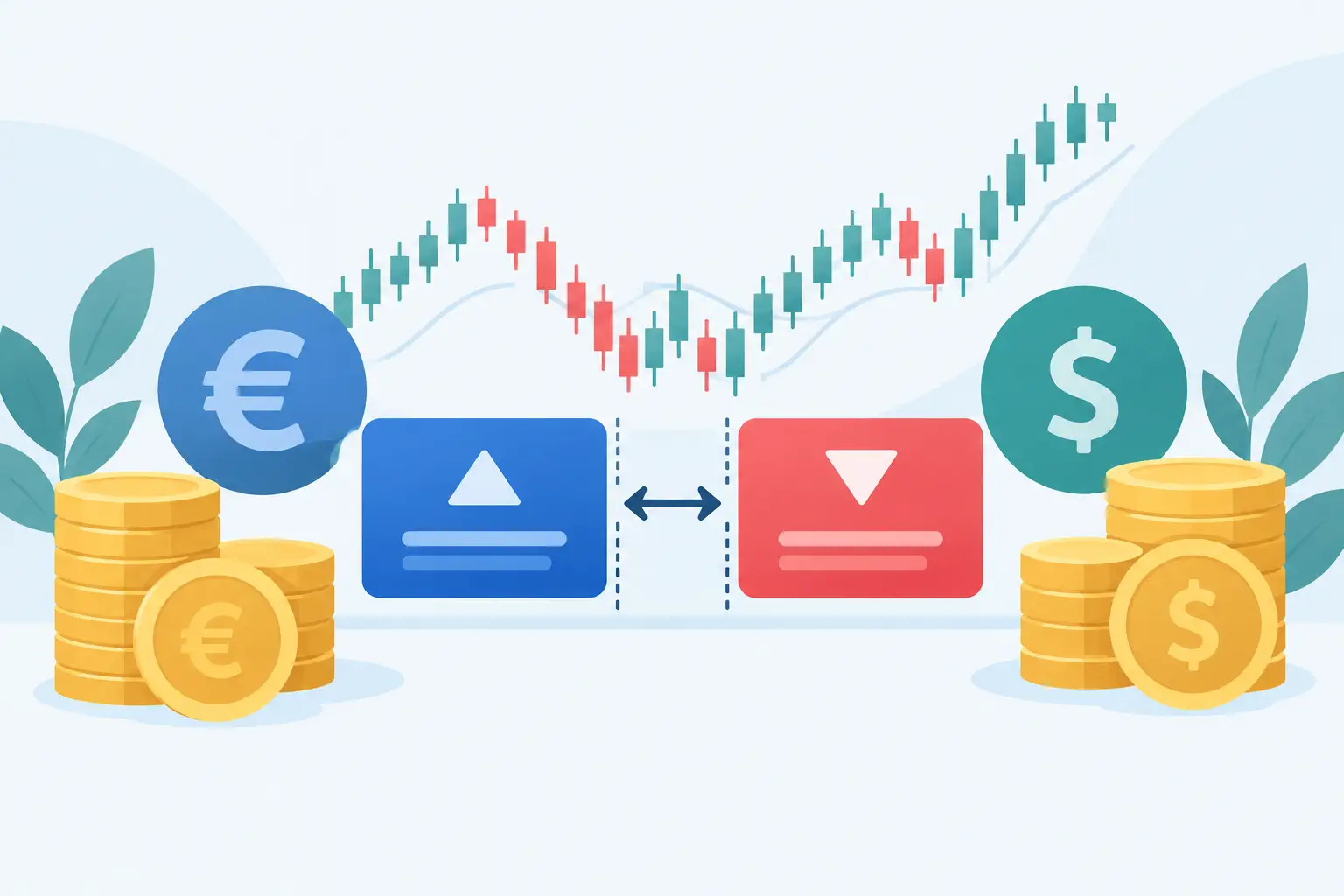
For example, holding a buy position in EUR/USD overnight may produce a different adjustment than holding a sell position in EUR/USD. The rate is not a prediction about where price will move. It is a holding-cost calculation that can change as market funding conditions change.
Why Buy and Sell Swap Rates Differ
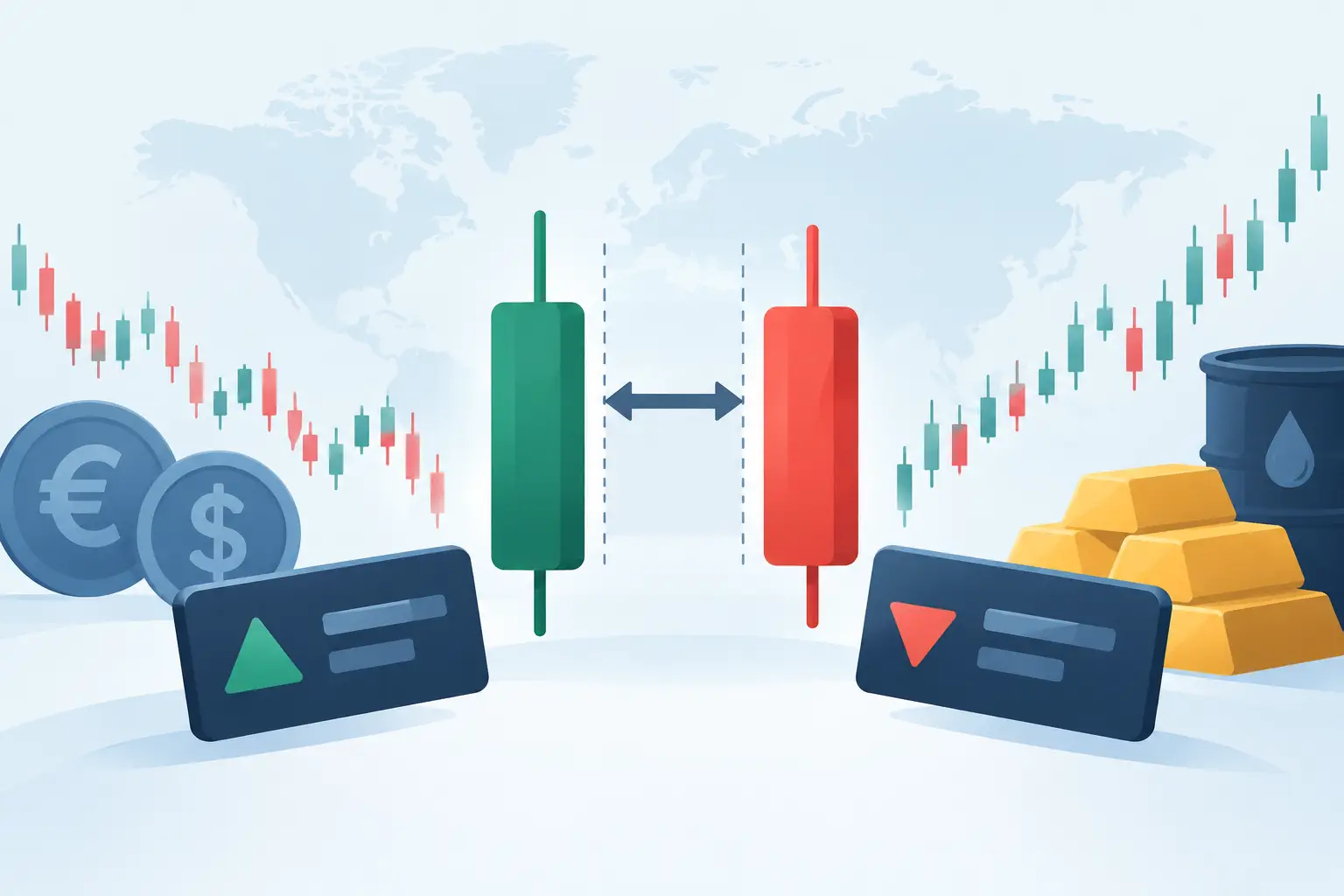
Each trade has two sides. When you buy a forex pair, you are effectively buying one currency and selling another. When you sell it, the relationship reverses. Because the financing characteristics of those two positions differ, brokers display separate long and short swap values.
This matters for traders who hold positions for several days or weeks. A small daily charge may have limited impact on a short-term setup, but it can become meaningful when the position size is large or the holding period is extended.
The Triple Swap Day Explained
Most forex markets settle on a T+2 basis, meaning trades are generally settled two business days after execution. Because the market is closed over the weekend, the financing adjustment for weekend days is commonly applied on one weekday. For many forex pairs, this is Wednesday rollover, when a triple swap is charged or credited.
A triple swap does not mean you are being charged three times for one night. It accounts for financing across three calendar days: Wednesday night, Thursday night, and the upcoming weekend period. If you hold an eligible position through Wednesday rollover, you may see an adjustment that is roughly three times the usual daily amount.
The exact schedule can vary by instrument. Metals, indices, energy products, stock CFDs, ETF CFDs, and crypto CFDs can have different rollover conventions. Public holidays, market closures, and changes in settlement schedules may also affect the day or amount of the adjustment. Always review the contract specifications for the exact instrument you plan to hold overnight.
How Swap Charges Are Calculated
Swap calculations are not always shown as a simple percentage. Depending on the instrument, the platform may display the rate in points, pips, a percentage, or a currency amount per lot. Your final adjustment is generally influenced by the swap rate, trade direction, position size, and number of nights the trade stays open.
If a market has a negative swap rate of a certain amount per lot, holding a larger volume will increase the total charge. If you hold through a triple-swap day, that larger adjustment should also be factored into your risk plan.
Account currency can affect how the final amount appears. For example, a swap value calculated in the quote currency may be converted into the currency of your trading account. Exchange-rate movement can therefore have a small effect on the final posted figure.
A Practical Example
Suppose you open a 1-lot position on a forex pair and the displayed overnight rate for that direction is negative. If you close before daily rollover, no overnight adjustment is normally posted. If you keep the trade open through one rollover, the negative swap is deducted. If you then carry it through the instrument’s triple-swap day, the total deduction for that rollover can be substantially larger.
The same logic works in reverse for a positive swap. A positive rate can add a credit to your balance, but it should not be treated as guaranteed income. Rates may change, and market price movement, spreads, leverage, and volatility can outweigh any financing credit.
Which Positions Can Receive Swaps?
Swaps most commonly apply to open forex positions, but they can also apply to CFDs on indices, commodities, stocks, ETFs, and cryptocurrencies. The availability and calculation method depend on the product.
Some instruments have daily financing because they are designed to track an underlying market through a CFD structure. Others may have specific expiry, settlement, or corporate-action considerations. For stock CFDs, dividends can also create account adjustments for eligible long or short positions around an ex-dividend date. Those adjustments are separate from the usual question of when swaps are charged, but both can affect the cost of holding a position.
Traders using leveraged products should view overnight financing as part of the total cost of a trade, alongside spread, commission where applicable, and potential slippage. A trade can be technically correct on direction while still underperforming if the holding cost was not considered.
How to Check Swap Rates Before You Trade
Before opening a position you intend to hold overnight, check the instrument details directly in your platform. On MT4 or MT5, you can usually locate the symbol, open its specification window, and review the long swap, short swap, swap type, and rollover schedule.
Do this before entering, not after the first charge appears. Rates can differ significantly between instruments, especially when comparing major currency pairs with exotic pairs, commodities, or volatile crypto CFDs. The trade direction matters just as much as the symbol.
At Monaxa, traders can access a broad range of markets through familiar trading platforms, making it especially useful to build swap checks into your pre-trade routine. If you use copy trading or follow a money manager, remember that overnight financing can still affect the results of positions held beyond rollover.
Managing Overnight Financing in Your Strategy
There is no single right approach to swaps. It depends on how you trade. A short-term trader may choose to close positions before rollover when the setup allows. A swing trader may accept a negative daily charge because the expected price move is large enough to justify holding. Another trader may prefer markets or trade directions with more favorable financing conditions.
Avoid making decisions based on swap rates alone. A positive swap does not remove market risk, and a negative swap does not automatically make a trade unsuitable. Consider the full picture: your entry, stop-loss level, target, position size, expected holding period, and the effect of rollover on your available margin.
If your account offers a swap-free option, review its conditions carefully. Swap-free arrangements may have eligibility requirements, time limits, administrative fees, or product restrictions. They are not always a universal replacement for overnight financing.
Before carrying a position into rollover, check the instrument specification, confirm the server time, and account for any upcoming triple-swap day. That small habit gives you a clearer view of the true cost of keeping your market exposure open.