 English
 Portuguese
 Bahasa
Melayu
Bahasa
Melayu ไทย
ไทย 中文
中文 Tiếng Việt
 Español
 हिन्दी
 日本語
日本語 العربية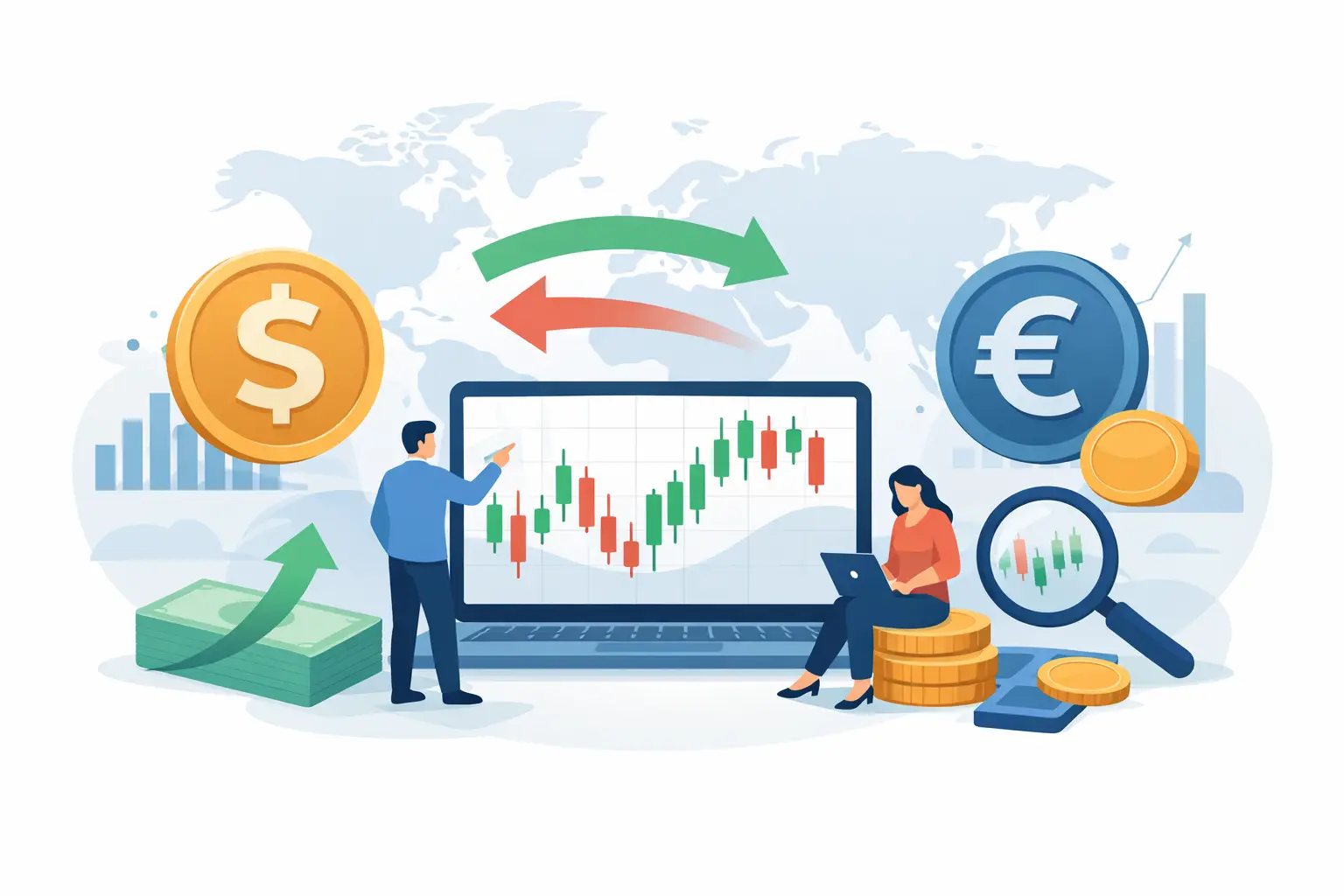
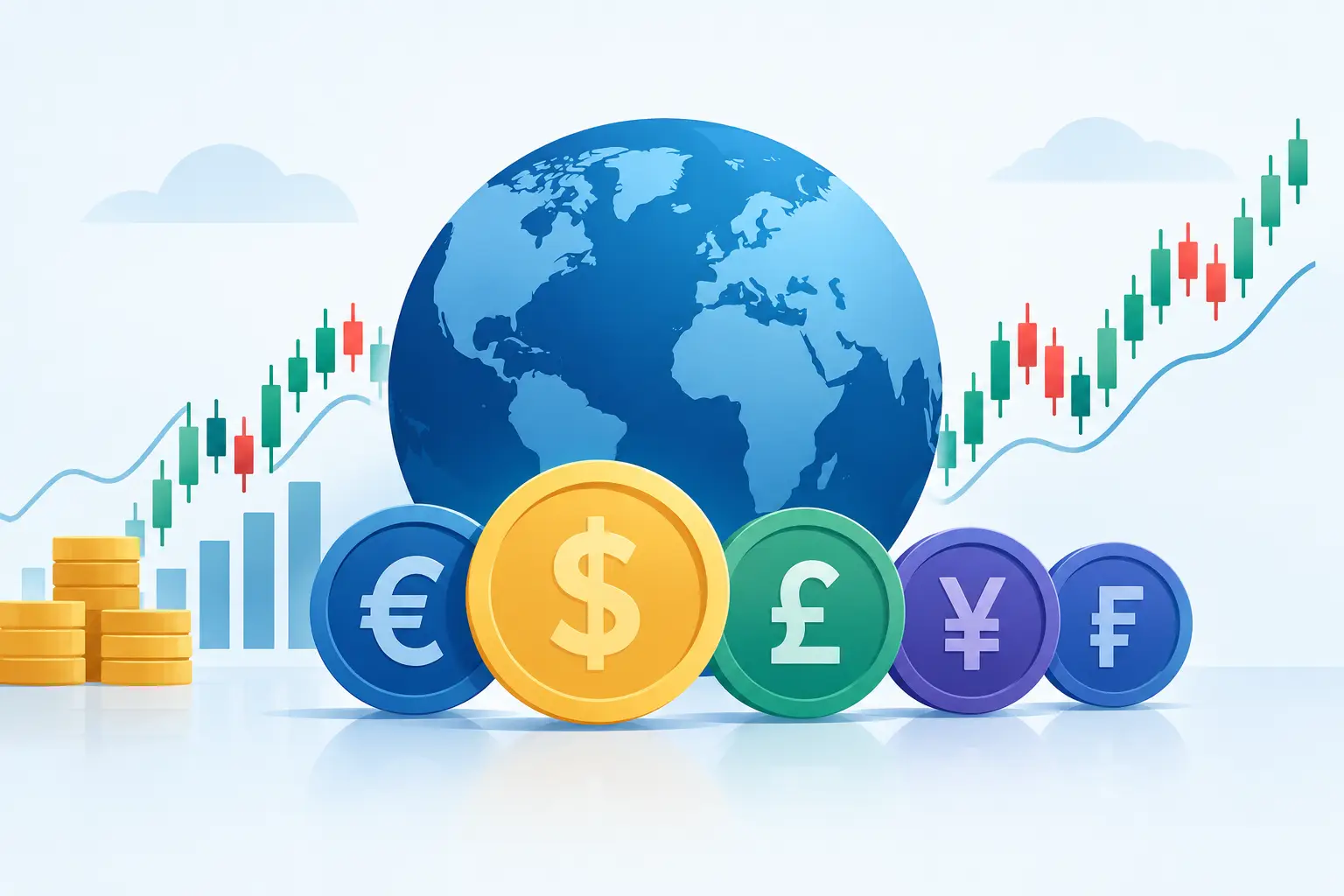
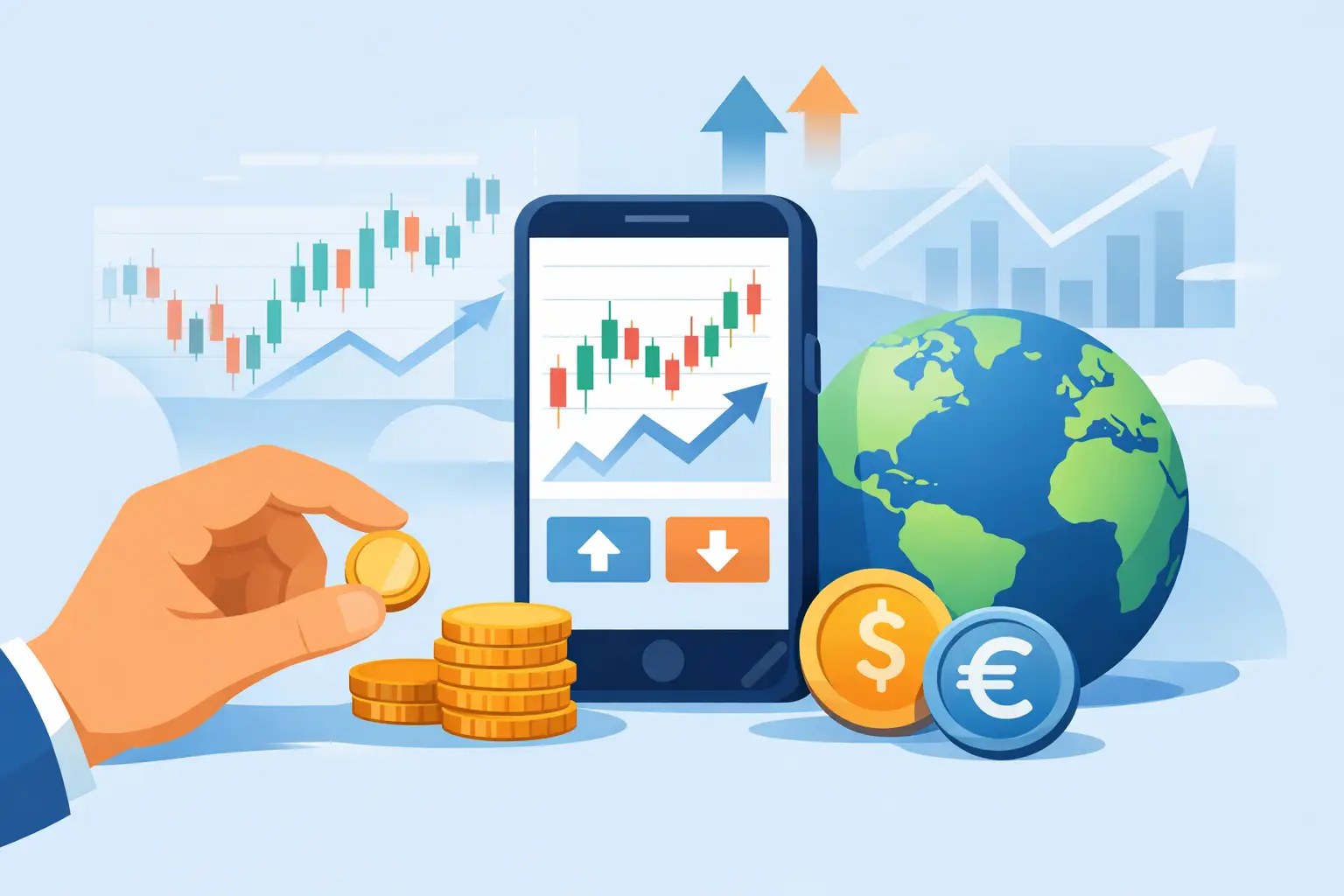
A currency quote can move in seconds after an inflation release, a central bank decision, or a surprise shift in risk sentiment. What is forex trading? It is the act of buying one currency while selling another, with the goal of profiting from a change in their relative value. For active traders, forex provides access to a global market that runs nearly around the clock during the business week.
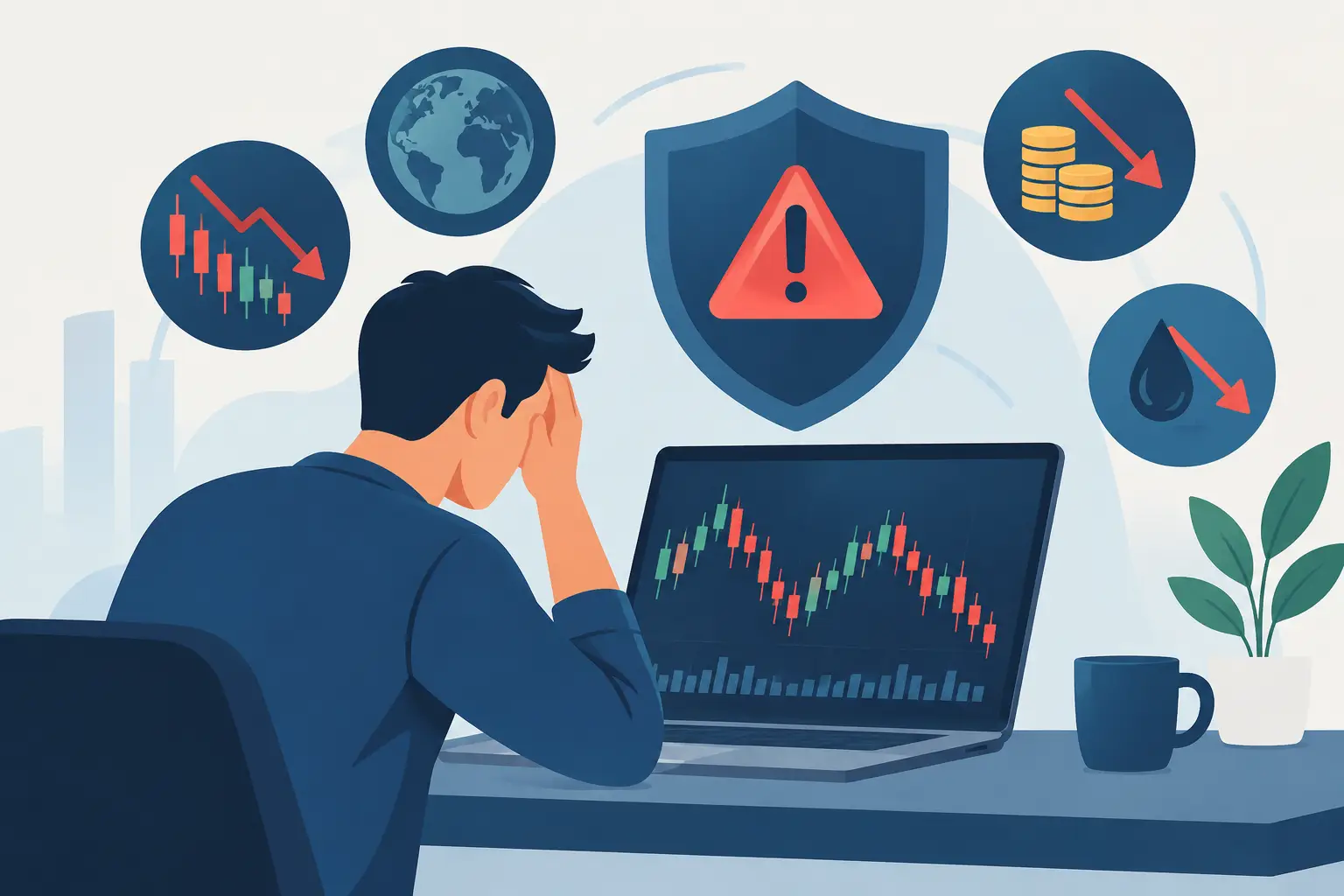
Forex is not a single stock or company story. It is a market shaped by national economies, interest rates, trade flows, political developments, and institutional demand. That breadth creates frequent opportunities, but it also means prices can move quickly and losses are possible, especially when leverage is involved.
What Is Forex Trading in Practice?
Forex, short for foreign exchange, is the market where currencies are exchanged. It supports everyday activity at a massive scale: businesses paying overseas suppliers, travelers converting money, investors reallocating capital, and central banks managing reserves. Online traders participate by taking positions on whether one currency will strengthen or weaken against another.
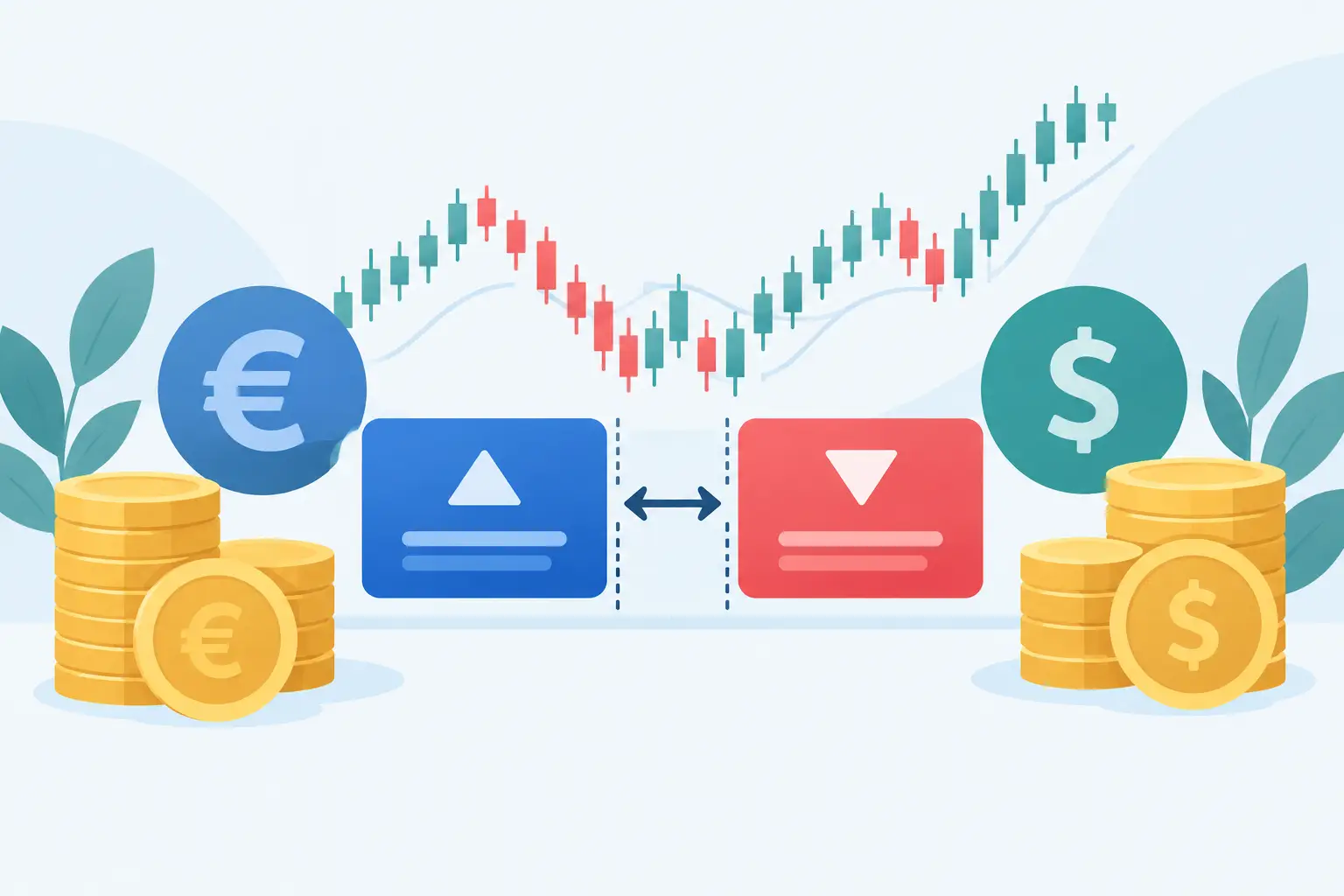
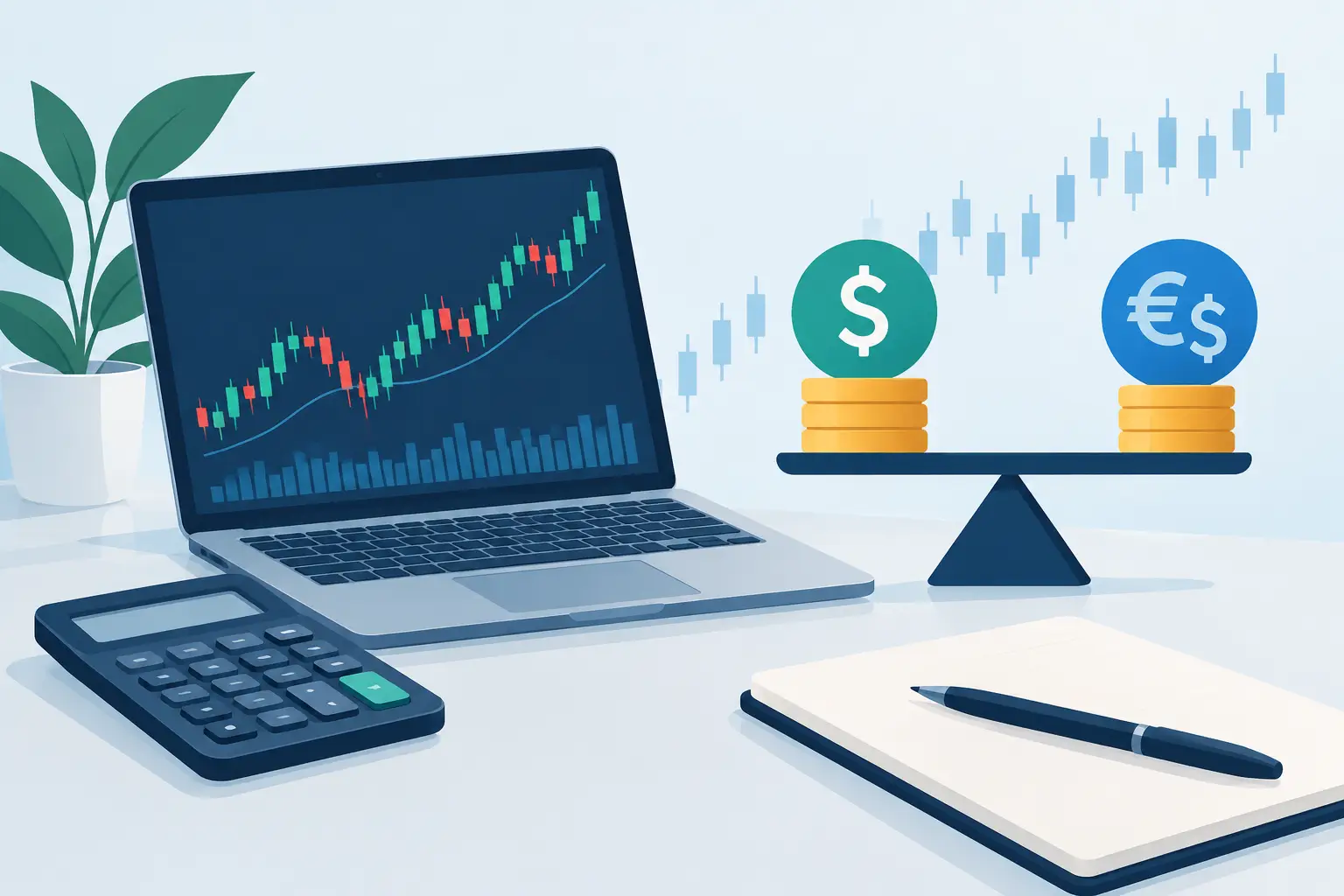
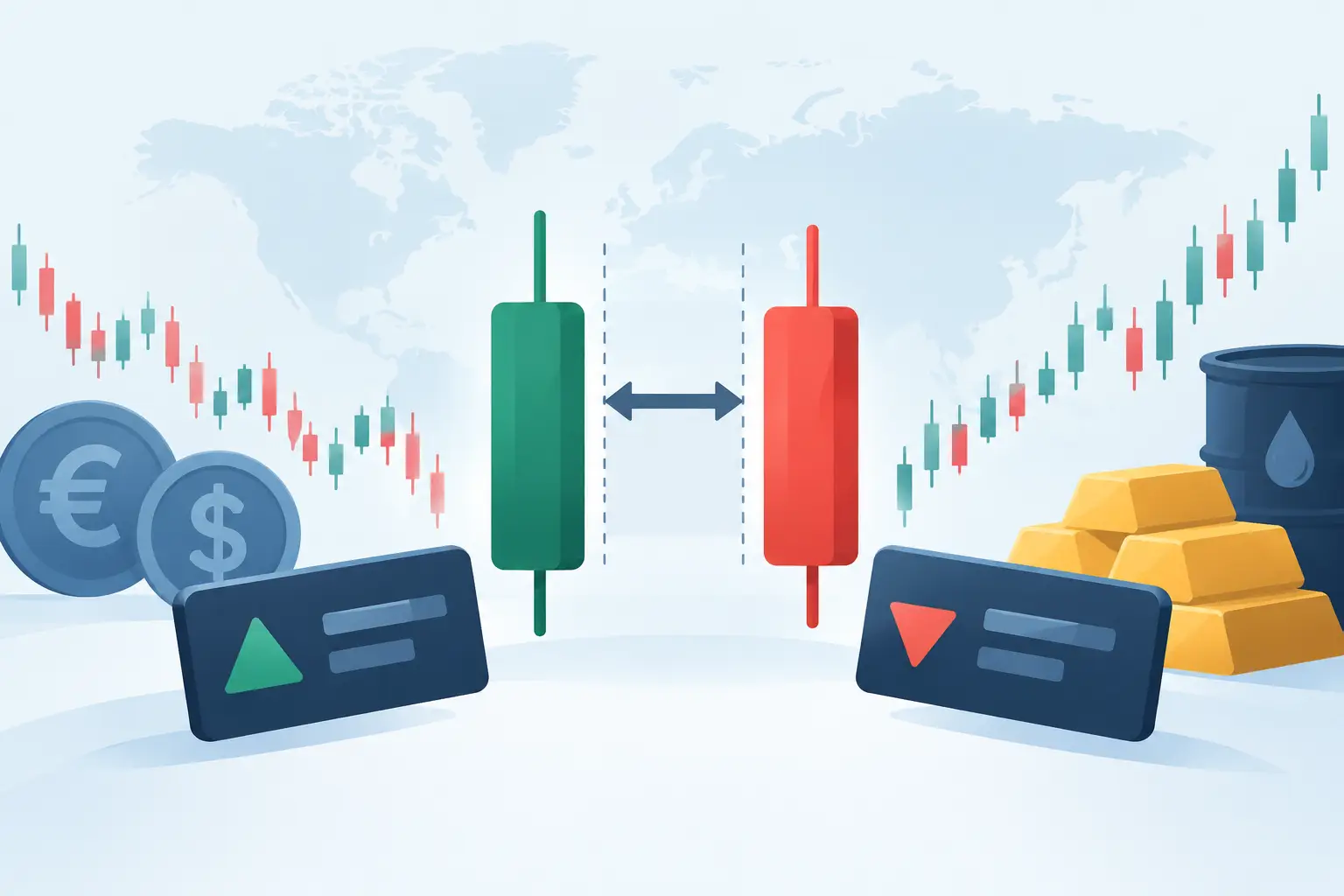
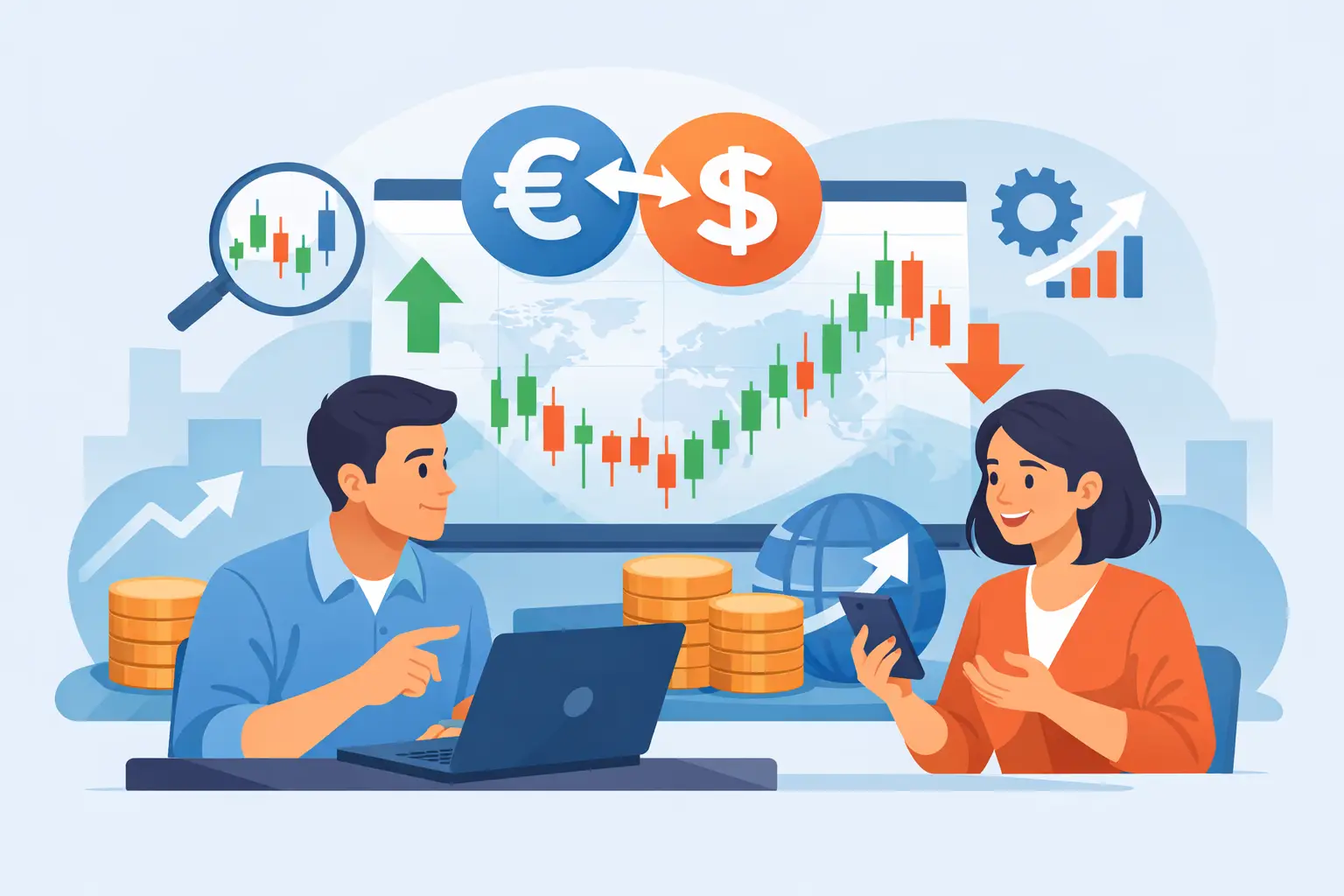
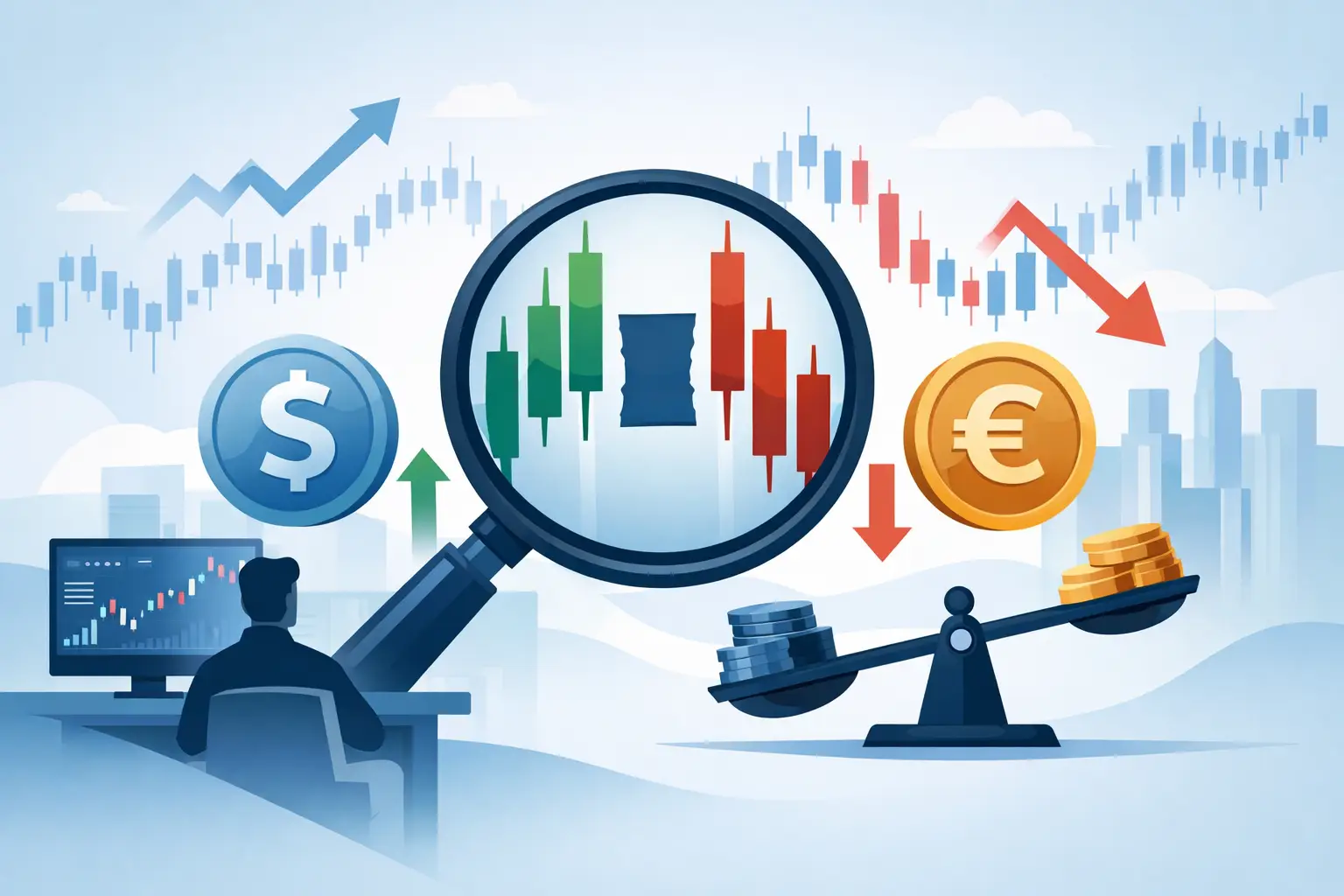
Every forex trade uses a currency pair. In EUR/USD, the euro is the base currency and the US dollar is the quote currency. If EUR/USD is quoted at 1.0850, one euro is worth 1.0850 US dollars.
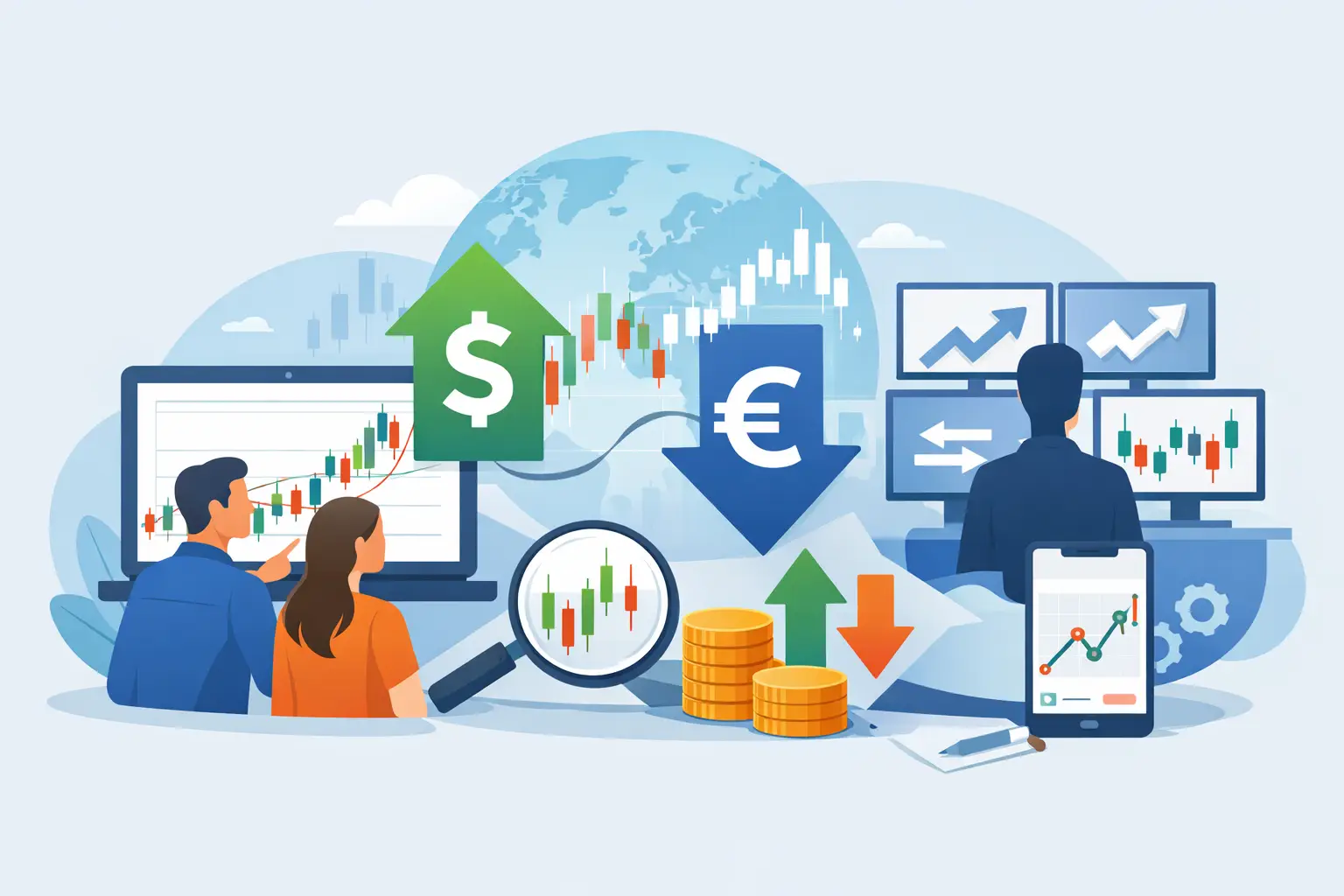
A trader who expects the euro to rise against the dollar may buy EUR/USD. If the pair moves higher, that position may gain value. A trader who expects the euro to fall may sell EUR/USD. If the pair moves lower, that position may gain value. The direction matters, but so do trade size, entry price, exit price, spread, overnight financing, and market volatility.
Unlike a traditional stock purchase, a forex position generally does not mean taking delivery of physical currency. With online leveraged products, traders are usually seeking exposure to price movements rather than opening a bank account in euros, yen, or pounds.
How Currency Pairs Are Organized
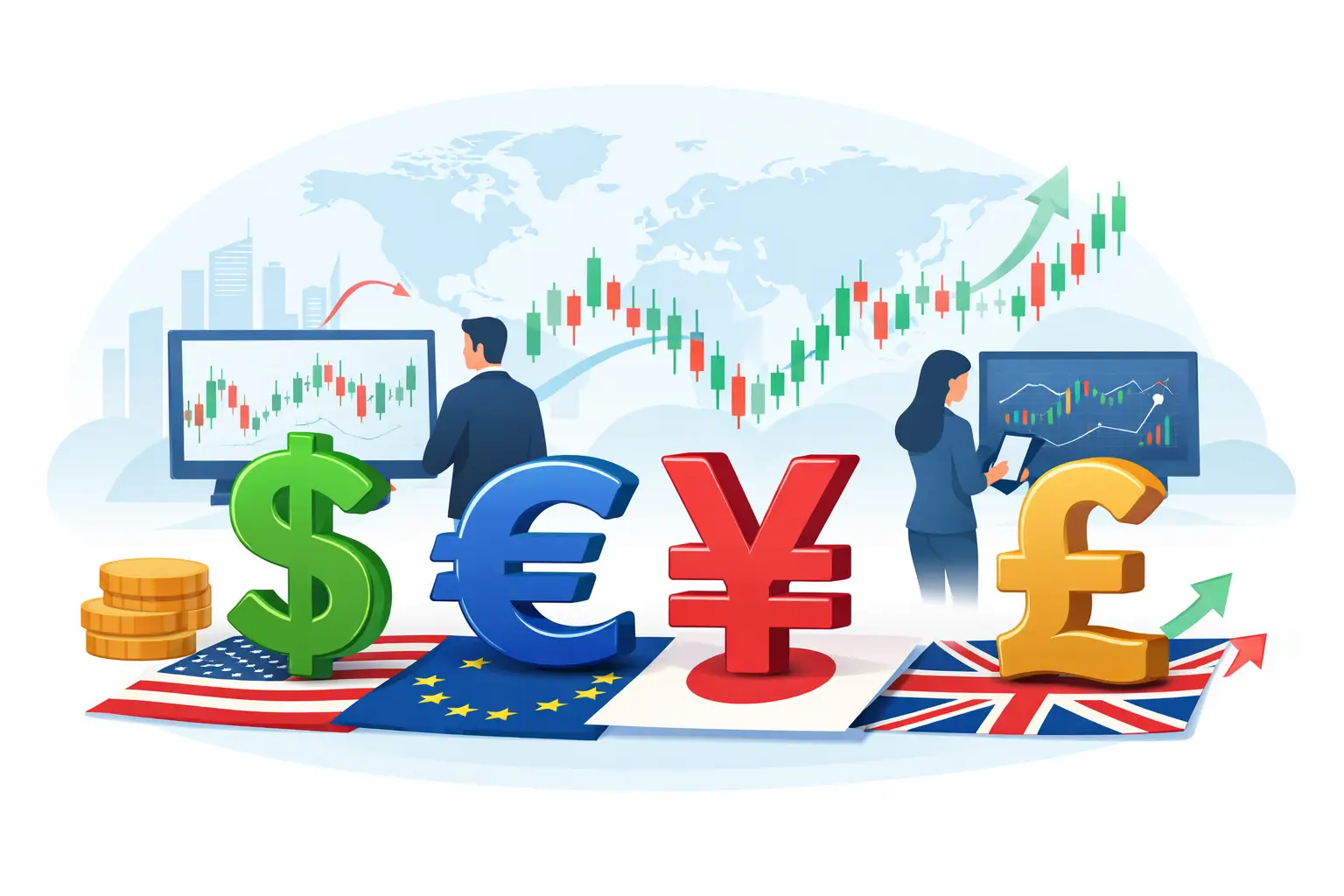
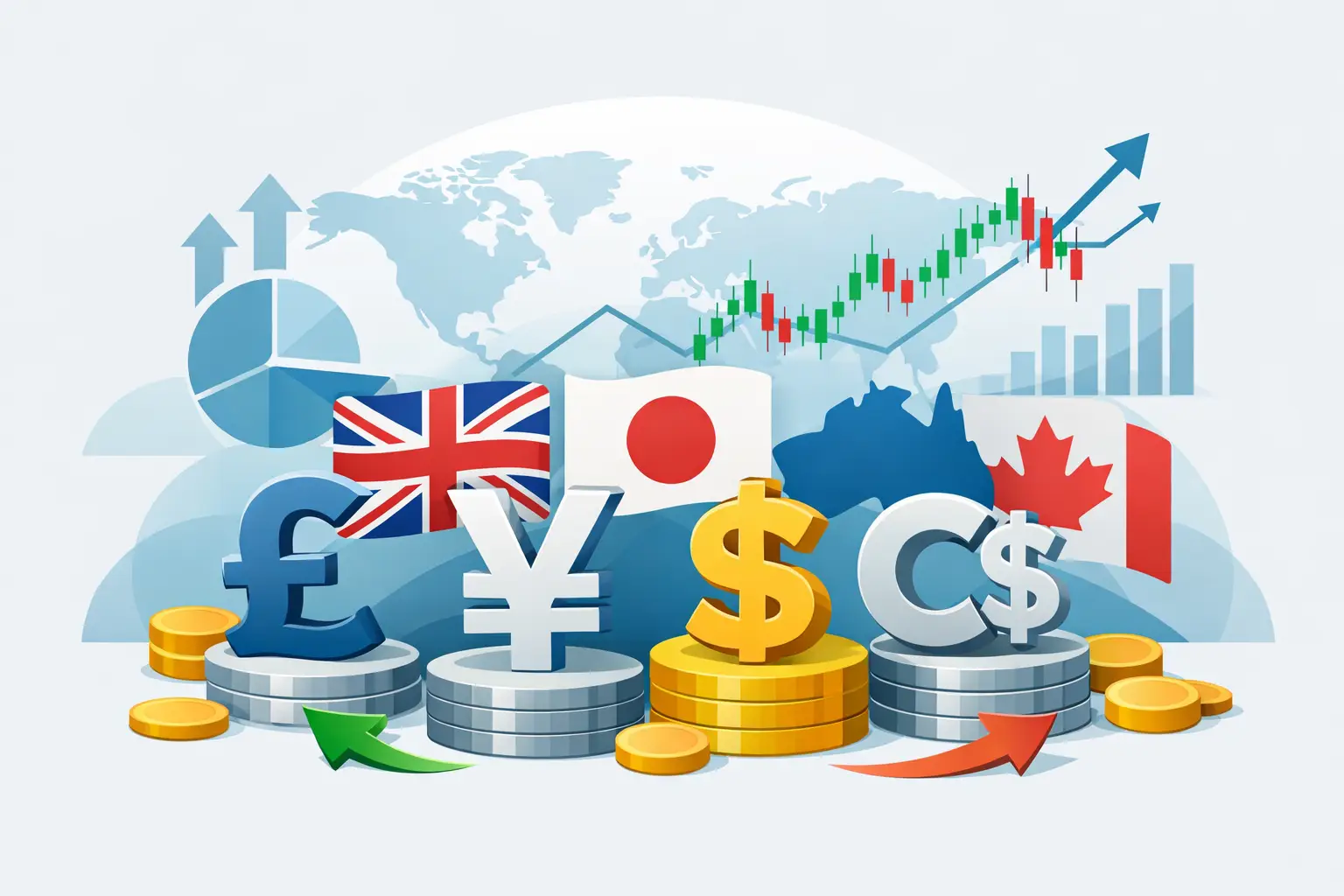
Currency pairs are commonly grouped into majors, minors, and exotics. Major pairs include the US dollar and tend to have deep liquidity, such as EUR/USD, GBP/USD, USD/JPY, and USD/CHF. Their tight trading conditions and broad market participation often make them a practical starting point for traders learning how currency pricing works.
Minor pairs do not include the US dollar but combine other major currencies, such as EUR/GBP or AUD/JPY. Exotic pairs pair a major currency with one from a smaller or emerging economy. They can offer distinctive opportunities, but spreads may be wider and price moves may be more abrupt.
The first currency in a pair is the one being bought or sold. The second shows how much of that currency is needed to buy one unit of the first. This is why a rising GBP/USD quote means the British pound is gaining value relative to the US dollar.
Pips, Lots, and the Spread
Forex traders measure small price changes in pips. For many pairs, a pip is the fourth decimal place, or 0.0001. A move in EUR/USD from 1.0850 to 1.0860 equals 10 pips. For pairs involving the Japanese yen, a pip is often the second decimal place.
Position size is commonly expressed in lots. A standard lot represents 100,000 units of the base currency, though many platforms also support smaller contract sizes, including mini and micro lots. The larger the position, the more each pip movement can affect profit or loss.
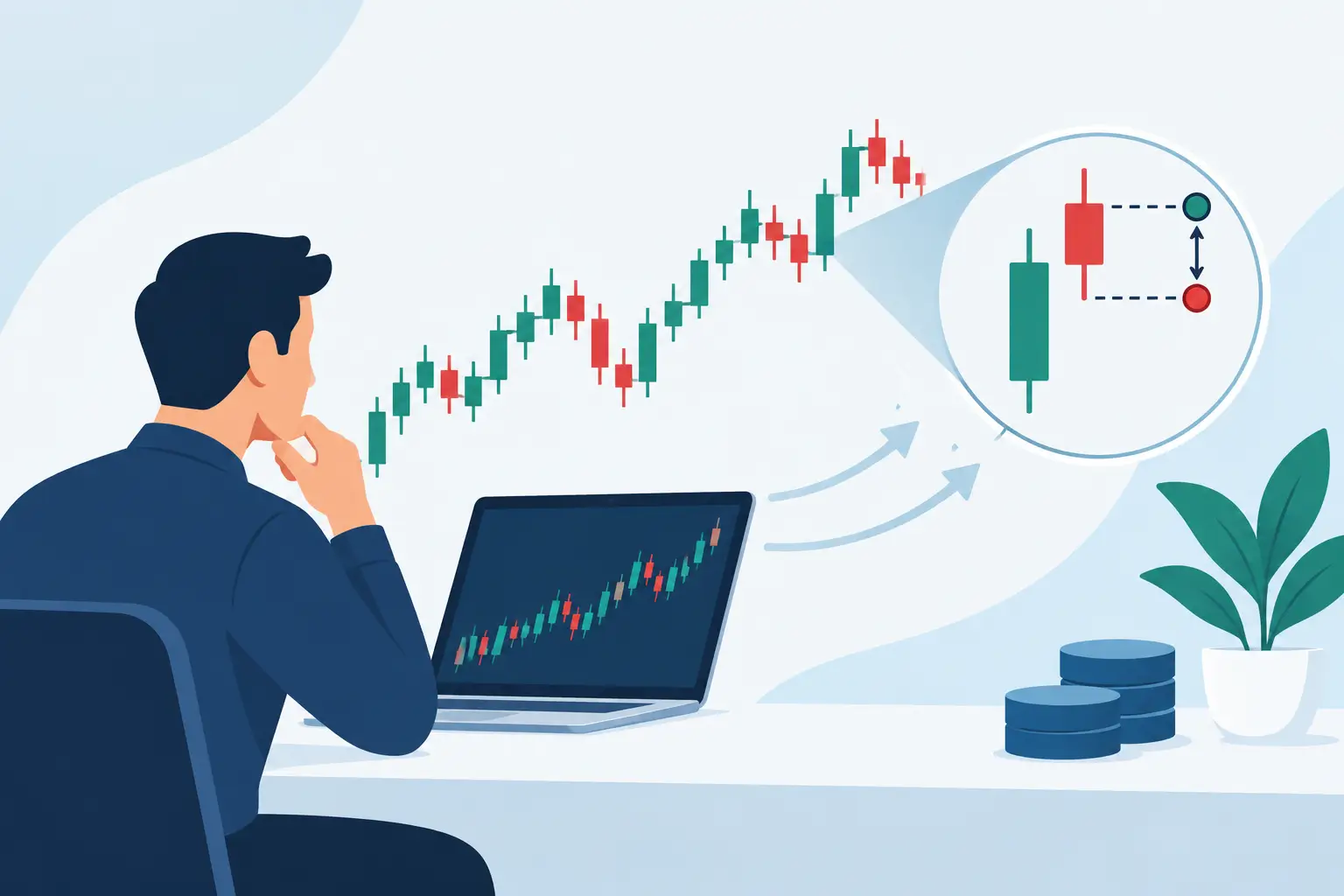
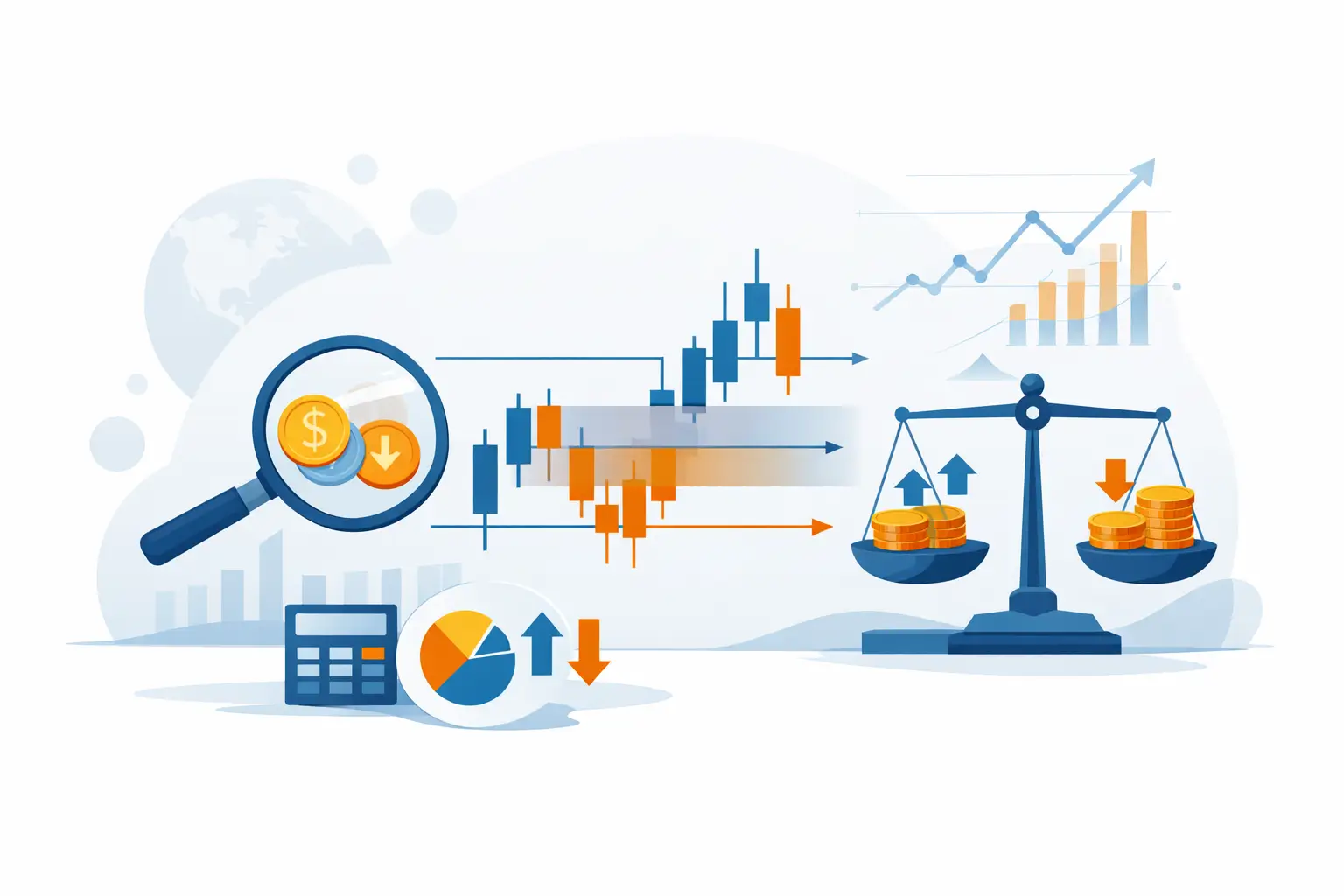
The spread is the difference between the bid price, where you can sell, and the ask price, where you can buy. It is a core trading cost. A position typically starts slightly negative because a buy trade opens at the ask and closes at the bid, while a sell trade works in the opposite direction. Traders should assess spreads alongside commissions, swaps or overnight financing, execution quality, and available account conditions.
Why Forex Prices Move
Currencies reflect expectations. A country with rising interest rates may attract capital seeking higher returns, potentially supporting its currency. But markets often price in expectations before a decision is announced, so an expected rate hike does not guarantee a currency will rise.
Key market drivers include central bank policy, inflation data, employment reports, gross domestic product, consumer activity, political stability, commodity prices, and global risk appetite. For example, a stronger-than-expected US jobs report can affect expectations for Federal Reserve policy and trigger movement across dollar pairs.
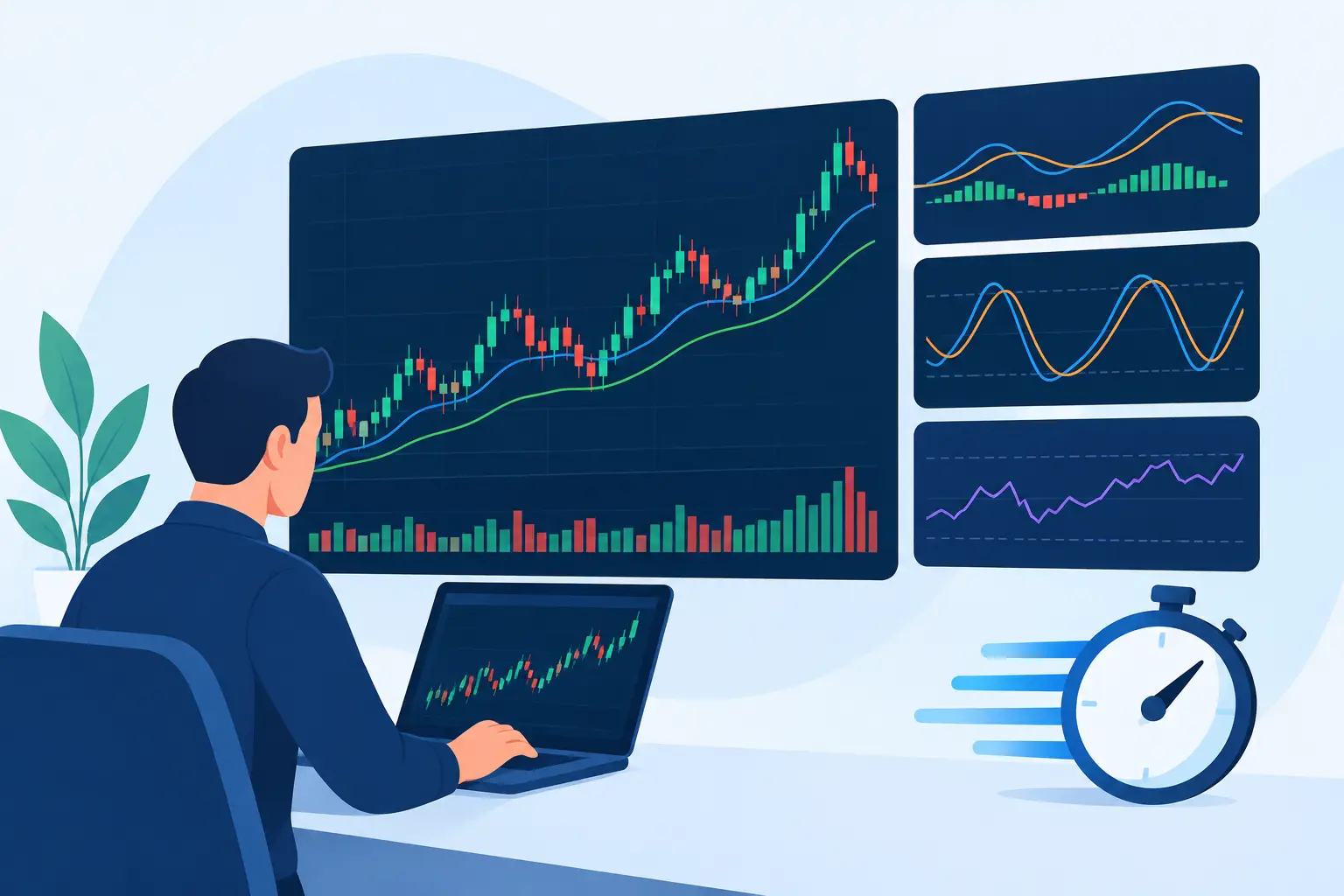
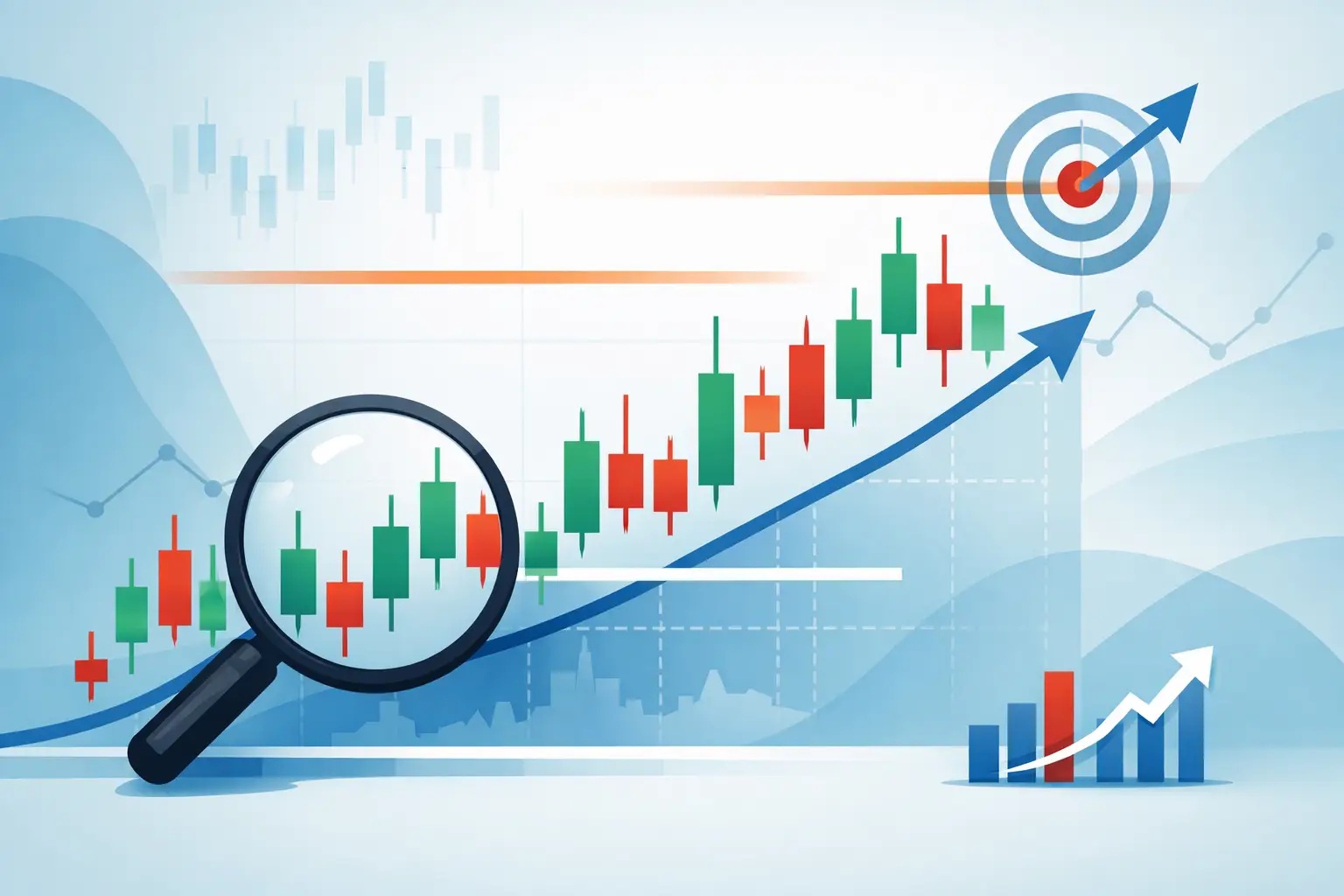
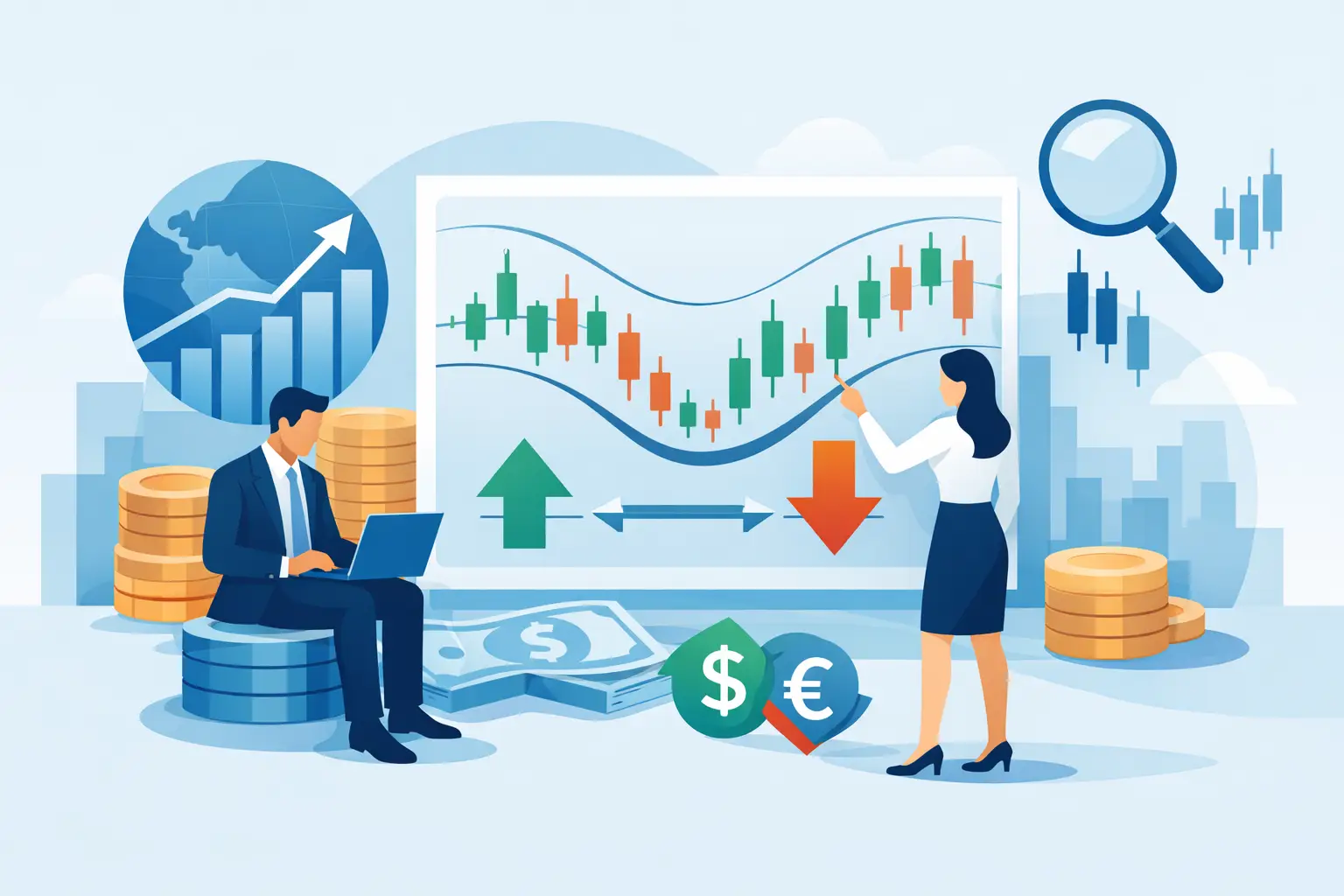
Technical analysis is also widely used in forex. Traders may study support and resistance levels, trends, chart patterns, moving averages, and momentum indicators to identify potential entries and exits. Technical tools can help structure a trade, but they cannot remove uncertainty. Strong risk management remains necessary whether a decision begins with a chart, an economic calendar, or both.
The Forex Market’s Trading Hours
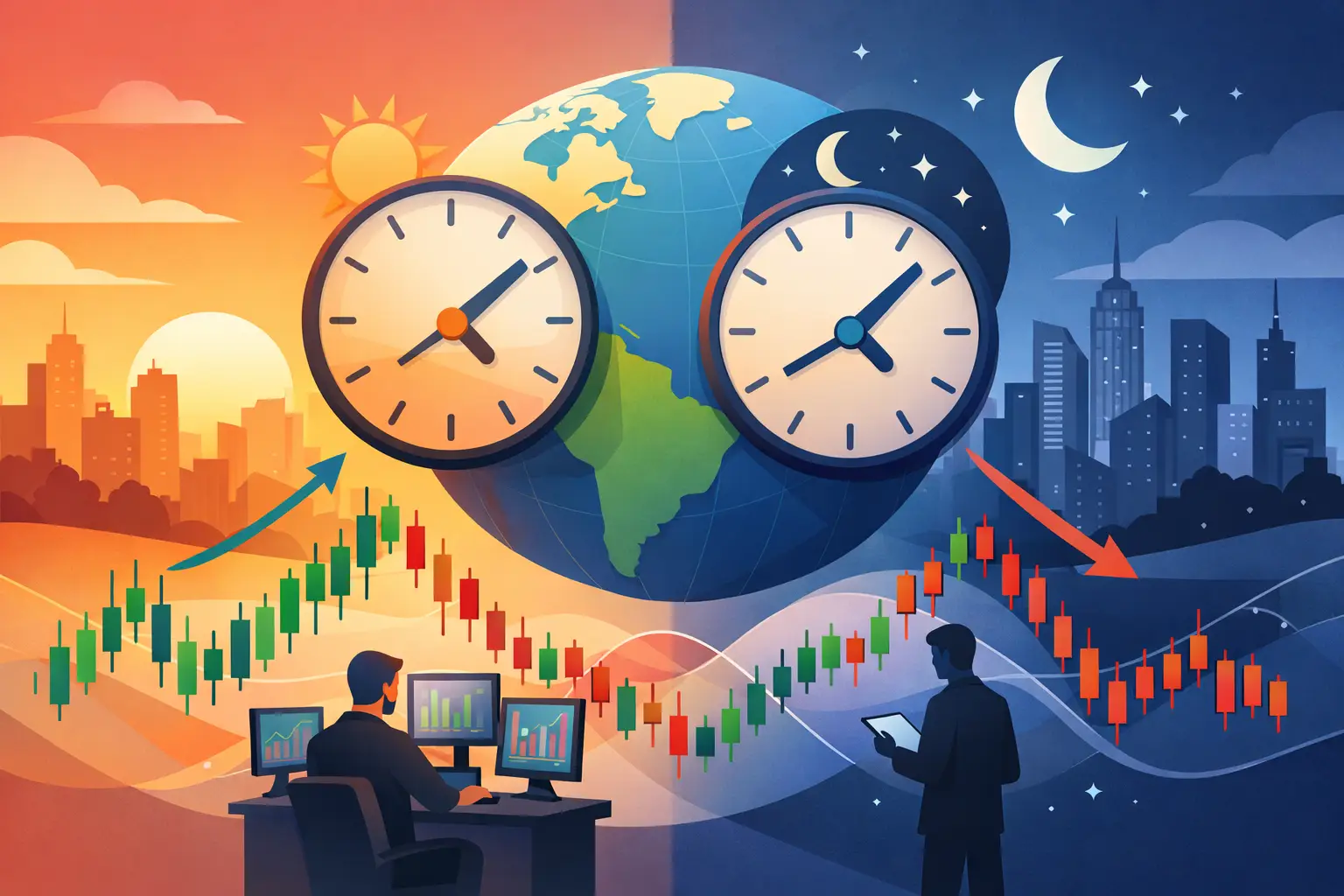
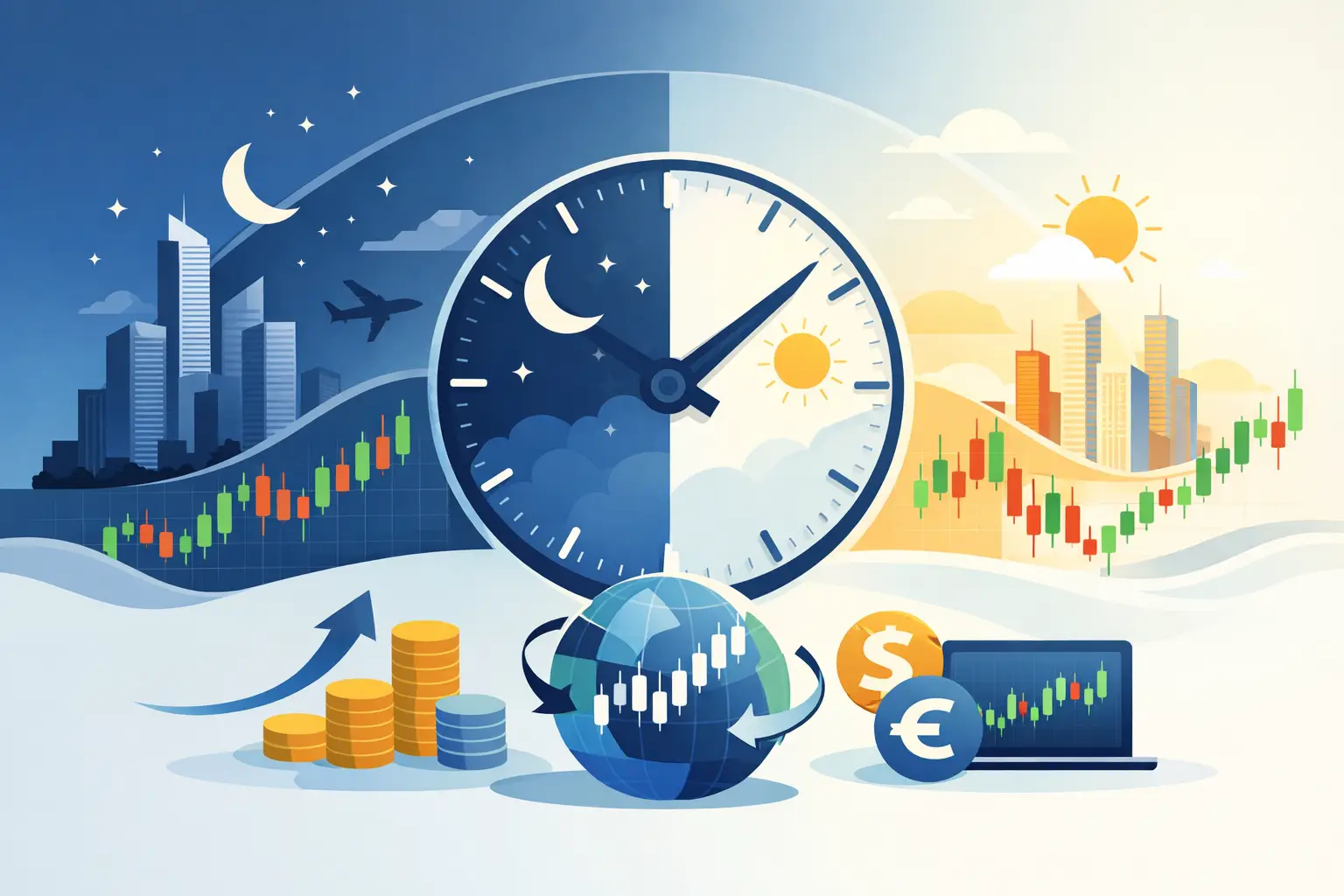
Forex is a decentralized over-the-counter market rather than a single centralized exchange. Trading activity follows the world’s major financial centers, with sessions commonly associated with Sydney, Tokyo, London, and New York.
The market is generally open from Sunday evening through Friday evening, US time. Liquidity often increases when major sessions overlap, particularly London and New York. More liquidity can mean more active price movement and potentially tighter spreads, but major news can still create rapid volatility.
Weekend gaps are another consideration. Prices may reopen at a different level after significant geopolitical or economic events occur while markets are closed. A stop-loss order is an important risk tool, but in fast-moving conditions it may not always be filled at the exact requested price.
Leverage: More Exposure, More Risk
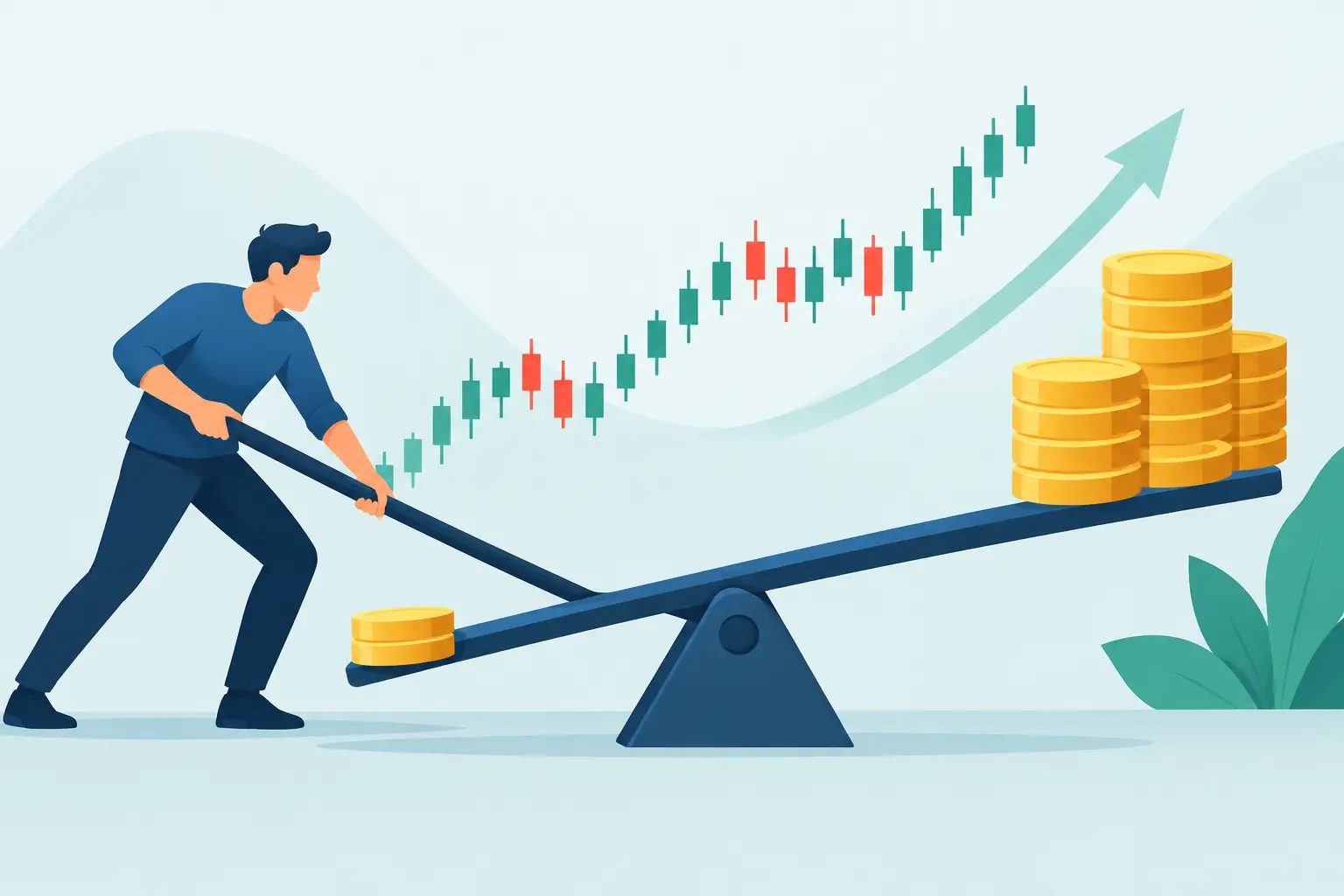
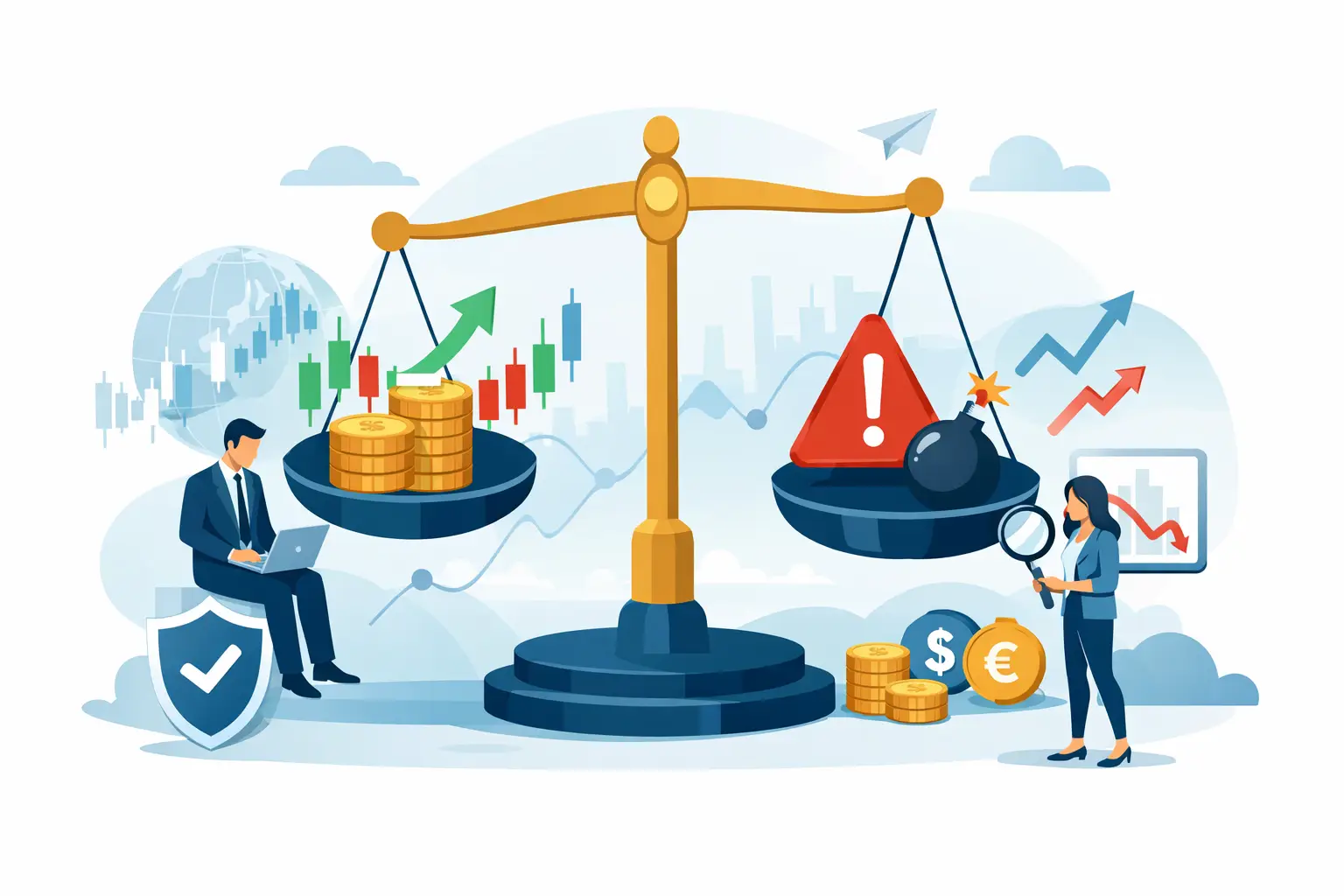
Alavancagem allows a trader to control a larger market position with a smaller amount of capital, known as margin. It can make forex accessible to traders who do not want to commit the full notional value of a position. It can also amplify losses just as quickly as gains.
For example, a small move in a currency pair may have a limited effect on an unleveraged position. With leverage, that same move can have a much larger percentage impact on the funds committed to the trade. If the market moves against you, your available margin can decline quickly, and your position may be closed if margin requirements are no longer met.
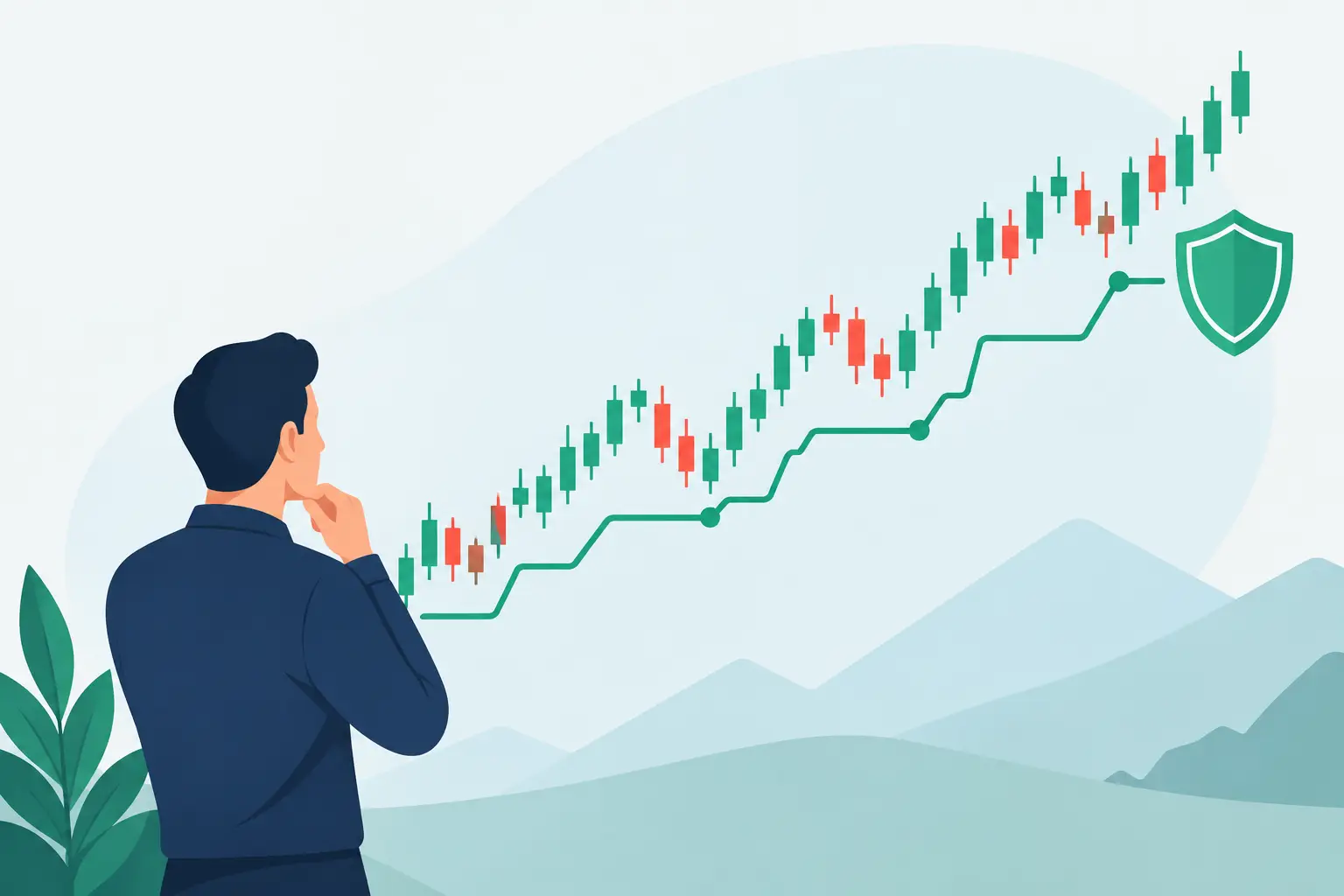
Leverage is not a reason to trade larger than your plan allows. It is a tool that requires discipline. Many traders define their maximum loss before entering a position, use a stop-loss order where appropriate, and keep each trade small relative to their account balance. The right level of exposure depends on experience, strategy, volatility, and financial circumstances.
A Simple Forex Trade Example
Assume EUR/USD is trading at 1.0850 and your analysis suggests the euro may strengthen. You open a buy position. If the quote rises to 1.0900, the pair has moved 50 pips in your favor. Your result depends on your position size and all applicable trading costs.
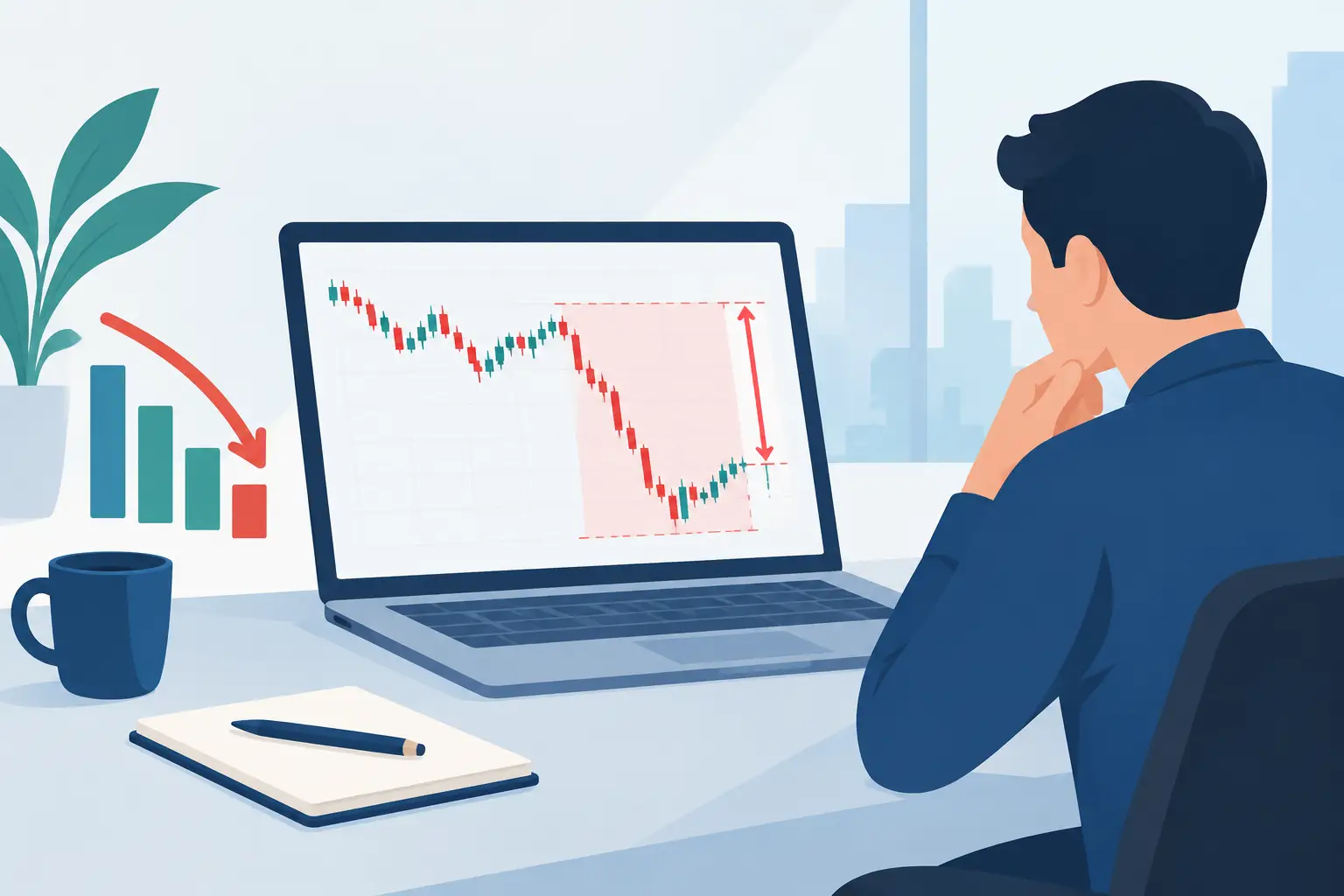
If EUR/USD instead falls to 1.0800, the move is 50 pips against your position. Without a defined exit plan, a manageable loss can become larger as the market continues to move. This is why a trade idea should include more than a direction. It should identify the entry, position size, invalidation level, potential exit, and maximum acceptable loss.
How to Start Trading Forex More Deliberately
A reliable start is less about finding a perfect indicator and more about building repeatable habits. Learn the mechanics of currency pairs and order types, then practice reading price behavior around major market events. A demo environment can help you become familiar with a platform before using real funds.
When you are ready to compare trading access, focus on the practical details: available currency pairs, spreads and commissions, platform tools, execution conditions, deposit and withdrawal options, customer support, and the rules that apply in your jurisdiction. Platforms such as MT4, MT5, and cTrader offer different workflows, charting tools, and automation capabilities, so the best fit depends on how you plan to trade.
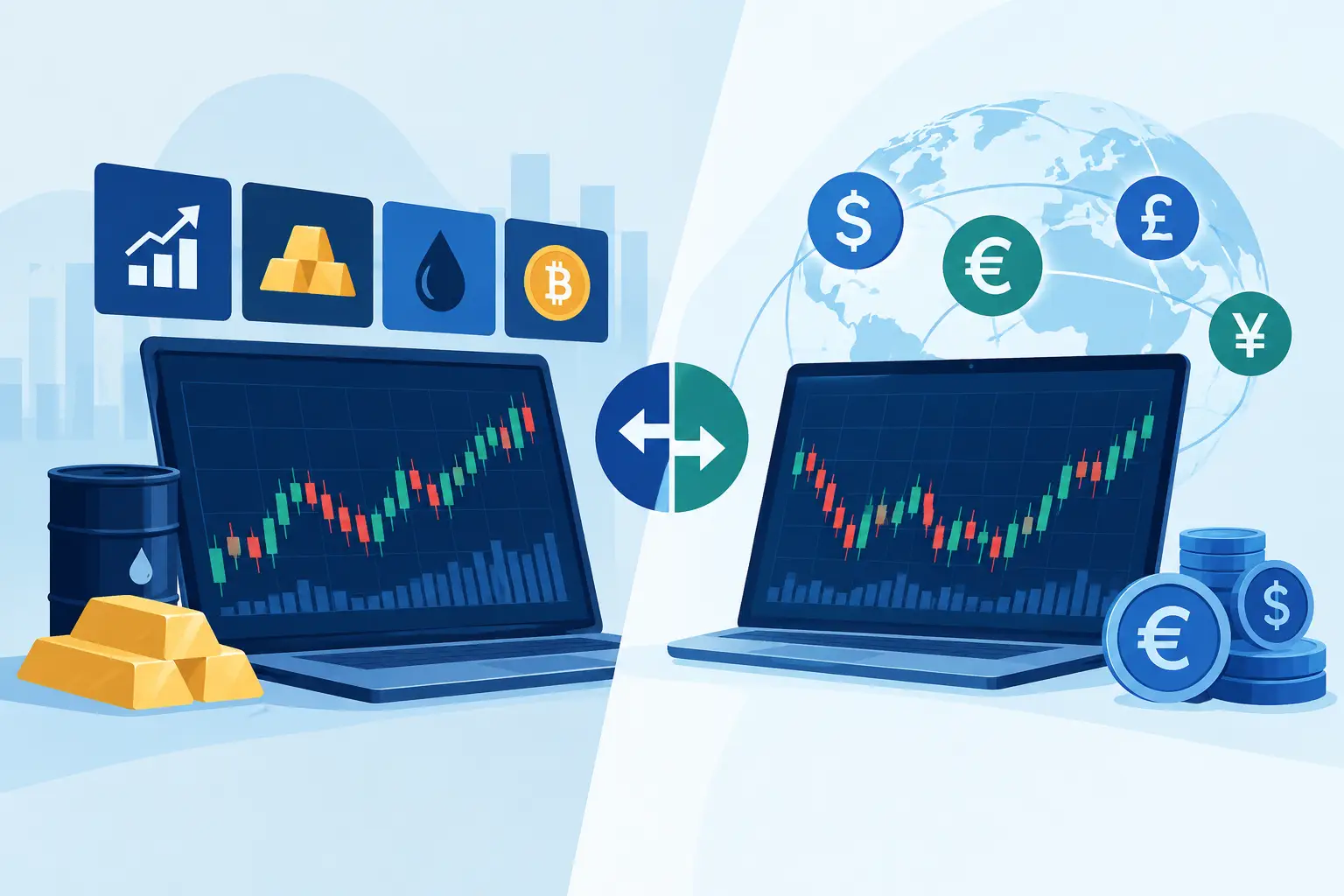
Monaxa provides access to forex and other global market products through multiple platform options, giving traders room to build an approach around their preferred trading style. Product availability and leverage terms can vary by location and account type, so always review the applicable conditions before opening a position.
Forex trading rewards preparation more than prediction. Start with a market you can follow, use position sizes that let you think clearly, and treat every trade as one decision in a longer process rather than a shortcut to results.