 English
 Portuguese
 Bahasa
Melayu
Bahasa
Melayu ไทย
ไทย 中文
中文 Tiếng Việt
 Español
 हिन्दी
 日本語
日本語 العربية
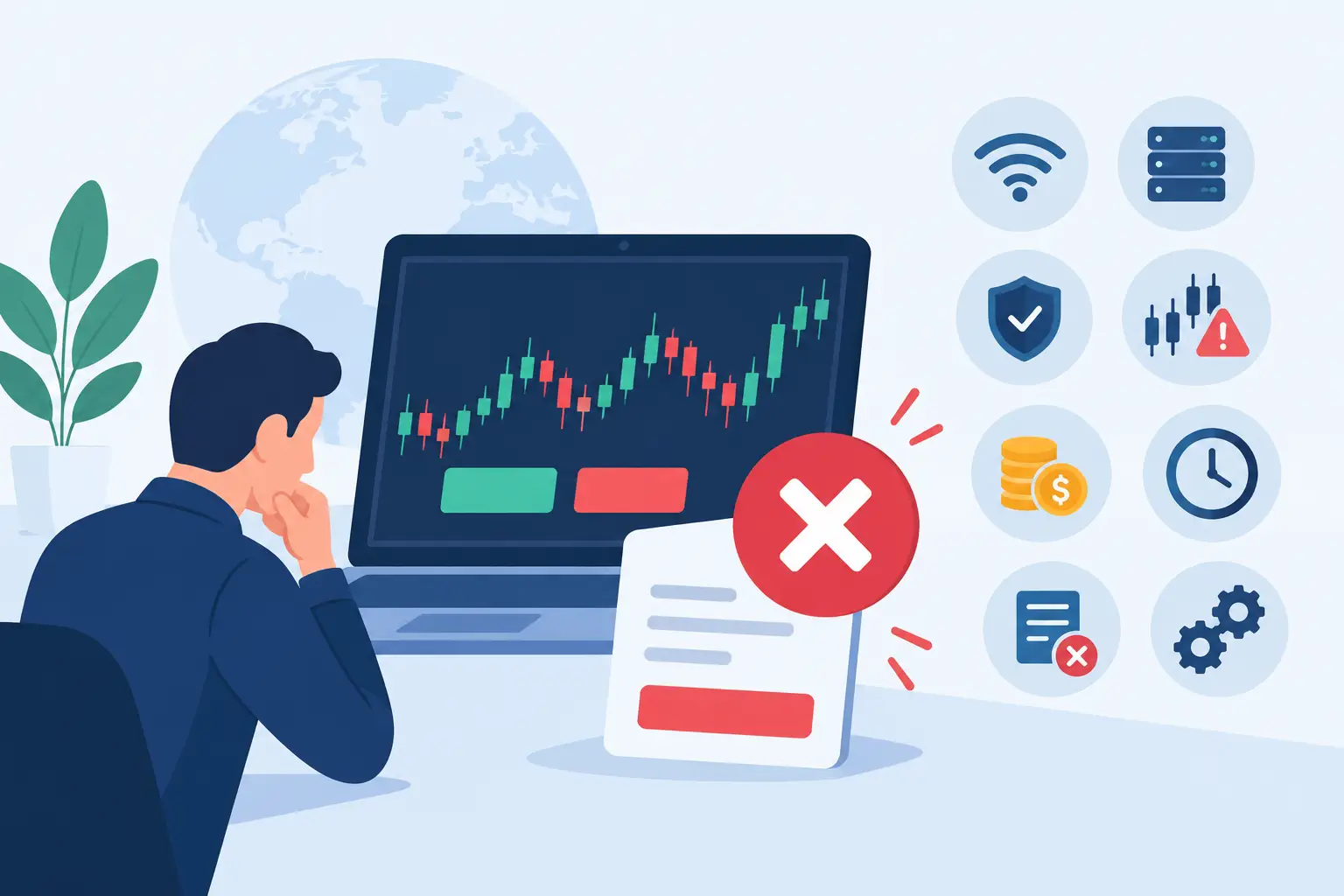
A currency quote can move in seconds, but the mechanics behind a forex trade are straightforward once you see the full sequence. This guide explains how forex trading works step by step – from selecting a currency pair to placing, managing, and closing a position. The goal is not to predict every market move. It is to understand the decisions, tools, and risks involved before real money is on the line.
How Forex Trading Works Step by Step
1. Forex trades one currency against another
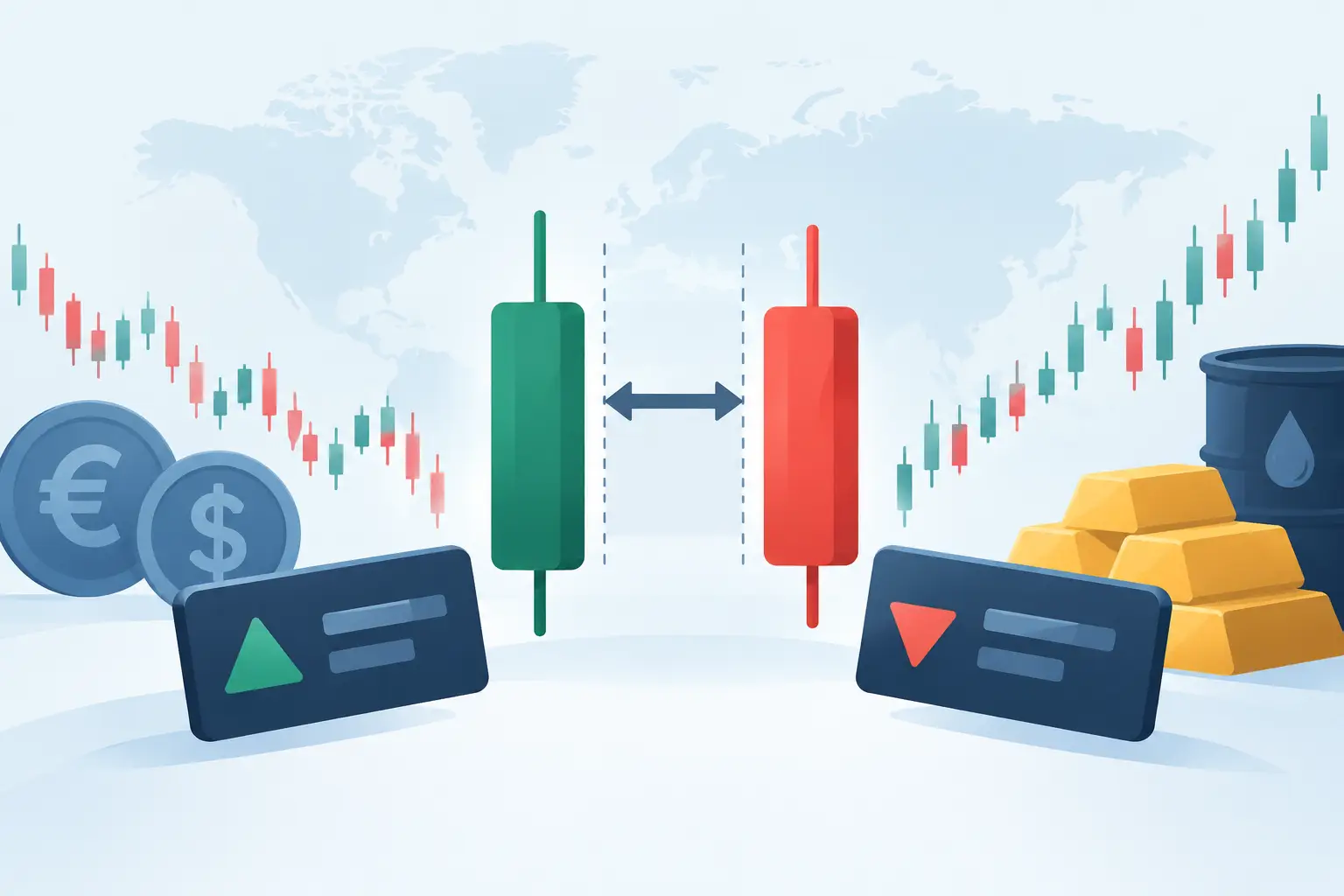
Forex, short for foreign exchange, is the market where currencies are bought and sold in pairs. You are never simply buying the euro or selling the U.S. dollar in isolation. You are taking a view on the relative value of one currency versus another.
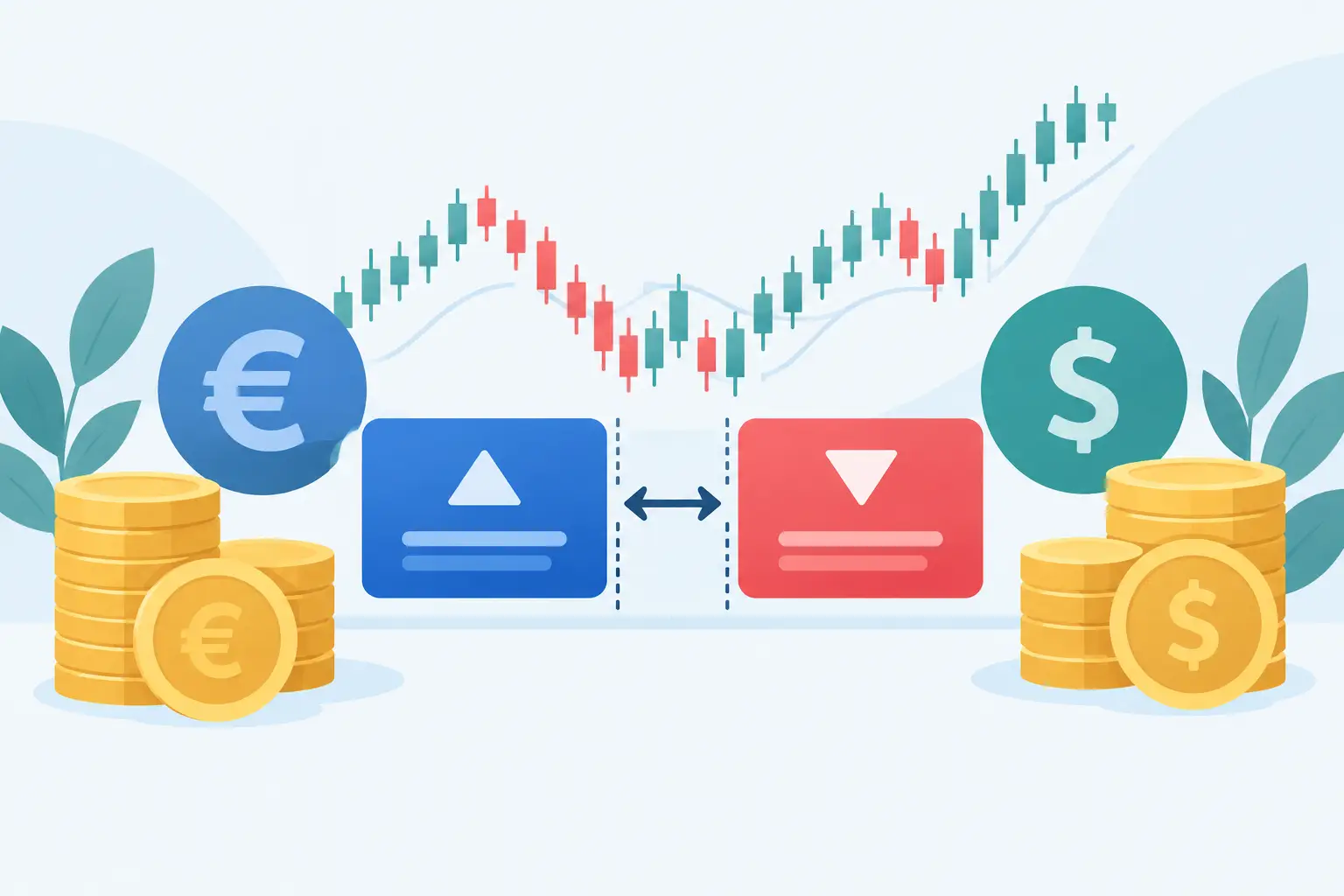
Take EUR/USD as an example. EUR is the base currency, and USD is the quote currency. If EUR/USD is quoted at 1.0850, one euro is worth 1.0850 U.S. dollars. When you buy EUR/USD, you expect the euro to rise relative to the dollar. When you sell it, you expect the euro to fall relative to the dollar.
Major pairs such as EUR/USD, GBP/USD, and USD/JPY are widely followed because they tend to have deep liquidity and frequently competitive trading conditions. Other pairs may offer sharper price moves, but they can also carry wider spreads and higher volatility.
2. Read the bid, ask, and spread
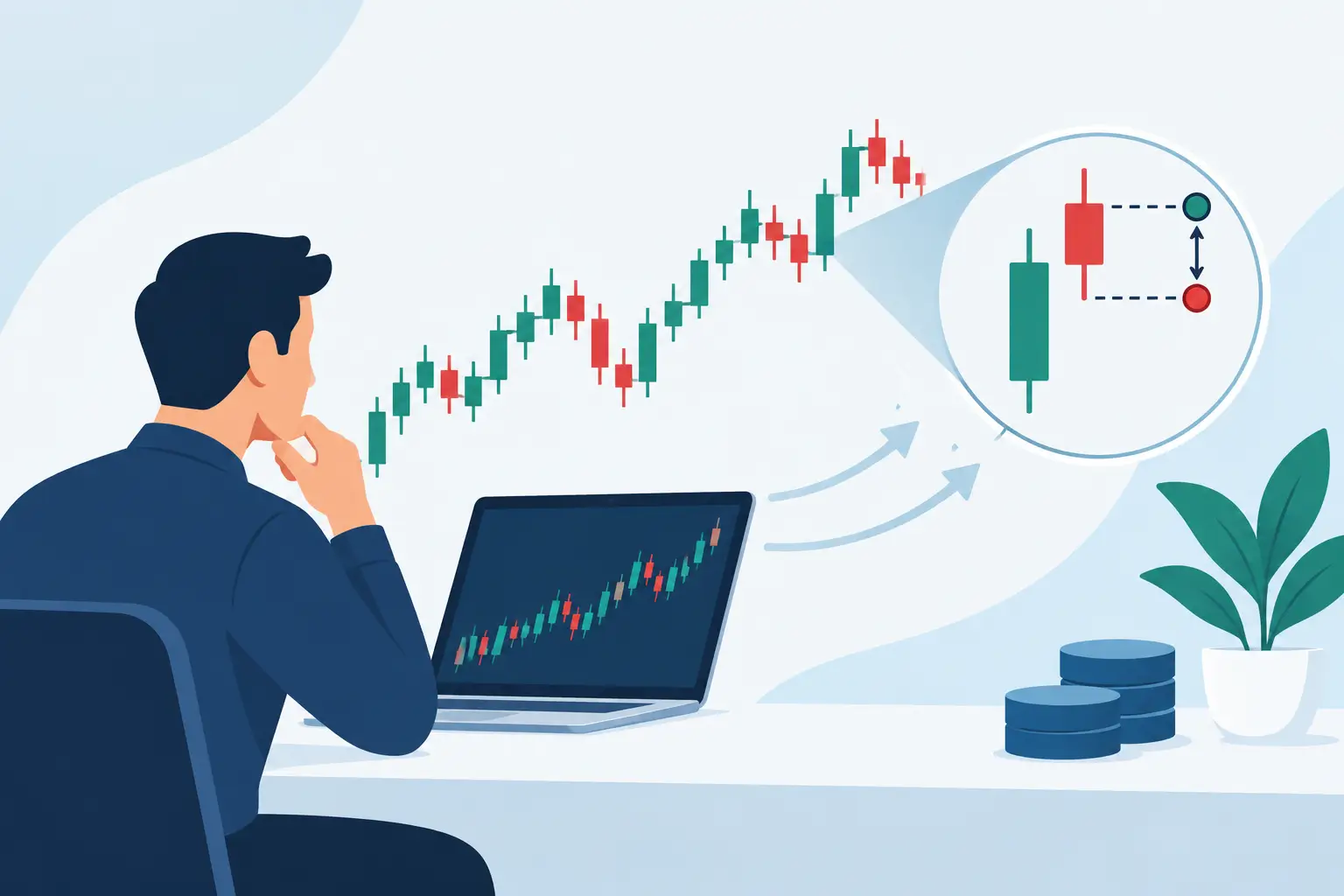
A forex quote has two prices: the bid and the ask. The bid is the price at which you can sell the pair. The ask is the price at which you can buy it. The difference between them is the spread, which is one of the costs of entering and exiting a trade.
For example, if EUR/USD shows a bid of 1.08498 and an ask of 1.08502, the spread is 0.00004, or 0.4 pips. A pip is a standard unit used to describe small price movements in forex. For most currency pairs, one pip is the fourth decimal place. For pairs involving the Japanese yen, it is usually the second decimal place.
The market must generally move enough in your favor to cover the spread before the position shows a profit. Spreads can change with market conditions, especially around major news releases or less liquid trading hours.
3. Decide whether to buy or sell
Before placing an order, develop a clear trade idea. A trader may buy a pair because inflation data supports higher interest rates in the base currency, because a technical chart pattern points higher, or because price has broken above a key resistance level. A sell decision may be based on the opposite view.
A trade idea should answer three questions: What is expected to happen? What would prove the idea wrong? How much is acceptable to risk if it is wrong?
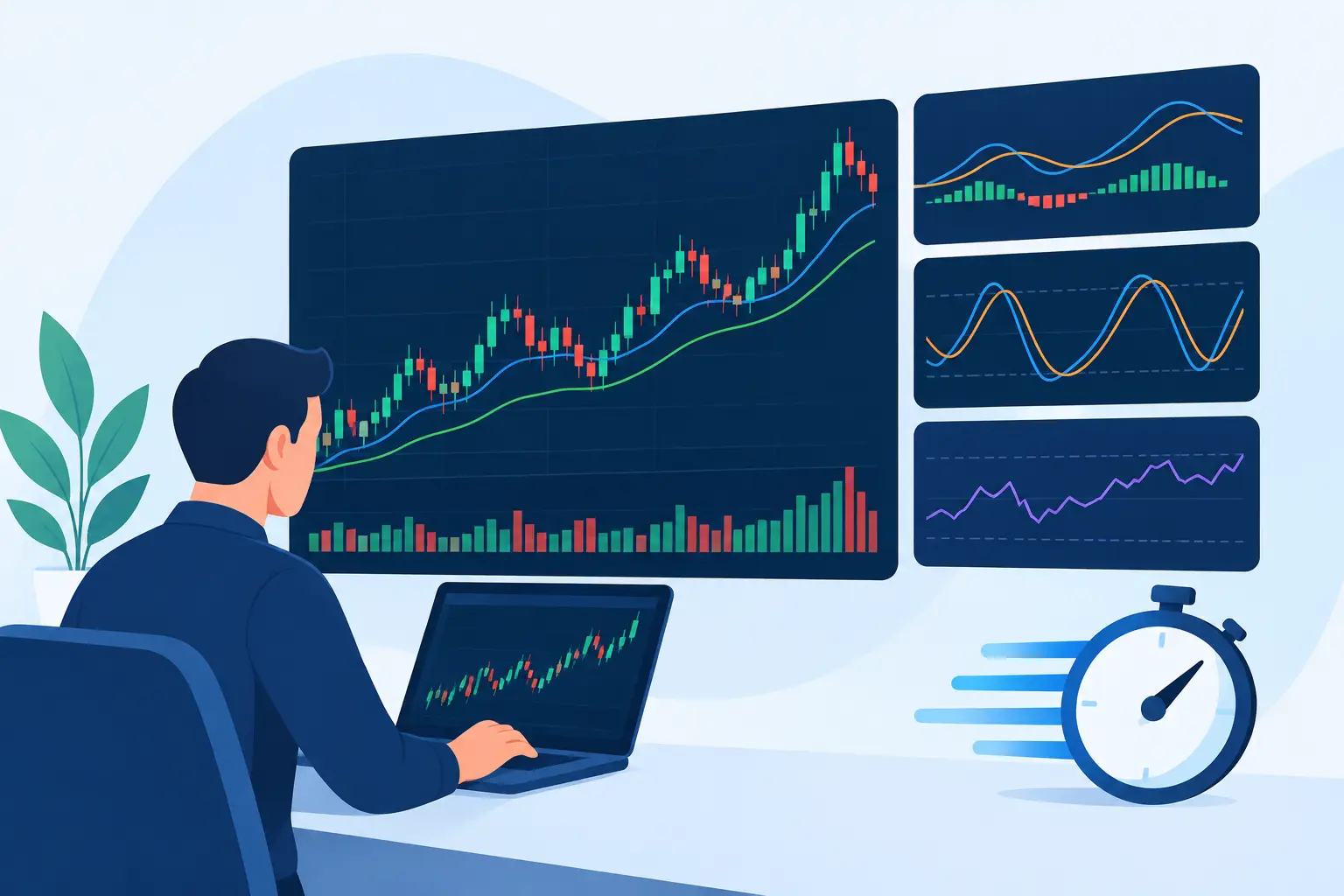
This is where analysis meets discipline. Technical analysis focuses on price action, chart patterns, trend direction, and indicators. Fundamental analysis considers economic releases, central bank policy, employment data, inflation, and geopolitical developments. Neither approach guarantees an outcome. Many traders use both, with technical analysis helping time an entry and fundamentals providing market context.
4. Choose your position size
Position size determines how much a price movement affects your account. Forex is commonly measured in lots. A standard lot represents 100,000 units of the base currency, while a mini lot represents 10,000 units and a micro lot represents 1,000 units.
The right size depends on your account balance, stop-loss distance, and risk limit – not on how confident you feel about a trade. A smaller position allows more room for normal market movement. A larger position can produce profits faster, but it can also turn a modest move into a significant loss.
For a practical framework, many traders decide in advance to risk only a small percentage of their account on a single trade. If your stop-loss is farther away, reduce the position size. If the stop is closer, the size may increase, but only within your risk parameters.
5. Understand leverage and margin before using them
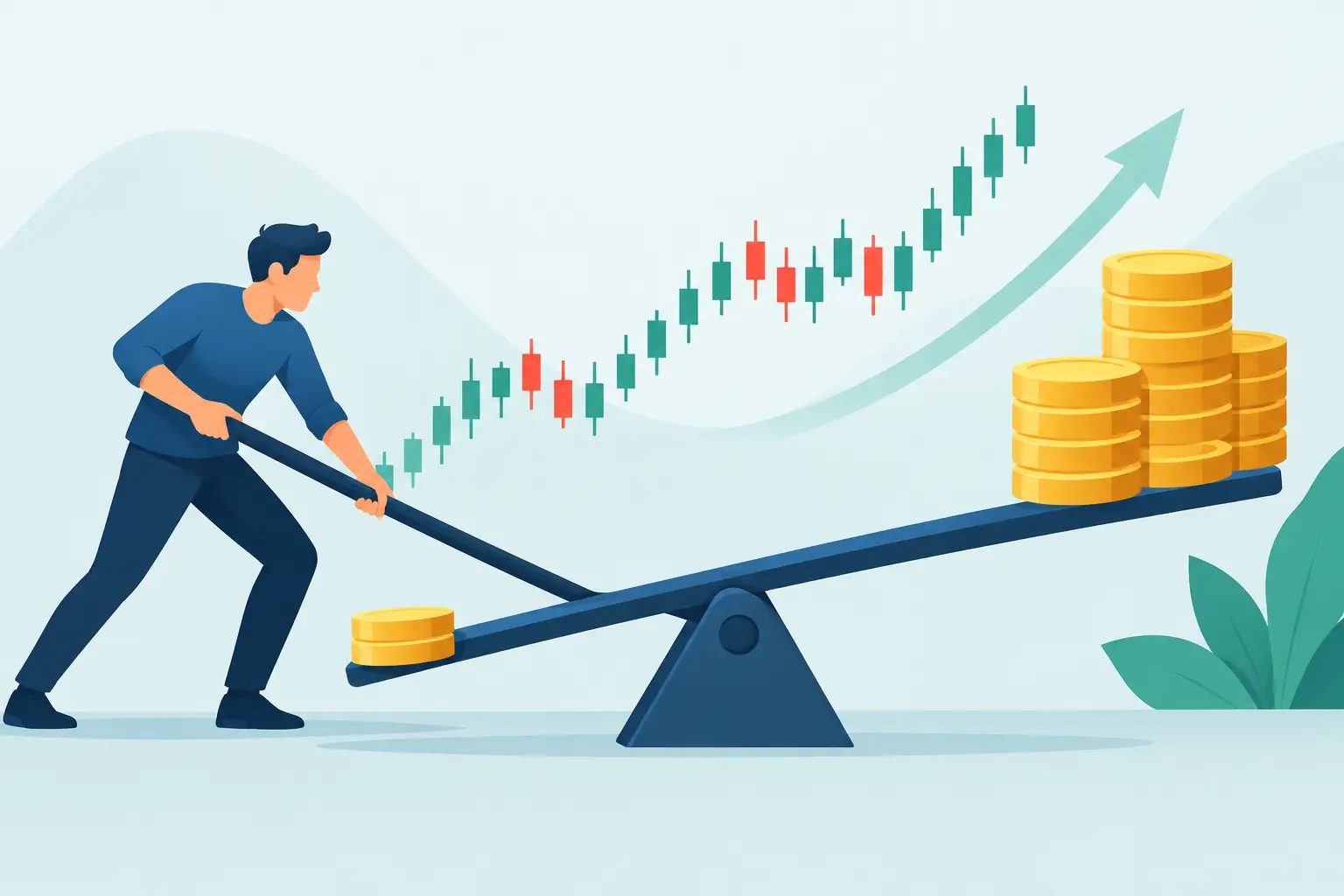
Alavancagem lets traders control a larger market position with a smaller amount of capital. Margin is the amount set aside from your account to support that leveraged position. These features can make forex more capital-efficient, but they do not reduce risk.
Suppose you open a $10,000 position with $500 in required margin. You have exposure to the full $10,000 movement, not merely the $500 committed. A 1% move against the position would represent a $100 loss before costs. Larger positions, volatile markets, and insufficient available margin can accelerate losses.
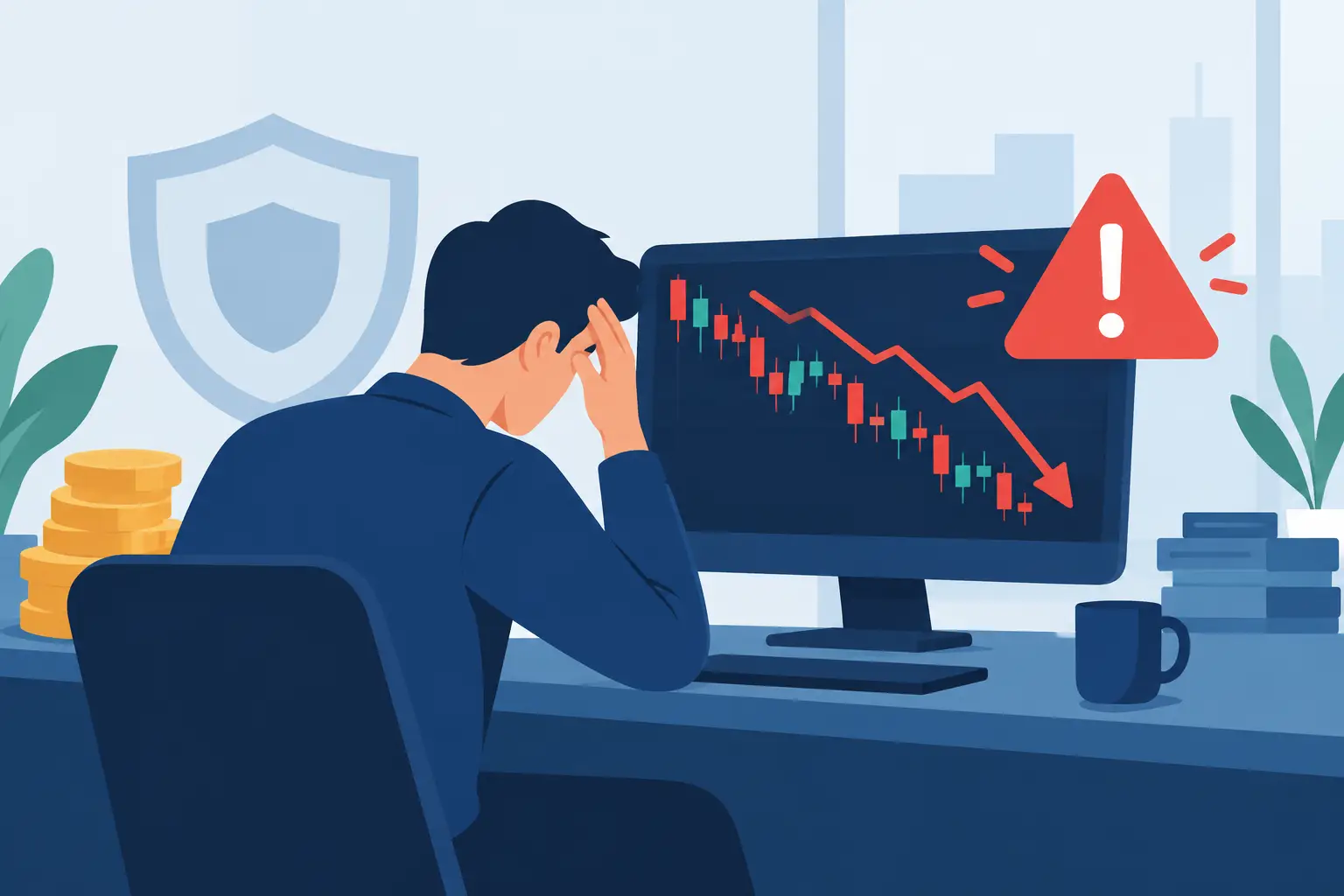
This is the trade-off at the center of leveraged trading: leverage increases flexibility, but it also increases the speed at which gains and losses can develop. Use it as a position-management tool, not as a reason to take oversized risk.
6. Place the order on your trading platform
Once you have selected a pair, direction, and position size, you can place an order through a platform such as MT4, MT5, or cTrader. Market orders execute at the best available price at that moment. In fast conditions, the final execution price can differ slightly from the price displayed when you clicked buy or sell.
Pending orders give you more control over when a trade activates. A buy limit seeks to enter below the current market price, while a sell limit seeks to enter above it. A buy stop activates if price rises to a chosen level, and a sell stop activates if price falls to a selected level.
Pending orders can be useful when you have identified a price level in advance but do not want to watch the chart continuously. They are not guaranteed to eliminate execution risk during sharp market moves, but they can bring consistency to a plan.
7. Set a stop-loss and target before emotion takes over
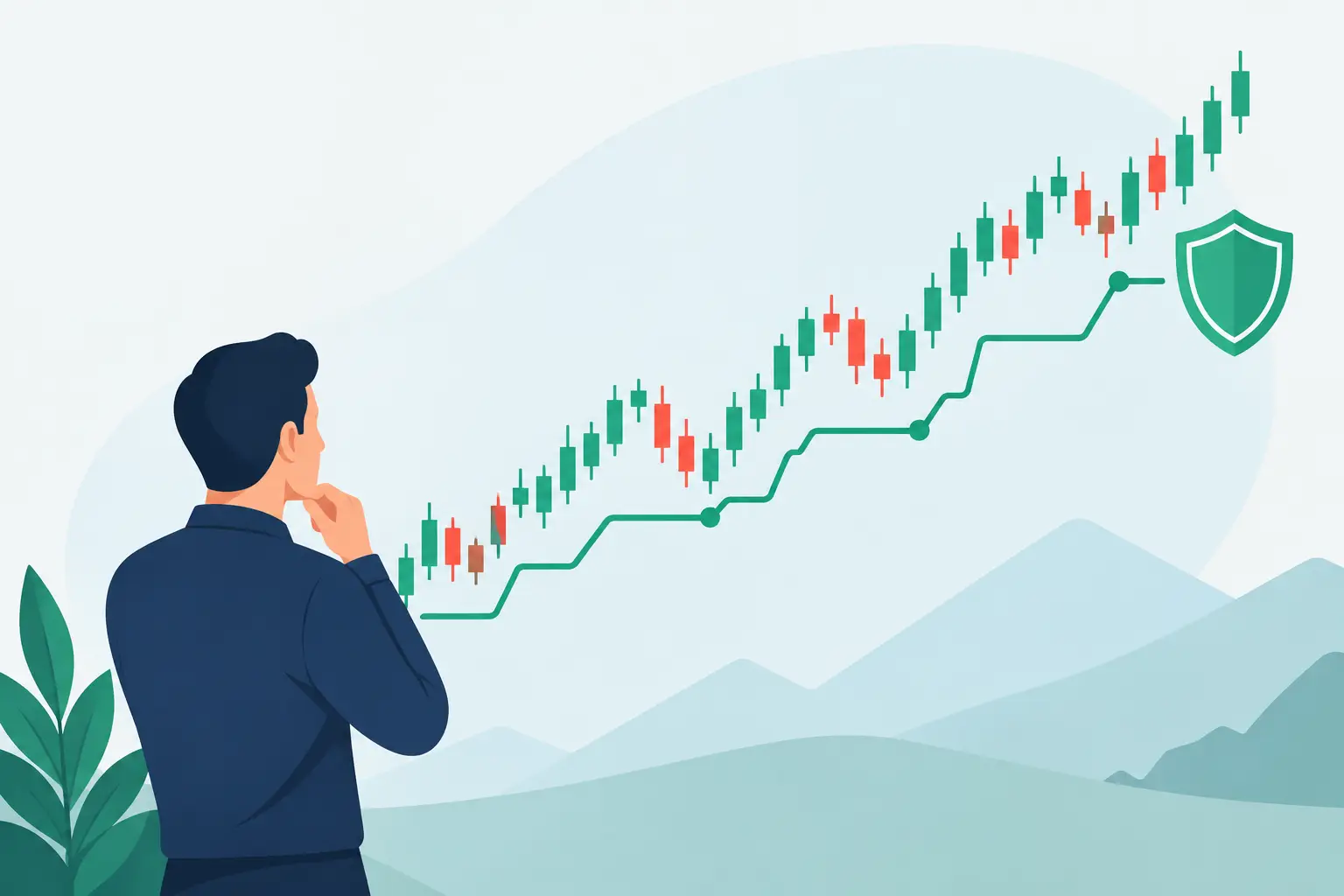
A stop-loss is an order designed to close a trade if price reaches a specified unfavorable level. It helps define risk before the market has a chance to challenge your conviction. A take-profit order works in the other direction, closing the trade when a selected profit target is reached.
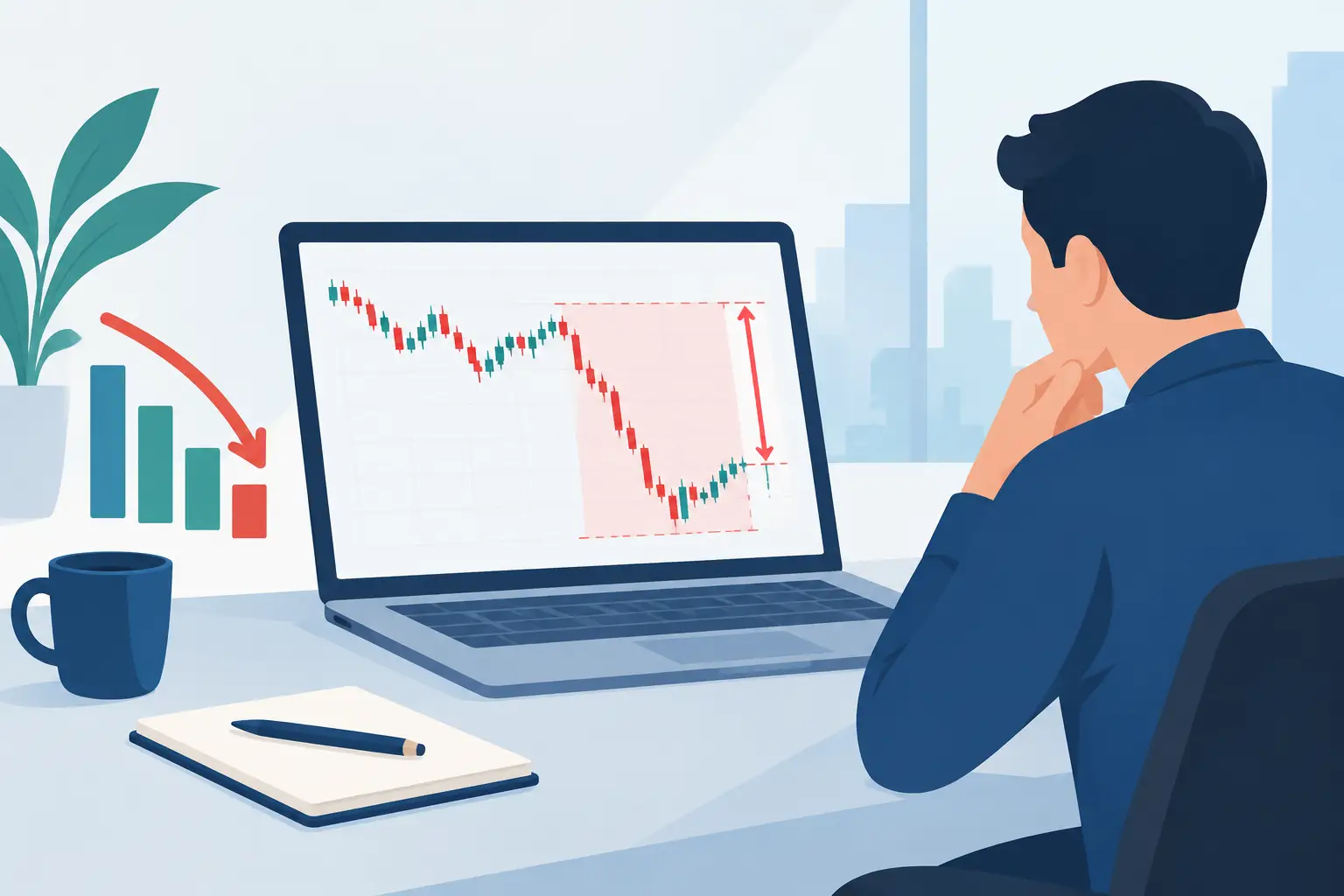
No stop-loss can promise an exact exit price in every market environment. Price gaps and rapid volatility can lead to slippage, meaning execution occurs at the next available price. Even so, using a stop-loss is generally more disciplined than allowing a losing position to remain open without a defined exit plan.
Your target should be realistic relative to market conditions and the distance to your stop. A trader risking 20 pips to pursue 10 pips needs a higher win rate than one risking 20 pips to pursue 40 pips. There is no universally correct ratio, but the relationship between risk, reward, and win rate matters over a series of trades.
What Happens After You Open a Forex Trade?
Once your position is live, its profit or loss changes as the bid and ask prices move. If you bought EUR/USD, your position is valued against the price at which it can be sold – the bid. If you sold it, it is valued against the price at which it can be bought back – the ask.
You may also see swap or financing charges when holding certain positions overnight. These charges depend on the currencies involved, interest-rate conditions, account terms, and whether you are long or short. For short-term traders, spreads and commissions may be more central. For traders holding positions for days or weeks, overnight financing can materially affect results.
Keep an eye on available margin, especially if you have multiple open positions. Correlated trades can create more exposure than they appear to. Buying EUR/USD and GBP/USD, for example, may both reflect a broadly bearish view of the U.S. dollar. They are separate trades, but they may respond similarly to the same market event.
Closing the Position and Reviewing the Trade
A trade closes when your stop-loss or take-profit is triggered, when a pending order expires or is canceled, or when you manually exit at the prevailing market price. The final result reflects the price movement, spread, any commission, and applicable overnight financing.
The review matters as much as the outcome. Record why you entered, where you placed the stop, how much you risked, and whether you followed the plan. A profitable trade can still be poorly executed if it relied on excessive risk. A losing trade can still be well managed if the loss stayed within the limit you set.
Start with a demo environment if you need to become comfortable with quotes, order tickets, lot sizes, and platform controls. When you are ready to trade live, begin with a size that lets you think clearly rather than react emotionally. Platforms such as those available through Monaxa can provide market access and execution tools, but your process – position sizing, risk limits, and consistency – is what turns access into a more controlled trading experience.
Forex rewards preparation more reliably than impulse. Build each trade around a defined idea, a measured amount of risk, and a clear exit plan, then give yourself enough time to learn from the result.