 English
 Portuguese
 Bahasa
Melayu
Bahasa
Melayu ไทย
ไทย 中文
中文 Tiếng Việt
 Español
 हिन्दी
 日本語
日本語 العربية
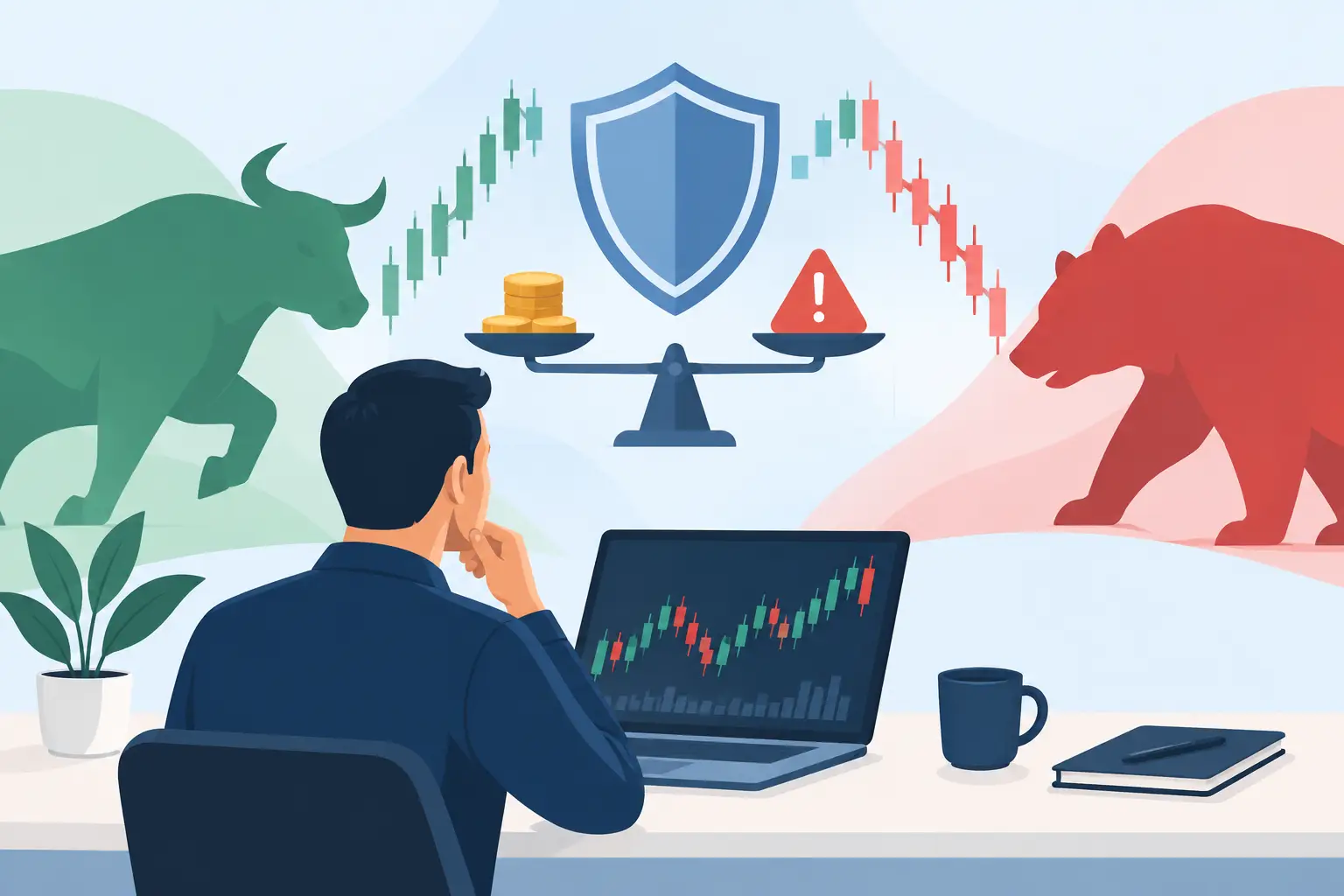
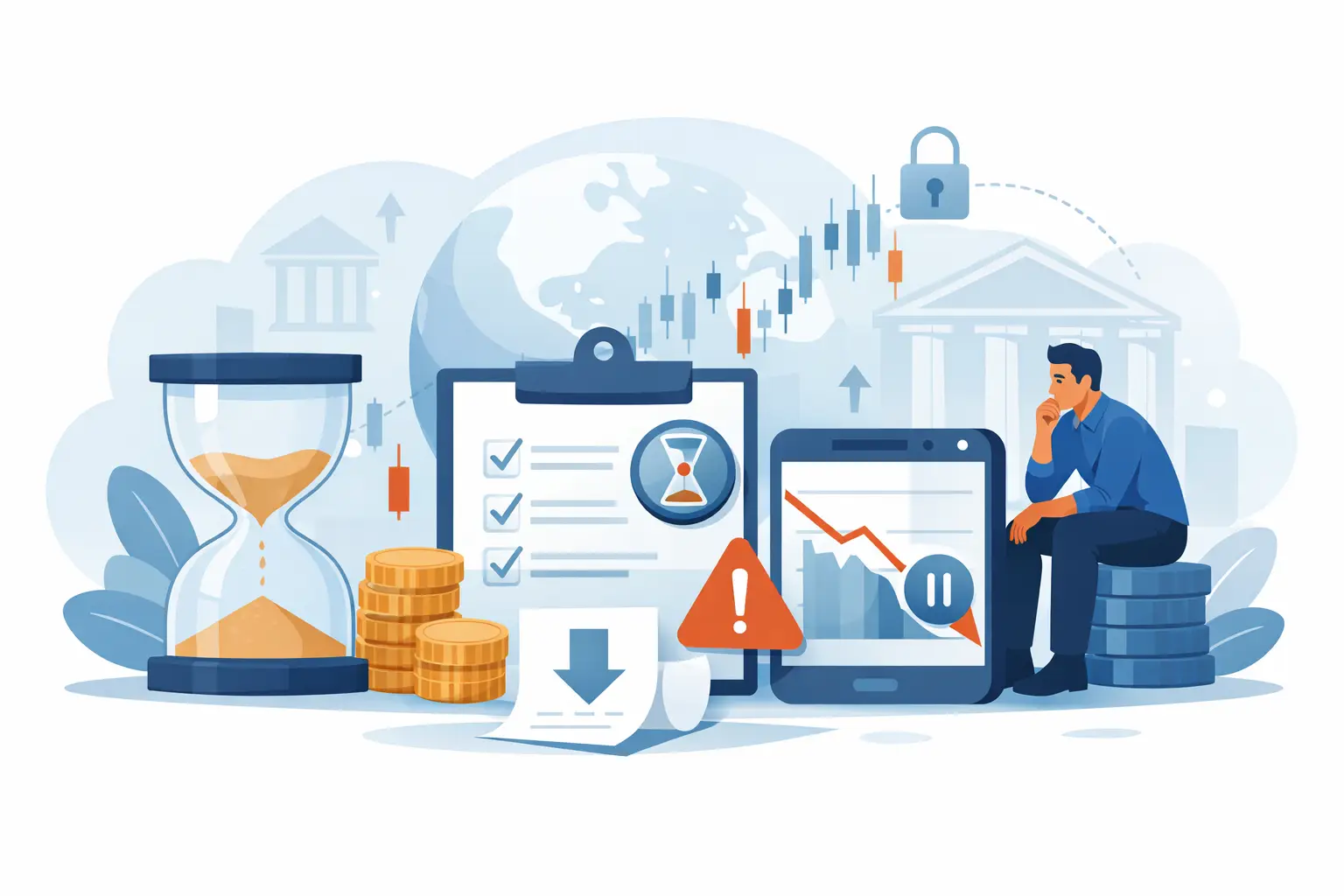
A trade can be technically correct and still become a costly decision once emotion takes control. That is why trading psychology for beginners deserves as much attention as charts, indicators, and market news. The market does not require you to feel confident. It requires you to make decisions that match your plan, your available capital, and your risk tolerance.
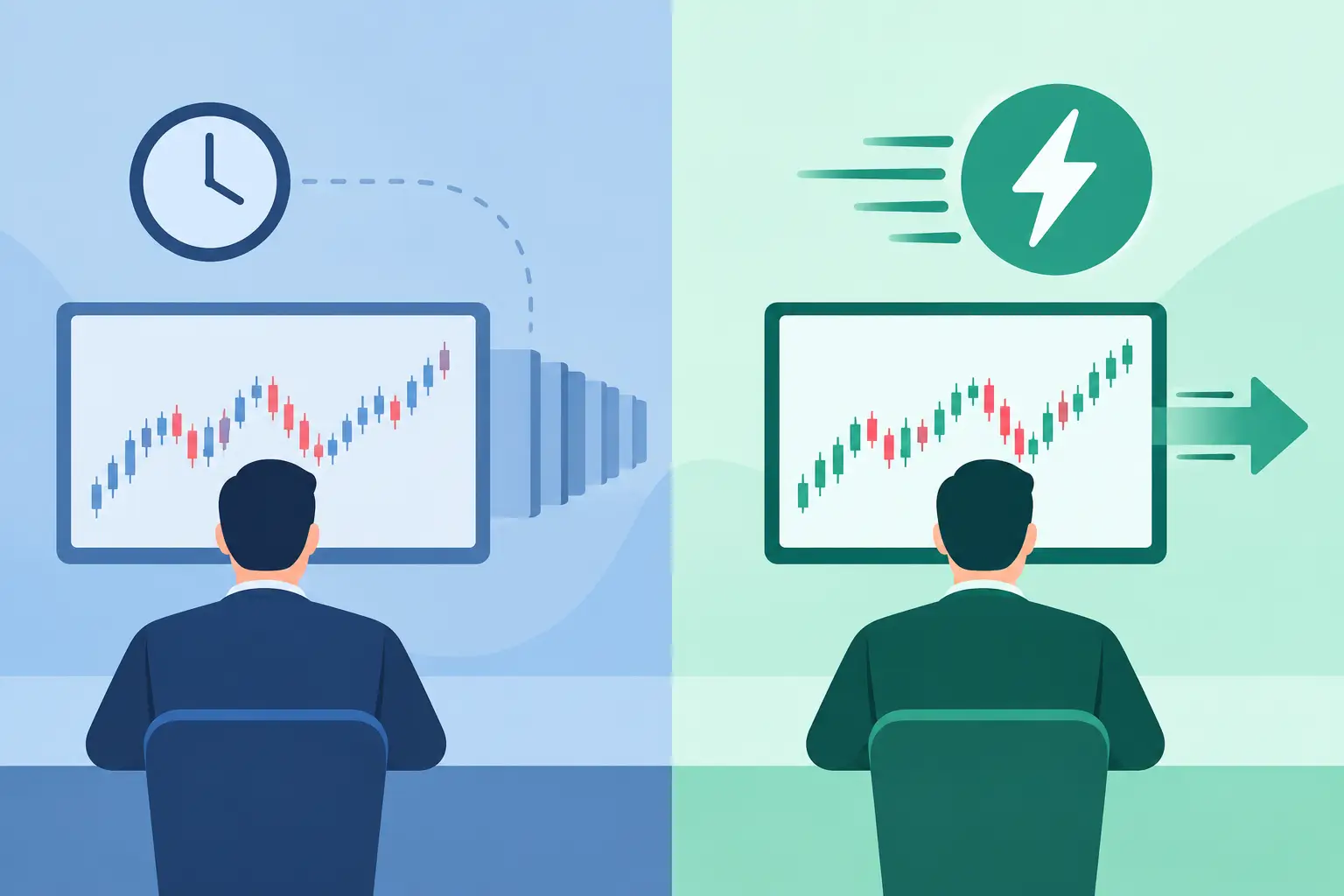
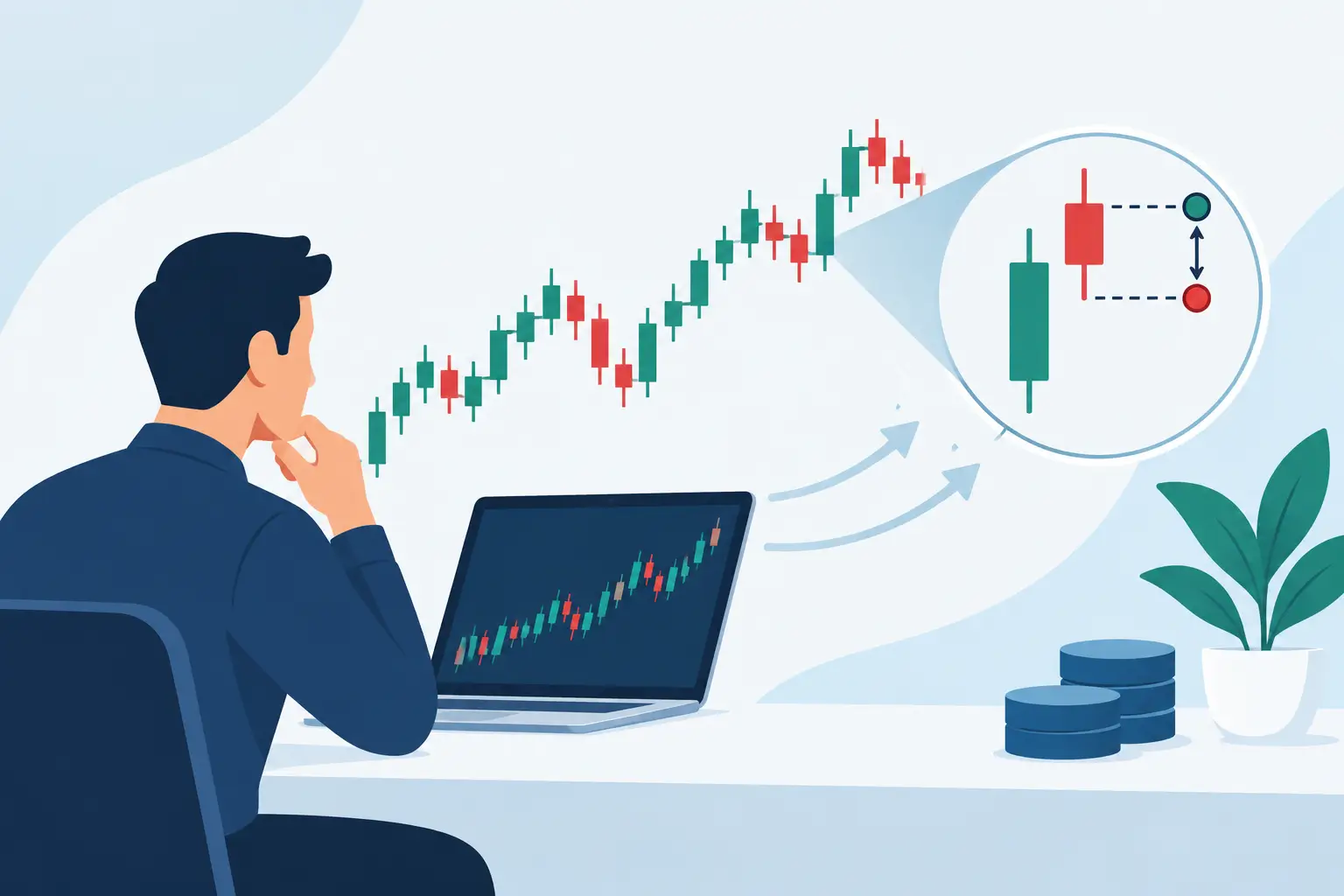
For new forex and CFD traders, emotions can move faster than price. A small unrealized loss may feel urgent. A winning position may create the temptation to add size without a reason. A fast market can make sitting out feel like missing an opportunity. Building psychological control is not about removing emotion. It is about creating a process that prevents emotion from deciding your next action.
Why Trading Psychology Matters From Your First Trade
Trading is a sequence of uncertain outcomes. Even a well-researched setup can lose, while a poor trade can occasionally make money. Beginners often confuse the result of one trade with the quality of the decision behind it. That is where damaging habits begin.
If a trade wins, a trader may believe they have found a reliable strategy and increase position size too quickly. If it loses, they may abandon a valid process, close too early, or immediately try to win the money back. Neither response is based on a measured assessment of the market.
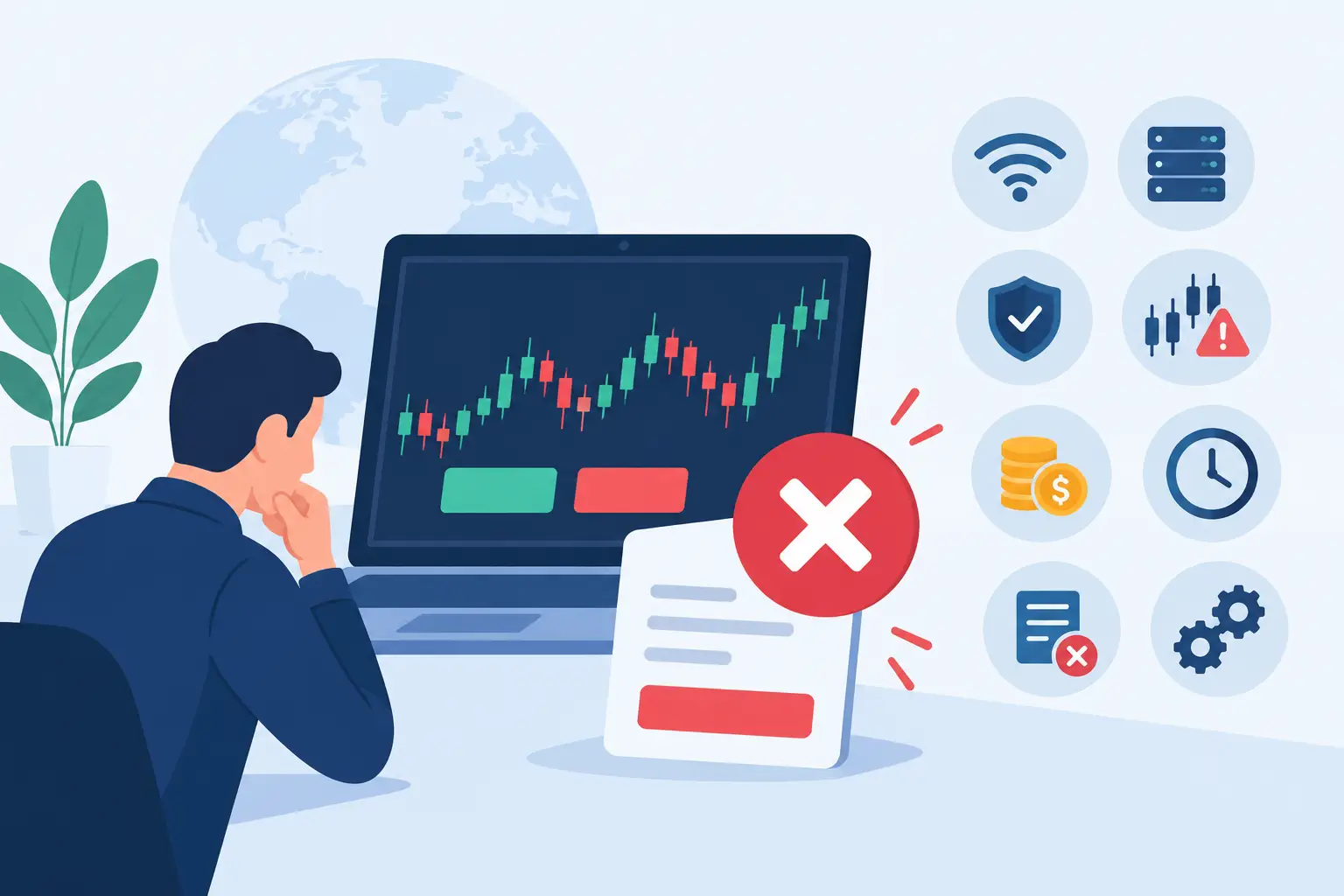
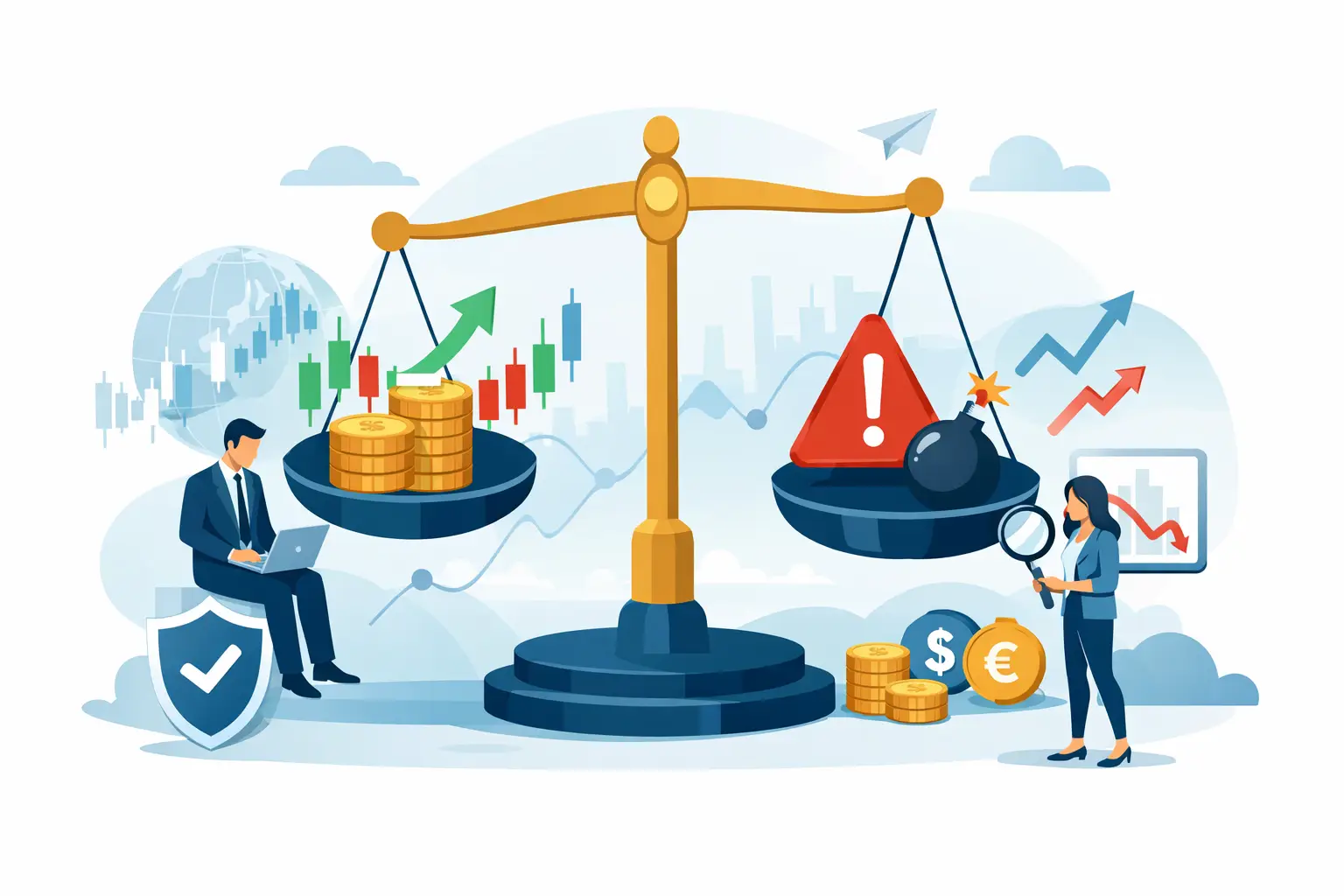
Leveraged products can intensify this pressure. Leverage can increase exposure with a smaller initial outlay, but it also magnifies losses. Before entering a position, know how much you could lose if your stop-loss is reached and whether that amount fits your trading plan. Emotional discipline starts with risk that you can realistically accept.
The Four Emotions That Disrupt New Traders
Fear Makes You Exit Before the Trade Has Time to Work
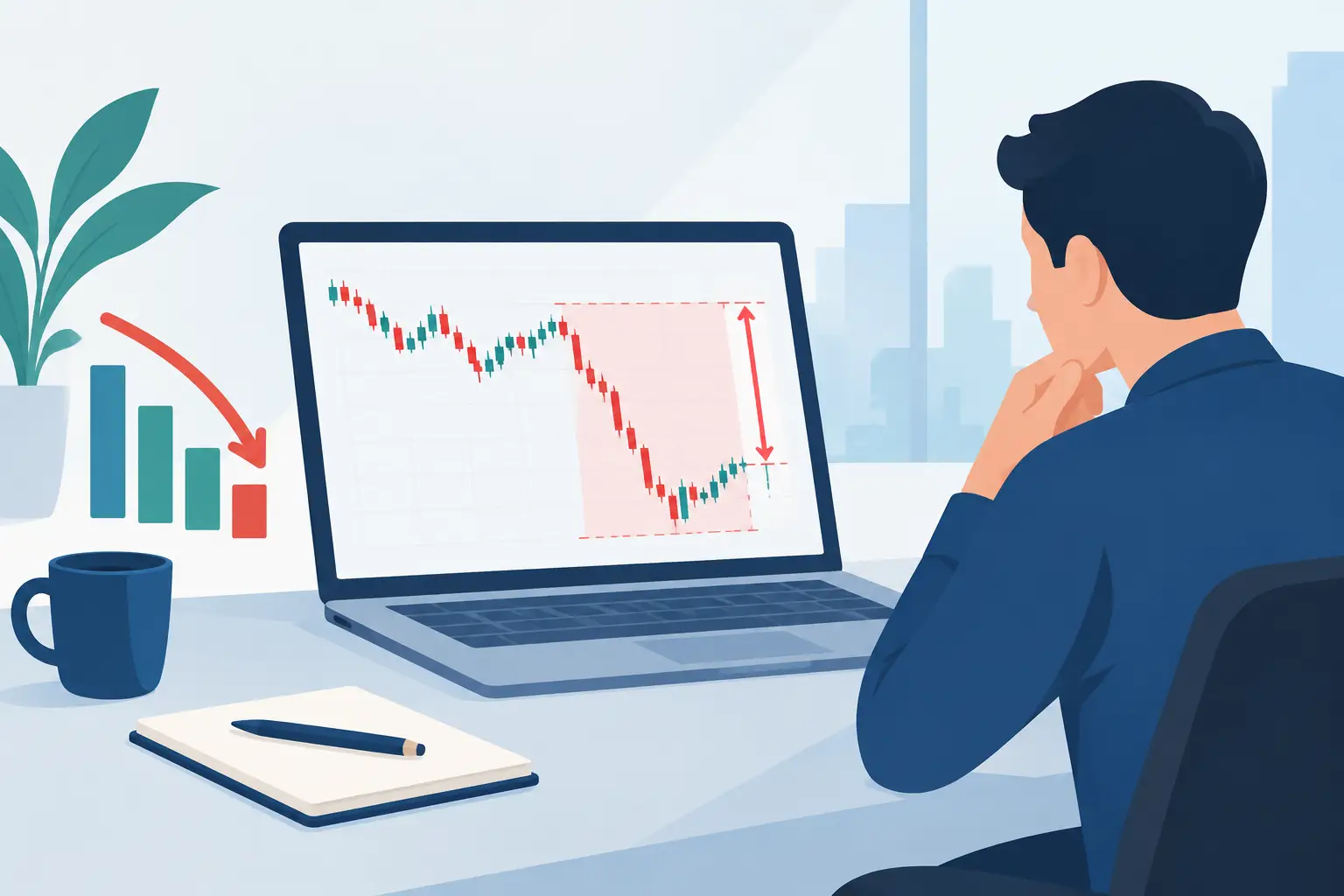
Fear often appears after entering a position. Price pulls back slightly, the profit-and-loss figure turns red, and the urge to close becomes powerful. Sometimes closing is correct because market conditions have changed. More often, though, the trader is reacting to normal price movement that was already possible when the trade was placed.
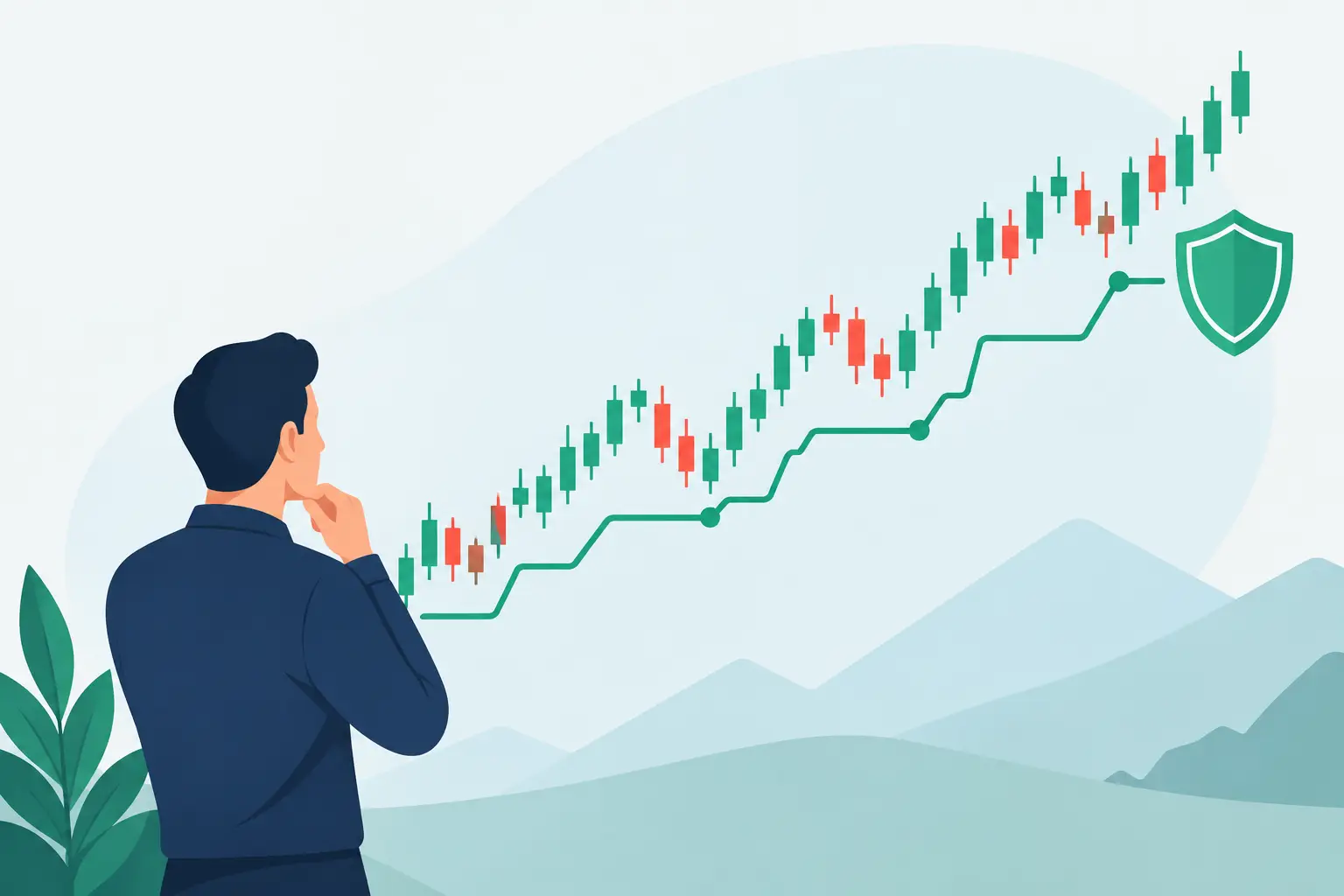
A predefined stop-loss and target can reduce this uncertainty. They do not guarantee a good outcome, but they establish the decision points before stress enters the picture. If your plan says a trade is valid until a specific level is reached, changing that plan because of a minor fluctuation needs a clear, market-based reason.
Greed Turns a Good Trade Into an Unplanned Bet
Greed does not only mean wanting a large profit. It can look like moving a target farther away without analysis, refusing to take partial profits when that was the plan, or opening another trade simply because the first one worked.
A trader who has a profitable position may begin to feel that the market is predictable. It is not. Strong moves can reverse quickly, particularly around economic releases or periods of lower liquidity. Let your planned exit strategy, rather than the excitement of an open profit, determine how you manage the position.
Hope Keeps Losing Trades Open Too Long
Hope becomes dangerous when it replaces a reasoned trade thesis. A beginner may hold a losing trade because they want price to return to entry, even though the original setup has failed. The entry price has no special meaning to the market.
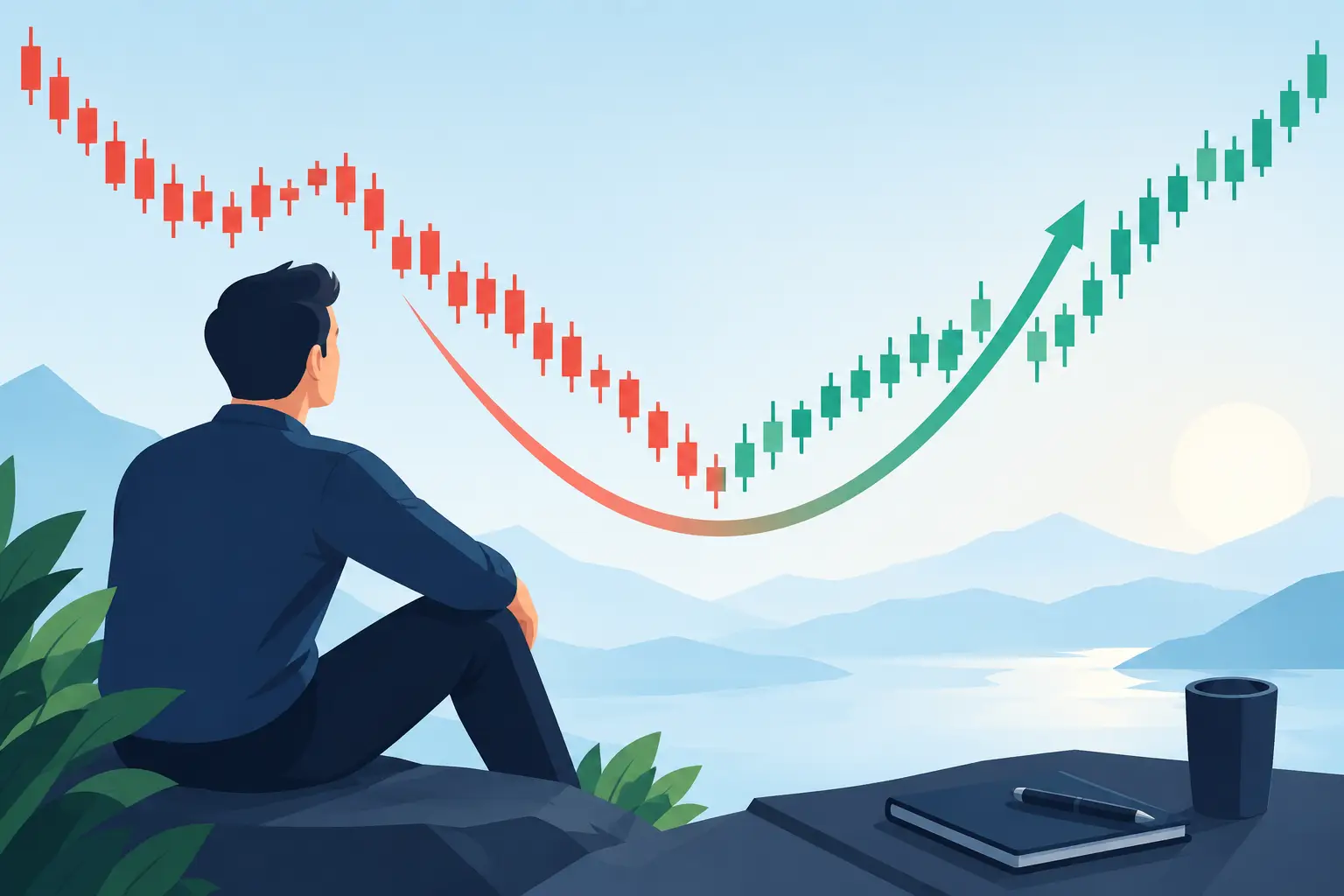
A stop-loss is not an admission of failure. It is a tool for defining risk. Taking a planned loss protects capital and preserves your ability to participate in future opportunities. Holding an invalid trade indefinitely can turn a manageable loss into a much larger one.
Frustration Leads to Revenge Trading
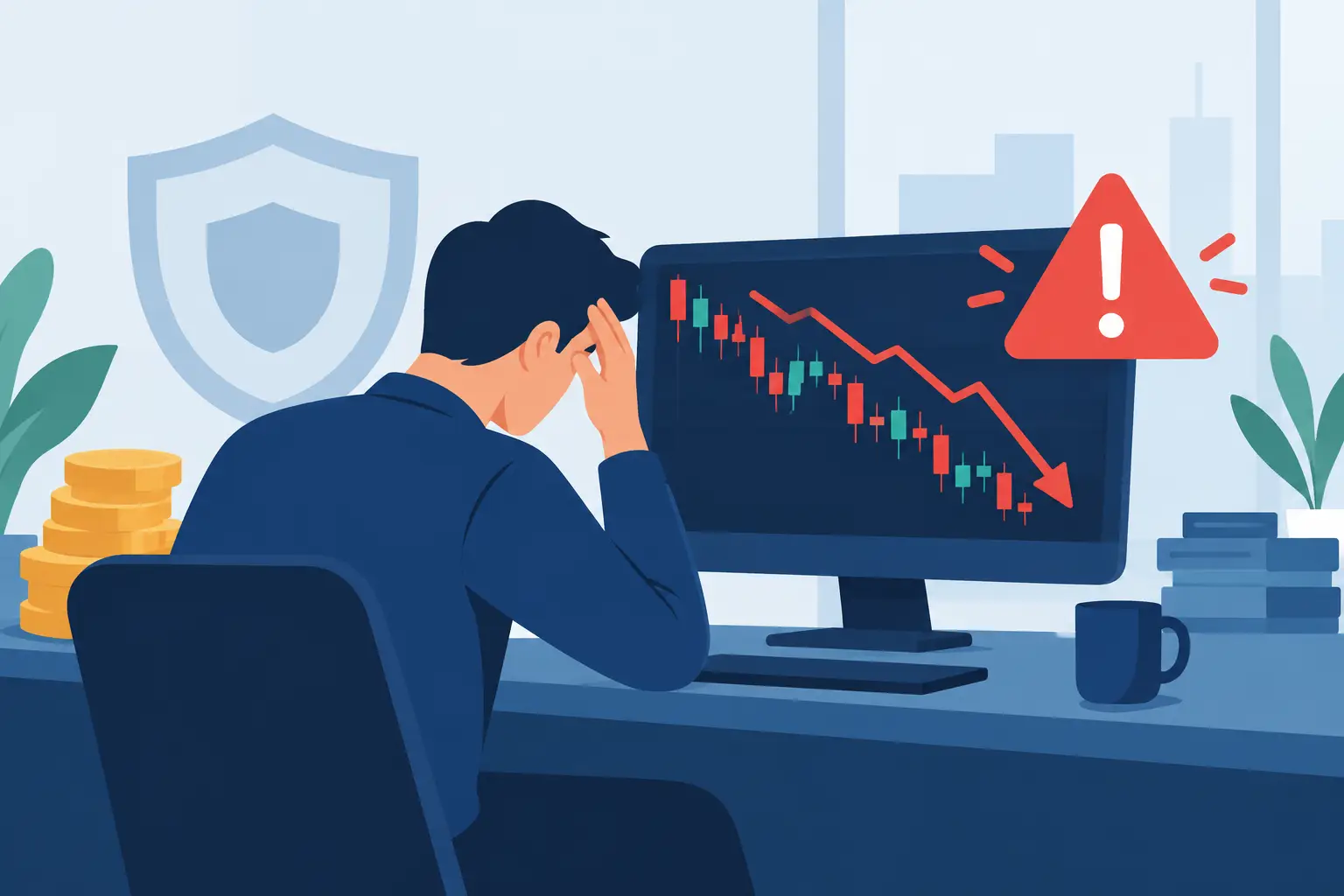
Revenge trading is the attempt to recover a loss immediately through another position, usually with less analysis and more risk. It can happen after one losing trade or after a streak of losses. The trader feels pressure to prove that the market was wrong.
The market is not making a personal judgment. A loss is data. If you notice anger, urgency, or a desire to enter immediately after closing a trade, step away from the platform. A short break can be more valuable than another chart pattern.
Build a Trading Process That Reduces Emotional Decisions
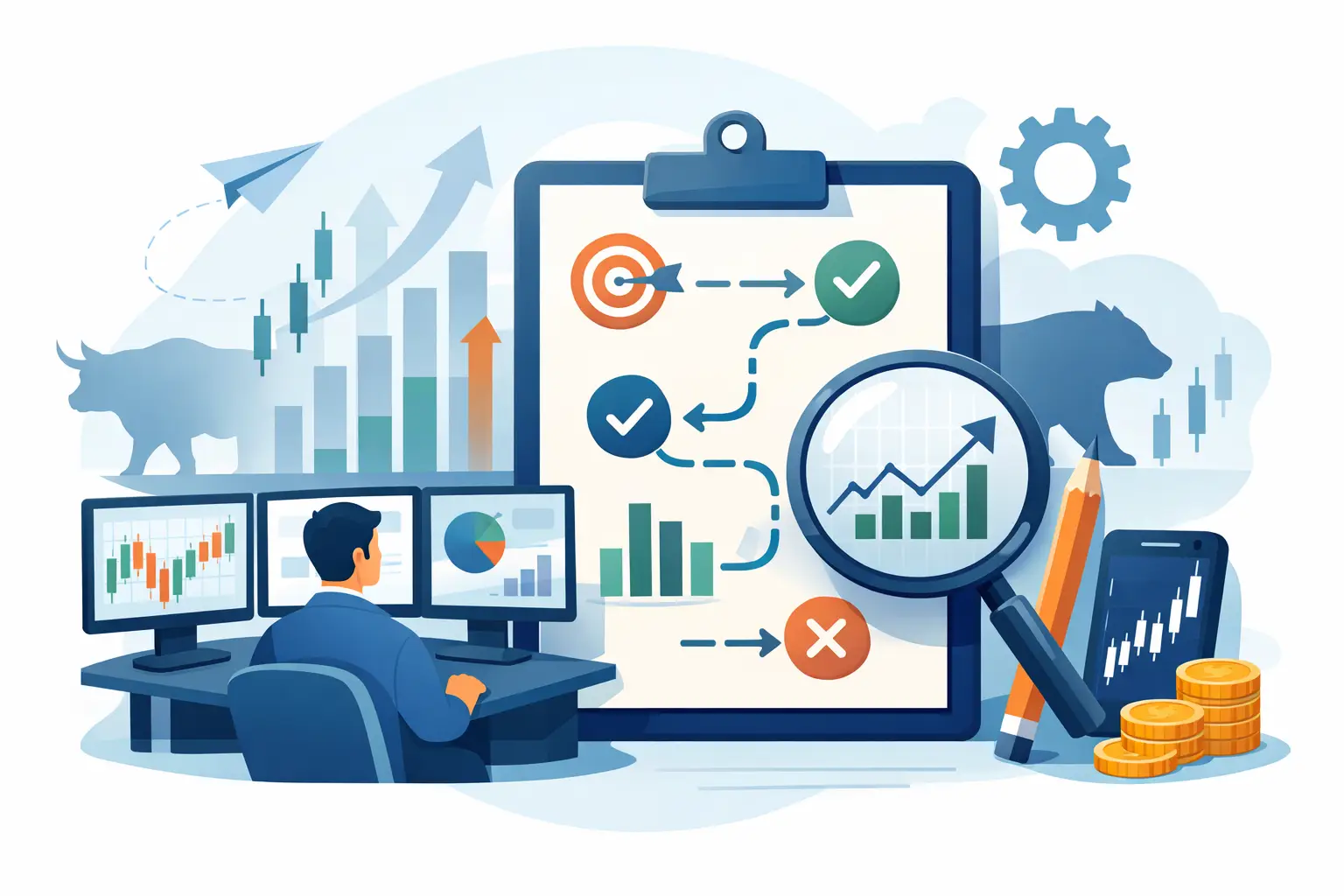
Psychology improves when your process is simple enough to follow under pressure. You do not need an elaborate system to begin. You need clear rules that answer the questions you will otherwise try to answer emotionally in the moment.
Before the trading session, decide which markets you will watch, which timeframes support your approach, and what conditions make a trade worth taking. Identify the entry trigger, the point where the idea is invalidated, and the planned exit. If you cannot explain these points before you trade, you are likely reacting rather than executing.
Set a risk limit per trade that is small enough to keep one outcome from changing your behavior. The exact amount depends on your account size, strategy, experience, and financial situation. Many traders use a fixed percentage or fixed dollar limit, but the crucial factor is consistency. Do not increase risk just because you feel certain about a setup.
Also set a daily loss limit. Once that limit is reached, end the session. This rule protects you from the period when decision-making is most vulnerable: after losses have affected your confidence or patience.
Use a Trading Journal for More Than Results
A trading journal is one of the most practical tools for improving trading psychology for beginners. It turns vague feelings into observations you can review. Record the market, setup, entry, stop-loss, target, position size, and result. Then record what you were thinking when you entered and how you felt while managing the trade.
Over time, patterns become visible. You may find that you take low-quality trades after a winning streak, move stops more often when trading late in the day, or perform poorly during high-impact news events. These are not character flaws. They are operating patterns that can be adjusted.
Review your journal weekly rather than judging yourself after every trade. A sample of one does not tell you much. A sample of 20 or 50 trades can reveal whether your strategy has an edge and whether you are following it consistently.
Separate Your Identity From Your Trade Results
A losing trade does not make you a bad trader, and a winning trade does not prove you are ready to take larger risks. Treat each position as one decision within a much longer series. This perspective makes it easier to take a planned loss, avoid overconfidence, and keep your attention on execution.
It also helps to avoid measuring progress only by account balance. Good progress can mean following your risk rules for a full week, reducing impulsive entries, or documenting every trade accurately. Those behaviors are within your control. Short-term price movement is not.
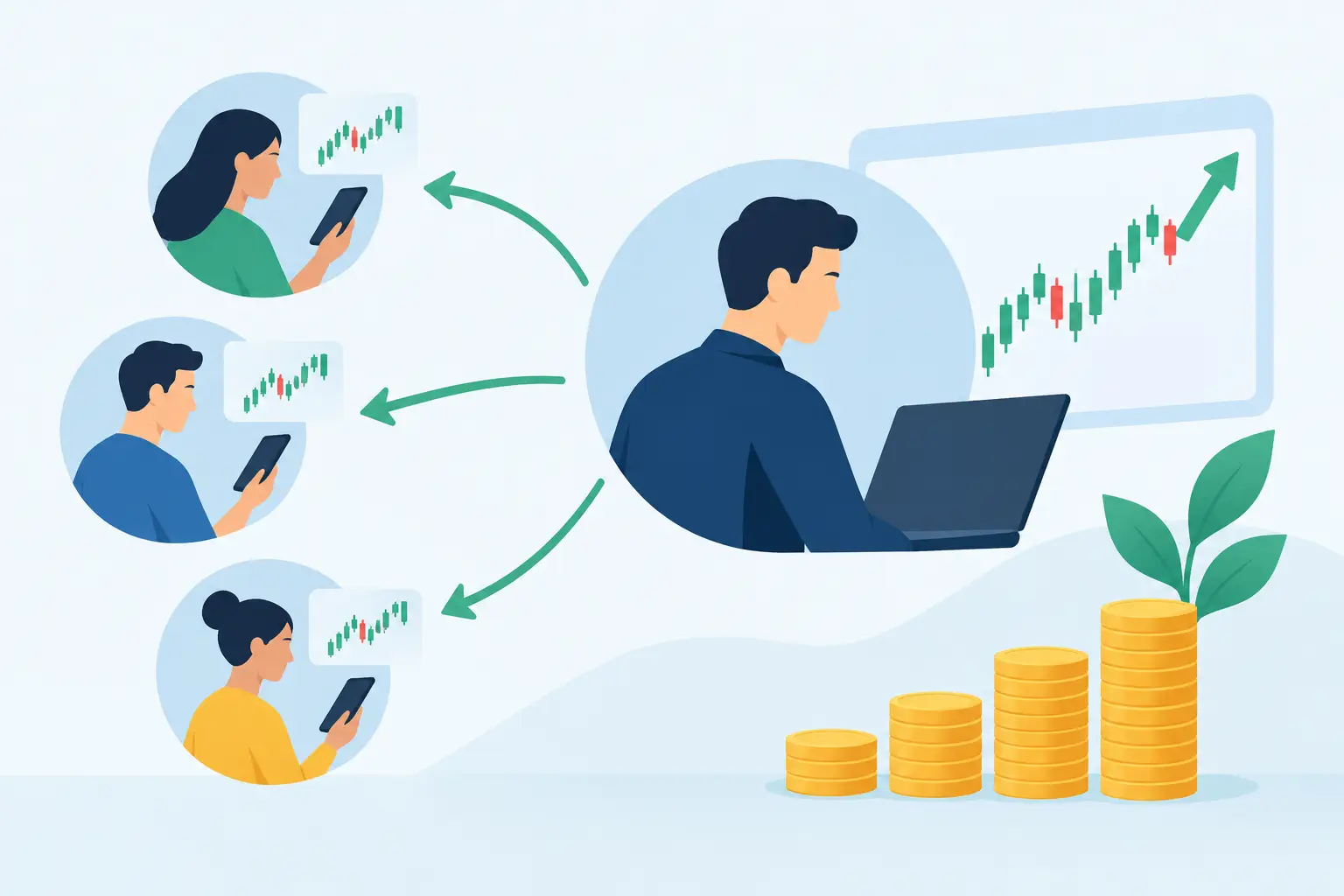
Social trading, market commentary, and online trading communities can be useful sources of ideas, but they can also create pressure to copy someone else’s risk appetite. A position that suits another trader’s account, timeframe, or strategy may not suit yours. Consider outside analysis as information, not an instruction.
Create a Routine Before, During, and After Trading
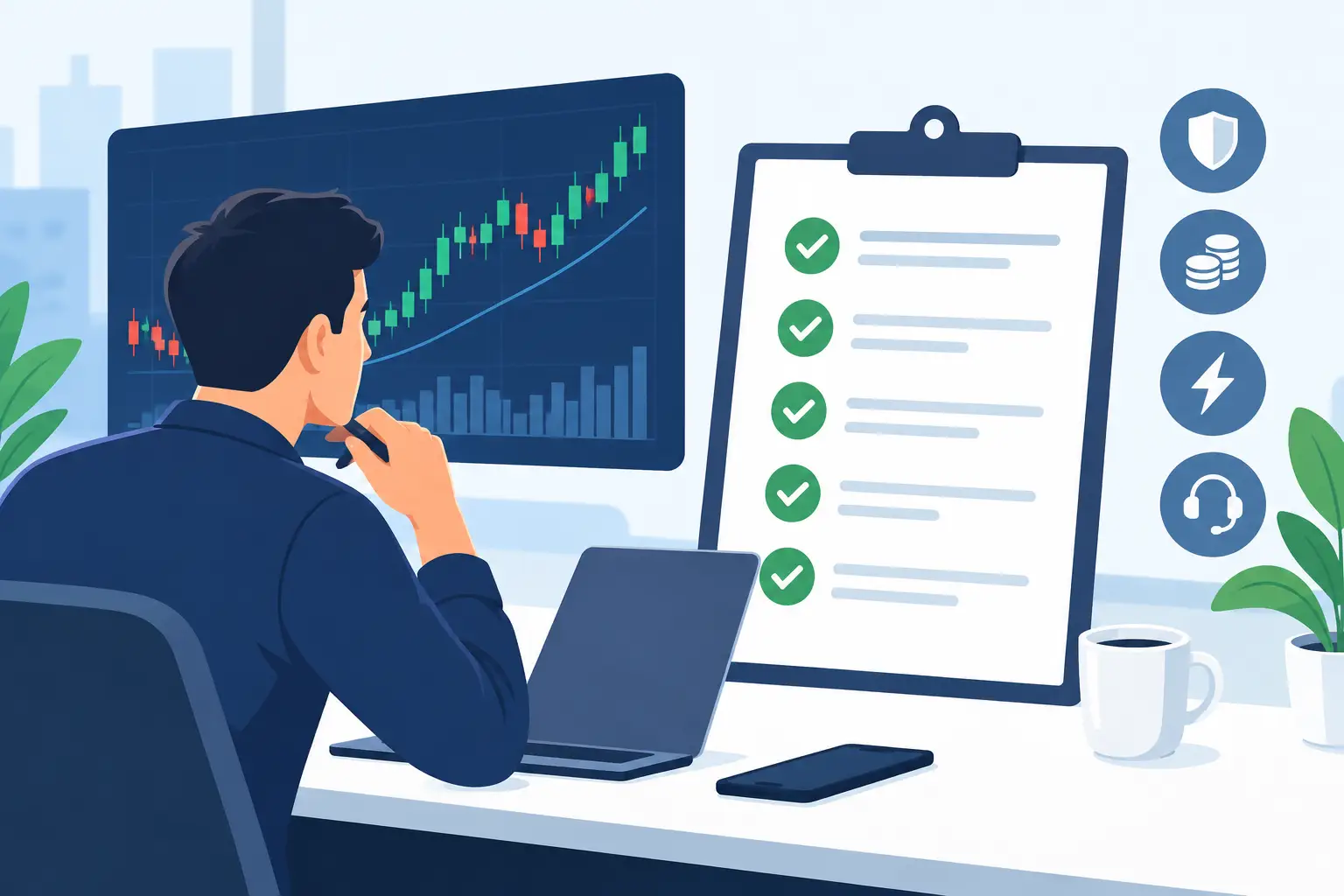
A reliable routine gives you a pause between emotion and action. Before trading, check scheduled events, review your key price levels, and confirm your maximum risk. During trading, focus on the setups you planned to take instead of scanning every market for action. After trading, document the result and close the session when your rules tell you to stop.
This approach may feel less exciting than chasing every move, but consistency is more valuable than constant activity. There will always be another market session and another potential setup. Capital and emotional control are the resources that allow you to be present for them.
Professional platforms can support better habits when used deliberately. Features such as stop-loss orders, take-profit levels, alerts, and trade history help create structure around your decisions. Whether you trade independently or explore tools such as copy trading, use risk controls that reflect your own limits rather than relying on momentum or someone else’s conviction.
Monaxa gives traders access to global markets and widely used trading platforms, but the quality of each decision still comes back to preparation, position sizing, and discipline. Technology can make market access faster. It cannot make an impulsive trade more thoughtful.
The most useful question to ask before placing any trade is not, “How much could I make?” Ask, “If this trade loses, will I still be comfortable with the decision because I followed my rules?” When the answer is yes, you are building the mindset that can support long-term participation.