 English
 Portuguese
 Bahasa
Melayu
Bahasa
Melayu ไทย
ไทย 中文
中文 Tiếng Việt
 Español
 हिन्दी
 日本語
日本語 العربية
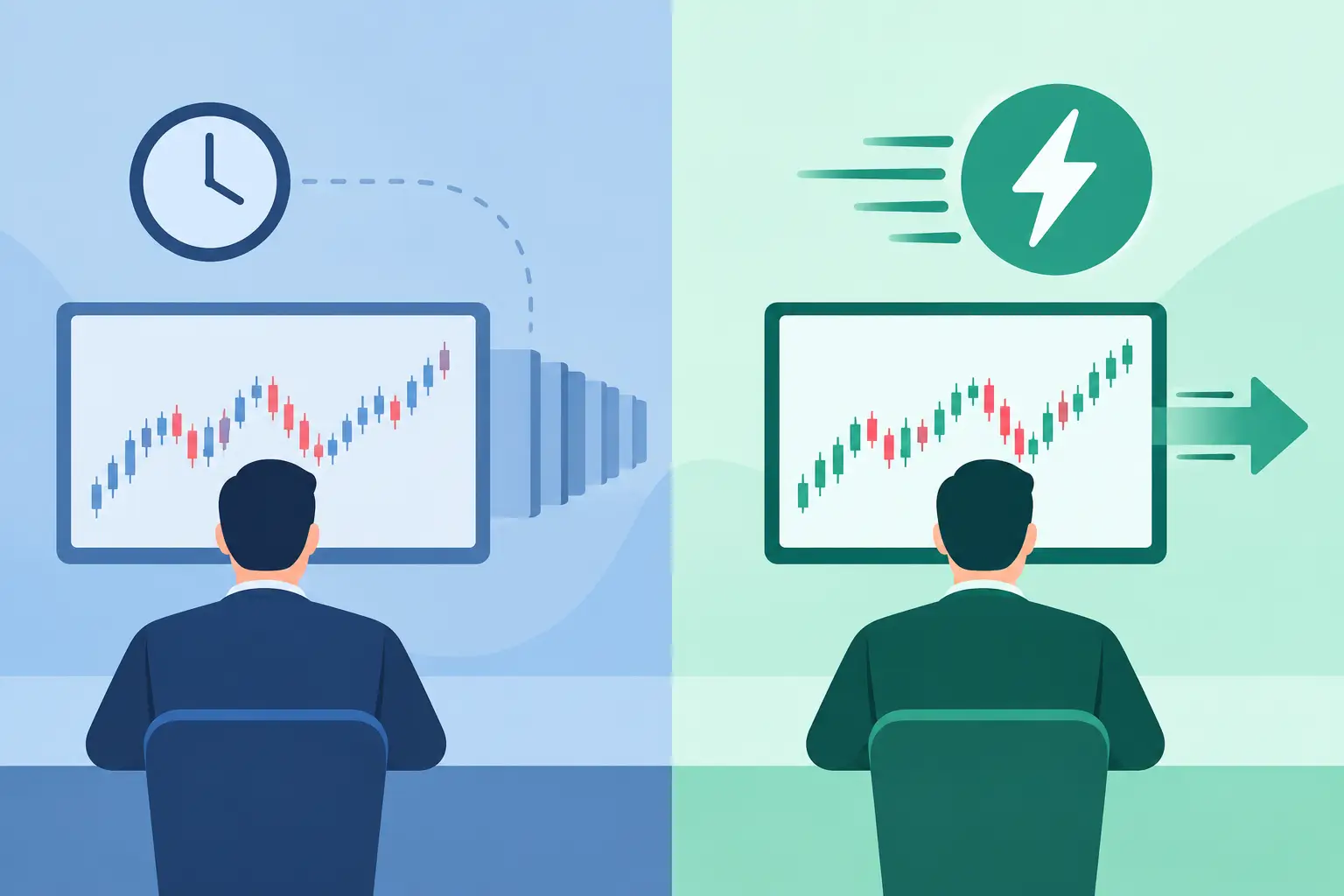
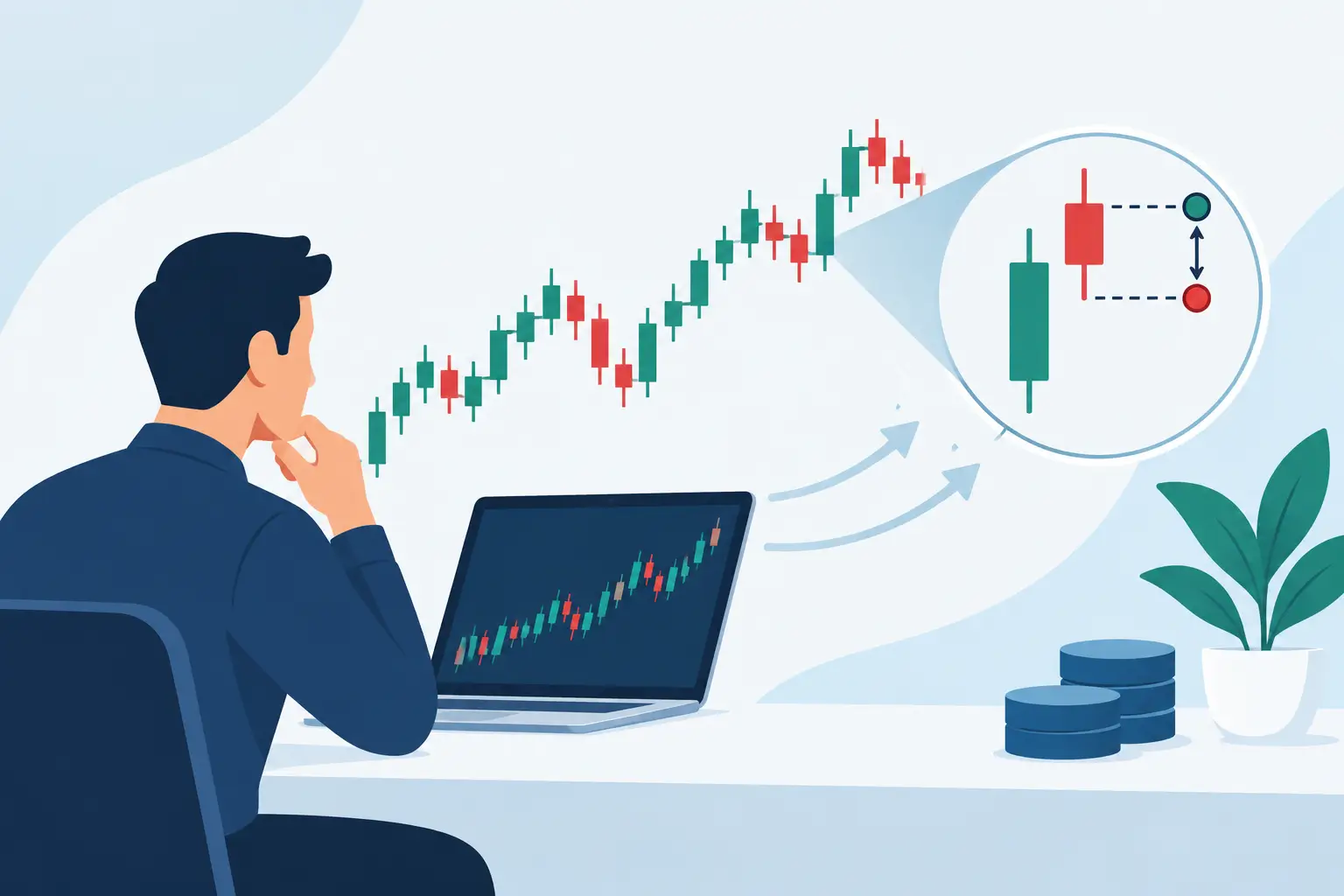
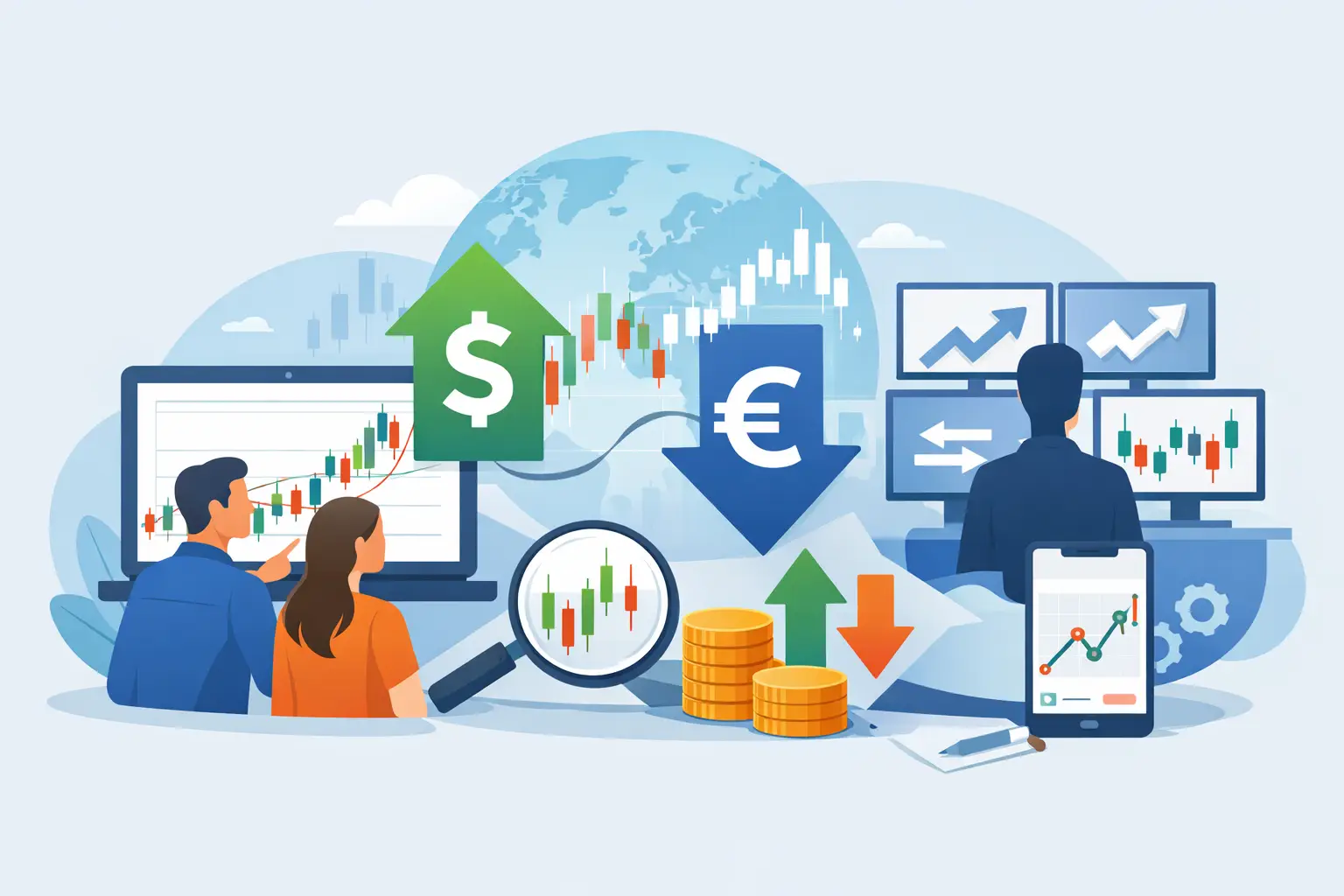
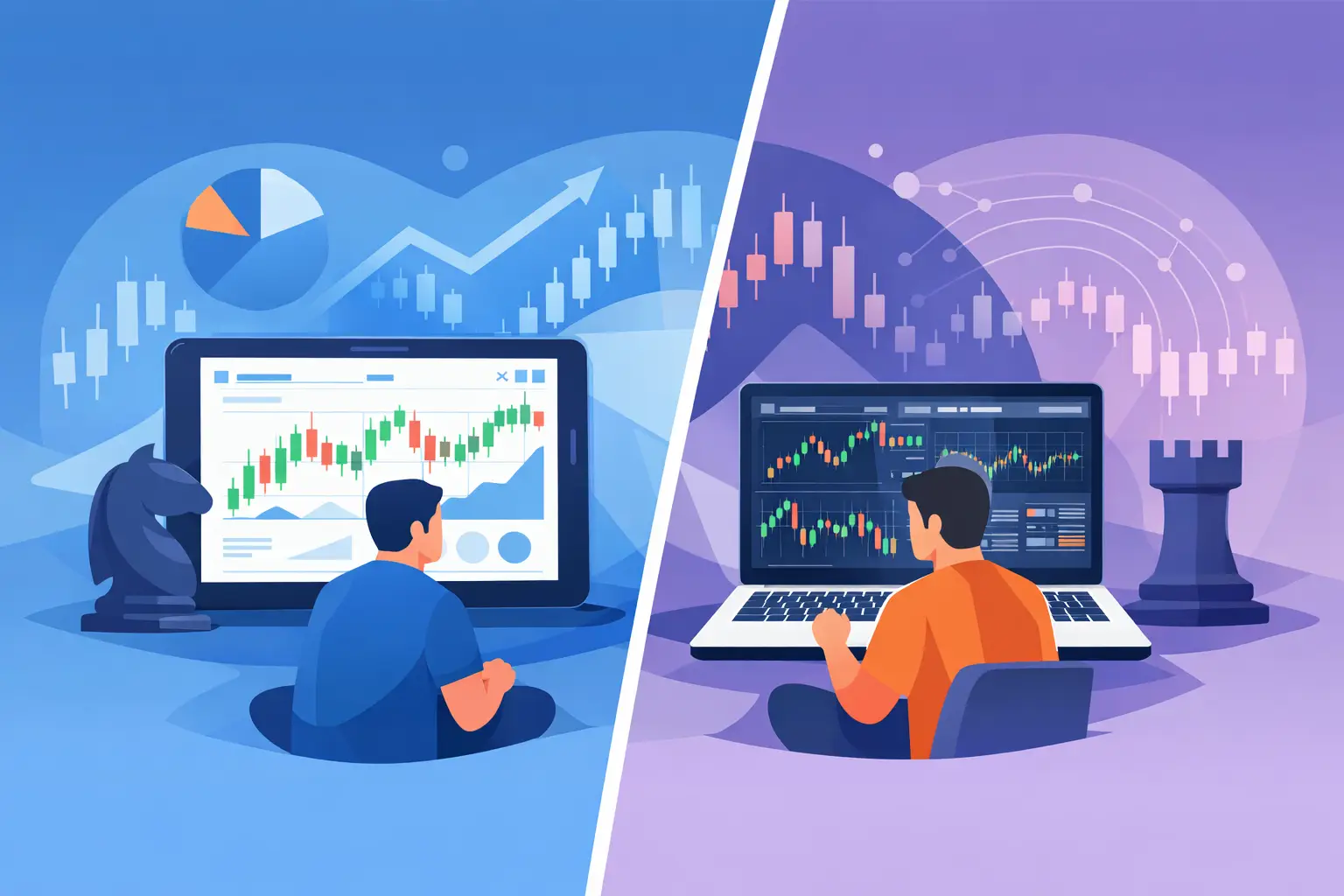
A market-moving event does not wait for a long-term investment plan. A central bank decision, a sharp oil-price move, or a major earnings release can create opportunities within minutes. That speed is one reason the top reasons to start trading CFDs today continue to appeal to traders who want flexible access to global markets without owning the underlying asset.
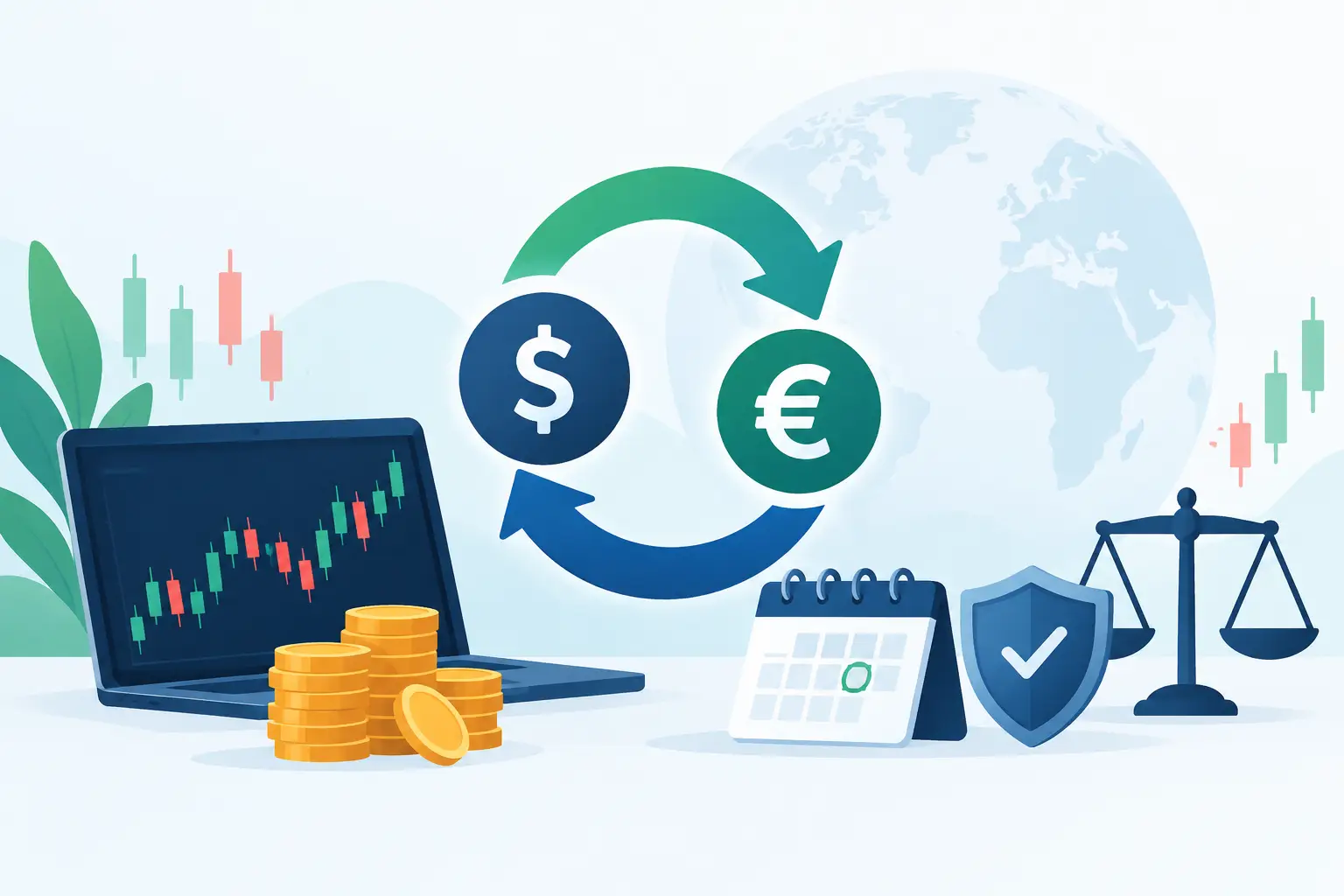
CFDs, or contracts for difference, allow traders to speculate on whether a market will rise or fall. They are leveraged products, which means a relatively small deposit can control a larger position. That can increase capital efficiency and potential returns, but it also increases potential losses. CFDs are not suitable for every trader, and availability depends on local regulation. For traders in eligible jurisdictions, however, they provide a direct, adaptable way to participate in fast-moving markets.
1. Trade More Than One Market From One Account
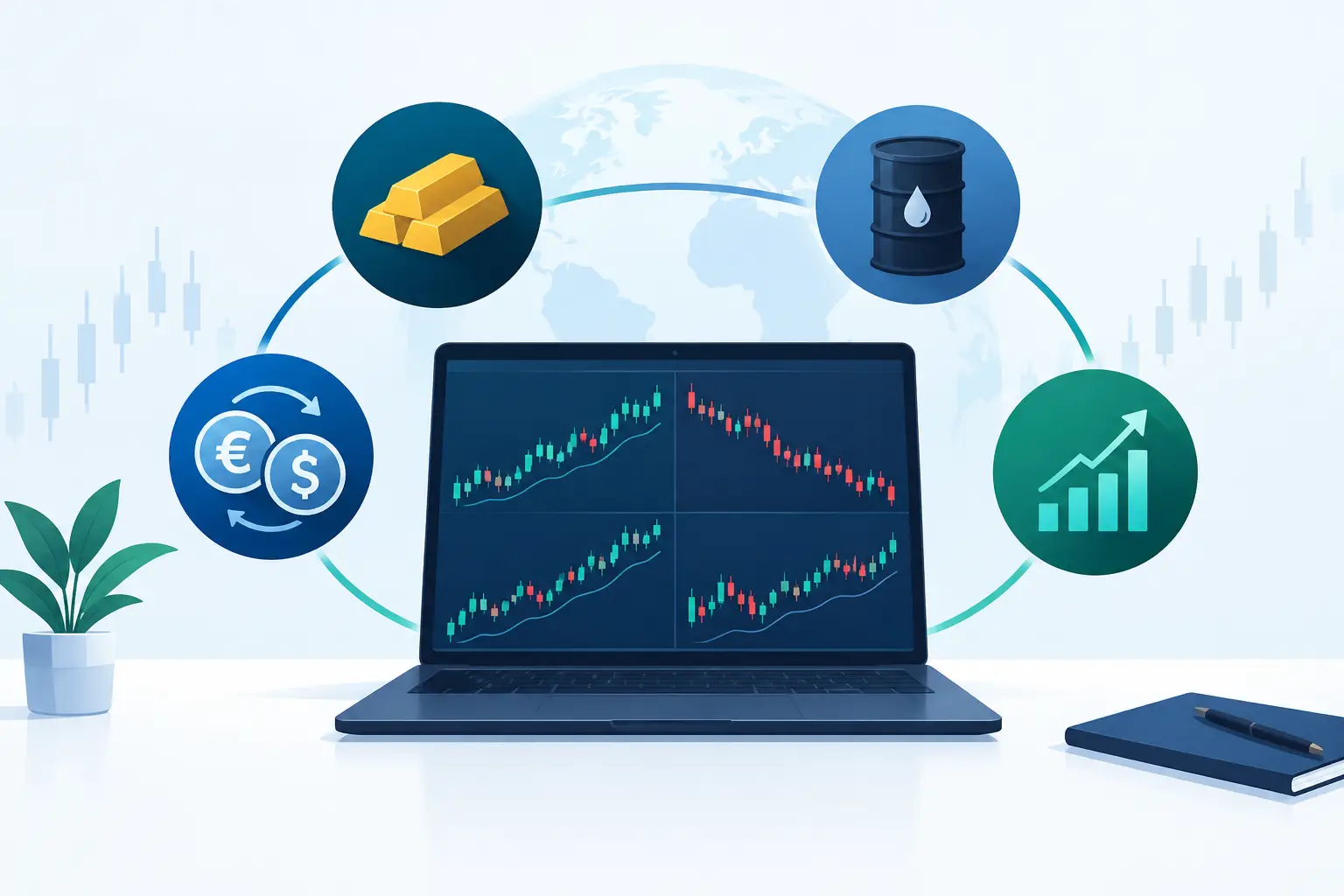
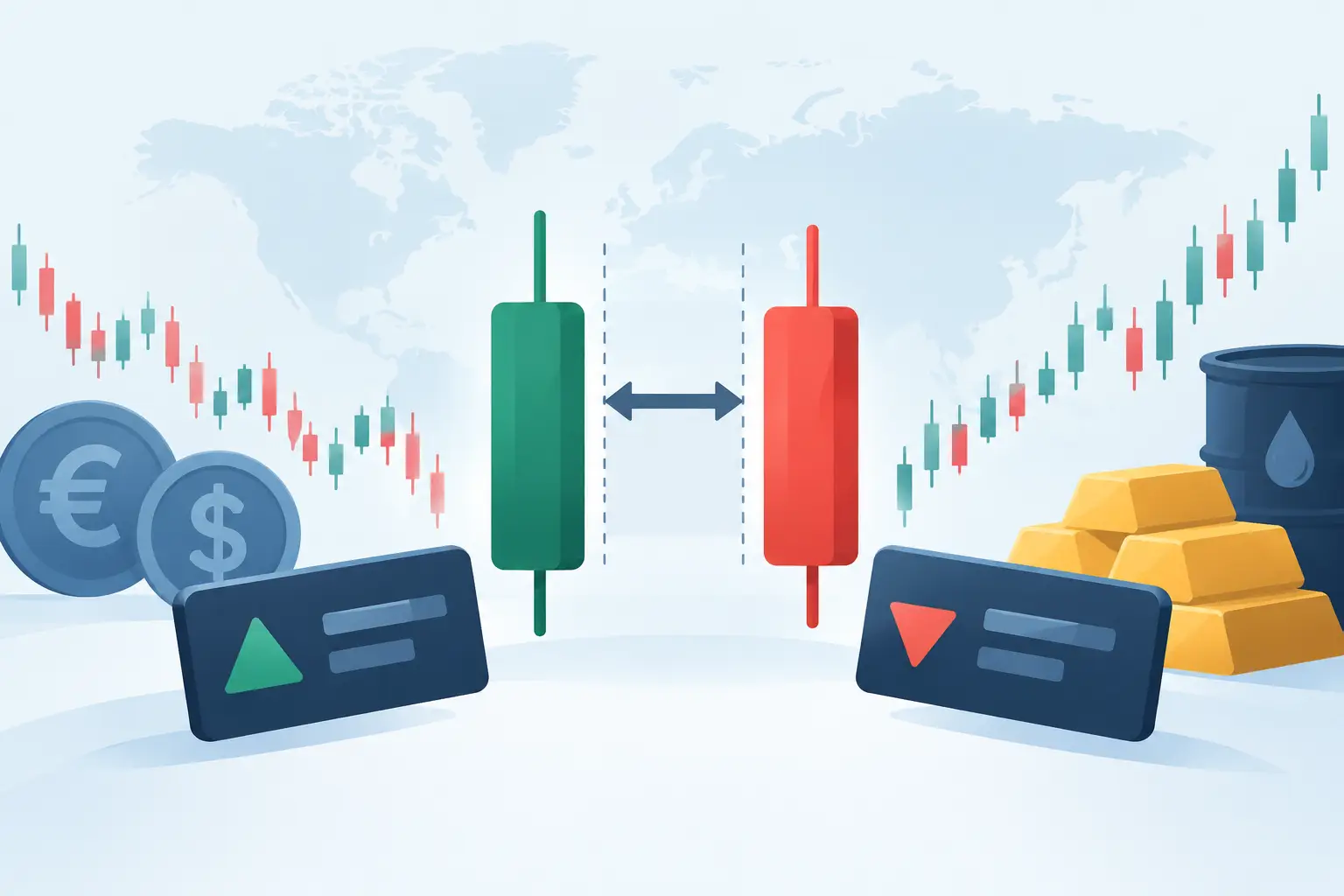
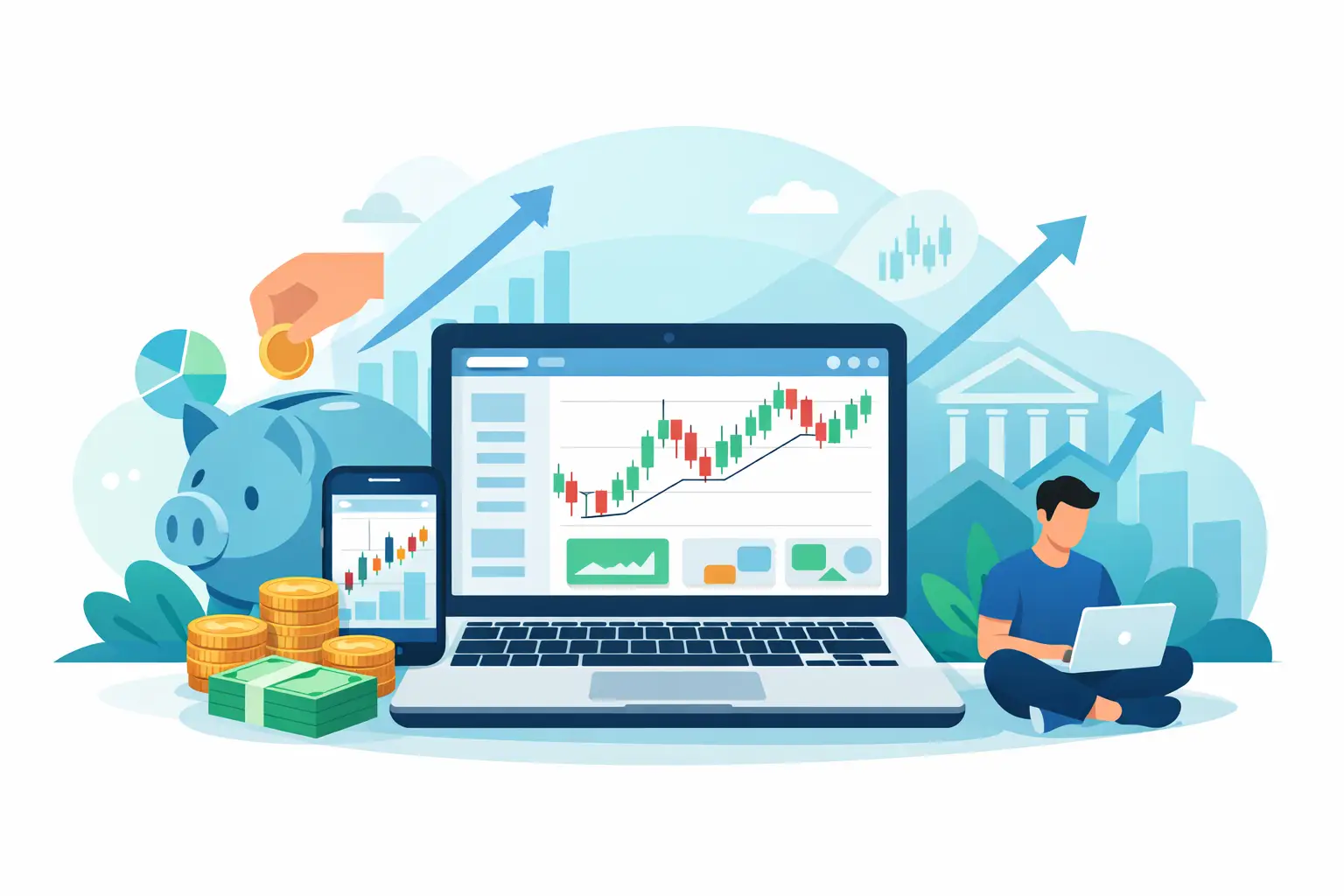
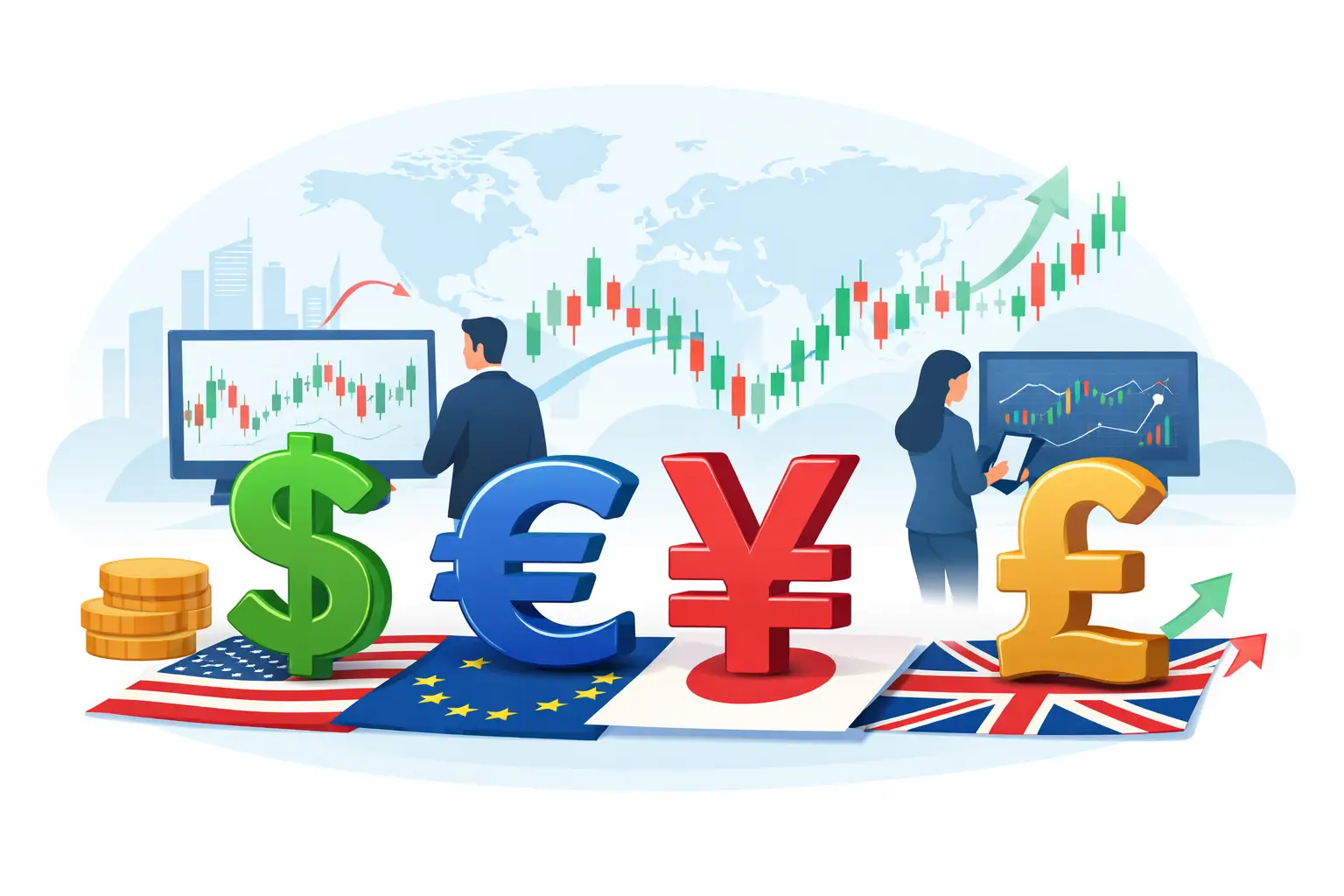
A CFD account can open the door to forex, stock indices, commodities, crypto, and shares, depending on the instruments offered by your broker. Instead of building separate accounts to follow different market themes, traders can monitor several opportunities from one trading environment.
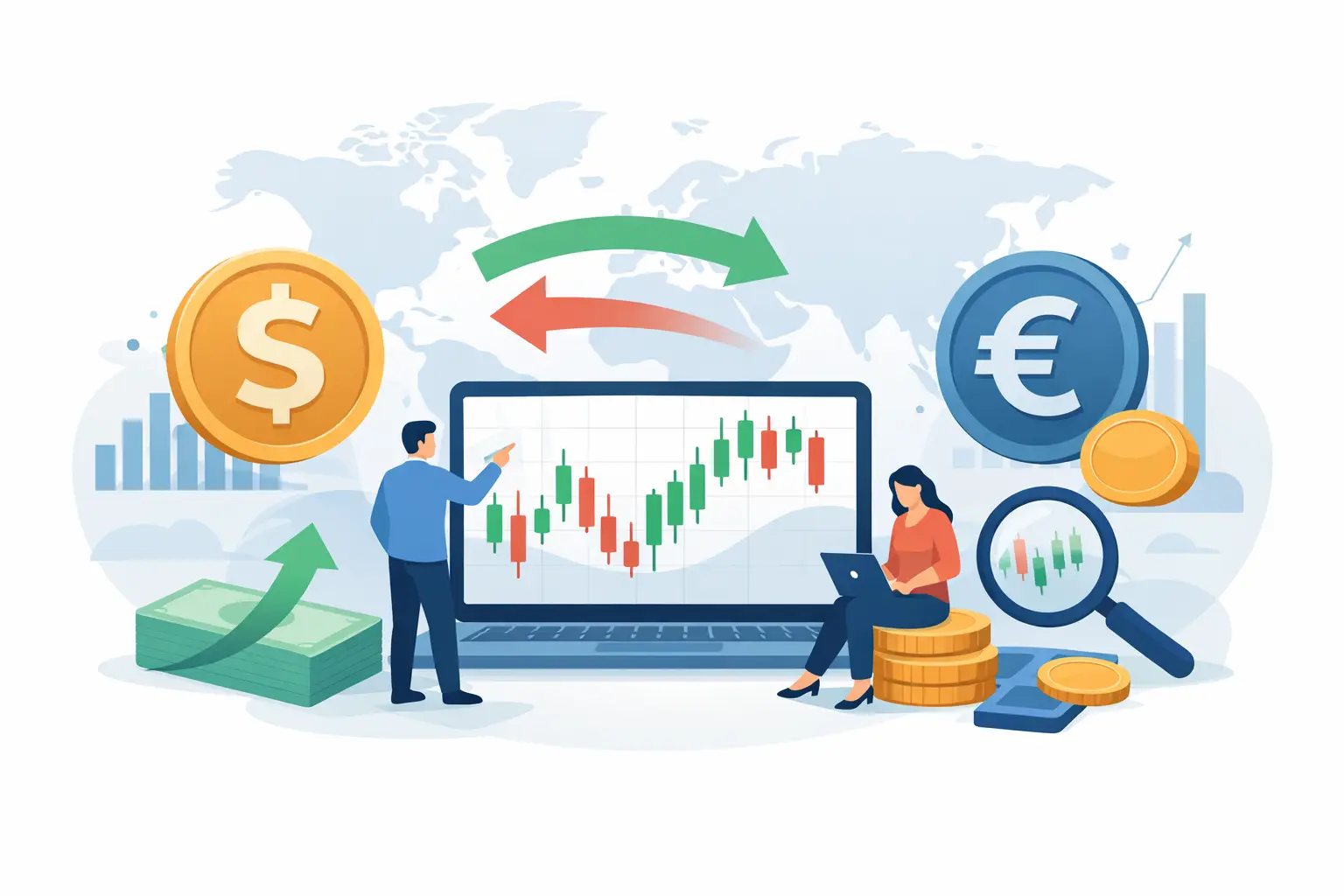
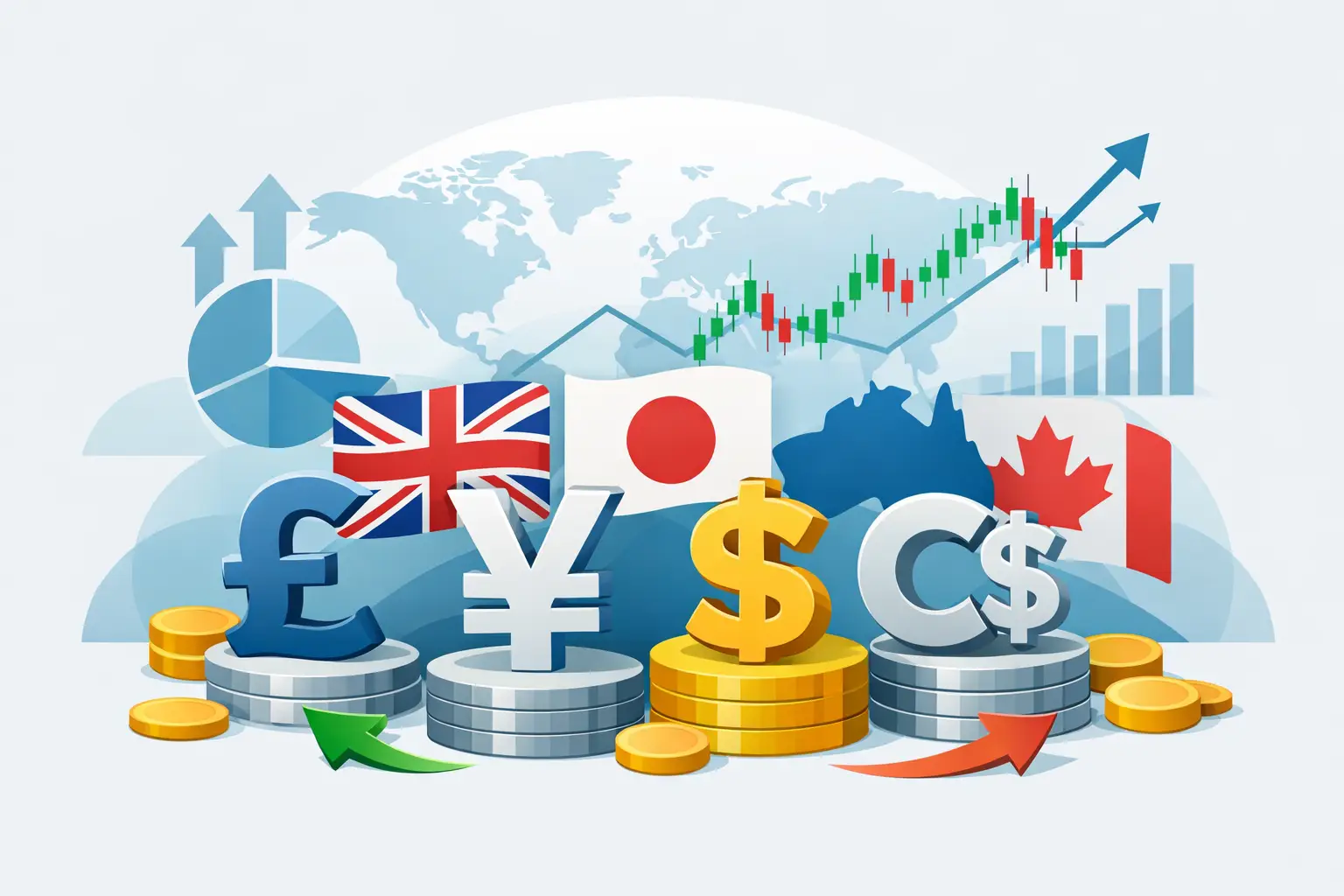
This matters when market leadership changes. A strong dollar may create activity in major currency pairs. A supply disruption may put energy markets in focus. A technology earnings cycle may drive stock CFDs and equity indices. CFDs let active traders shift attention to the market with the clearest setup rather than forcing every idea into a single asset class.
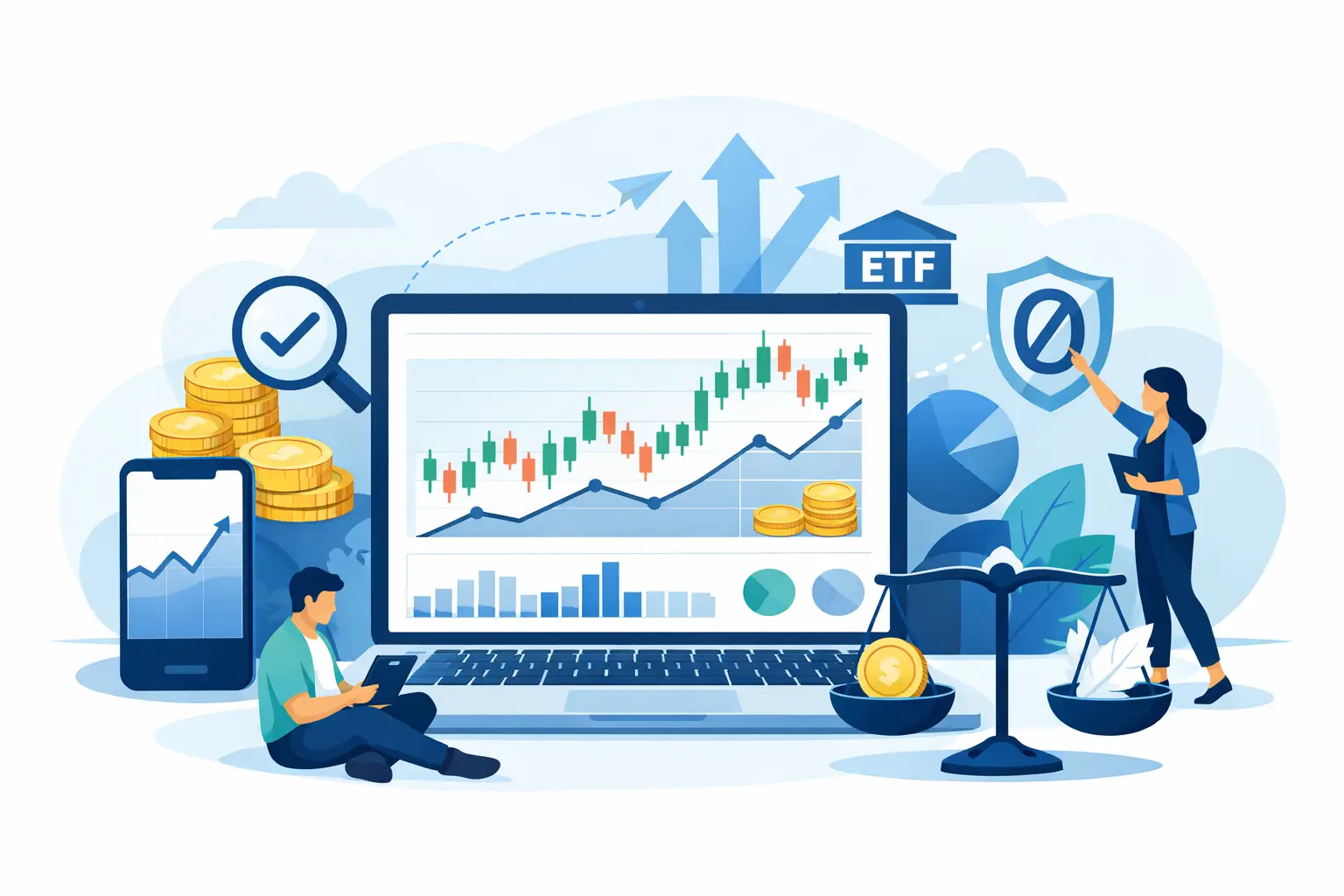
Market breadth also supports diversification. Holding multiple positions does not automatically reduce risk, particularly when markets move together during high-volatility periods. Still, access to different asset classes gives traders more ways to avoid concentrating every decision on one chart or one economic narrative.
2. Take a View on Rising or Falling Prices
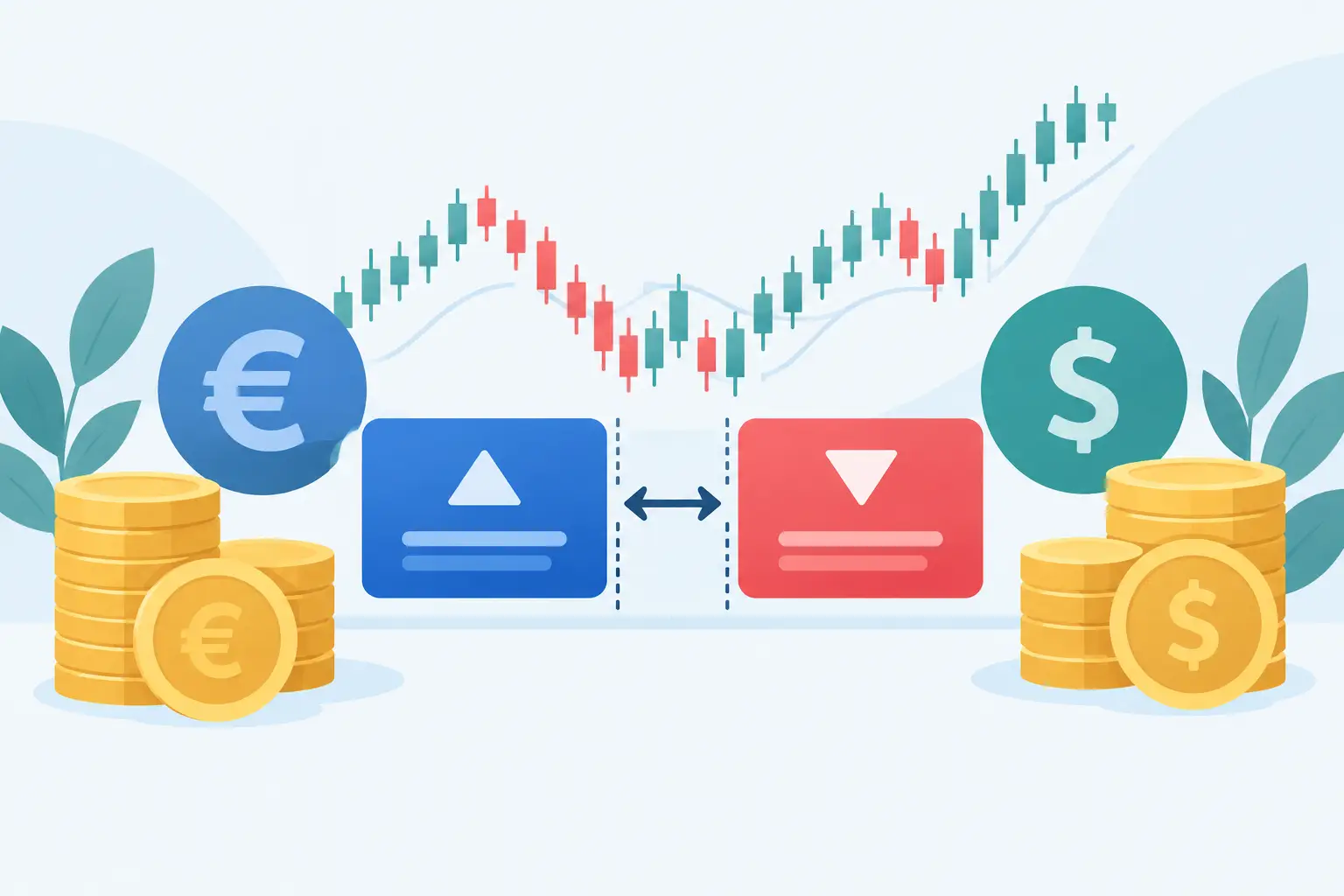
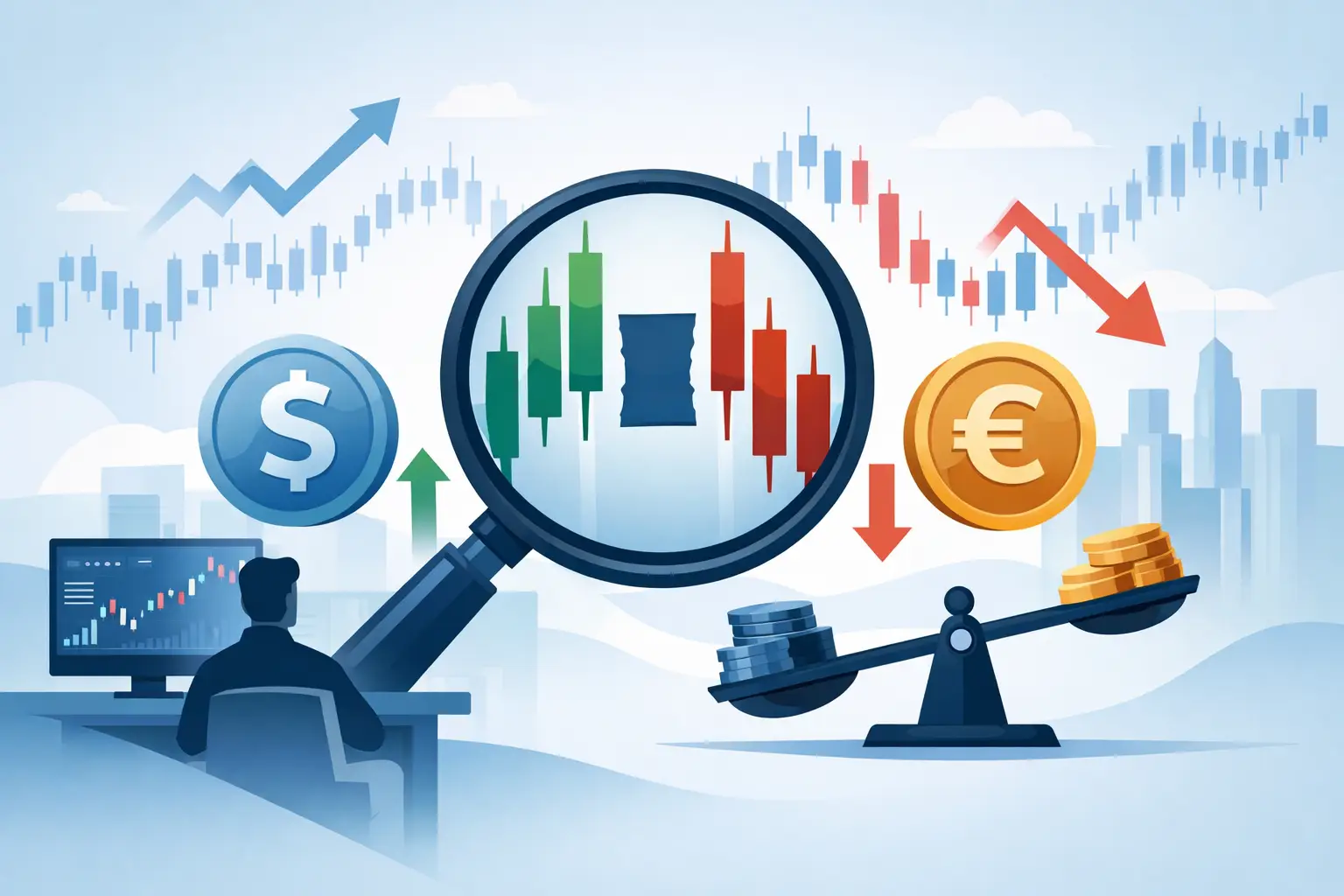
Traditional investing is often built around buying an asset and waiting for its price to rise. CFD trading provides another option: traders can open a buy position when they expect a market to climb or a sell position when they expect it to decline.
That two-way flexibility is especially valuable when markets are uncertain. Inflation data, rate expectations, political headlines, and corporate results can all trigger downward moves as well as rallies. A falling market is not automatically a trading opportunity, but it does not have to mean sitting on the sidelines either.
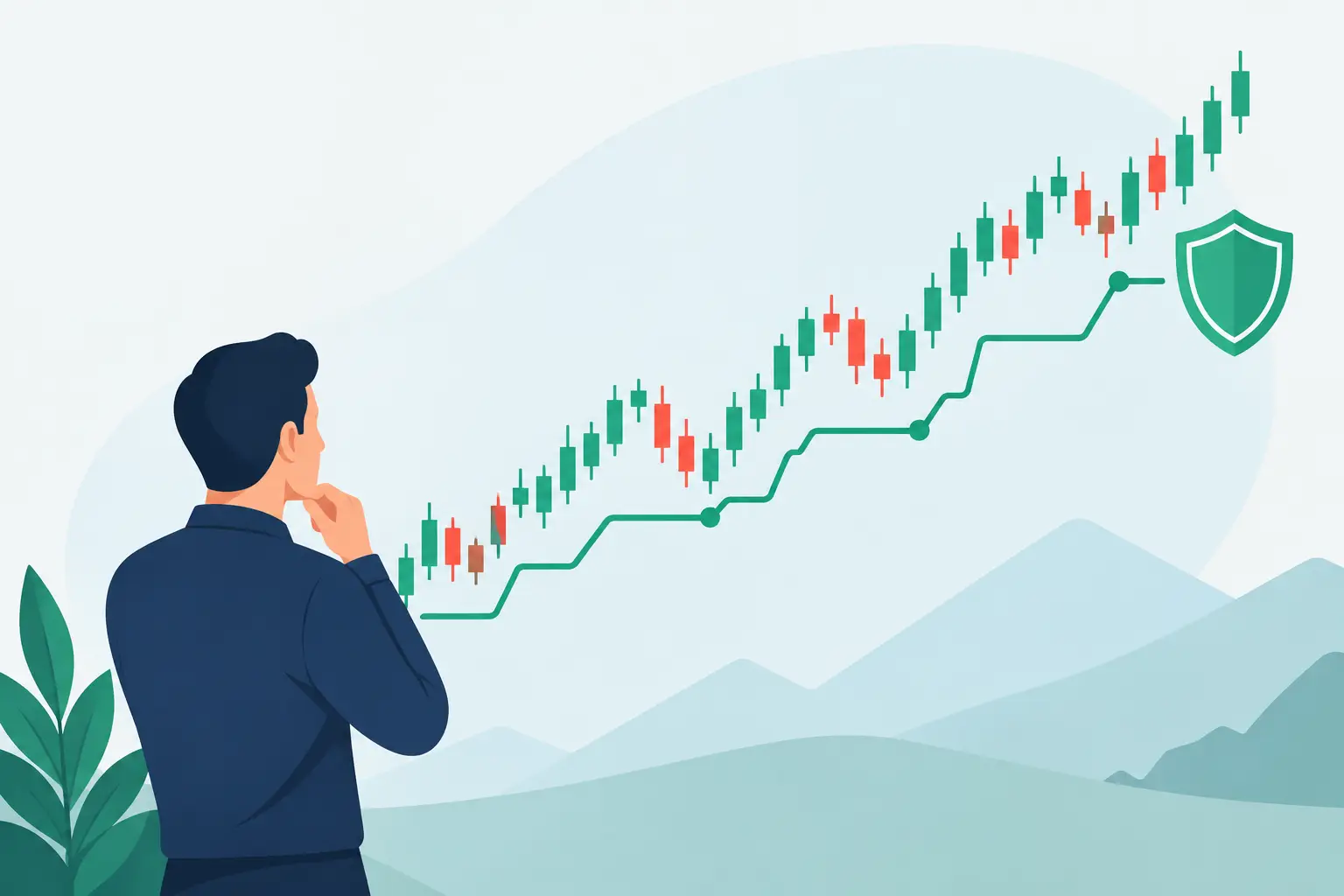
The key is to treat long and short positions with the same discipline. A short trade needs a clear entry reason, a defined invalidation level, and a position size that accounts for volatility. Directional flexibility is useful only when it is paired with a repeatable process.
3. Use Leverage With a Clear Plan
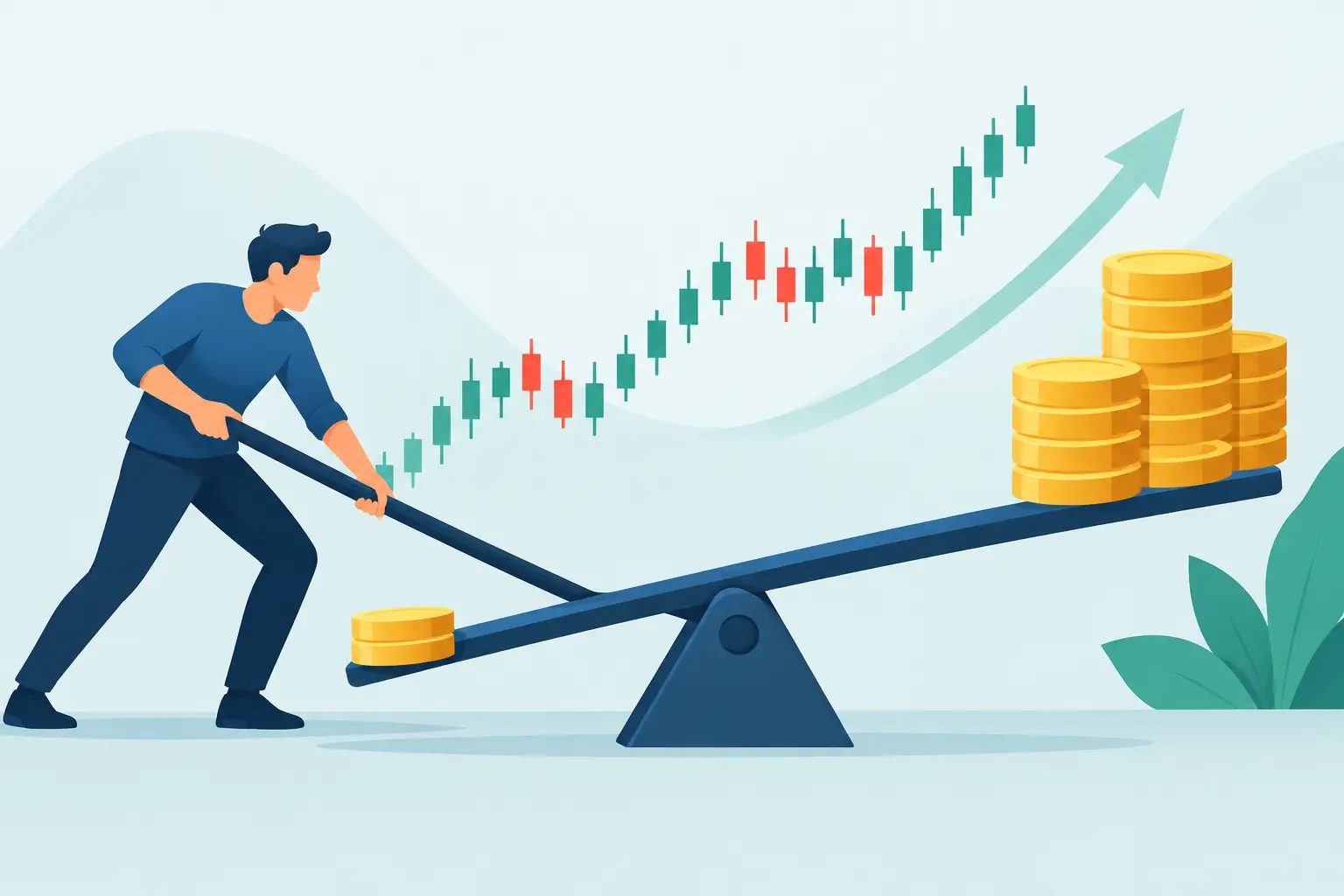
Leverage is one of the main reasons traders consider CFDs. It allows a trader to gain market exposure by committing a fraction of the full position value as margin. This can make active strategies more accessible for accounts that do not have the capital required to purchase large quantities of physical shares, currencies, or commodities outright.
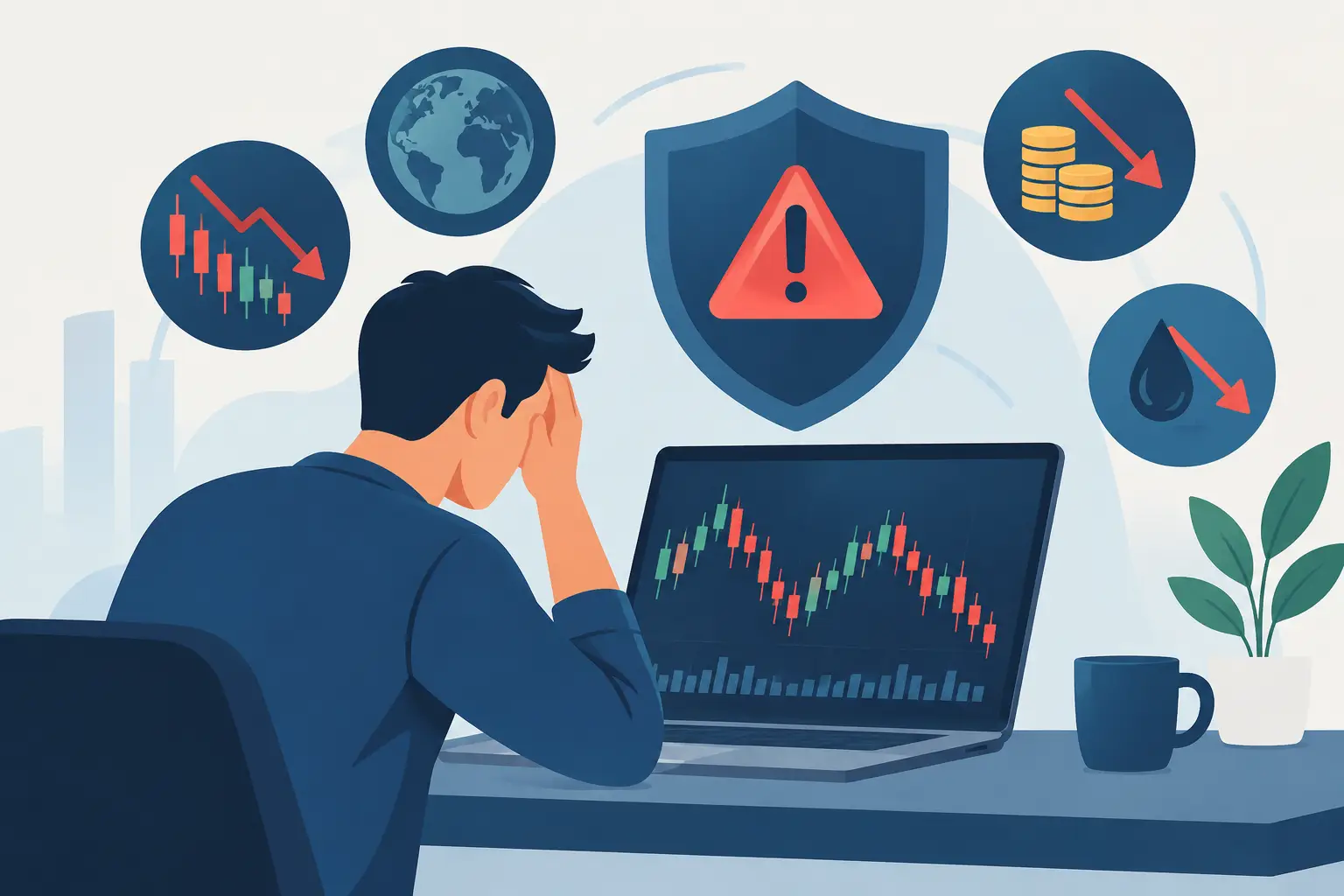
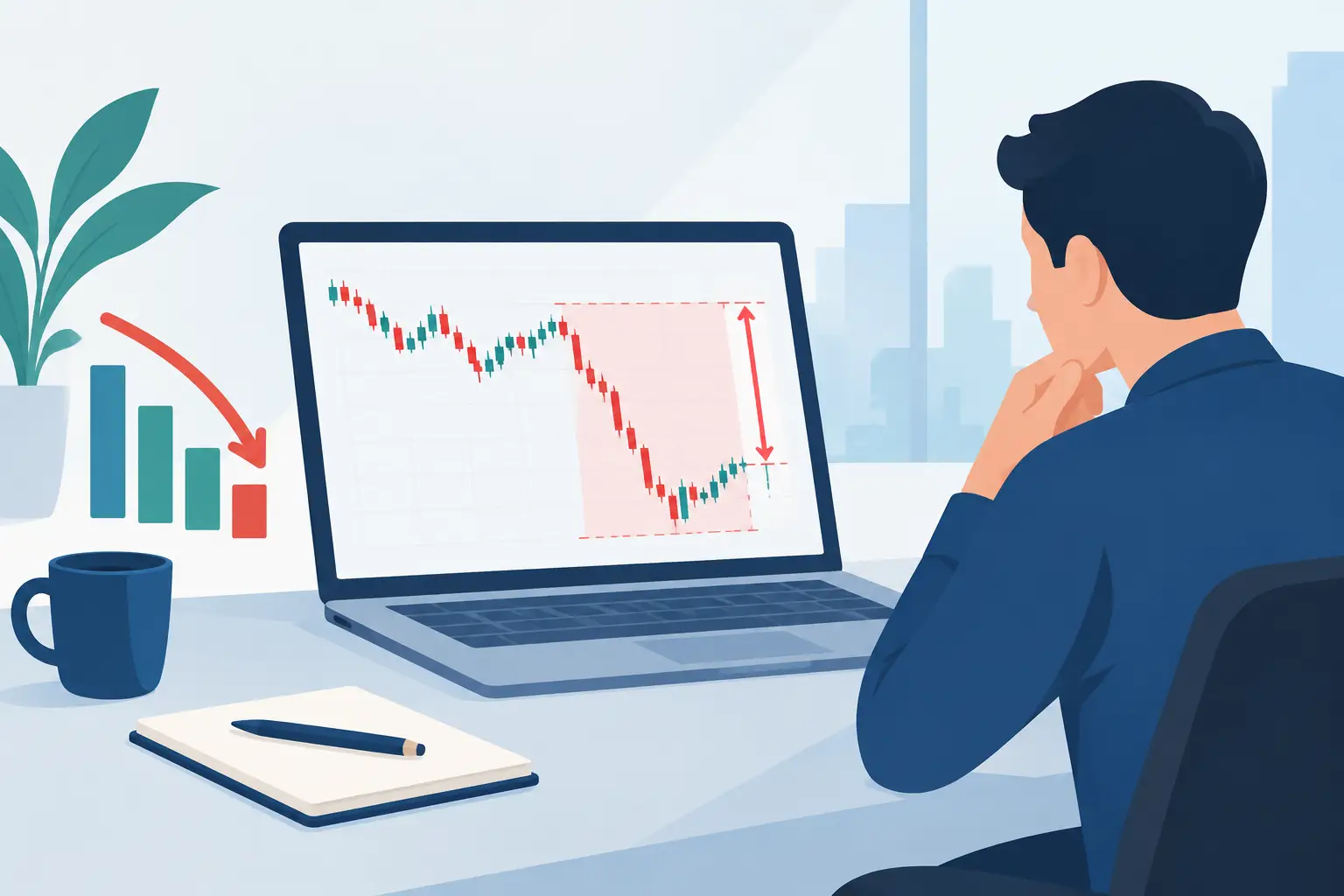
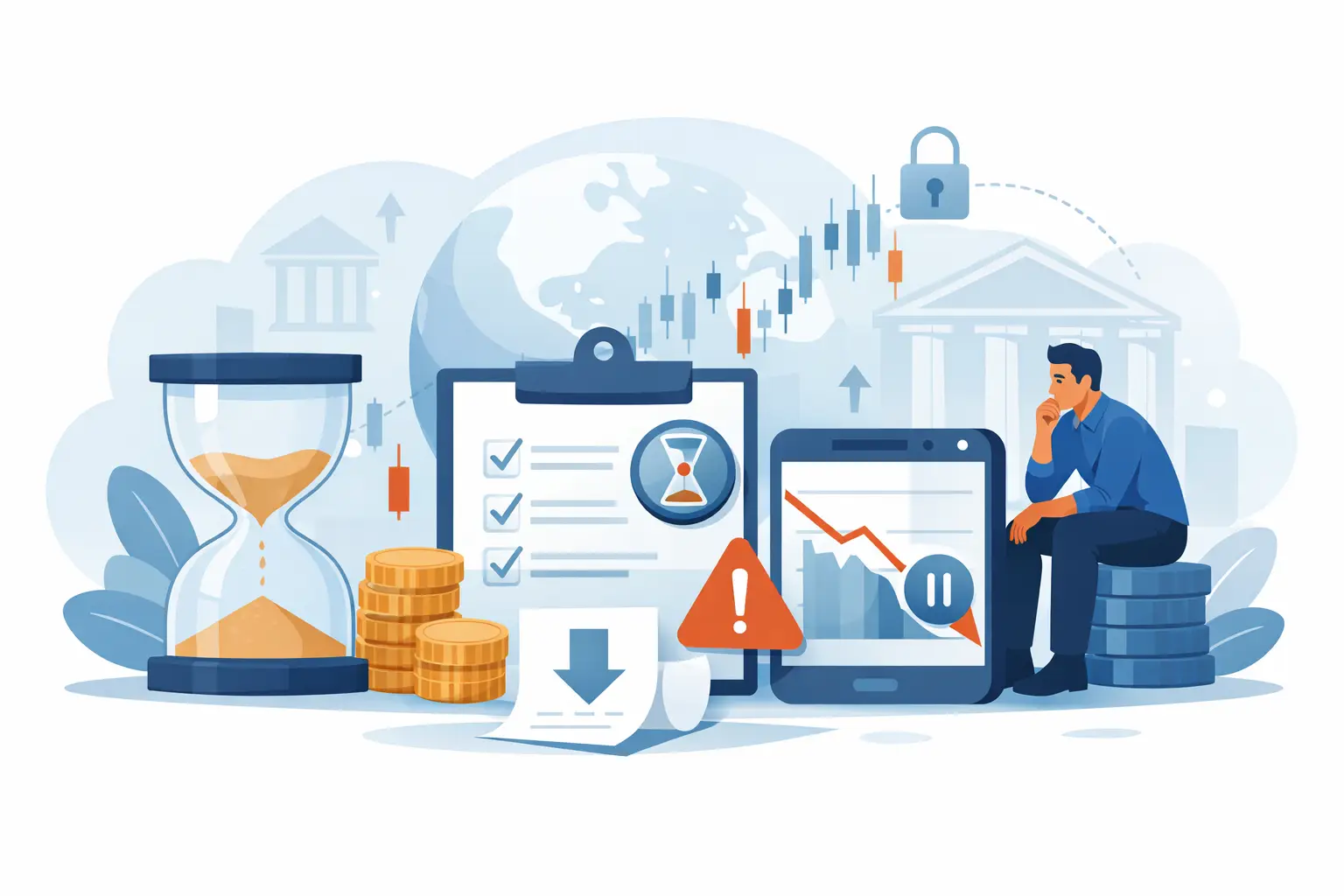
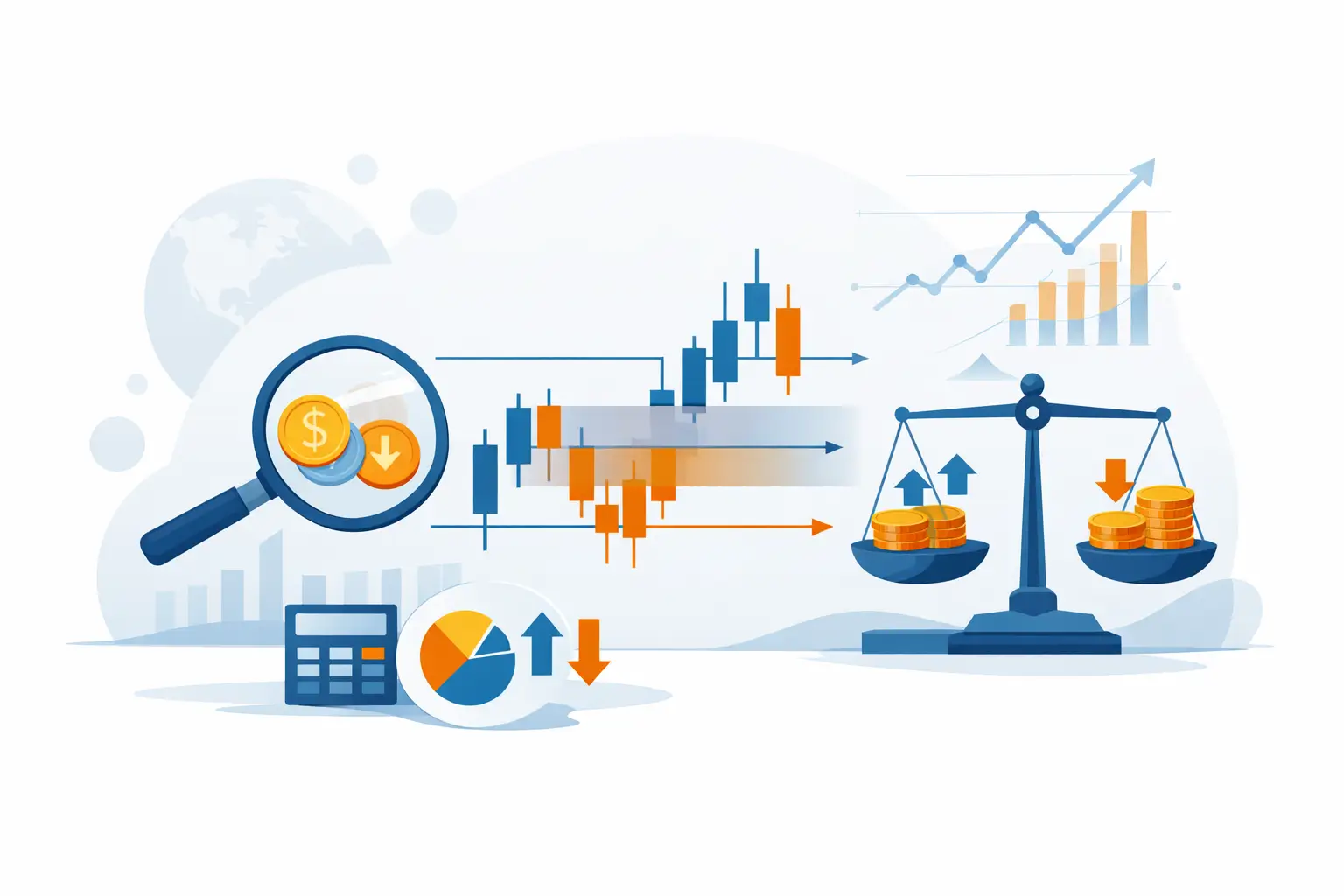
But leverage is a tool, not a reason to oversize a trade. A small market movement can have a meaningful effect on a leveraged position, in either direction. The same feature that can improve capital efficiency can also accelerate losses when price moves against you.
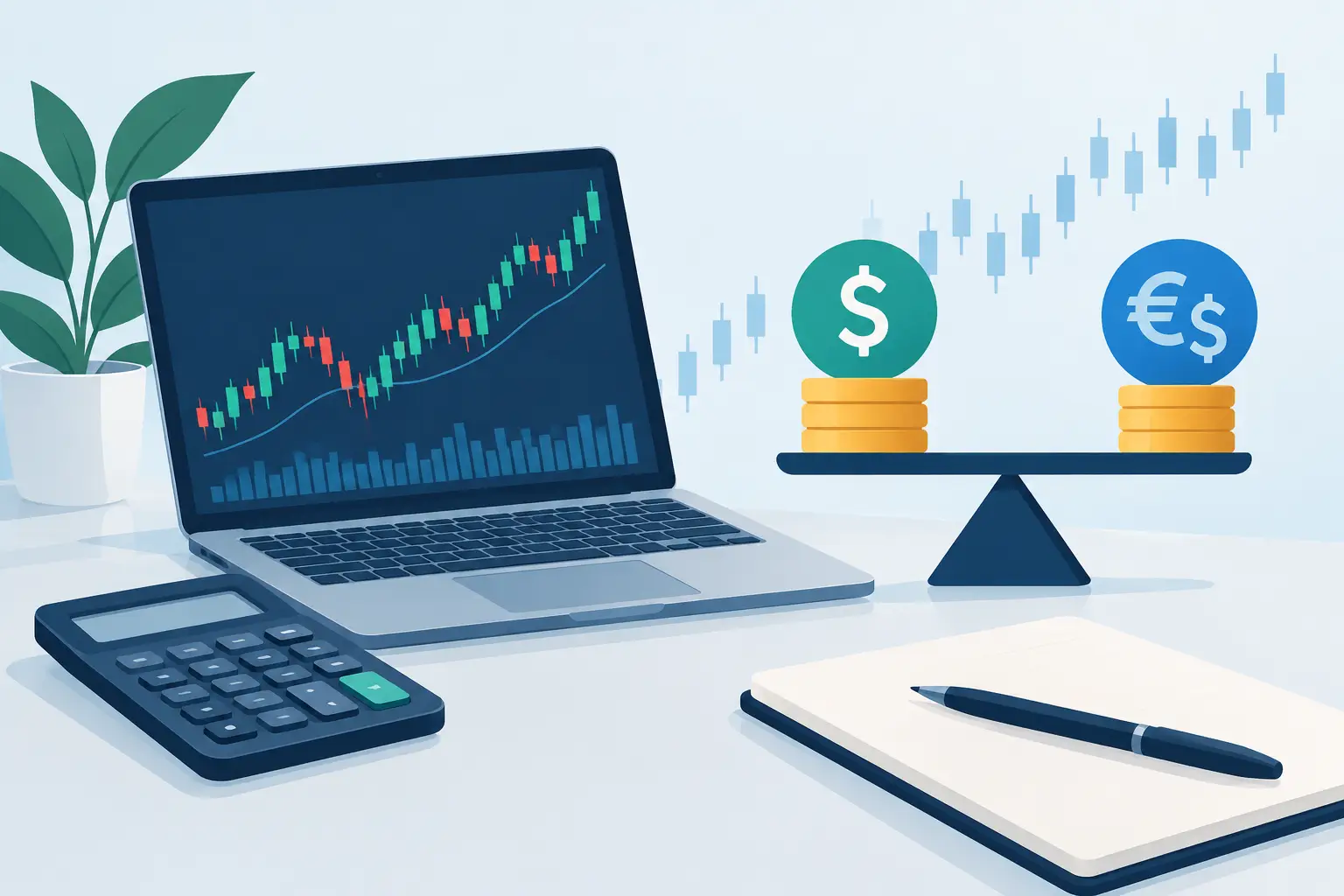
A practical approach starts with risk per trade, not maximum buying power. Decide how much of your account you can afford to risk if your stop-loss is reached. Then calculate the trade size from that amount. Traders who begin with conservative position sizes are generally better placed to learn how spreads, margin, volatility, and overnight financing affect live positions.
4. Access Professional Trading Platforms and Tools
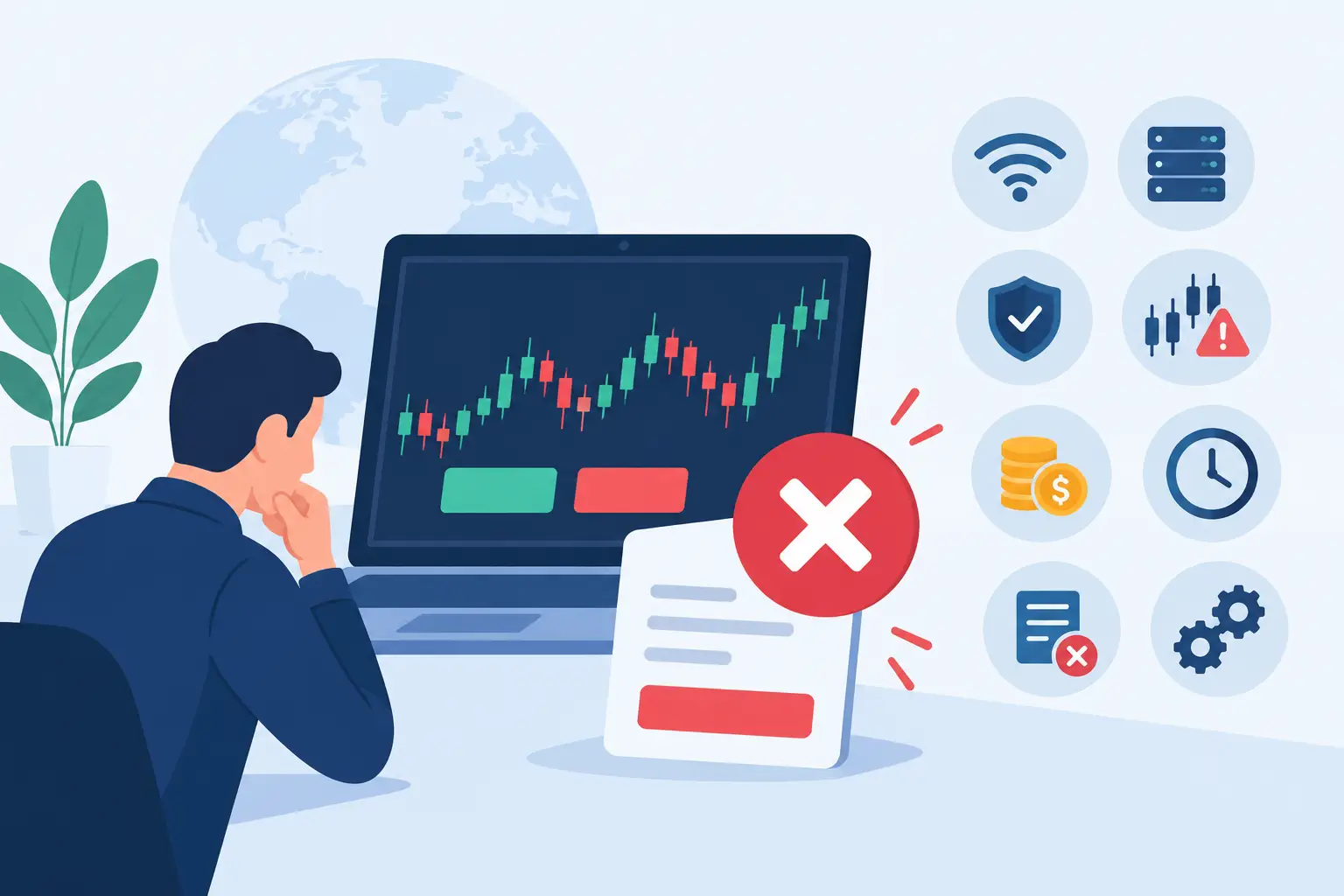
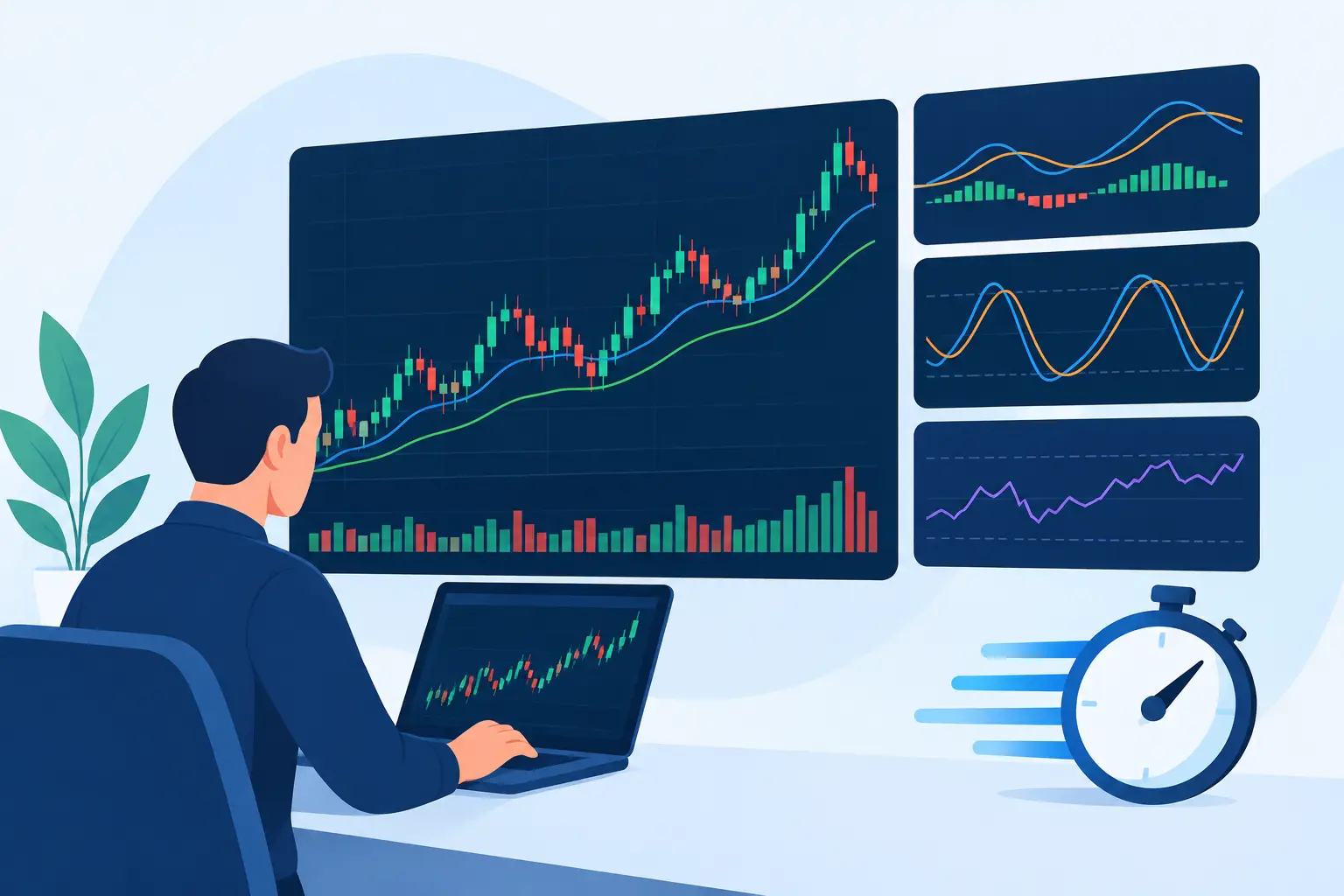
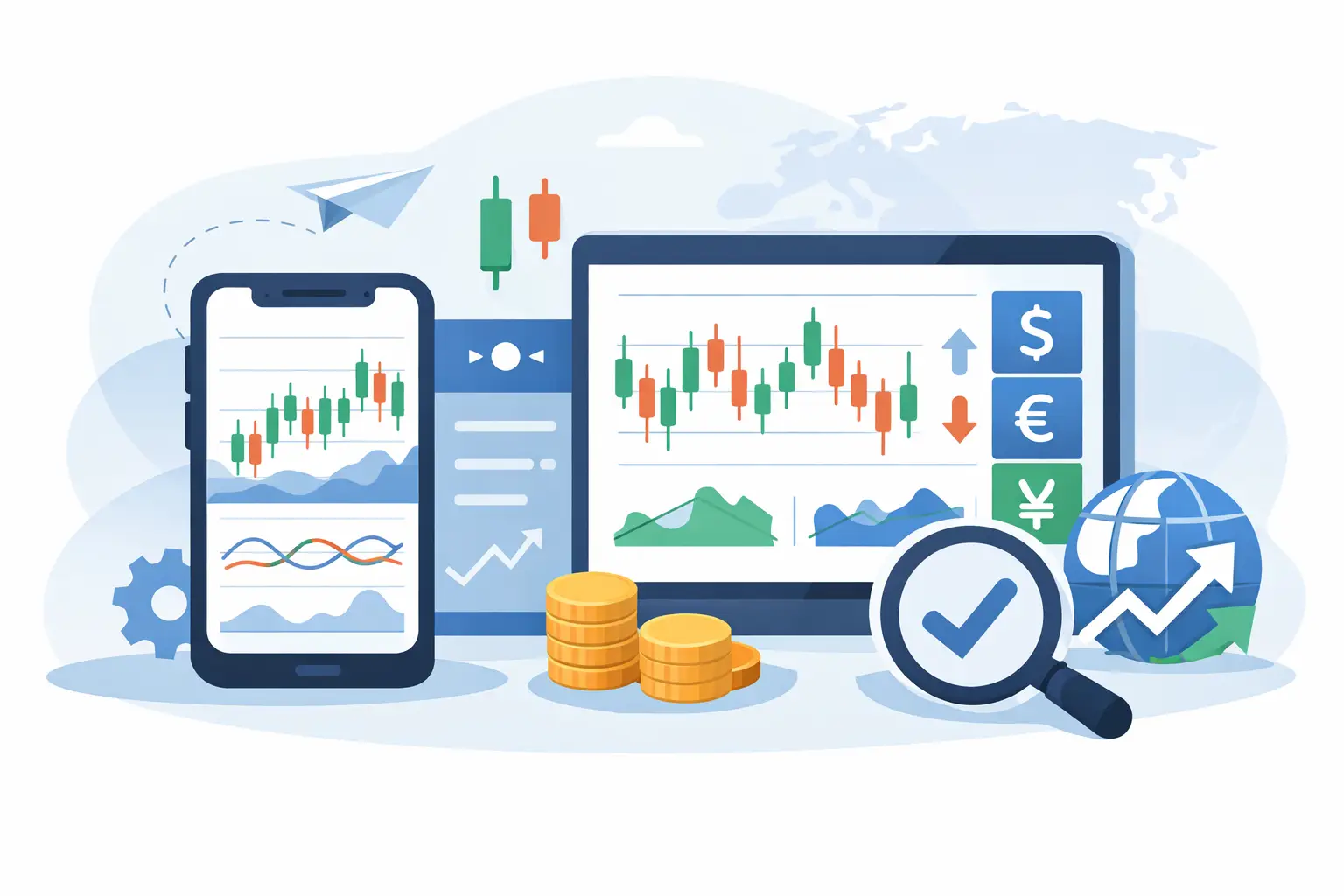
Execution quality is only part of a trading setup. Traders also need charts, order controls, market analysis, and the ability to manage positions quickly when conditions change. Platforms such as MetaTrader 4, MetaTrader 5, and cTrader give traders familiar environments for analyzing price action, placing orders, and applying technical tools.
The platform choice should fit your trading style. A trader who relies on simple support and resistance may prioritize clean charting and fast order placement. A more technical trader may want custom indicators, automated strategies, multiple chart windows, or advanced order types. The right platform is the one you can use confidently under pressure, not simply the one with the longest feature list.
It also helps to use a demo environment before funding a live account. Testing your process in real-time market conditions can reveal whether your strategy is practical once spreads, volatility, and execution timing are part of the equation.
5. Trade Around Your Schedule
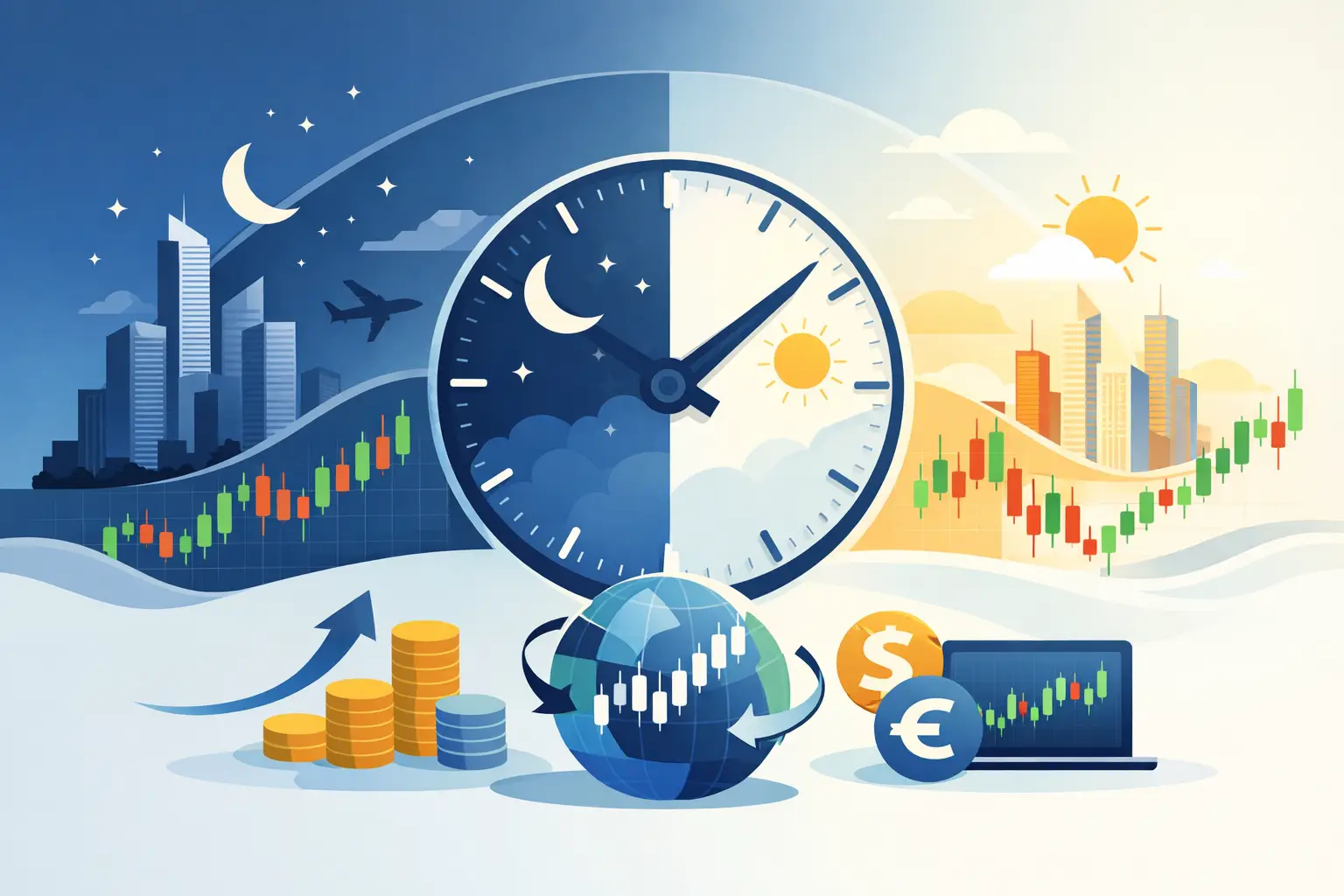
Many CFD markets offer extended trading hours, and forex operates across major global sessions during the business week. This can suit traders who cannot watch markets during a traditional market day or who prefer specific periods of liquidity, such as the London and New York overlap.
Flexible hours do not mean every hour offers the same trading conditions. Liquidity can be thinner outside key sessions, spreads may widen, and sudden news can lead to sharp price gaps. The better approach is to identify the sessions and instruments that match your strategy, then trade selectively rather than trying to capture every move.
For example, a trader focused on major forex pairs may prioritize active session overlaps. Someone trading index CFDs may pay closer attention to the cash-market open, macroeconomic releases, and central bank announcements. Timing is part of the trade plan, not an afterthought.
6. Choose an Active or Social Trading Route
Not every market participant wants to make every decision alone. Copy trading and managed account structures can offer alternative ways to participate, allowing users to follow selected strategy providers or allocate capital to experienced managers where these services are available.
This option can be useful for people who want market exposure but have limited time to analyze charts. It can also help newer traders observe how different strategies handle entries, exits, drawdowns, and changing volatility. However, copying a trader does not remove risk. Past performance is not a guarantee of future results, and a strategy that performed well in one market environment may struggle in another.
Before committing funds, assess the provider’s history, risk profile, drawdown behavior, trading frequency, and consistency. Understand whether the strategy uses high leverage, holds positions overnight, or relies on averaging into losing trades. A strong return figure without context is not enough.
7. Build a More Structured Trading Process
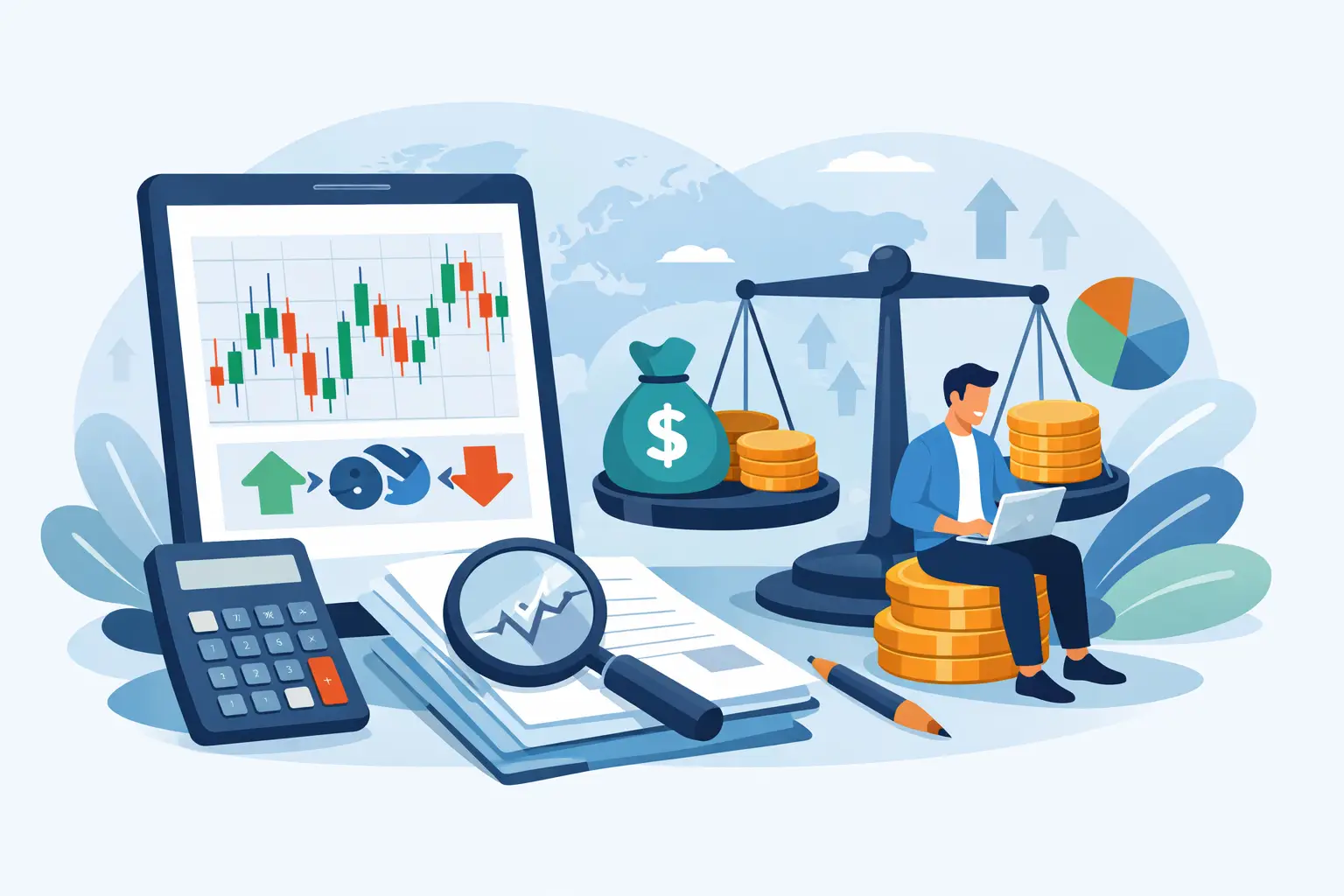
CFD trading rewards preparation. Because markets can move quickly and leverage magnifies outcomes, traders benefit from setting clear rules before they enter a position. That includes defining the market, direction, entry level, stop-loss, target, position size, and maximum acceptable loss.
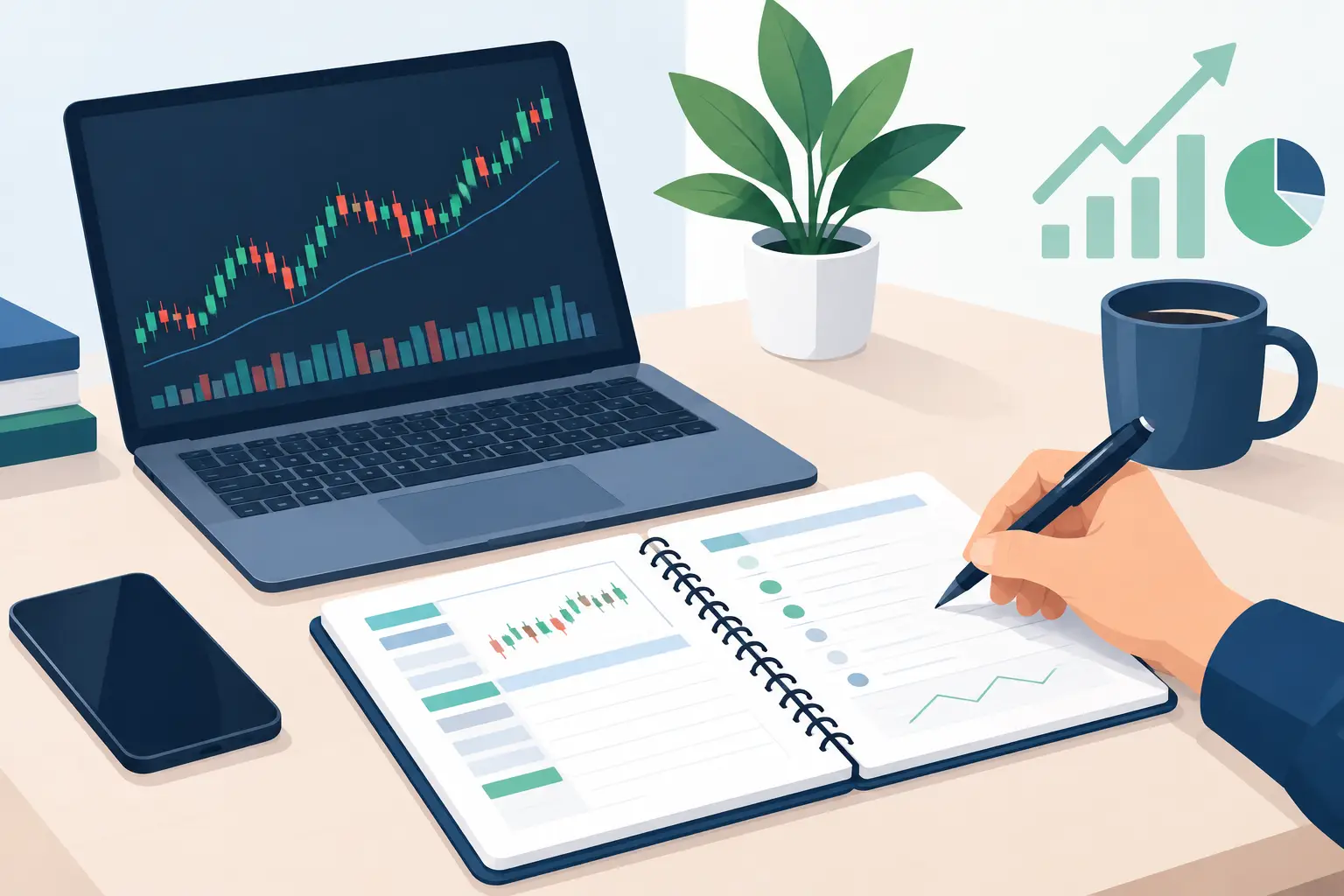
A simple trading journal can improve this process. Record why you took the trade, what conditions supported it, how you managed it, and whether you followed your rules. Over time, that record helps separate a repeatable edge from random wins. It also exposes habits that damage performance, such as moving stops, chasing breakouts, or increasing size after a loss.
At Monaxa, traders can choose from multiple platforms and market categories to build an approach that fits their experience and objectives. The opportunity is not in placing more trades. It is in having the access and tools to act when a well-defined setup appears.
Start With Risk Before Opportunity
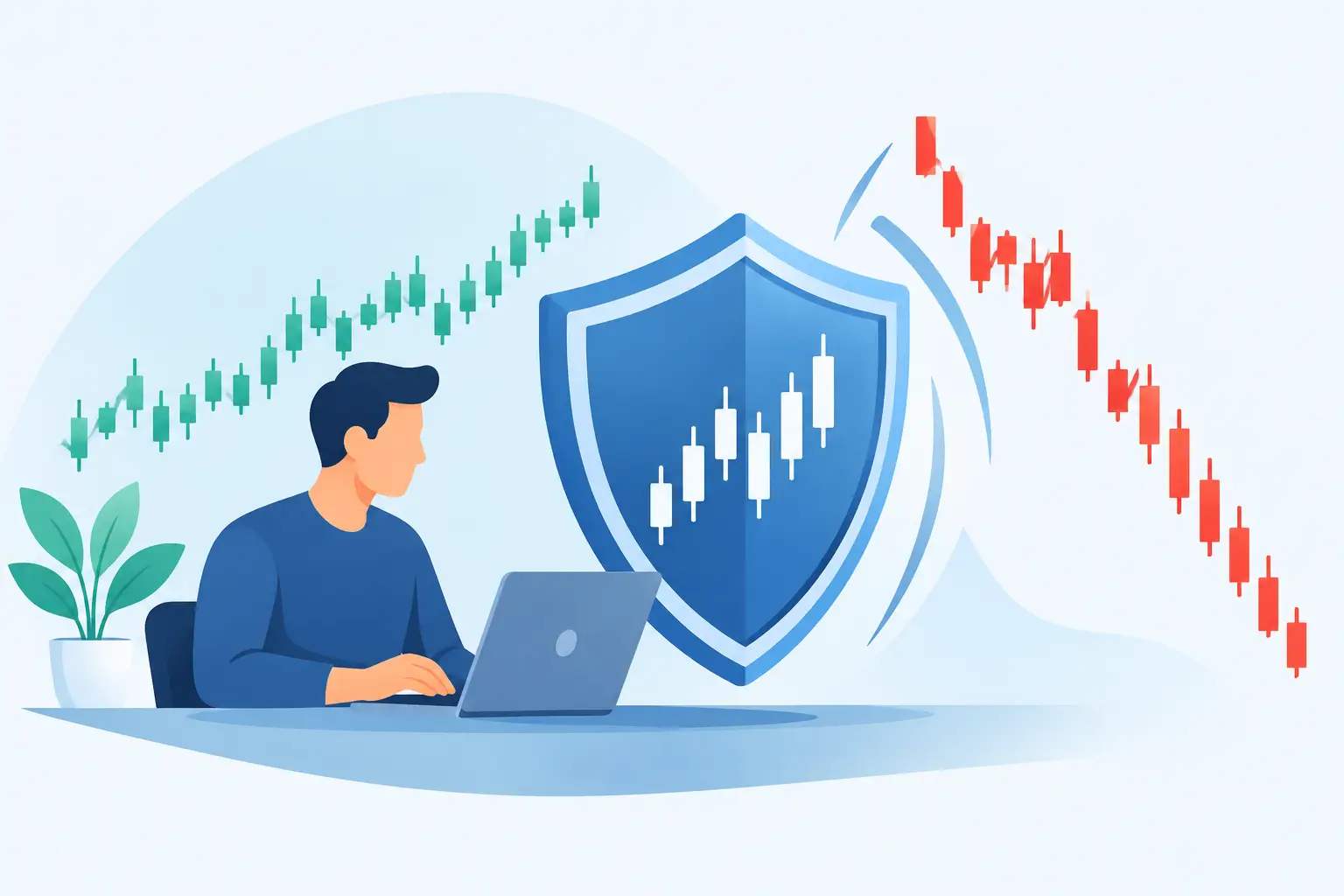
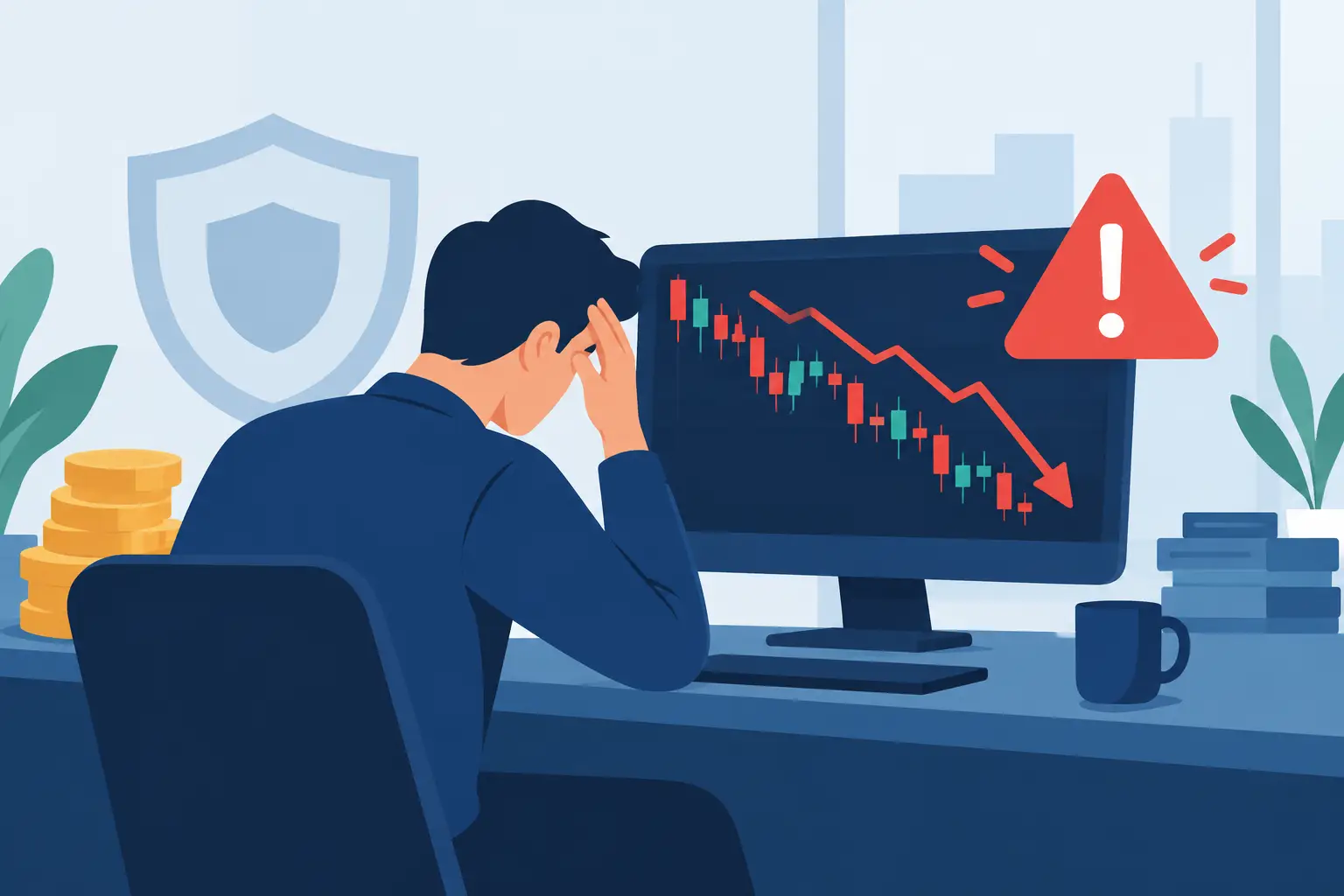
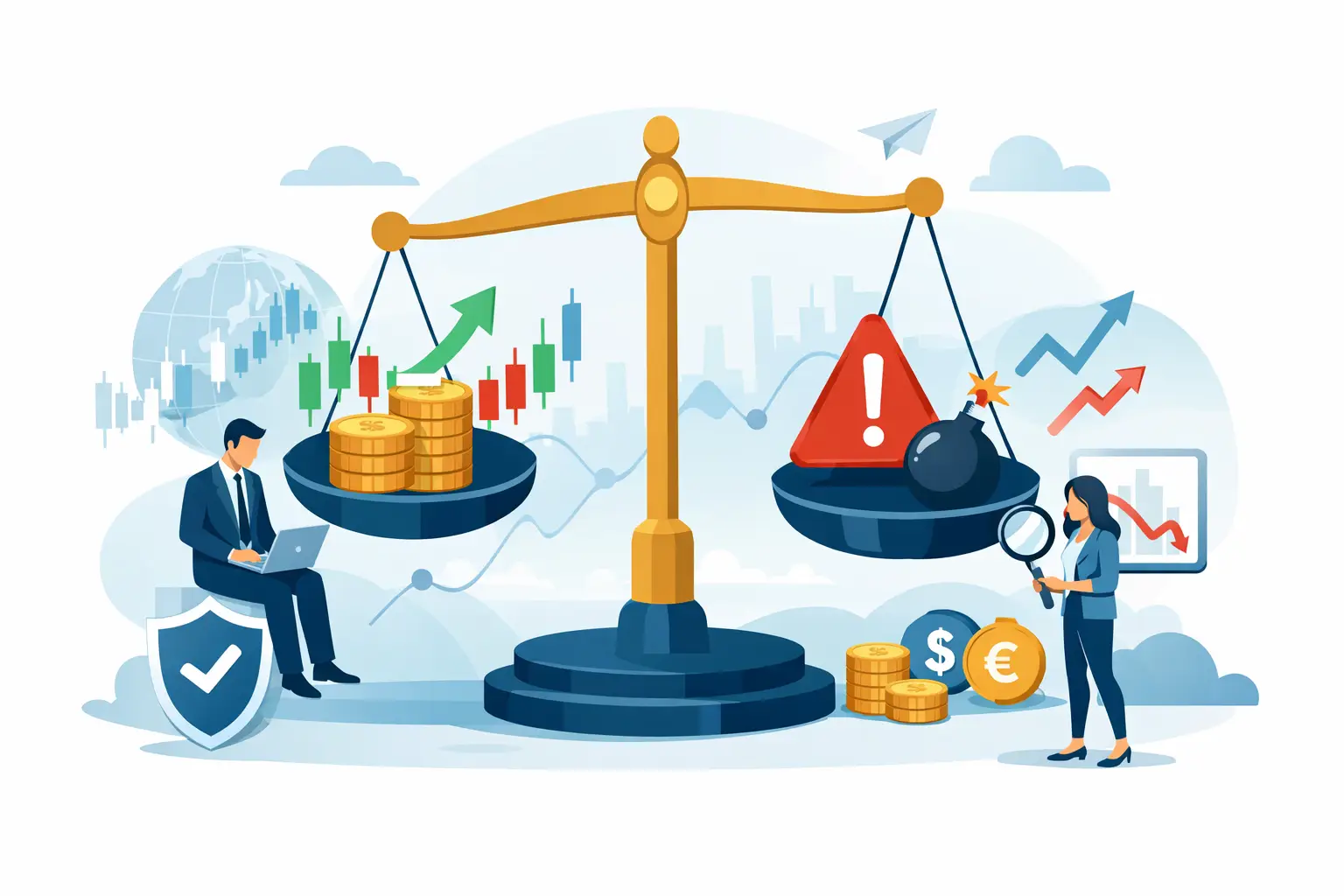
The strongest reason to consider CFDs is flexibility: flexible markets, flexible direction, flexible platforms, and flexible ways to participate. Yet that flexibility only works in your favor when risk management comes first. Start with a market you understand, use a demo account if needed, trade small, and make every position part of a written plan.
A carefully chosen first trade will teach you more than a dozen impulsive ones. Build confidence through preparation, not oversized exposure, and let your process determine when the next market opportunity is worth taking.