 English
 Portuguese
 Bahasa
Melayu
Bahasa
Melayu ไทย
ไทย 中文
中文 Tiếng Việt
 Español
 हिन्दी
 日本語
日本語 العربية
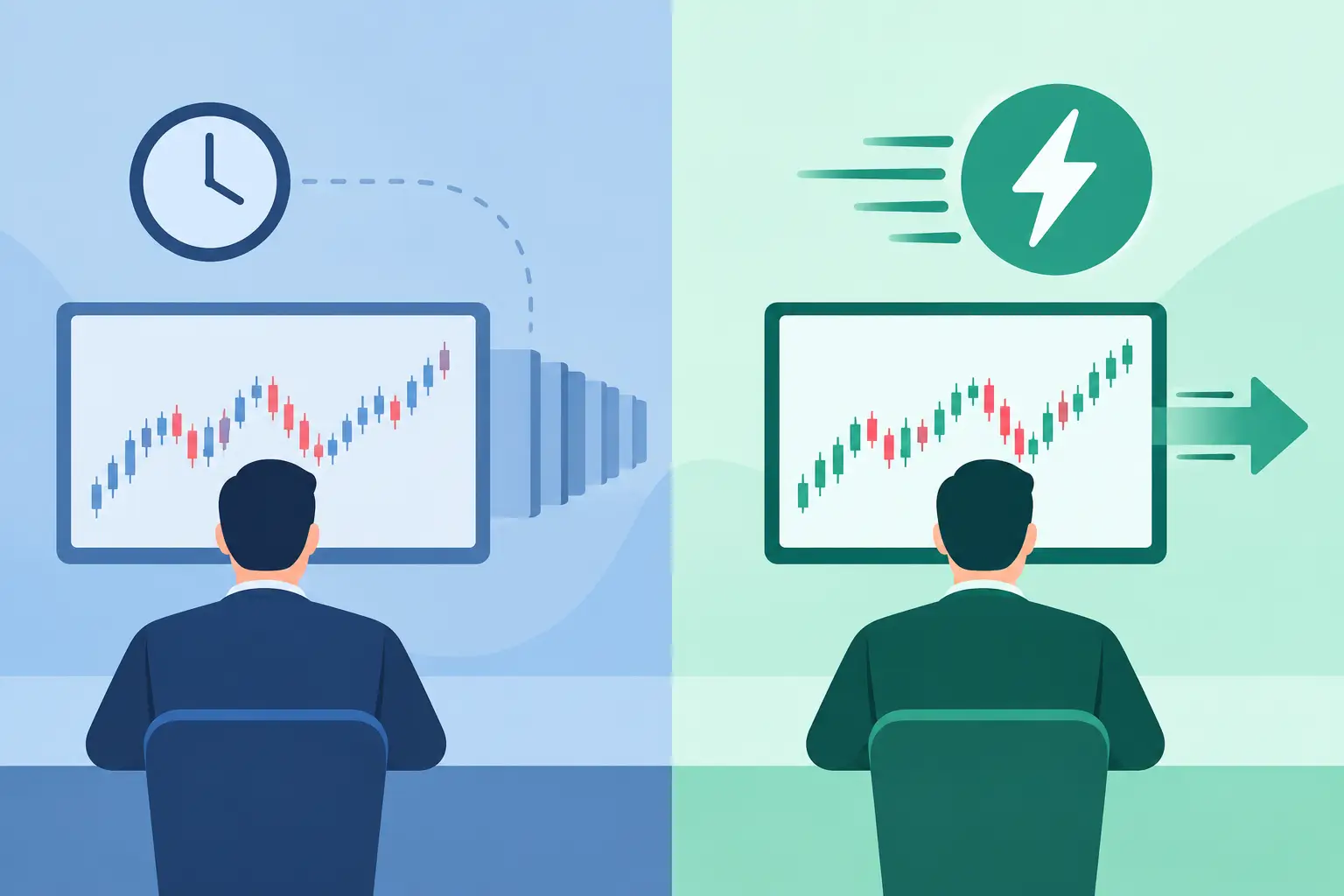
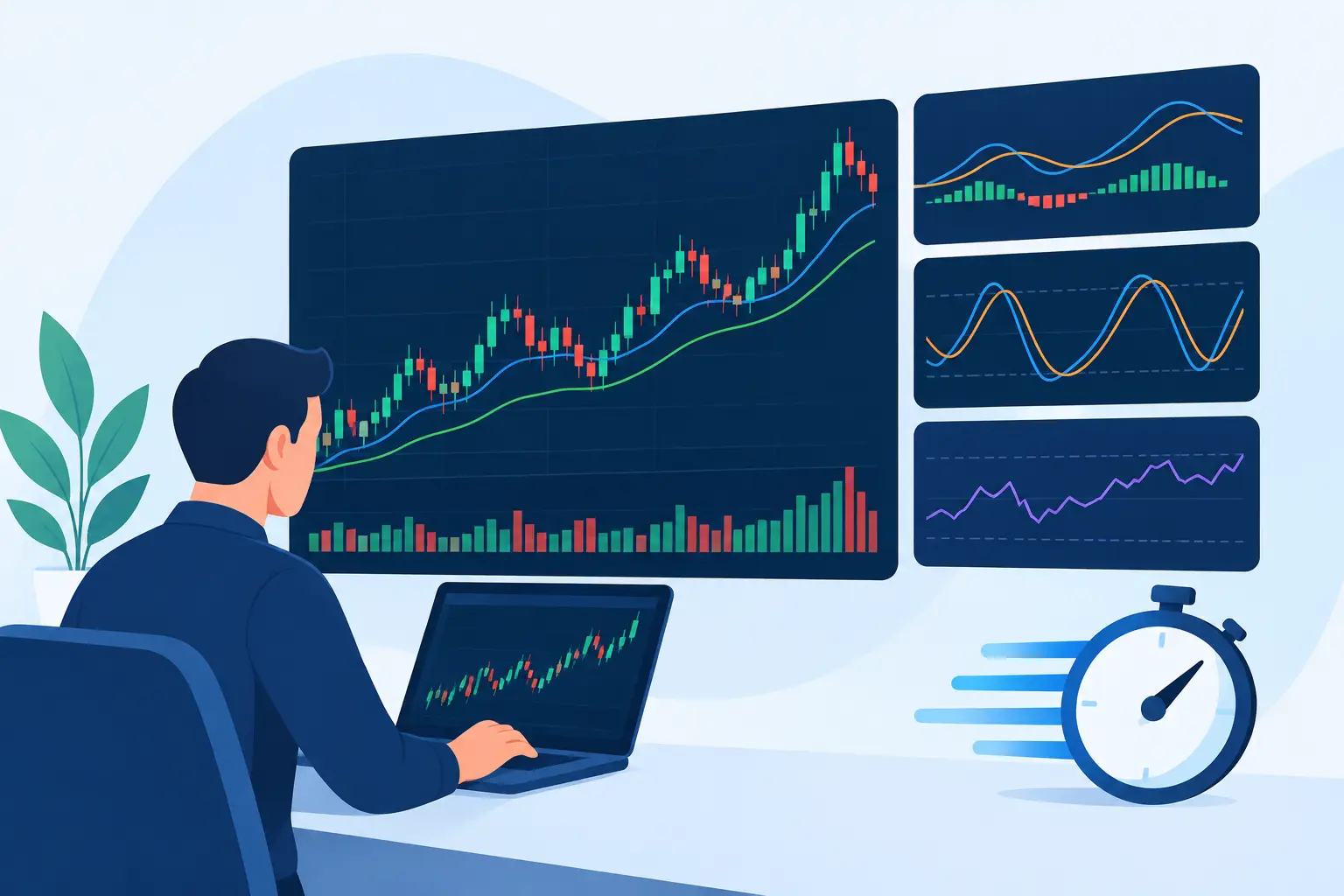
A fast-moving market can change between the moment you click Buy and the moment your order reaches the market. That gap is where latency matters. So, what is latency? In online trading, it is the delay between an action taking place and the result being received – such as the time between submitting an order and getting confirmation that it was executed.
For a trader watching a quiet daily chart, a few milliseconds may have little practical impact. For someone entering a short-term forex trade during a major economic release, those same milliseconds can affect the price received, the timing of a stop loss, or whether a strategy performs as expected. Understanding latency helps you assess your trading setup realistically and make better decisions when market conditions accelerate.
What Is Latency in Trading?
Latency is commonly measured in milliseconds, abbreviated as ms. One second contains 1,000 milliseconds, so a delay of 100 ms equals one-tenth of a second. That sounds insignificant, but markets do not wait. Prices can update multiple times per second, particularly in highly liquid instruments or during periods of heightened volatility.
Trading latency is not one single delay. It is the combined time required for data and orders to move through several stages. A price quote travels from market infrastructure to your trading platform. Your platform displays it, you decide to act, and your order then travels through your internet connection, the platform’s systems, and the broker’s execution environment. A confirmation must then make the return journey to your screen.
This is why a displayed price is not necessarily a guaranteed execution price. The quote you see reflects the information available when it reached your device. By the time an order is processed, the market may have moved. That does not automatically mean something is wrong. It is a normal part of trading in live, changing markets.
Why Latency Matters to Active Traders
Latency has the greatest effect when speed is central to the strategy. Scalpers, news traders, algorithmic traders, and traders managing several positions at once are often more sensitive to execution timing than investors holding positions for days or weeks.
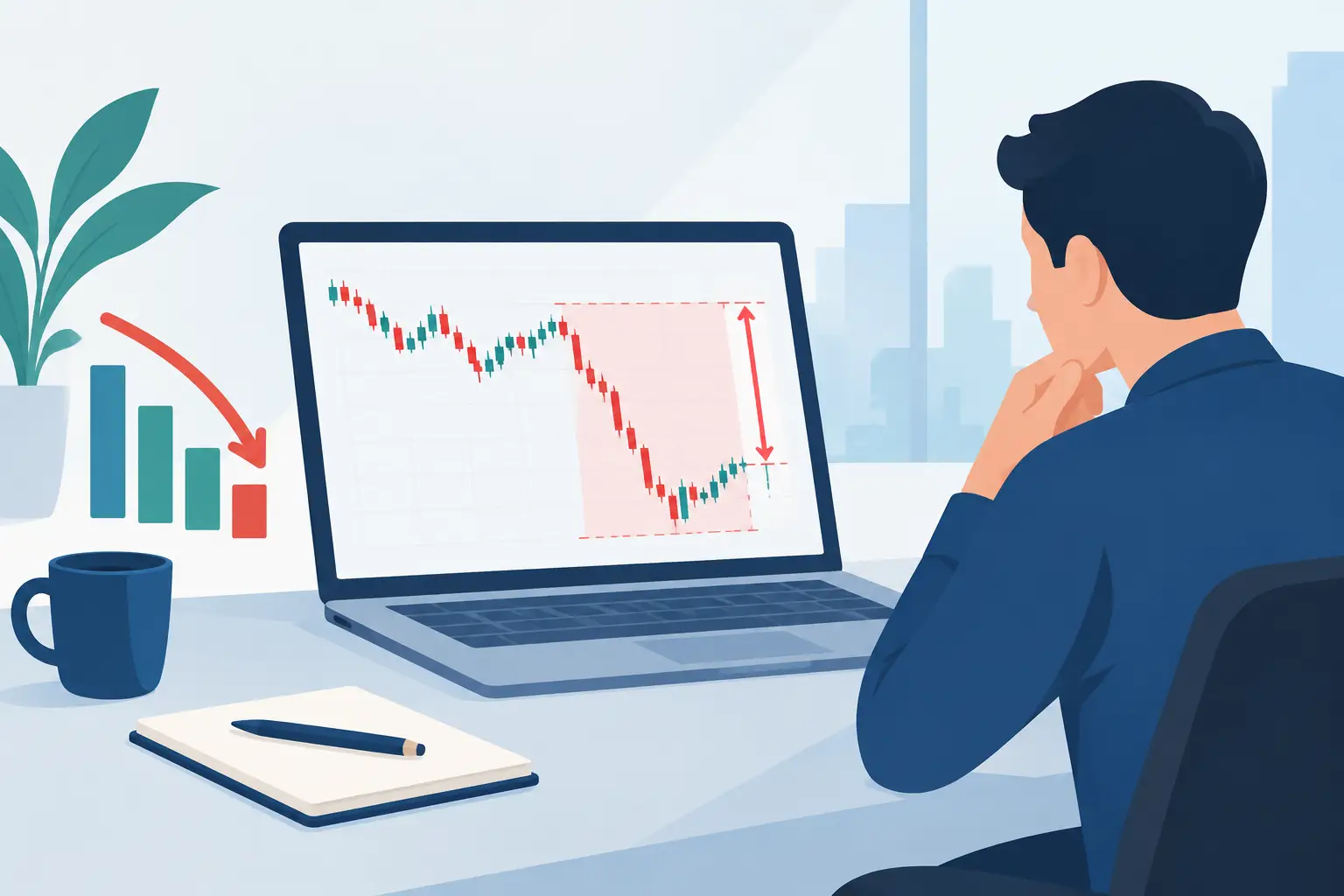
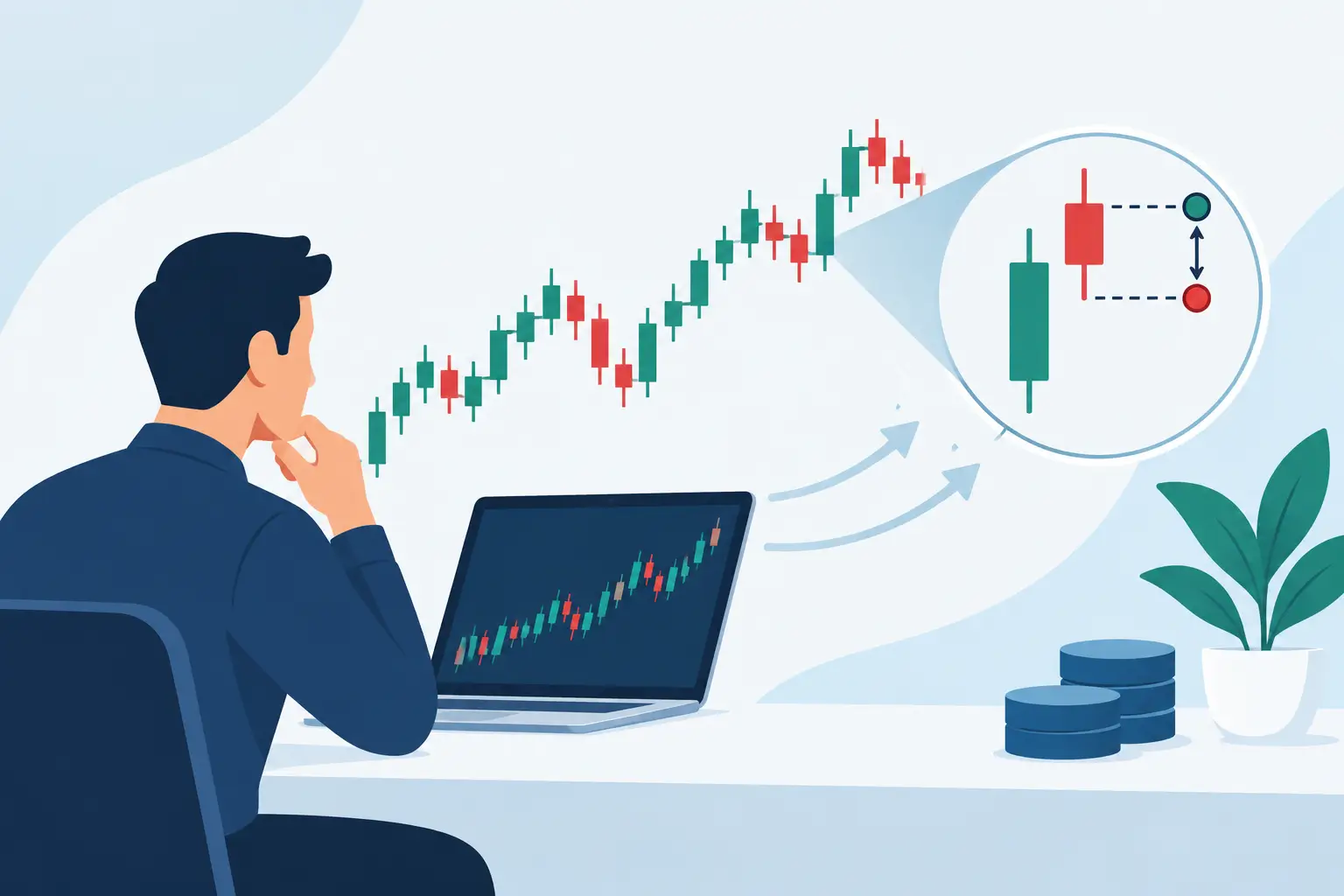
Consider a trader placing a market order on EUR/USD immediately after an inflation announcement. Liquidity may shift, bid-ask spreads can widen, and prices may move rapidly while the order is traveling for execution. If the available price changes before the order is filled, the result can be slippage – an execution at a different price than expected.
Slippage is not always negative. A fast market can move in your favor as well as against you. Still, traders should plan for the possibility of less favorable fills, especially around central bank decisions, employment reports, geopolitical headlines, market opens, and other high-impact events.
Latency also affects trade management. If a connection freezes or responds slowly, you may not see a price update immediately. An attempt to modify a stop loss, close part of a position, or cancel a pending order may take longer than expected. This is one reason risk controls should be established before volatility arrives rather than added after a trade begins moving quickly.
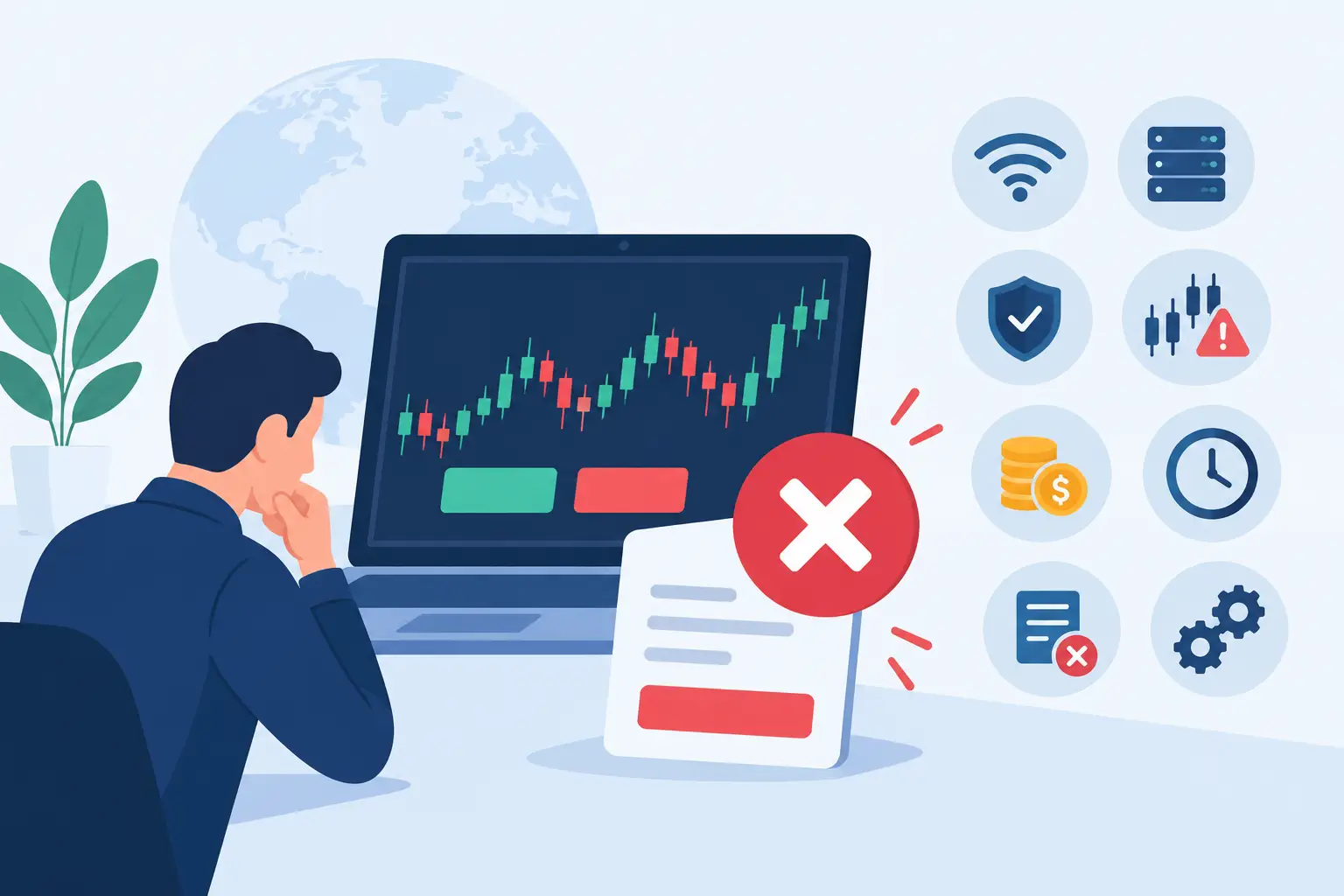
Where Trading Latency Comes From
The distance between your device and the broker’s systems is only one part of the picture. Latency can arise at several points in the trading process.
Your internet connection is an obvious factor. An unstable Wi-Fi signal, a crowded public network, limited mobile coverage, or background downloads can introduce delays and interruptions. A wired connection is often more consistent than Wi-Fi for traders who need dependable access during active sessions, although the quality of the broader connection still matters.
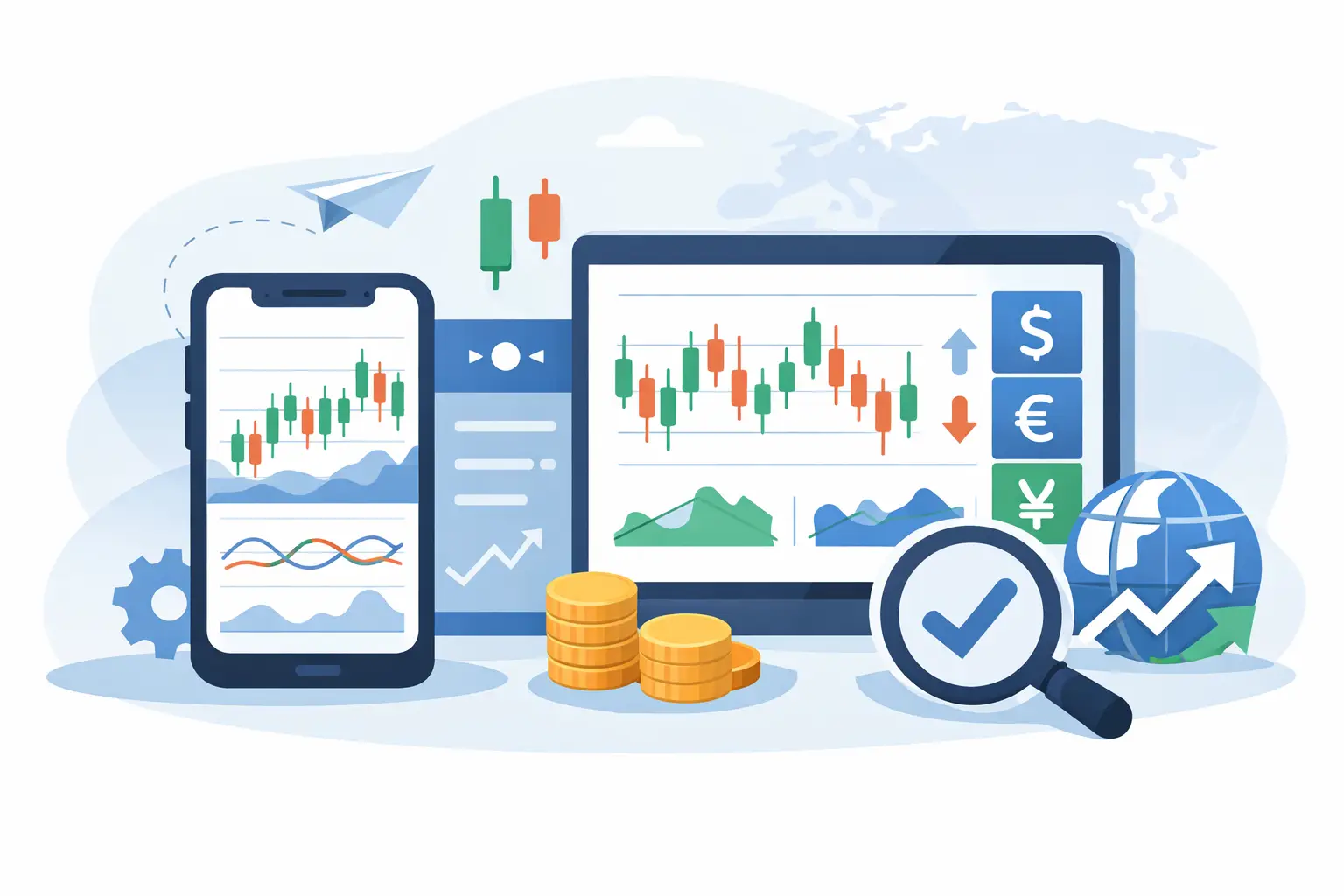
Your device can contribute as well. An older computer running multiple browser tabs, streaming services, large files, and several trading applications has fewer resources available for price feeds and order management. Mobile trading is convenient for monitoring and managing positions, but network handoffs and variable signal strength can make it less predictable than a stable desktop setup.
Platform performance is another factor. Charts, indicators, automated strategies, and copied trades all require processing. A heavily customized workspace may be useful, but it can also consume more device resources. Traders using MT4, MT5, or cTrader should keep their platform organized and test how it performs under their normal conditions.
Finally, market conditions themselves can create delays. During major news releases, a larger volume of orders may enter the market at once. Liquidity providers may update prices quickly, spreads can change, and execution conditions may differ from the quieter environment seen minutes earlier. No internet upgrade can remove the market risk associated with sudden volatility.
Latency, Spreads, and Slippage Are Different
These terms are connected, but they describe different parts of the trading experience.
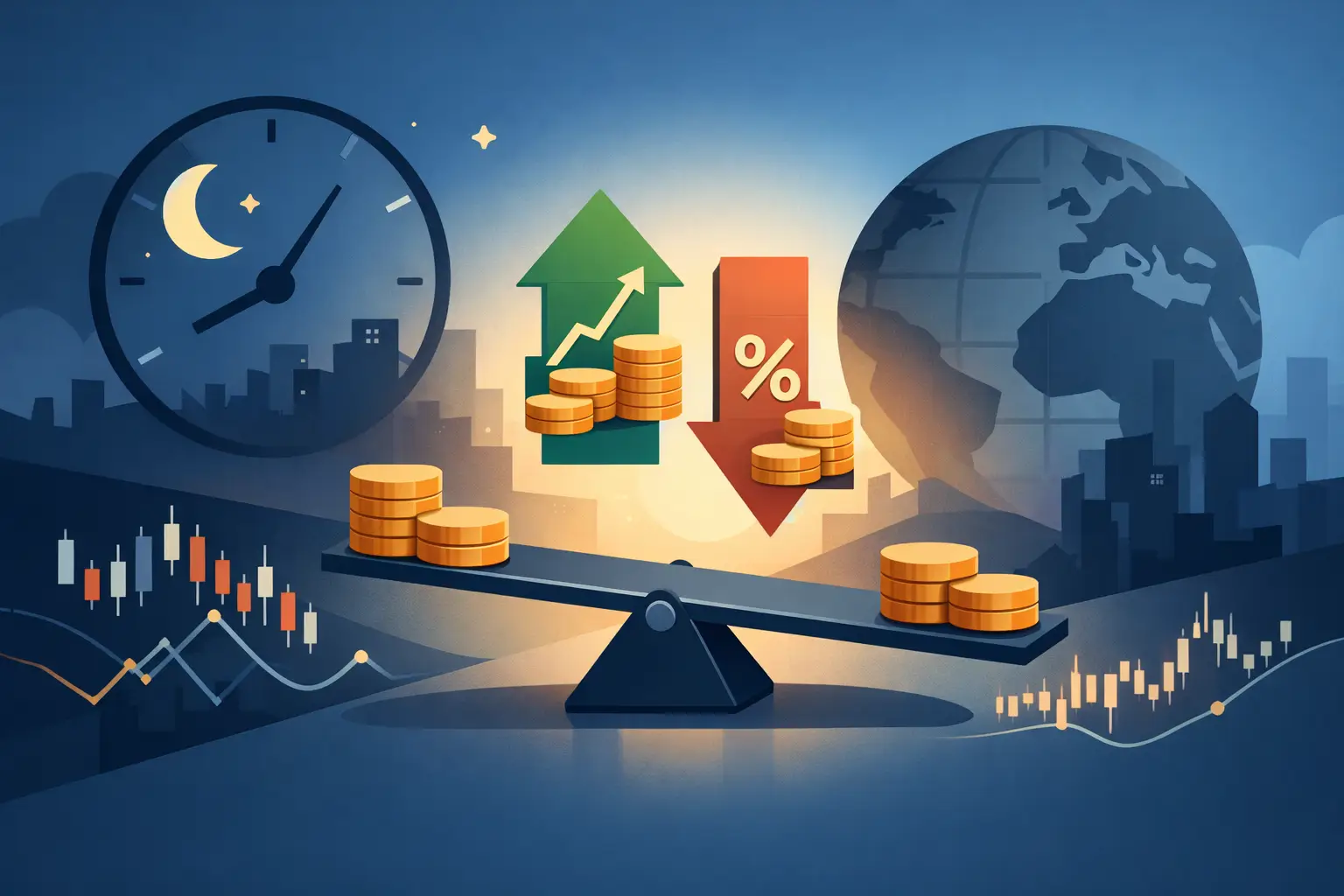
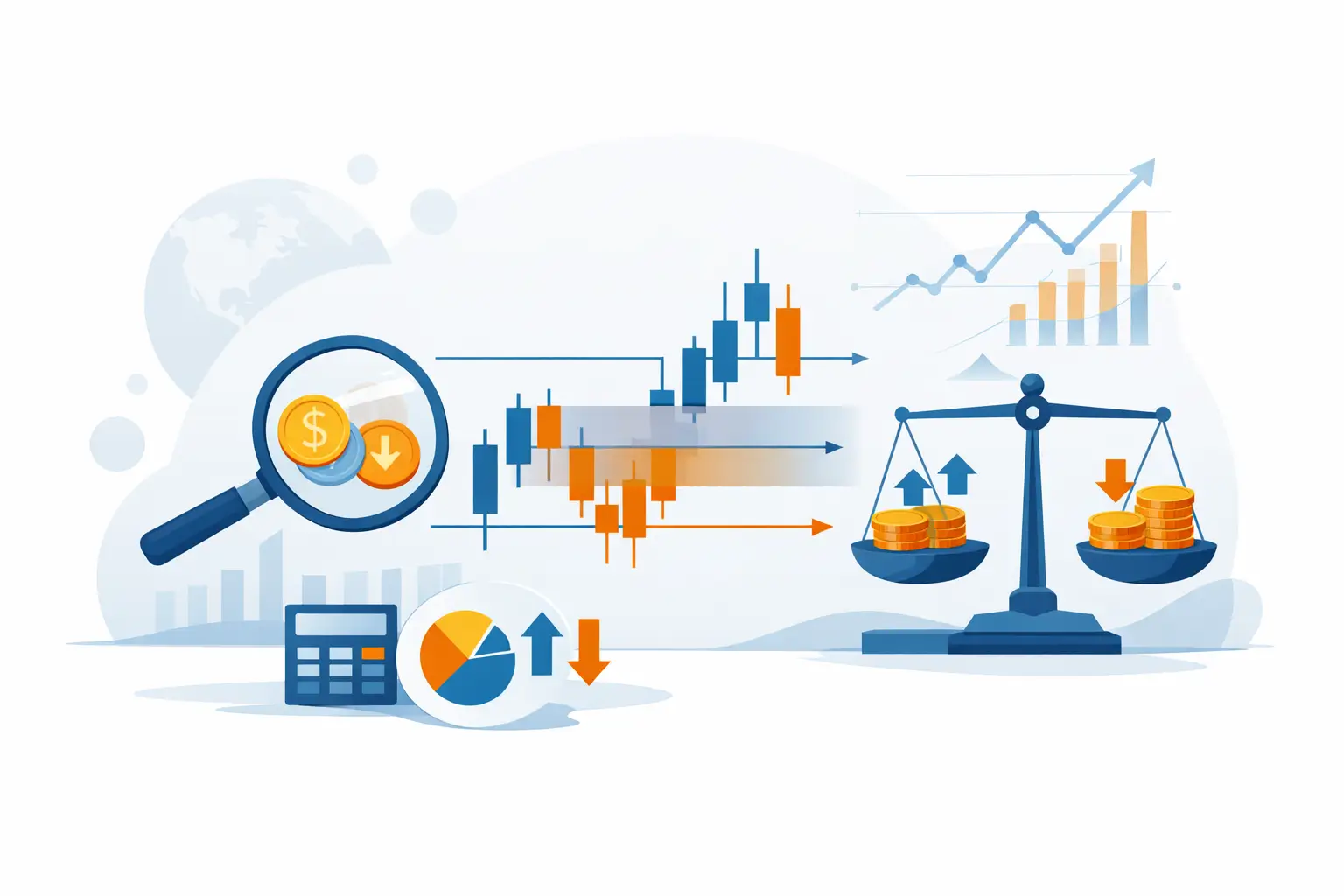
Latency is the time delay in receiving information or processing an order. The spread is the difference between the bid and ask price. Slippage is the difference between the price expected and the price at which an order is executed. A trade can experience low latency and still face slippage if the market moves sharply. It can also have a tight spread but poor timing if a slow connection delays the order.
Looking at all three provides a more useful view of trading conditions. Focusing on a single number can lead to poor assumptions. For example, the lowest advertised spread is not the only consideration for a short-term strategy. Execution behavior, liquidity, volatility, account conditions, platform stability, and your own connection all affect the final trading result.
How to Reduce Trading Latency
You cannot eliminate latency entirely, but you can reduce avoidable delays. Start with the part you control: your trading environment. Use a reliable internet provider, avoid overloaded networks when placing time-sensitive trades, and consider a wired connection for your primary workstation.
Keep your device focused. Close software that is not needed during a trading session, pause large uploads or downloads, and make sure your operating system and trading platform are current. If you use expert advisors, indicators, or copy trading tools, test them on a demo environment first to see how they affect platform performance.
Choose the right approach for your strategy. A trader who relies on seconds or milliseconds should be especially selective about session timing, internet quality, and platform configuration. A swing trader may care more about disciplined position sizing, stop placement, and overnight risk than shaving a small amount of time from an order route.
It also helps to avoid treating rapid execution as a substitute for a trading plan. Fast access can support a well-defined strategy, but it cannot turn impulsive decisions into controlled risk. Set entry criteria, identify your exit levels, and understand what you will do if volatility causes spreads to widen or execution differs from the displayed quote.
When Low Latency Matters Less
Not every trader needs to optimize for the lowest possible milliseconds. If your strategy uses higher time frames and wider targets, small execution differences may have limited influence on the overall result. Chasing speed can become a distraction when the larger issue is weak trade selection or excessive leverage.
That said, basic reliability matters for everyone. Whether you trade forex, crypto CFDs, indices, commodities, or stock CFDs, you need an environment that lets you monitor positions and place orders with confidence. The goal is not perfection. It is to align your technology, platform, and trading style with the actual risks you take.
Build a Setup That Matches Your Trading Style
Before your next active session, check your connection, platform responsiveness, and open applications. Then consider the market environment you are trading. A calm session and a major data release should not be approached with the same expectations for spreads, price movement, or execution.
Latency is part of the infrastructure behind every online trade. When you understand where delays come from and prepare for them, you can focus less on reacting to technical surprises and more on executing your plan with discipline.