 English
 Portuguese
 Bahasa
Melayu
 ไทย
 中文
 Tiếng Việt
 Español
 हिन्दी
 日本語
 العربية

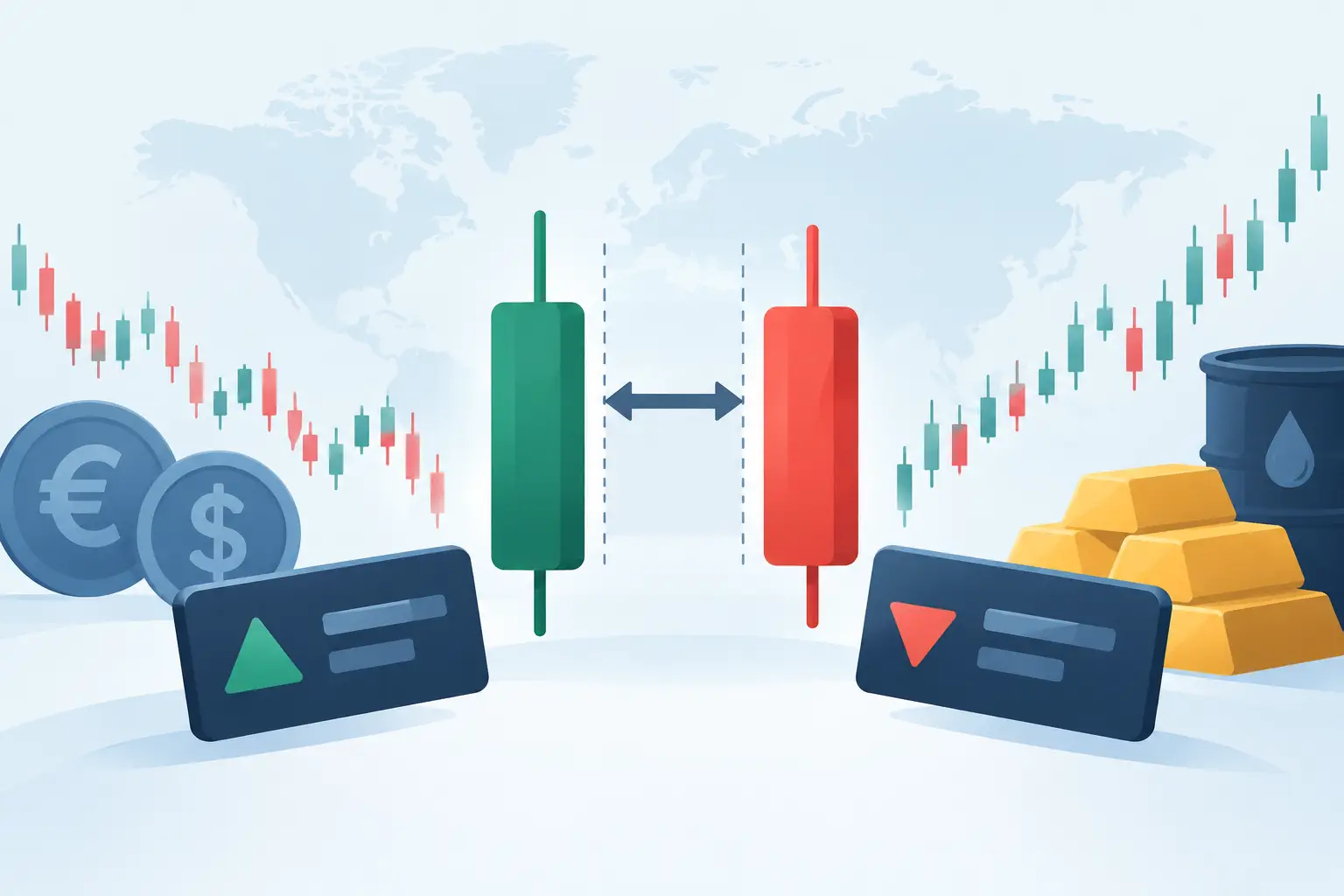
A EUR/USD position can react to a central bank statement in seconds. A gold, Nasdaq 100, or crypto position may move for entirely different reasons – inflation data, earnings expectations, geopolitical headlines, or changing risk appetite. That distinction sits at the center of CFD trading vs forex trading differences 2026: forex focuses on currencies, while CFDs can provide leveraged access to a much wider range of markets.
For active traders, the question is not which product is universally better. It is which market, trading structure, and risk profile fit the opportunity you want to trade. Forex can offer deep liquidity and a focused market environment. CFDs can offer flexibility across asset classes from one trading account and platform.
CFD trading vs forex trading differences in 2026
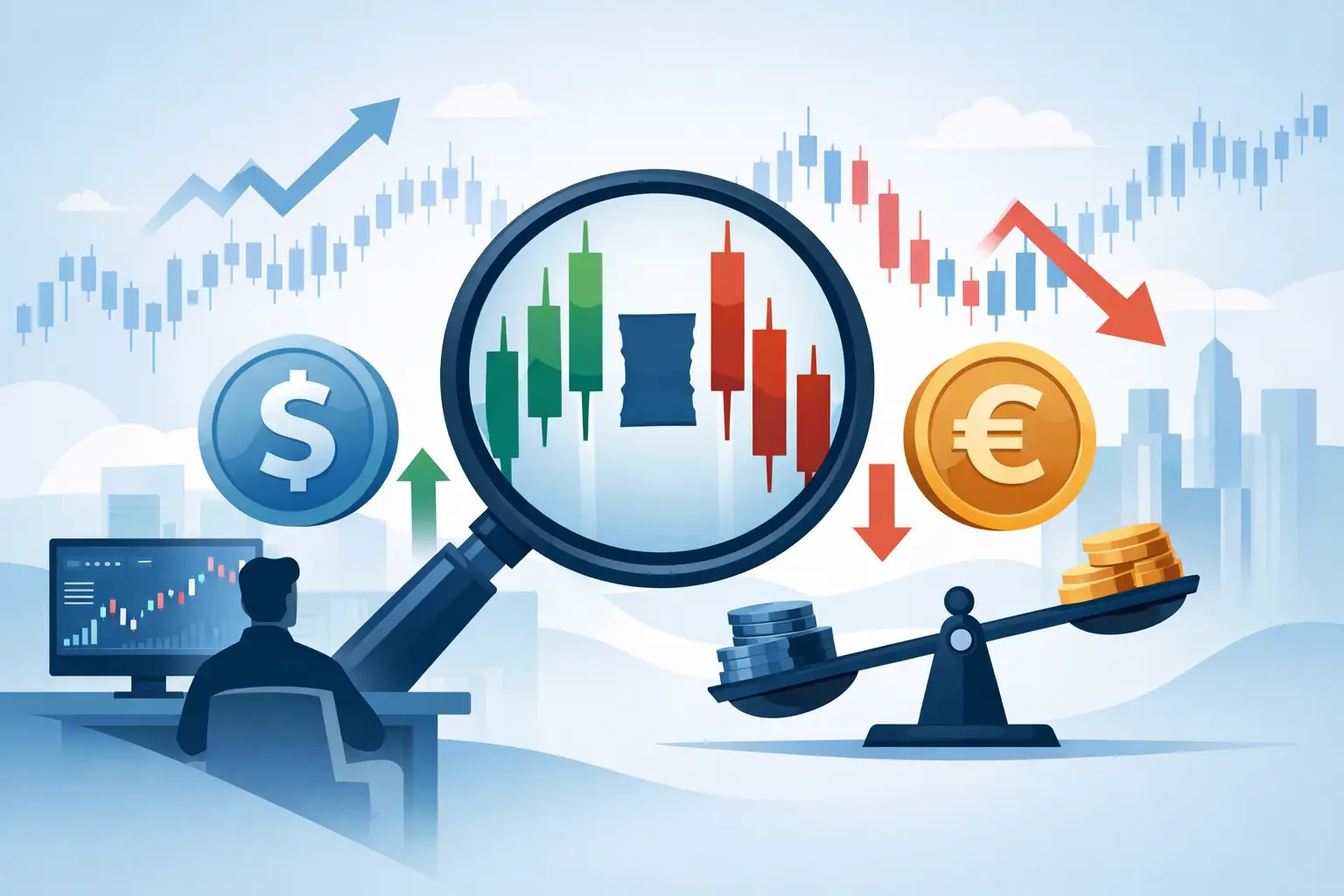
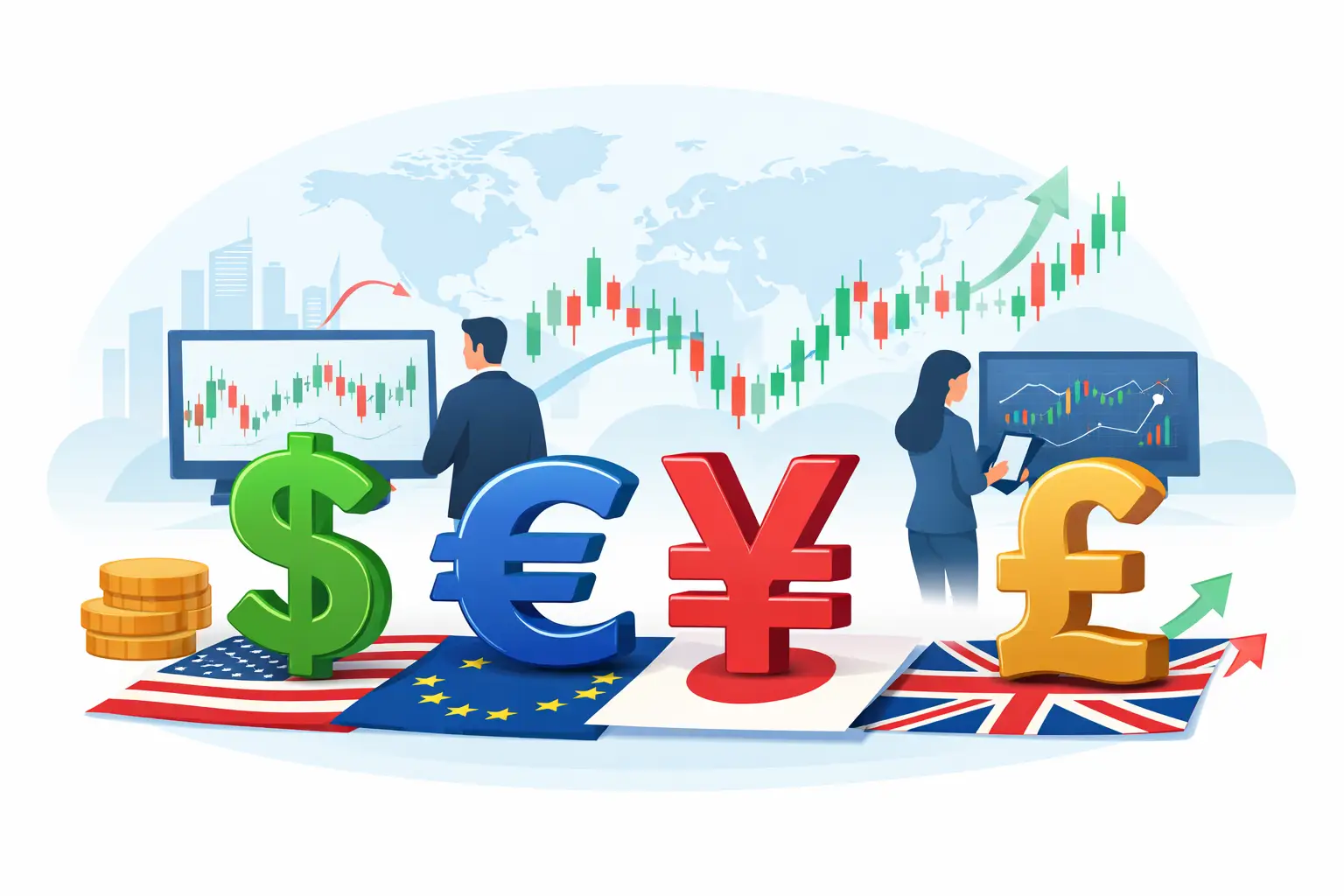
Forex trading involves buying one currency while selling another. When you trade EUR/USD, for example, you are speculating on whether the euro will rise or fall against the US dollar. Currency pairs are the instrument itself, and their prices are driven by interest rates, economic releases, central-bank policy, capital flows, and political developments.
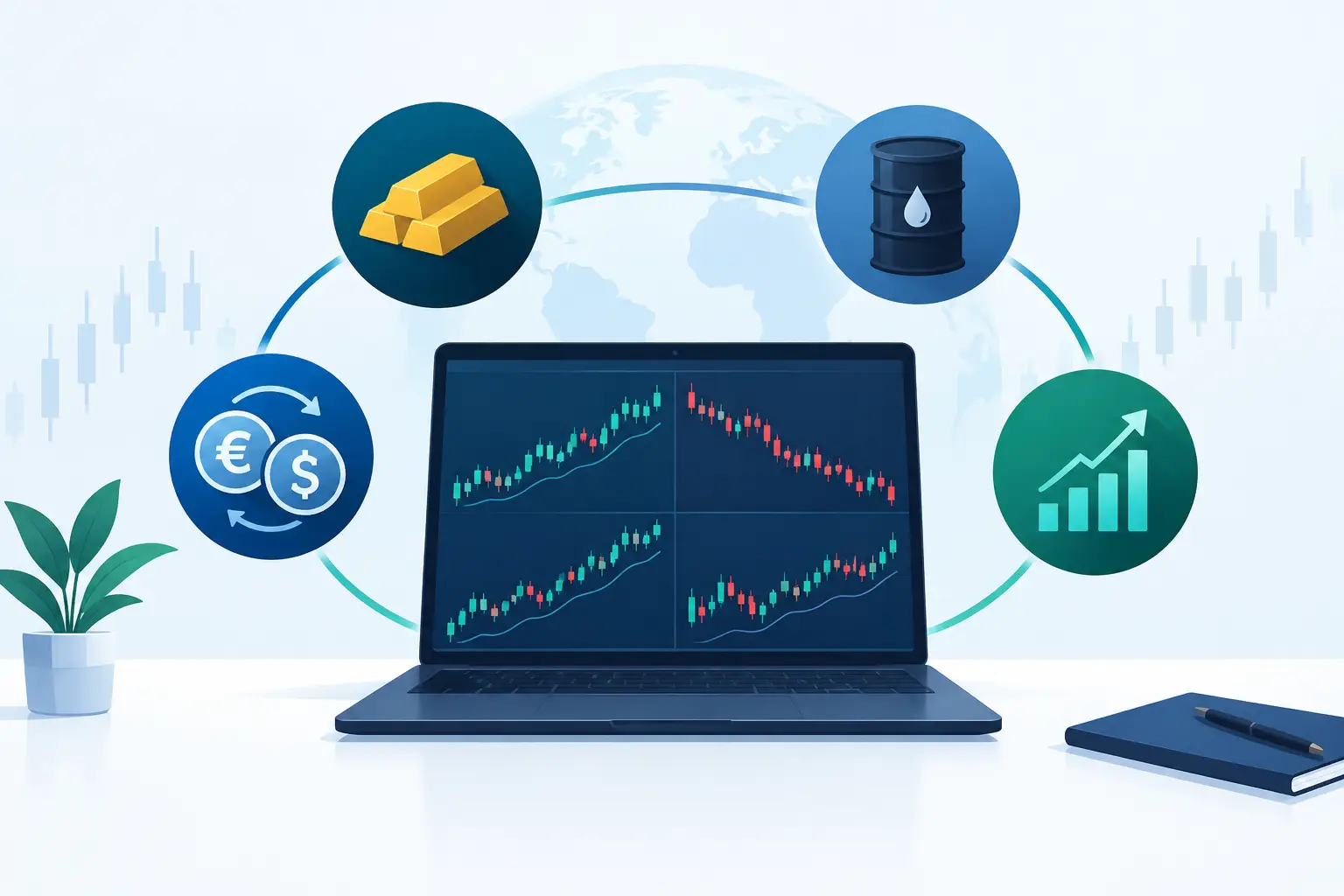
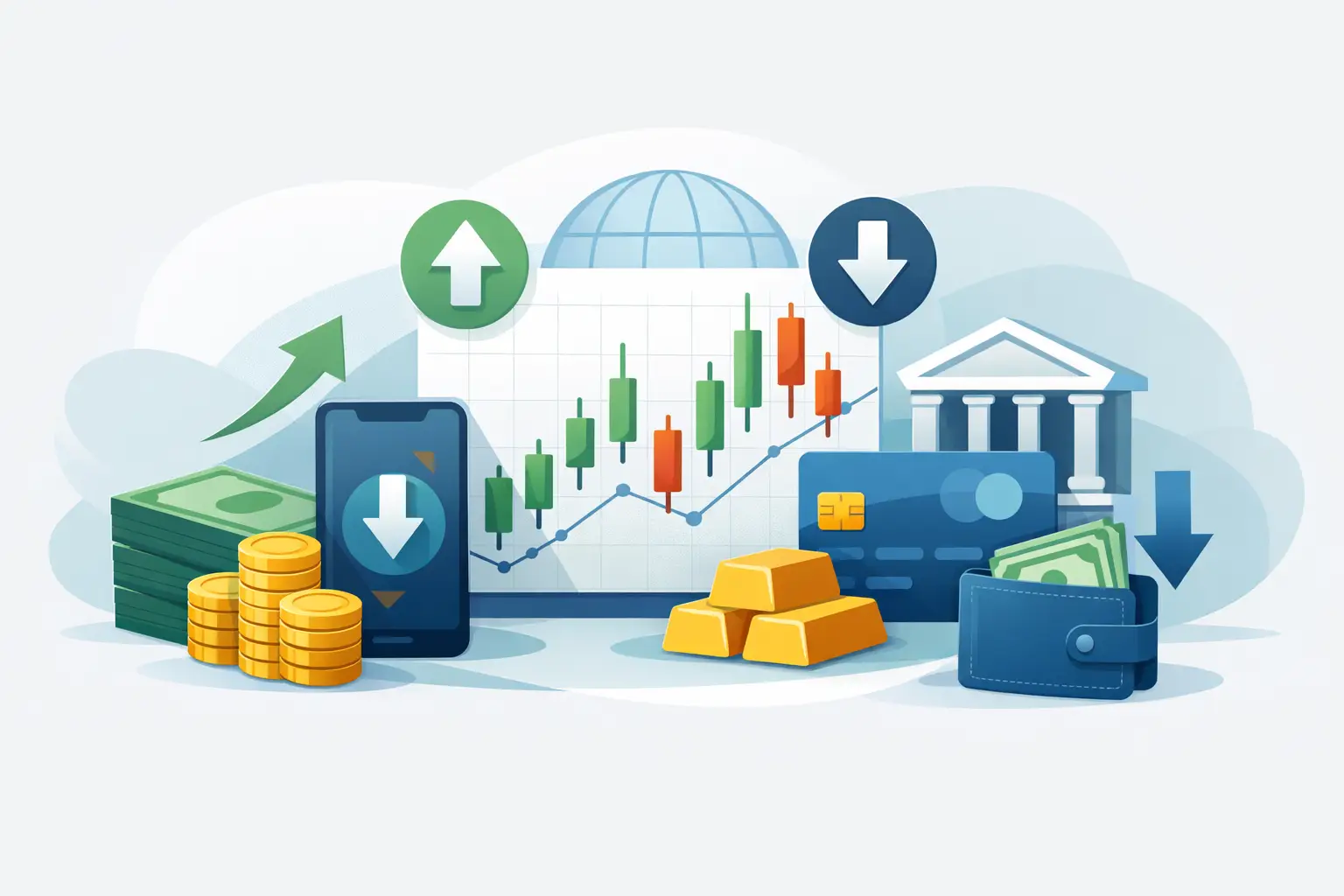
CFD stands for contract for difference. A CFD is a derivative contract that tracks the price movement of an underlying market without requiring you to own the underlying asset. Depending on the broker’s product range and regional availability, CFDs may cover forex pairs, indices, commodities, stocks, ETFs, and cryptocurrencies.
This creates an overlap that often confuses newer traders: a forex pair can be traded as a CFD. In practical terms, many online brokers provide forex trading through a CFD-style leveraged product. The clearest comparison is therefore forex as a currency-focused market versus CFDs as a broader product category that may include forex alongside other instruments.
The core difference is market breadth
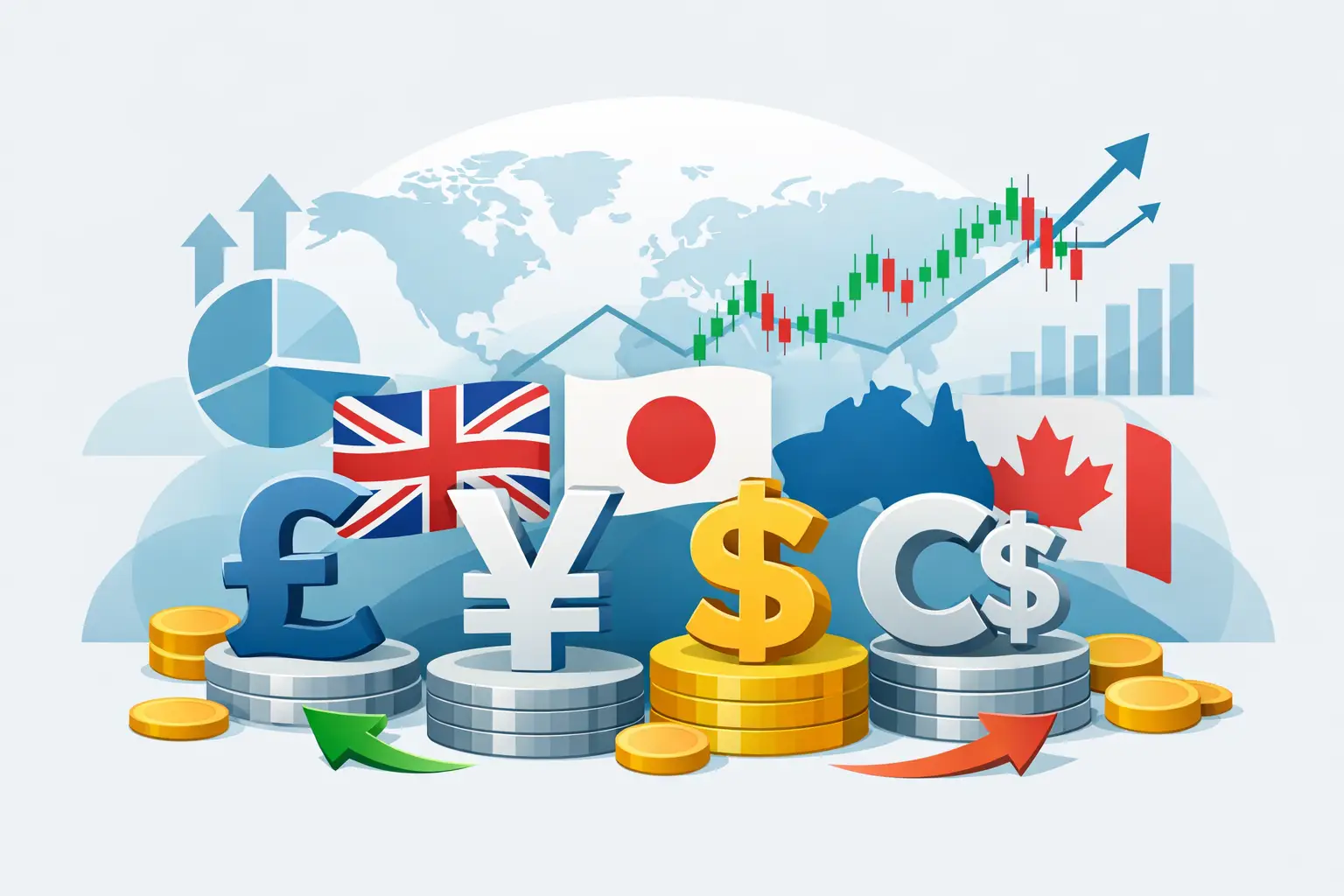
A forex-only approach keeps your attention on currency pairs such as EUR/USD, GBP/USD, USD/JPY, and AUD/USD. That can be an advantage. You can learn the economic drivers behind a smaller number of instruments, track the major trading sessions, and build a repeatable routine around releases such as employment data, inflation reports, and rate decisions.
CFD trading gives you more markets to act on when currencies are quiet or moving without a clear trend. A trader watching a US inflation release might trade the dollar through a forex pair, gold through a commodity CFD, a major equity index through an index CFD, or a stock CFD if a specific company has earnings exposure. The opportunity set is wider, but so is the need for market-specific research.
How pricing and costs differ
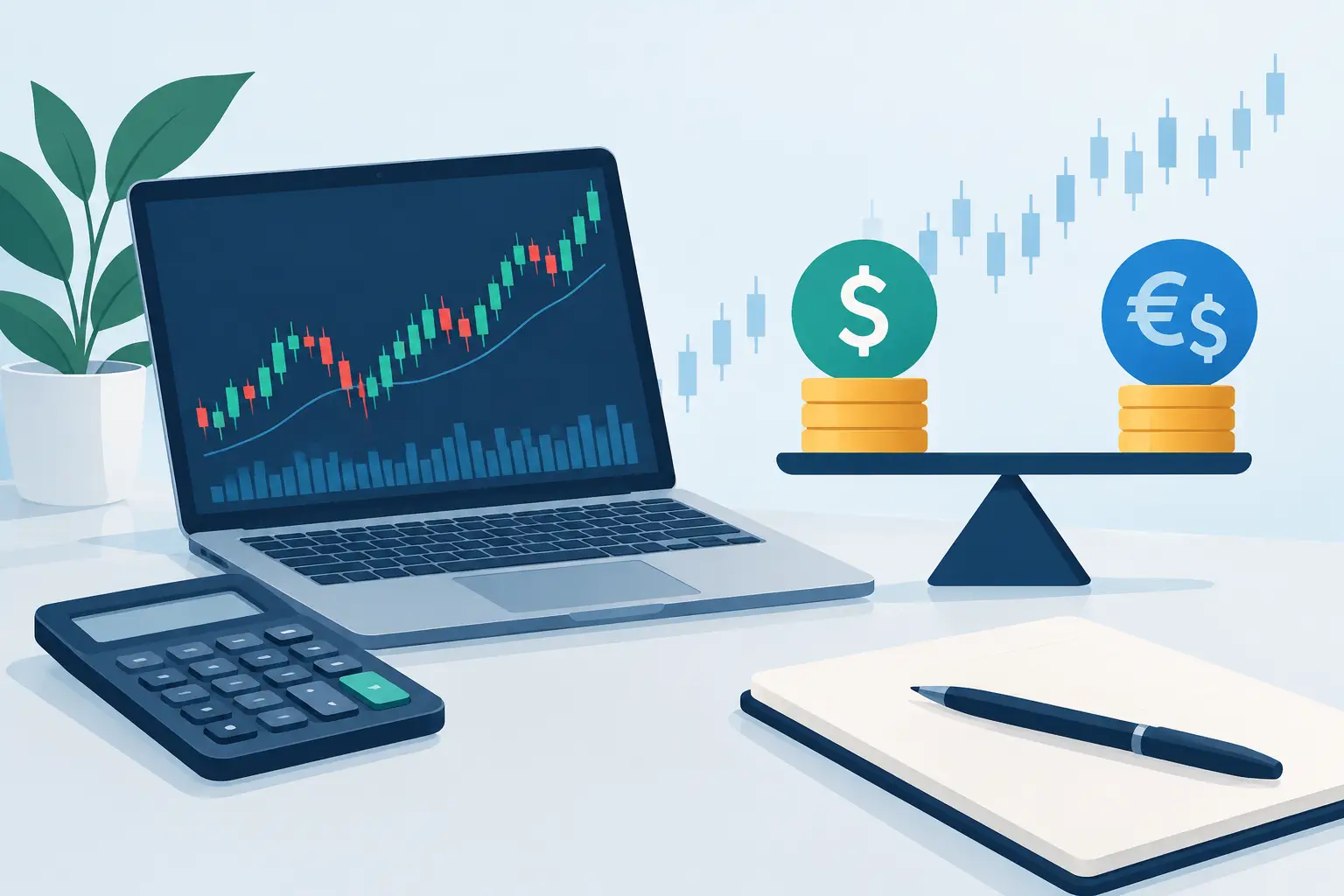
Forex pricing is quoted in pairs. The first currency is the base currency and the second is the quote currency. If EUR/USD moves from 1.0800 to 1.0850, the euro has strengthened against the dollar. Traders typically see a bid price, an ask price, and the spread between them.
CFD pricing depends on the underlying market. An index CFD follows its index, a gold CFD follows gold pricing, and a stock CFD follows the relevant share price. The exact pricing model, spread, commission structure, and available contract specifications vary by instrument and account type.
For both products, the spread is only part of the trading cost. Traders should also check whether commissions apply, what happens when a position is held overnight, and how financing or swap charges are calculated. Overnight funding is especially relevant for CFDs because many positions are designed for short- to medium-term trading rather than long-term ownership.
A trader who opens and closes positions within the same session may focus primarily on spreads, commissions, execution quality, and volatility. A trader holding a position for days or weeks should give far more weight to financing costs. A setup that looks attractive on the chart can lose its edge if holding costs are not factored into the plan.
Leverage creates opportunity and risk in both markets
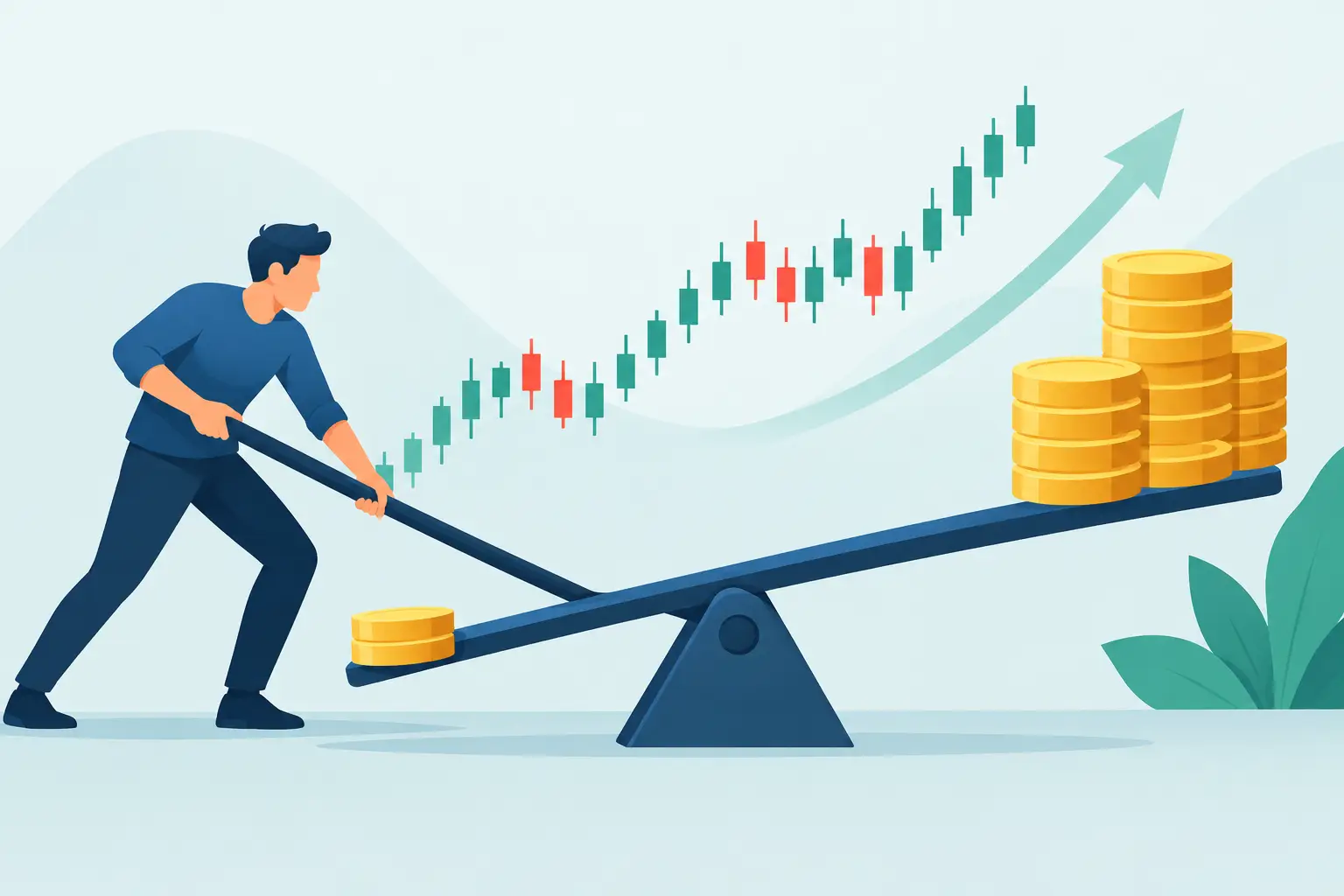
Leverage allows traders to control a larger position with a smaller amount of capital, known as margin. It is common in both forex and CFD trading, and it is one reason these products appeal to active market participants.
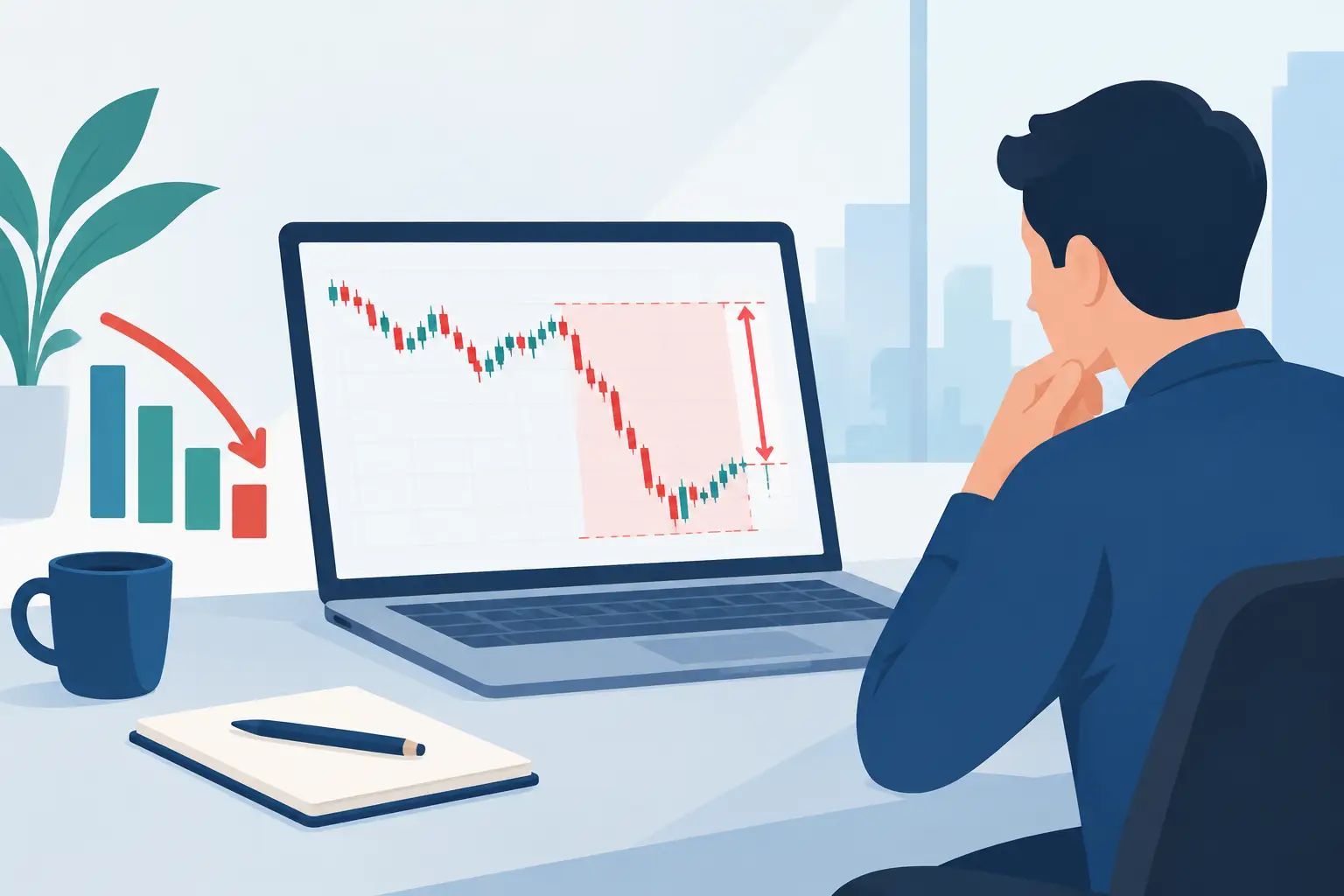
The benefit is capital efficiency. A smaller initial margin can provide exposure to meaningful price moves. The trade-off is that losses are magnified in the same way as gains. A market does not need to move far against an overleveraged position to create substantial losses or trigger a margin closeout, depending on applicable trading conditions.
Leverage should be treated as a risk-setting tool, not a reason to take the largest possible position. Before entering a trade, define the price level that proves the idea wrong, calculate the potential loss to that level, and size the position accordingly. This discipline matters whether you are trading a major currency pair or a volatile crypto CFD.
Volatility is not the same across instruments
Major forex pairs can be highly liquid, particularly during London and New York trading hours. Their moves are often measured and closely tied to macroeconomic expectations, though major data releases can create sharp volatility.
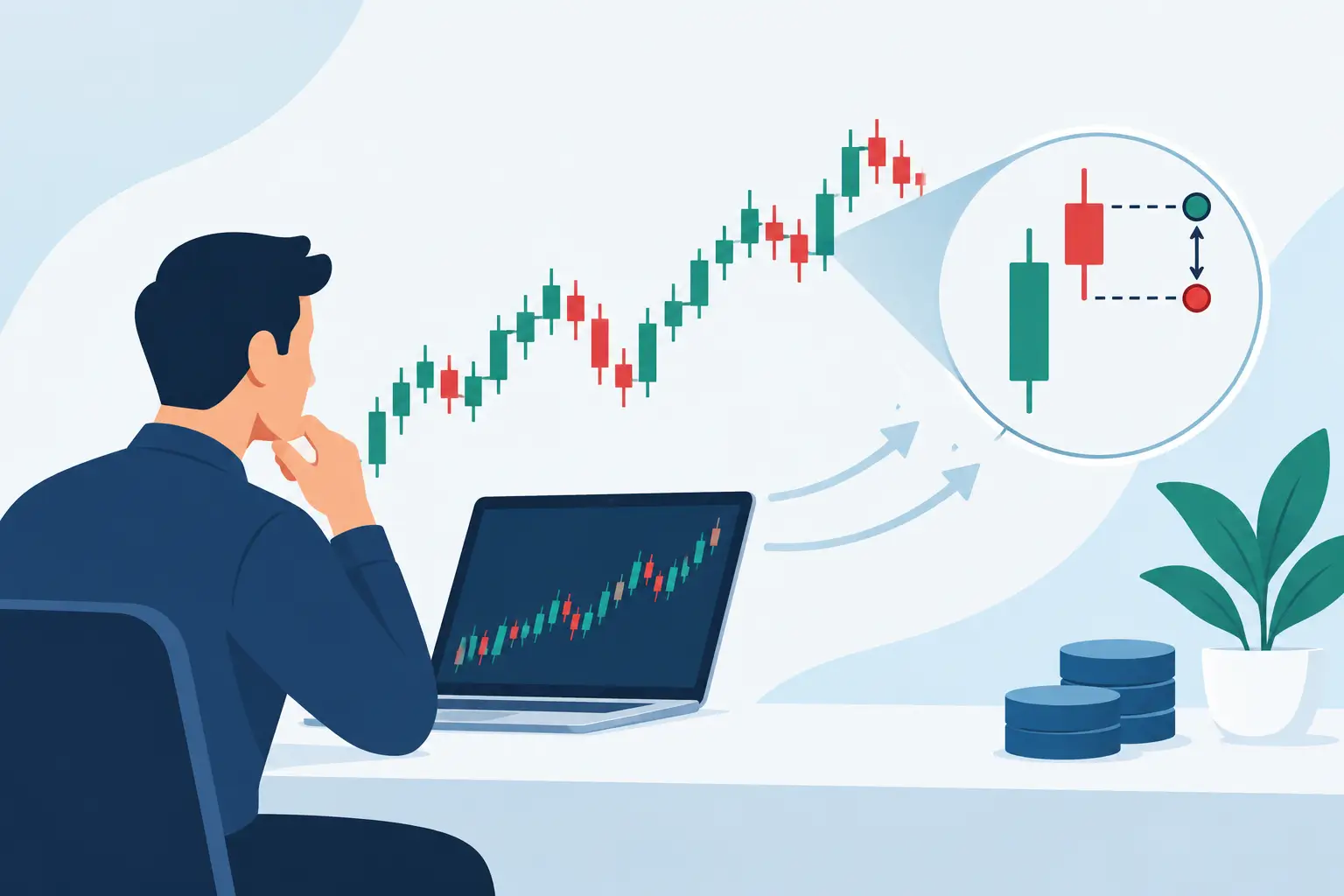
CFD markets vary much more. A major stock index may react to broad economic news. Oil can jump on supply headlines. Individual stock CFDs can gap after earnings. Crypto CFDs may experience fast price changes at any hour. Wider product access can bring more potential setups, but it also means traders must adjust position size and stop placement to each market’s typical volatility.
Trading hours and market behavior
Forex is generally available around the clock during the global trading week, from late Sunday through Friday, with liquidity shifting between the Asia-Pacific, European, and North American sessions. This appeals to traders who want flexibility around work schedules or prefer to trade specific regional sessions.
CFD trading hours depend on the underlying instrument. Many index and commodity CFDs offer extended access, but their most active periods often align with the core market hours for that asset. Stock CFDs commonly follow exchange-related trading sessions and may have different conditions around market open, close, and corporate events. Crypto CFDs may be available continuously, subject to the broker’s product schedule.
The practical point is simple: do not use one timing strategy for every CFD. A forex breakout approach designed around the London open may not suit an individual US stock CFD during earnings season. Match the strategy to the market’s liquidity, scheduled events, and normal price behavior.
Choosing platforms and instruments
The platform matters because it is where analysis, order placement, position monitoring, and risk control come together. Traders who want a familiar, flexible environment often use MT4 or MT5 for charting, technical indicators, pending orders, and mobile monitoring.
MT4 remains popular for forex-focused trading. MT5 can be especially useful for traders who want access to a broader multi-asset workflow, depending on the instruments made available by their broker. The right choice is less about platform labels and more about whether the platform supports your markets, order types, analysis process, and trading routine.
At Monaxa, traders can access forex and a broad range of CFD markets through established trading platforms, allowing them to build a more focused currency strategy or diversify their market watchlist from one ecosystem. Availability, trading conditions, and leverage can vary by jurisdiction and account type, so review the relevant specifications before placing a trade.
Which approach fits your trading style?
Forex may suit you if you prefer a concentrated market focus, enjoy following macroeconomic developments, and want to become highly familiar with a limited set of liquid currency pairs. It can be easier to create a daily routine when you are tracking the same markets and the same economic calendar drivers.
CFD trading may suit you if you want to move between currencies, indices, commodities, stocks, ETFs, and crypto based on where volatility and market themes are developing. It offers more choice, but choice is only valuable if you can avoid chasing every move. A disciplined watchlist is usually more effective than trying to trade every available instrument.
Some traders use both. They may focus on forex around central-bank decisions, trade index CFDs during equity-market momentum, and watch gold when inflation or risk-off sentiment dominates headlines. The key is to use one risk framework across every market rather than treating a new instrument as a reason to abandon position-sizing rules.
Before funding an account, identify the instruments you understand, the hours you can realistically trade, and the maximum loss you are prepared to accept on a single position. Start with a narrow watchlist, practice execution on your chosen platform, and expand only when your process remains consistent. Market access is powerful when it is paired with control.