 English
 Portuguese
 Bahasa
Melayu
Bahasa
Melayu ไทย
ไทย 中文
中文 Tiếng Việt
 Español
 हिन्दी
 日本語
日本語 العربية
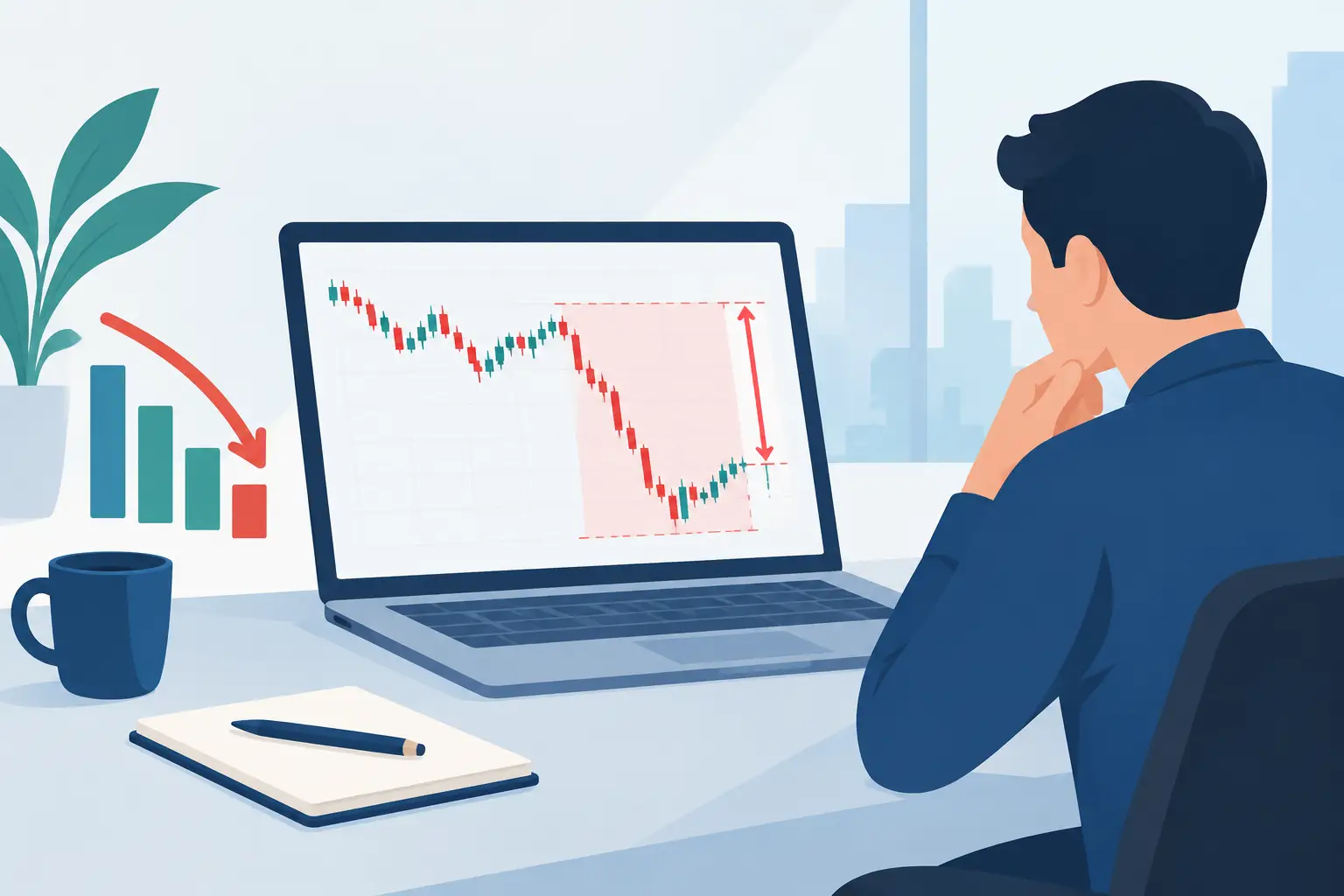
A cfd platform can look impressive in a screenshot and still feel slow, cluttered, or limiting when real market conditions hit. That gap matters. When you are trading leveraged products, the platform is not just the place where you click buy or sell. It is your trading environment, your risk control center, and often the difference between acting on an opportunity and missing it.
For new traders, the right platform reduces friction. You can find markets quickly, place orders without confusion, and monitor positions without second-guessing every step. For experienced traders, platform quality shows up in execution speed, charting depth, order flexibility, and the ability to run a strategy the way you want to run it. If you are comparing brokers or getting ready to open an account, the smarter question is not which platform looks best. It is which one fits how you trade.
What a cfd platform actually needs to do
At a basic level, a cfd platform gives you access to speculate on price movement without owning the underlying asset. That includes products such as forex, indices, commodities, crypto CFDs, and stock CFDs, depending on what your broker offers. But access alone is not enough. A useful platform has to support fast order placement, clear pricing, live charts, position monitoring, and practical risk management.
That sounds simple until you start comparing real platforms. Some are built for straightforward market access and beginner-friendly navigation. Others are designed for traders who want advanced charting, custom indicators, algorithmic tools, or copy trading features. Neither is automatically better. It depends on your goals, your experience, and how much control you want over your setup.
The best cfd platform is not the same for every trader
A beginner often benefits from a platform that keeps the learning curve manageable. Clean layout, simple navigation, and easy order entry matter more than having every technical tool on day one. If a platform is overloaded with windows, settings, and features you do not understand yet, that can slow down decision-making and increase mistakes.
An active trader usually looks at different priorities. They may want one-click trading, detailed chart customization, multiple timeframes on screen, and support for automated strategies. They may also care more about how the platform handles execution during volatile sessions.
Then there are traders who do not want to analyze every setup themselves. For them, copy trading or managed account access can be a better fit than a purely self-directed platform. A strong brokerage offering often reflects that reality by giving clients more than one way to participate in the markets instead of forcing everyone into the same workflow.
Platform usability matters more than most people expect
Most traders underestimate usability until they place live trades. In fast markets, you do not want to hunt for symbols, struggle with chart scaling, or wonder whether your stop loss was applied correctly. A good platform makes common actions feel obvious. You should be able to move from market search to trade placement to open-position management without hesitation.
Mobile access is part of this too. Many traders open positions on desktop and monitor them on mobile, while others trade almost entirely from their phones. A mobile app does not need every desktop feature, but it should let you manage risk, track margin, and react quickly. If the desktop version is strong but the mobile experience is weak, that is a real limitation for traders who need flexibility throughout the day.
Execution, pricing, and stability are where quality shows
A polished interface helps, but platform performance is what traders remember. Execution speed matters because CFDs are leveraged products and market prices can move quickly. If a platform freezes during a major release or lags while you try to close a position, the consequences can be immediate.
This is also where the platform and the broker meet. The software itself is only part of the experience. The quality of pricing, available liquidity, order handling, and infrastructure behind that platform all affect how it performs. That is why a widely recognized platform can feel very different from one broker to another.
Stability matters just as much as speed. If you trade around volatile sessions, a platform should remain responsive when traffic increases and price action accelerates. No platform can remove market risk, and slippage can still happen in fast conditions, but a reliable setup gives you a better chance of managing trades as intended.
Charting and tools should match your strategy
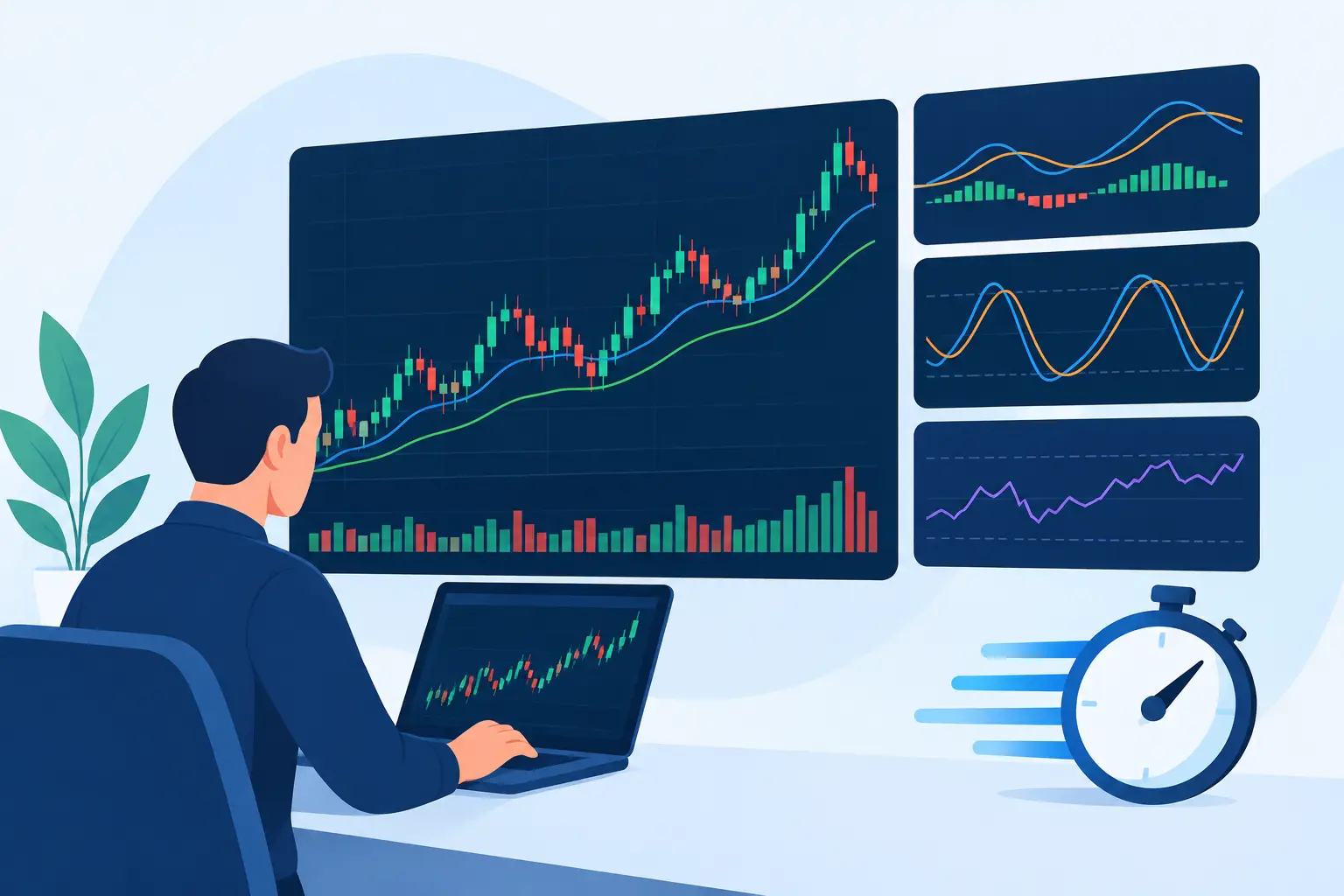
Some traders need clean charts and a few indicators. Others build decisions around layered technical analysis, custom templates, or automated systems. There is no advantage in paying attention to tools you will never use, but there is a downside if your platform cannot support your strategy once your trading becomes more developed.
This is where popular platforms tend to separate into different use cases. MT4 remains familiar to many forex-focused traders because it is straightforward and widely adopted. MT5 expands market coverage and functionality for traders who want broader access and more built-in tools. cTrader appeals to users who want a more modern interface, strong charting, and flexible execution. Copy-focused solutions serve traders who prefer to follow strategy providers rather than trade every position manually.
The trade-off is that more tools can mean more complexity. A beginner may open an advanced platform and assume it is automatically superior, when in reality it may be less efficient for their current stage. The better move is to choose a platform that fits your trading now, while leaving room to grow.
Risk management features are not optional
A serious cfd platform should make risk controls easy to use, not buried in menus. You need clear visibility on margin, floating profit and loss, used and free margin, and account exposure. Setting stop loss and take profit levels should be straightforward before and after entry.
This is especially important for traders using leverage across multiple markets. A platform that shows position data clearly helps you stay disciplined. A platform that hides key information or makes changes awkward can increase avoidable errors.
It also helps when the platform supports different order types that match your approach. Market orders may be enough for some traders. Others rely on limit orders, stop orders, or more advanced conditional logic. Again, the right level of functionality depends on how you trade, but risk management should never feel like an afterthought.
Market access should match your opportunities
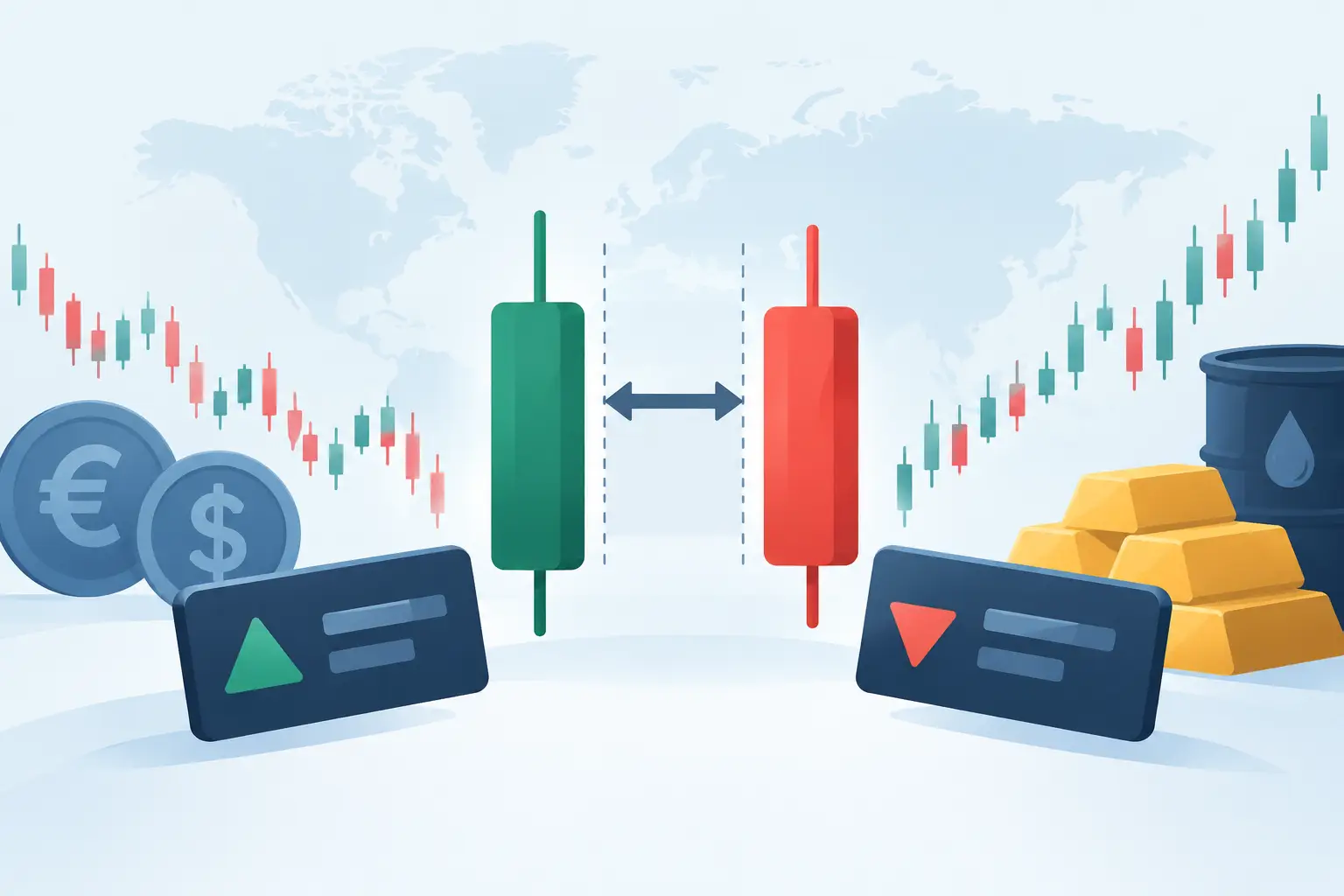
Not every trader wants the same instruments. Some focus only on major forex pairs. Others want exposure across gold, oil, equity indices, crypto CFDs, and stock CFDs from a single account. The value of a cfd platform increases when it gives you efficient access to the markets you actually plan to trade.
There is also a practical advantage to having multiple asset classes in one environment. You can shift attention when conditions change instead of waiting for a single market to become active. That flexibility matters to opportunity-driven traders who want to follow momentum wherever it appears.
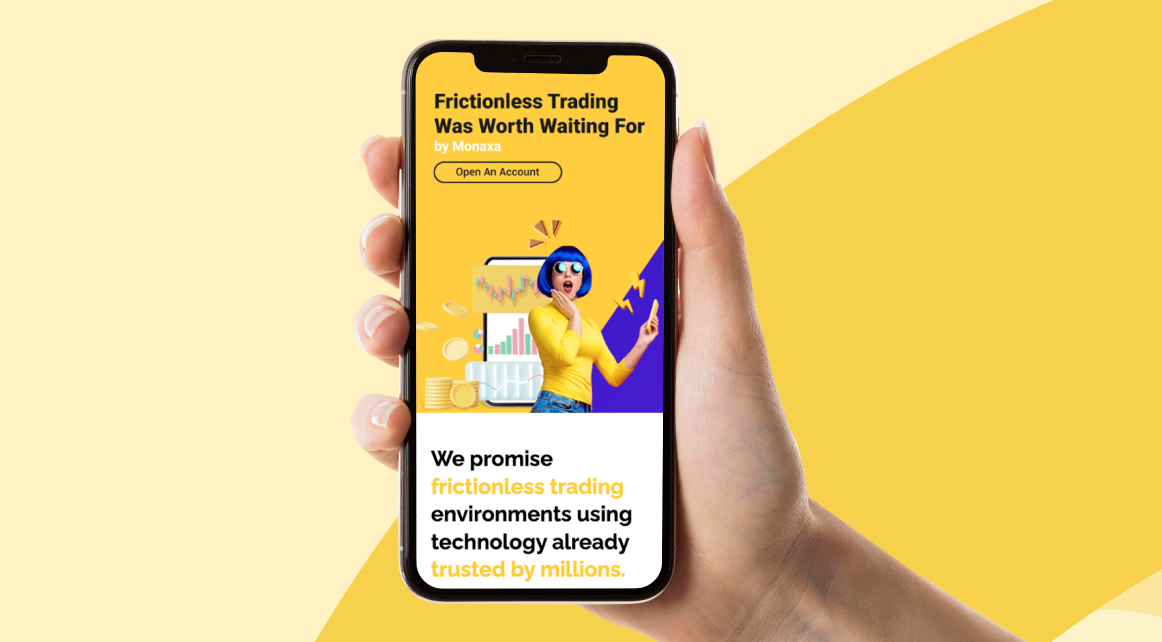
A broker such as Monaxa positions this well by combining platform choice with broad instrument coverage, which gives traders room to participate in the market on their own terms rather than being boxed into one product or one trading style.
Account fit and platform fit go together
Choosing a platform without considering account conditions is only half the decision. The best interface in the world will not fix a poor overall trading setup. Spreads, commissions, leverage, execution model, funding options, and account types all shape the actual experience.
This is why experienced traders compare the full environment, not just the software. A platform may support advanced execution, but if the account structure does not fit your volume or strategy, it may still be the wrong choice. The reverse is also true. Competitive trading conditions lose value if the platform feels limiting or hard to trust.
A strong brokerage ecosystem usually gives traders options. That can include standard self-directed trading, copy trading access, PAMM participation, or platform variety across desktop, web, and mobile. More choice is not automatically better, but it is useful when those options are clearly organized and aligned with different trader profiles.
What to check before you commit
Before opening a live account, take a practical view. Test how quickly you can find instruments, open charts, place orders, and edit risk settings. Check whether the platform feels natural on both desktop and mobile. Look at the markets available and whether the tools support your strategy today, not the strategy you might have someday.
Also pay attention to how much the platform helps you stay focused. Trading is already demanding. If the environment adds friction, that cost builds over time. If it supports speed, clarity, and control, you notice it in every session.
The right cfd platform should make market access feel direct, not complicated. It should support the way you trade now, while giving you space to expand as your confidence and strategy develop. Choose the platform that helps you act clearly under pressure, because that is the one you are most likely to keep using when the market starts moving.